Pests and Diseases in Barley Under Drip Irrigation: A Comprehensive Management Guide
Introduction: The Importance of Pest and Disease Management in Drip-Irrigated Barley
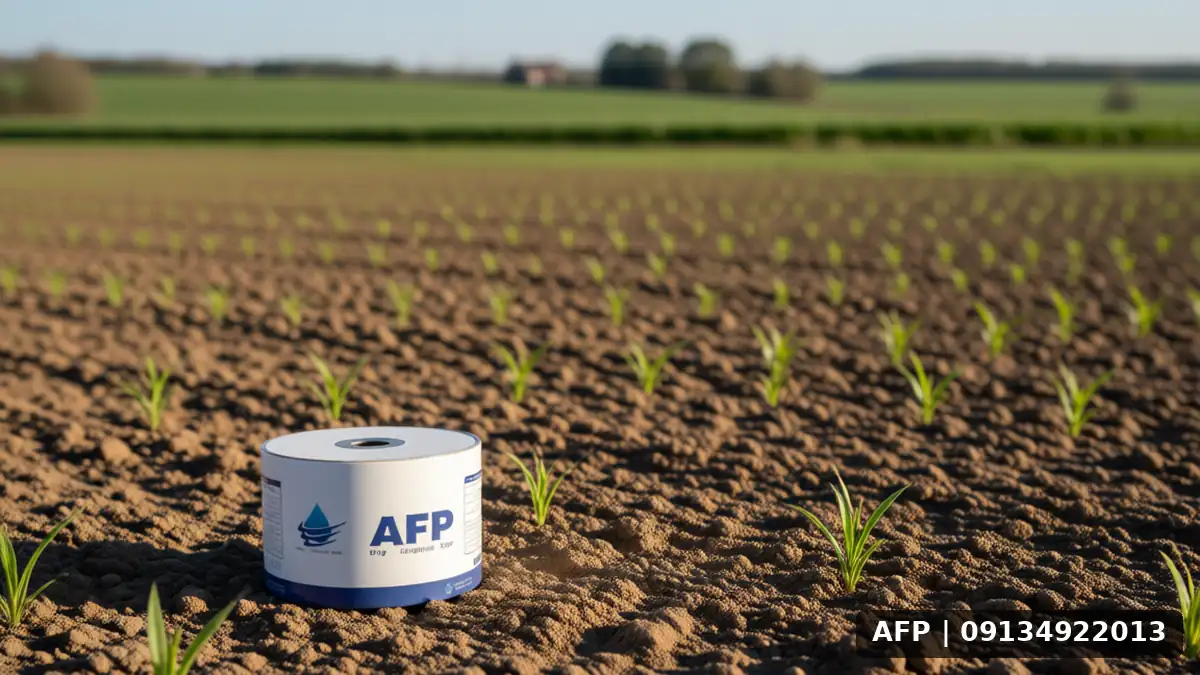
Barley is one of the important grain crops cultivated in many regions with suitable climatic conditions. With the expansion of modern irrigation systems such as drip and tape methods, farmers are seeking to increase water use efficiency and improve crop quality. However, one of the main challenges in growing barley under these systems is proper management of Pests and diseases of barley in drip irrigation Although drip irrigation reduces surface soil moisture and consequently decreases certain fungal diseases, it can create conditions that promote the activity of certain soil-dwelling pests or seedling diseases. Therefore, accurate understanding of these relationships and adoption of appropriate strategies is the key to success in barley cultivation.
Impact of Drip Irrigation Systems on Pest and Disease Habitats
Changes in Relative and Surface Moisture
One of the main advantages of drip irrigation is the concentration of moisture in the root zone and the reduction of moisture in the inter-row spaces. This can mitigate the rapid spread of seedling leaf diseases, such as fungal rots. On the other hand, the relative dryness of the soil surface can motivate certain insects to migrate deeper or become more active at higher levels. Additionally, water accumulation in specific points of the tape line due to terrain irregularities can create moisture islands, which provide favorable sites for the growth of soil-borne fungi such as Phytophthora or Fusarium . est.
Impact on plant nutrition and stress tolerance
Coriander is a crop sensitive to micronutrient stress. In drip systems, precise fertilization is possible, but improper application can lead to plant weakness and increased vulnerability to pests. Plants deficient in nitrogen or potassium generally have lower resistance to pest attacks. Therefore, simultaneous management of fertilizer and water in these systems is essential. For a better understanding of factors affecting crop yield and quality, consulting specialized resources on [Factors affecting coriander yield per hectare](https://navar-abyari.ir/syrindbin-yield-per-hectare-factors/) is recommended.
Major coriander pests and management strategies under drip irrigation conditions
Soil-dwelling insects
Insects such as soil-dwelling worms and bubble ants may exhibit different behavior under controlled-moisture drip irrigation. Although low surface moisture limits the activity of some of these pests, if the soil becomes too dry, some pests are attracted toward irrigation lines in search of higher moisture. To control these pests, it is essential to use yellow sticky traps and regularly monitor soil texture. Additionally, crop rotation and the use of resistant varieties can play an effective role.
Seed and stem pests
Infestations of rusts and the brucheid (Pegomya) on buckwheat seeds can occur even under drip irrigation conditions, as these pests directly target the plant. Managing these pests relies more on selecting resistant varieties and applying pesticides at critical times than on irrigation conditions. However, note that spray application via drip systems requires special care to avoid damaging the pipes or tapes. Familiarity with the types of drip tapes and their resistance to chemicals, through studying [Types of Drip Tape Irrigation Tubes](https://navar-abyari.ir/types-of-drip-tape-irrigation-tubes/), can help in selecting the appropriate system.
Fungal and bacterial diseases of buckwheat under drip irrigation
Root rot and rust
Although drip irrigation often reduces the risk of root rot, if there is initial soil contamination, continuous and controlled moisture can facilitate the development of these diseases. Early symptoms include yellowing of lower leaves and plant weakness. For prevention, using soils with adequate drainage, monitoring soil health, and selecting root-rot-resistant varieties are critical. Additionally, crop rotation can disrupt the life cycle of Verticillium.
Verticillium leaf diseases
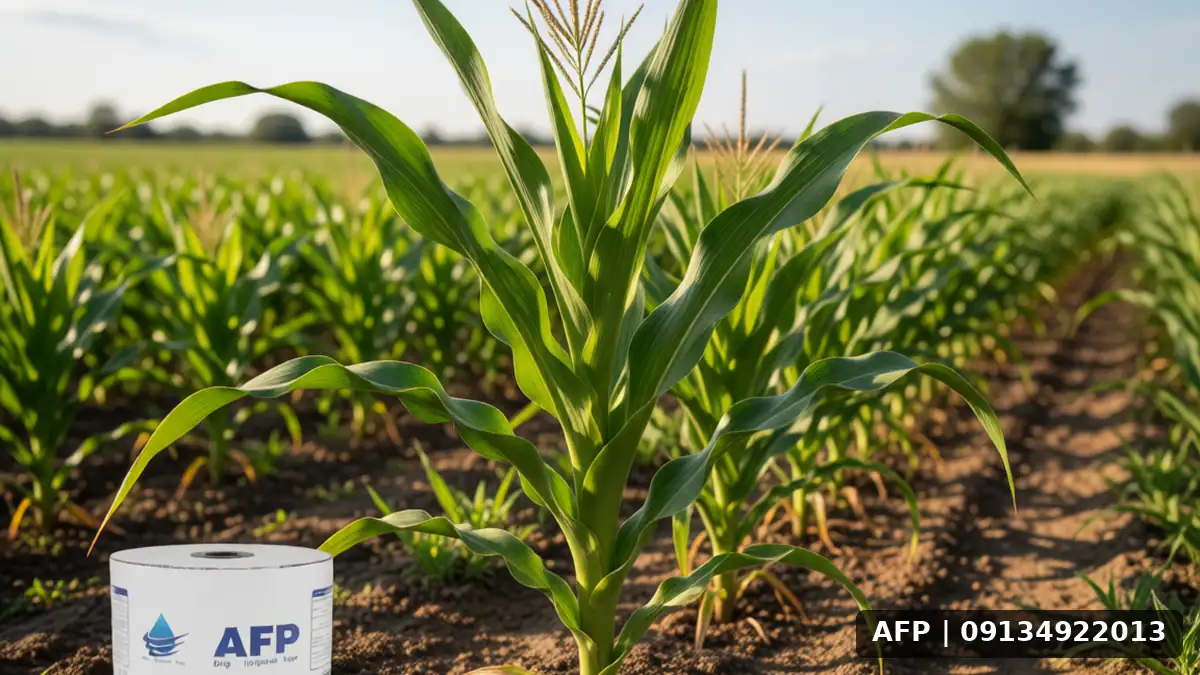
Leaf diseases such as cotton Verticillium wilt or rust are less prevalent under drip irrigation because leaf surfaces remain drier. However, if drip irrigation is performed via spray (micro-sprinkler), the risk increases. Therefore, using standard emitters and avoiding wetting the plant surface are key to managing these diseases. In this regard, familiarizing yourself with the principles of [What is subsurface irrigation? Features and disadvantages](https://navar-abyari.ir/%d8%a2%d8%a8%db%8c%d8%a7%d8%b1%db%8c-%d8%ae%d8%b1%d8%b3%d8%a7%d8%a8%db%8c-%da%86%db%8c%d8%b3%d8%aa%d8%b1-%d9%88%db%8c%da%82%da%af%db%8a-%d9%87%d8%a7-%d9%88-%d9%85%d8%b9%d8%a7%db%8a%d8%a8/) can provide a broader perspective on optimal irrigation methods and their effects on plant health.
Practical tips for farmers and engineers
- Regular soil monitoring: Soil sampling from under the drip line should be conducted every 2 to 3 weeks to prevent salt accumulation or pH changes that can increase root sensitivity.
- Integrated Pest Management (IPM): Protect beneficial predators in the farm. In drip systems, reducing the intensity of certain pests creates a good opportunity for beneficial organisms to return.
- Irrigation System Flushing: Using chlorine or chemicals to flush pipes prevents clogging of the drip tape, which can otherwise lead to plant stress and increased vulnerability to pests.
- Planting Density: To optimize pest management, it is essential to know [planting density per hectare](https://navar-abyari.ir/%D9%85%DB%8C%D8%B2%D8%A7%D9%86-%D8%A8%D8%B1%D8%AF%D8%A7%D8%B4%D8%AA-%D8%A8%D8%A7%D9%82%D9%84-%D8%AE%D8%B4%DA%A9-%D8%AF%D8%B1-%D9%87%DA%A9%D8%AA%D8%A7%D8%B1/) so that plant density ensures better air circulation between plants.
- Avoid Over-Irrigation: Excess moisture under the drip line can promote the growth of Nematodes. Irrigation scheduling based on soil moisture tension is recommended.
Additionally, if replacement of worn-out drip lines is required, proper [drip line selection](https://navar-abyari.ir/%D8%A7%D9%86%D8%AA%D8%AE%D8%A7%D8%B3-%D9%86%D9%88%D8%A7%D8%B1-%D8%AA%DB%8C%D9%BE-%DA%A9%D8%B4%D8%A7%D9%88%D8%B1%D8%B2%DB%8C/) based on soil type and barley density can prevent yield loss due to water stress and a subsequent increase in pest damage.
Frequently Asked Questions (FAQ)
- Does drip irrigation increase insect pest pressure in barley?
Not necessarily, but it can alter the distribution pattern of pests. Some soil-dwelling pests may concentrate near irrigation lines. Integrated field management remains essential. - What is the best time for spraying with a drip system?
Chemigation through drippers is only possible if recommended by a specialist and using specific products for irrigation systems. This should be done during periods of low water demand (early morning or night) to prevent evaporation and line clogging. - Is drip line wear directly related to root diseases?
Yes, root deficiency caused by insufficient or inappropriate irrigation reduces the plant’s resistance. A weakened plant becomes more susceptible to insects and fungi. Therefore, irrigation system health is directly linked to plant health. - Can drip tape be used for flax cultivation?
Yes, drip tape with a diameter of 16 or 20 millimeters is generally used for flax. The appropriate diameter should be selected by studying [plant characteristics in order within the root system](https://navar-abyari.ir/%D8%B4%D8%B1%DB%8C%D8%B7-%D8%A7%D9%84%D8%B1%DB%8C-%D8%A8%D8%A7%D9%84%D8%AA%D9%86%D9%82%DB%8C%D8%B7-%D9%81%DB%8C-%D8%AD%D9%84%D8%A8%DA%86%D9%87/) and matching it with farm conditions.
Conclusion
Management Flax pests and diseases with drip irrigation It requires an integrated approach that considers the root, soil, plant, and irrigation system. The benefits of reduced surface moisture and precise nutrient control must be combined with monitoring insect health and soil pests. By selecting resistant varieties, conducting regular monitoring, and properly maintaining the drip tape system, farmers can save water, reduce economic losses from pests and diseases, and ensure more stable yields. Familiarity with specialized resources such as [soybean dosage per hectare](https://navar-abyari.ir/miqdori-tuhmii-soya-dar-hektar-omilhoi-tasirrason/) and other texts related to grain yield can help in better understanding dynamic factors in the farm. Success in this path depends on knowledge, precision, and adherence to scientific principles.
Related articles: What is Drip Irrigation? Characteristics and Disadvantages, syrindbin yield per hectare factors, types of drip tape irrigation tubes, dill yield per hectare factors increase methods