Humidity Irrigation in Dill Cultivation: Applications
Introduction to the Importance of Moisture Irrigation in Coriander Cultivation
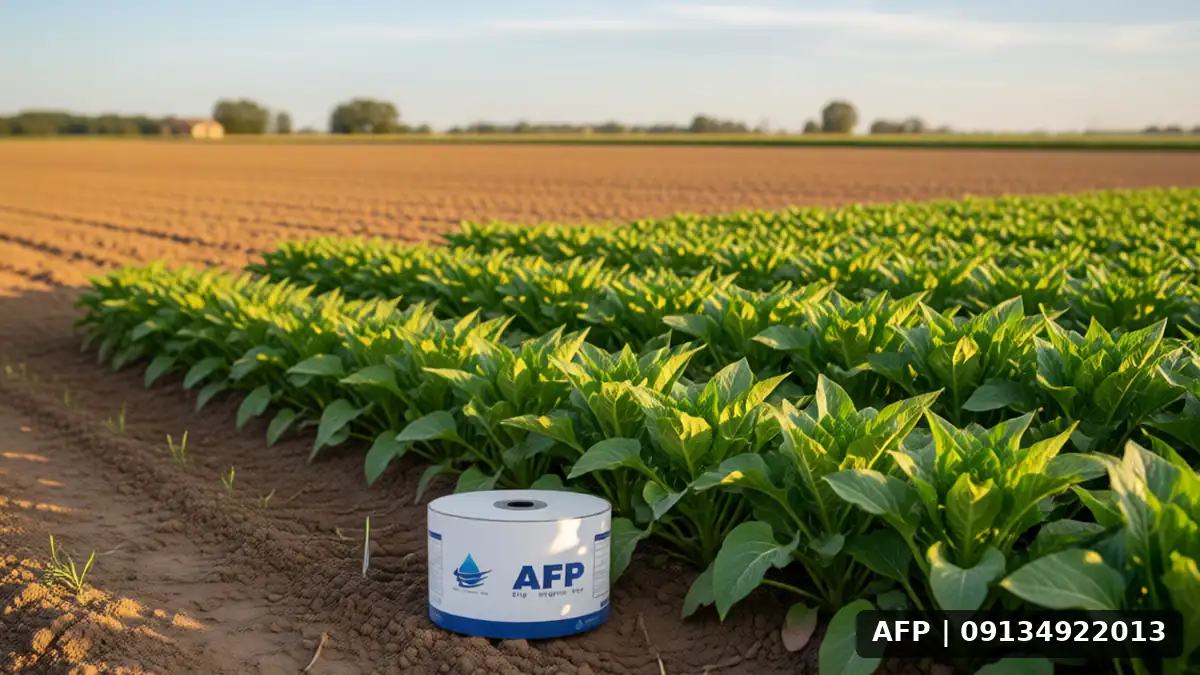
Coriander cultivation, due to its high moisture requirement and sensitivity to water stress, presents a major challenge in modern agriculture. The use of localized irrigation systems, particularly drip strips, allows growers to deliver the required plant moisture directly and concentrated to the roots. This method not only conserves water usage but also significantly improves vegetative and grain growth by maintaining optimal moisture levels in the root zone.
In recent years, a focus on Soil Moisture Management has been recognized as a key factor in increasing the yield of grain and forage crops such as coriander. Moisture irrigation for coriander requires a deep understanding of water uptake by roots and the rate of water infiltration into different soil textures. In this section, we examine practical solutions for optimizing this process.
Technical Principles of Drip Strip Irrigation for Coriander
The drip strip system is a significant advancement in localized irrigation technology where narrow, continuous strips of water are injected into the ground via Subsurface or above-ground drippers. Compared to conventional drip irrigation, this method creates a more uniform moisture coverage, which is ideal for plants with dispersed roots like coriander. To better understand the operation of main and lateral lines, one may refer to the installation method of drip strip lines, which includes technical details on piping and operating pressure.
Specific Application in Multi-Row Plantings
- Uniform Root Coverage: The drip strip creates a longitudinal band of moisture, ensuring that all superficial coriander roots along the row have equal access to water.
- Reduced evaporation from the soil surface: Because water is delivered as a narrow, continuous band into the soil, the surface area of dry soil is minimized, reducing direct evaporation.
- Reduced weed growth: Limiting moisture to the cropping band creates less space for weeds to grow outside the rows.
Soil moisture management and smart monitoring
Precise monitoring of soil moisture is vital for successful soil moisture irrigation. Using soil moisture sensors (Soil Moisture Sensors) at different depths (e.g., 15, 30, and 60 centimeters) allows the farmer to adjust the timing and volume of irrigation based on actual crop needs. This method prevents excessive waterlogging, which can cause root rot in fenugreek.
In addition to monitoring moisture, accurate calculation of the required water volume (Irrigation Requirement) based on weather and soil type is also crucial. Studies on total broccoli yield per hectare can illustrate the relationship between precise irrigation management and final crop productivity, although fenugreek requires more frequent monitoring due to its faster growth rate.
Practical execution tips in the field
- Preparation of the seeding bed: Before installing the drip line, the soil must be thoroughly plowed and prepared to prevent damage to the emitters during mechanized operations.
- System Pressure Regulation: Pressure should not be excessively high, as it can stress the micro-tube or narrow-bore pipe. The ideal pressure is typically between 2 and 4 bar.
- Irrigation Scheduling: Saffron is sensitive to high moisture levels during early growth stages. In this phase, frequent irrigation with low doses is preferable to heavy watering.
- Flushing the Lines: At the end of each season, the system should be flushed to remove salt precipitates and sediment from within the lines. This prevents clogging.
Additionally, combining irrigation with fertilization (Fertigation) is one of the major advantages of this system. Nutrients such as nitrogen, phosphorus, and potassium can be delivered directly to the roots via irrigation water. For better understanding of required volumes, consulting a guide on seed density per hectare can help maintain the balance between plant population and irrigation dosage.
The impact of irrigation on the quality and yield of coriander
The quality of coriander seed is directly linked to moisture management during the grain filling stages. Water stress at this phase can reduce seed weight and alter the essential oil composition (a key factor in aromatic coriander). Precise moisture irrigation, by ensuring no water stress, helps preserve seed color and aroma.
Comparison with other seed crops, such as Chickpea irrigation performance guide per hectareindicates that similar patterns in response to moisture exist. However, because coriander is harvested twice (once for fodder and once for seed), it requires more precise management of irrigation on/off times.
Frequently Asked Questions (FAQ)
At what depth should drip tape lines be placed in the soil?
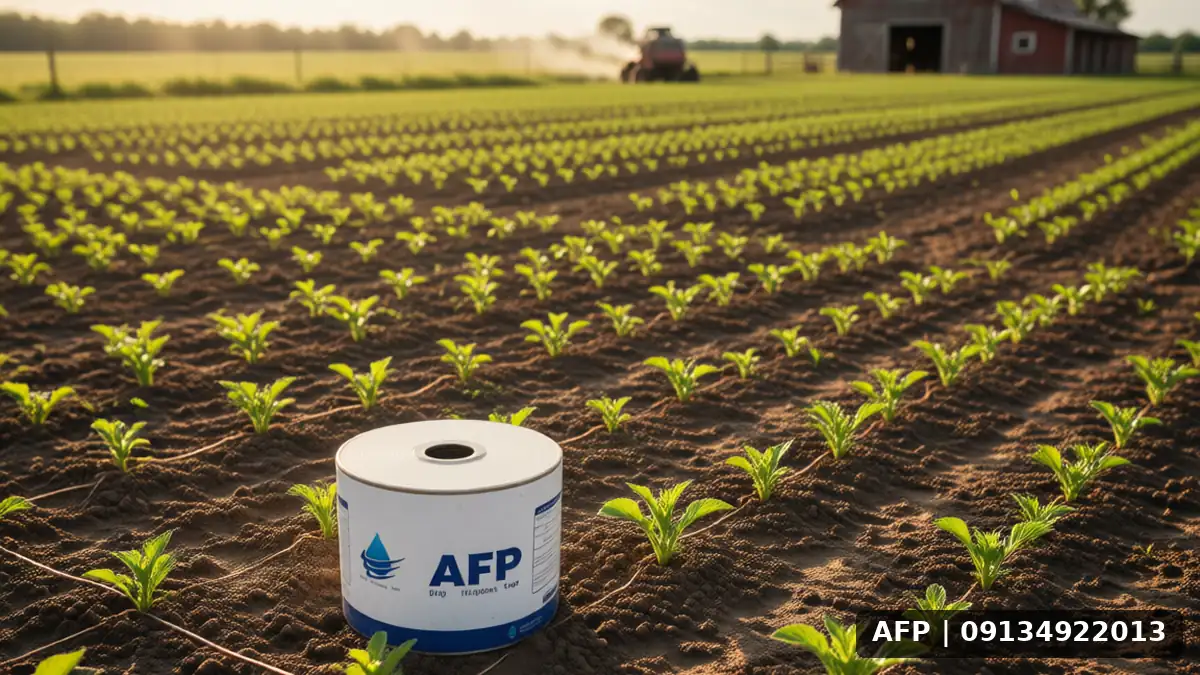
It is recommended that the drip emitters be placed at a depth of 10 to 15 cm below the soil surface. This depth should be within the active root zone of the fenugreek to ensure efficient water absorption.
Is drip irrigation suitable for heavy soils?
Drip irrigation is highly effective for light, sandy soils. However, in heavy clay soils, lateral water movement is slower. In such cases, the irrigation dose should be reduced and scheduling adjusted more precisely to prevent waterlogging. Yields of white onions per hectare also indicate the sensitivity of root and seed crops to soil texture during irrigation.
How do I diagnose clogged drip emitters?
Clogging occurs when water flow at the drip outlets decreases or the wetted front becomes irregular. Periodic flushing with citric acid or chlorine (at permissible concentrations) is the primary solution.
Conclusion and future outlook
Irrigation management in fenugreek cropping is no longer a luxury; it is a necessity for sustaining production in water-scarce conditions and amid rising water costs. Drip irrigation systems offer high potential for increased efficiency by balancing soil moisture, temperature, and nutrient uptake.
Experts recommend that farmers start with a small section of the farm and monitor data closely to find the optimal settings for their land. By combining technical knowledge from reliable sources, such as the benefits and drawbacks of crop rotational irrigation, with precise implementation of drip lines, sustainable water efficiency can be achieved. The future of cumin farming is moving towards the use of automatic soil moisture monitoring systems and dose regulation based on meteorological data.
Related articles: soya hosili gektar tajikistan guide, Yield of D8AFD8B1 broccoli per hectare, How to install a drip irrigation line