Node Irrigation in Coriander Cultivation: Prerequisites and Practical Solutions
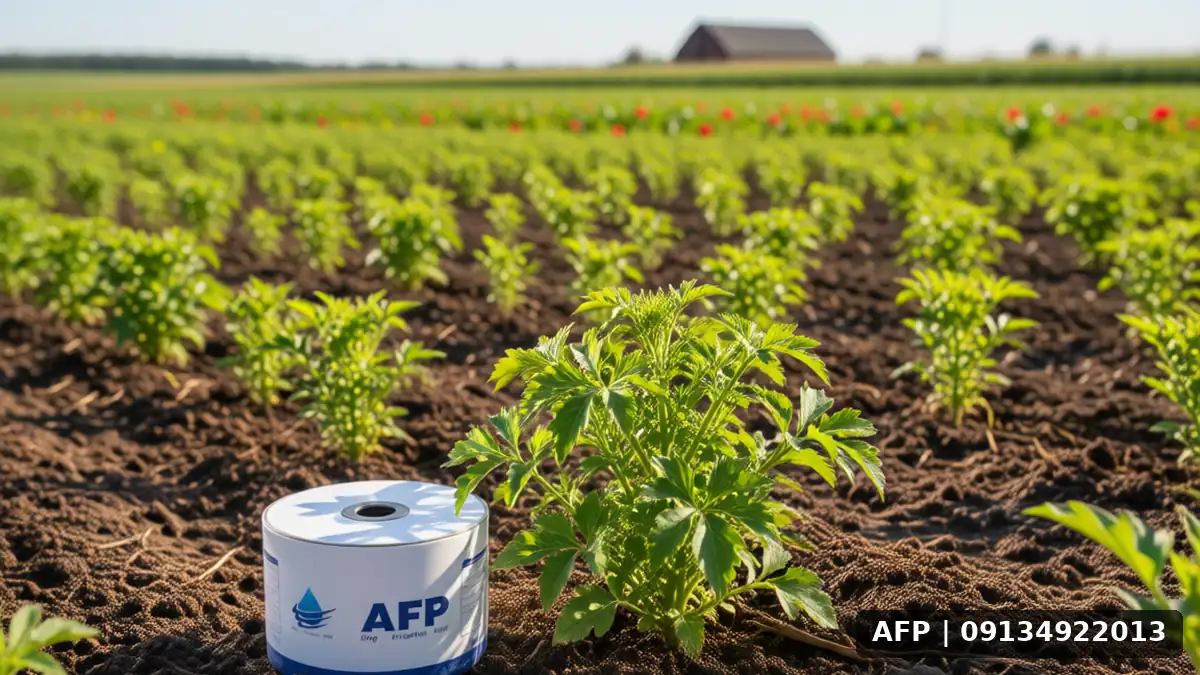
Coriander is a medicinal and industrial plant whose demand in domestic and export markets is increasing daily. Since it has a shallow root system and requires regular, precise irrigation, using modern irrigation systems, especially drip line or tape drip irrigation, can make a significant difference in the quality and yield of the crop. However, before installing any irrigation system, fully understanding the prerequisites is essential to avoid unnecessary costs and resource waste.
Why are the prerequisites for coriander drip line irrigation important?
Drip line irrigation using tape is a surface drip system that delivers water and nutrients directly under the leaves to the plant’s shallow roots. In coriander cultivation, which typically involves dense planting, this system is the optimal choice for reducing evaporation and improving water use efficiency. However, success with this method depends on a set of technical and engineering prerequisites, which are discussed in detail below.
One of the most critical prerequisites is accurately determining the total yield per hectare. If the slope and planting density of the coriander do not align with the intended tape drip spacings, root coverage by the emitters will be incomplete, leading to uneven plant growth.
Technical prerequisites and infrastructure preparation
Before purchasing and installing the system, all aspects regarding the benefits of tape drip irrigation should be considered. The first step, however, is preparing the land. Coriander prefers light, well-drained soils with a neutral to slightly acidic pH (6 to 7). Heavy or clay-rich soils with poor drainage cause root rot in coriander’s shallow roots, a condition that the tape drip system cannot offset even in optimal irrigation scenarios.
Planting Schedule and Plant Density
Using drip tape requires precise coordination with the crop pattern. In annual cropping, the row spacing for cilantro is usually set between 20 and 30 cm. Therefore, the selection of drip tape with appropriate emitter spacing and flow rate must align with this density. Regarding Cilantro seed rate per hectare it should also be noted that planting density directly affects total water consumption and the pressure required by the system. High seed density requires a higher flow rate from the tape to ensure that all seedlings receive water.
Technical prerequisites for the drip irrigation system
The drip or tape system is essentially a combination of the main pipeline and drip tape that connects directly to hoses and couplings. To implement this system correctly, an understanding of the components of a drip irrigation system using tape is essential. Since cilantro is sensitive to clay soils, proper filtration (usually a 60–100 mesh disc filter or screen) is an absolute prerequisite. Clogging of the drip tape due to sediment or floating particles can lead to the rapid death of some cilantro rows.
Planting accessibility and slope
In drip tape design for dill, achieving uniform planting rows is a technical challenge. Drip tapes must be placed alongside or at a 2–5 cm soil depth to avoid interference with planting and grafting operations. Proper site grading is a key prerequisite; drip tape is a constant-pressure system, and steep slopes cause asymmetric water distribution. If the slope cannot be corrected, use systems with flow regulators.
Practical tips for implementing dill drip irrigation
Once technical prerequisites are met, the focus shifts to implementation. Dill is a short-cycle crop, with peak water sensitivity typically occurring from the third to ninth week of growth. During this period, short, frequent irrigation cycles at a constant drip tape flow rate maintain uniform moisture in the surface horizon. Unlike surface irrigation, this method reduces fungal diseases that target dill stalks.
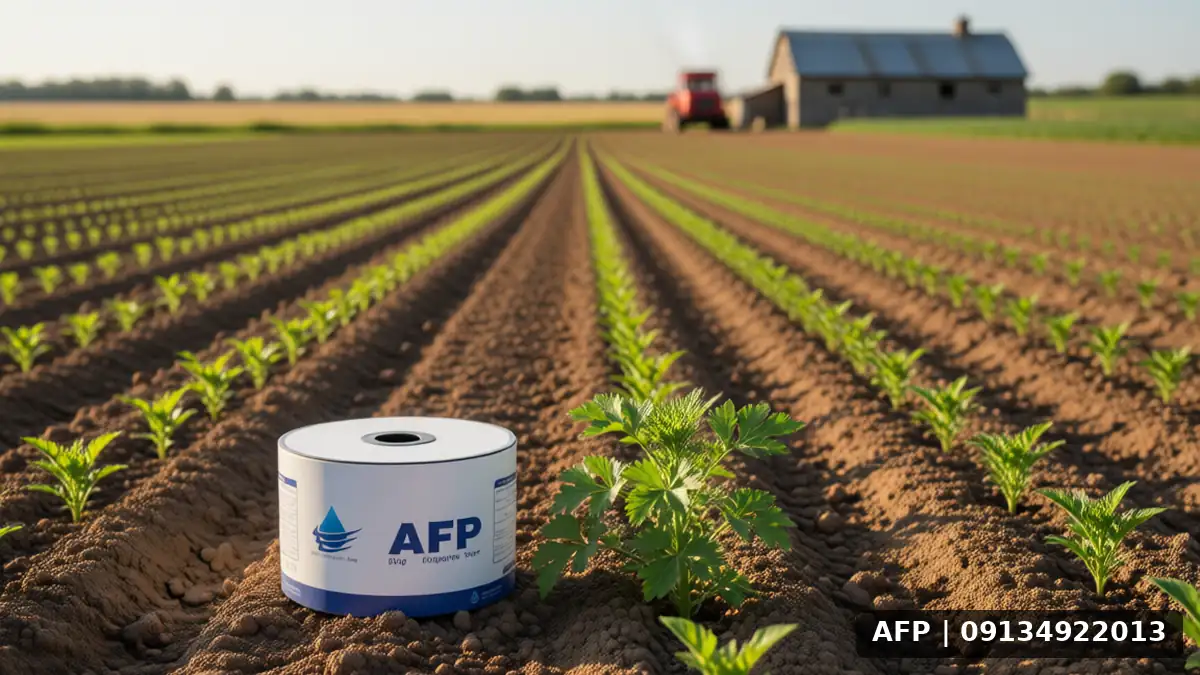
Another practical consideration is seed type and planting density. Similar to how six-row barley at one hectare requires a specific seeding rate, dill planted in six-row or high-density patterns requires increased drip lines or reduced emitter spacing. A common error is using a drip tape with 20 cm emitter spacing in a crop with 25 cm plant spacing, which results in dry patches between rows.
Pressure and pump management
The final prerequisite is establishing appropriate system pressure. Standard drip tapes typically operate within 5 to 15 psi. Insufficient pressure prevents water from infiltrating the soil effectively, leading to surface pooling that promotes mold growth. For dill, lower pressure is preferred to protect its fine, shallow root system from damage.
Frequently Asked Questions (FAQ)
This section addresses common questions from farmers regarding node irrigation for coriander providing answers.
Is the drip tape better for coriander than the perforated line?
Yes, drip tape is preferred due to its ability to match the dense planting density of coriander and reduce waste. However, if your coriander planting density is atypical, a perforated line with individual emitters may offer more flexibility.
How many weeks after planting can the line be activated?
After the seedlings are established (approximately 14 days), main irrigation can begin using the line. Before that, surface irrigation is sufficient for germination.
Can fertigation be done in dill with drip tape?
Yes, this is one of the biggest advantages of this system. You can deliver water-soluble fertilizers directly to the roots of the dill with excellent precision.
Conclusion and final recommendations
Growing dill with an inline or drip tape irrigation system is a sustainable and high-yield method. However, this approach is a complex engineering project with many prerequisites. From soil and slope preparation to seed spacing selection and pump pressure adjustment, all these factors come together to form an integrated system.
You can explore other products, such as the 3-inch non-perforated pipe used as the main line in these systems. Ultimately, always consult a specialized irrigation expert to select the optimal system for your specific dill farm conditions. Success in dill cultivation lies in the combination of plant science and precise engineering.
Related articles: Components of a drip tape system, Everything about the benefits of the Plate-Tip Drip Line, alfalfa seed rate per hectare guide