Comprehensive Guide to Orchard Irrigation in Full-Season Cultivation: Advanced Drip and Microspray Principles
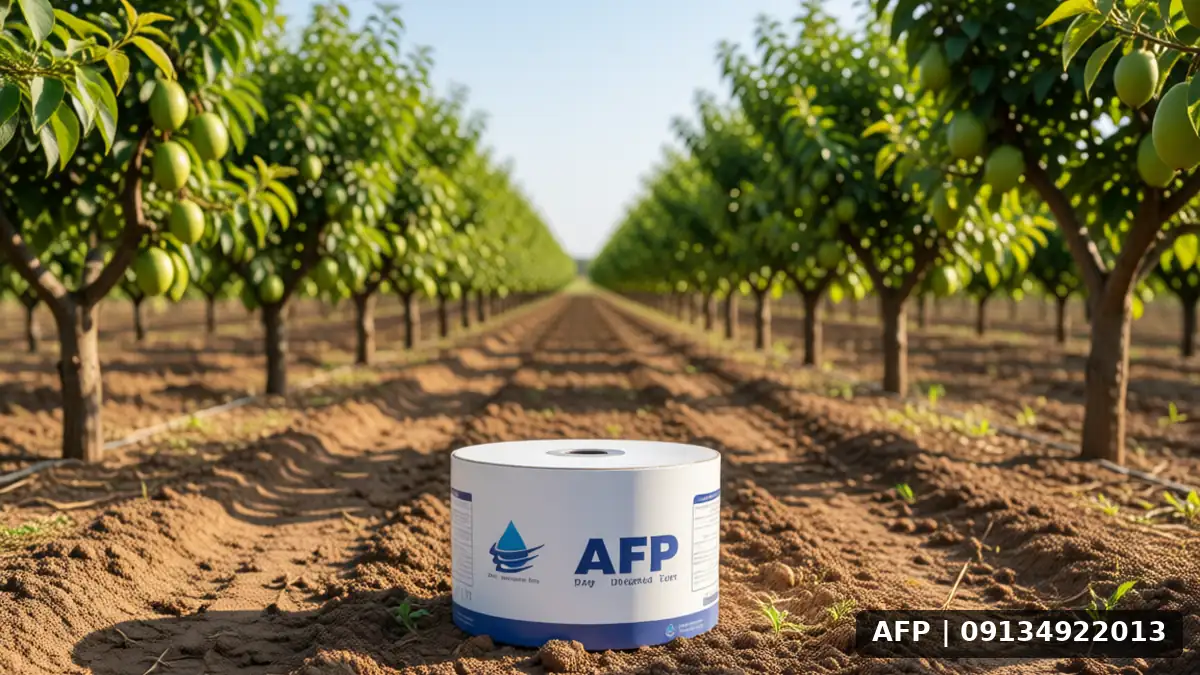
Introduction to the Importance of Smart Water Management in Kamelin Cultivation
Kamelin cultivation (Kamelin) in modern Iranian agriculture is a concept that goes beyond a farming method; it is a management philosophy focused on the optimal combination of resources (land, water, capital) and the use of technical knowledge for sustainable production. In orchards, where plant life cycles are long and require continuous care, precise soil moisture management is a determining factor for final yield quantity and quality. One of the main challenges in orchards is the imbalance in water distribution and heterogeneous root establishment, which leads to plant water stress, reduced efficiency, and ultimately significant economic losses. Traditional irrigation methods such as flood irrigation, which were common in the past, are now considered obsolete due to severe water waste, high evaporation, and leaching of nutrients from the topsoil layer. The use of pressurized irrigation technologies, particularly Subsurface irrigation or intelligent surface methods such as drip and tape, is a solution that can increase water efficiency by up to 40 percent. In this section of the article, we examine the basic principles of irrigation in Kamelin cultivation conditions, with an emphasis on efficiency and sustainability, so that farmers can make the best decisions for upgrading their orchards.
Technical Points in Drip Irrigation for Fruit Orchards
In the root architecture of fruit trees, tree spacing and rooting depth play a vital role. For the correct design of a drip irrigation system, special attention must be paid to the depth and extension of the main root zone (Root Zone). Fruit trees such as roses, apples, and grapes require less diffuse and more precise irrigation in early growth stages to encourage horizontal root growth. Key technical point: Drip emitters must be selected with variable flow rates or for multi-zone systems to ensure that water delivery volume and radius increase proportionally as the tree matures and its canopy expands. This prevents water stress in roots located far from the trunk. Additionally, using media and screen filters to prevent clogging caused by organic matter or chemical precipitates is a non-negotiable technical requirement. In complete cultivation, initial filtration costs must not be overlooked, as clogged emitters cause moisture unevenness and reduce overall system efficiency. Furthermore, observing the principles of drip irrigation band types can help better understand water flow mechanisms in fine pipes and facilitate the selection of more suitable emitters.
Application of band types in orchard irrigation
The drip tape method (Drip Tape), as a temporary or semi-permanent technology, is ideal for deep-rooted plants and fruit trees grown in dense rows. This method prevents surface soil drying and crust formation, a key factor in secondary evaporation, by distributing water uniformly at root depth. Correctly selecting the type of tape requires reviewing pre-purchase considerations for irrigation drip tape. Characteristics such as tape thickness (filament thickness), flow rate, UV resistance (against ultraviolet rays), and raw material (PVC or PE) are critical for orchards under direct sunlight. Recyclable drip tapes can be collected at the end of the harvest season and reused, offering both economic and environmental value in complete irrigation cultivation. Additionally, understanding the benefits of side-sewn irrigation drip tape can help orchardists select the best option based on soil type (sandy, clayey, or loamy). Attention to the technical details of these tapes ensures water waste is minimized and roots remain in optimal moisture conditions.
Practical tips and water consumption management in fruit orchards
In complete irrigation cultivation, drainage management and reduction of surface evaporation are fundamental principles. To enhance economic efficiency, harvest yield per hectare is directly linked to nutrient and irrigation management. It is also useful to examine secondary indicators, such as pumpkin seed yield per hectare (which can serve as a biological indicator of soil health and irrigation system performance). The following list outlines practical tips for optimal water management in fruit orchards:
- Irrigation timing: Irrigation during the afternoon hours (between 16:00 and 19:00) or early morning is effective in reducing evaporation and preventing fungal diseases caused by residual moisture on leaves. This schedule ensures water is absorbed by the roots before it evaporates.
- Data-driven irrigation regime: Irrigate based on soil topography, soil moisture sensors, or the BCR method, rather than a fixed calendar. This is essential in full-cultivation operations where cost optimization is a primary objective. Using dataloggers reduces inspection costs.
- System flushing: Flush the system every six months using chlorine acid or citric acid to remove calcium and magnesium deposits from the lines. This prevents clogging of the emitters.
- Interplanting: If possible, use cover crops to reduce evaporation, maintain soil moisture, and increase organic matter. This also prevents soil erosion.
- Line pressure check: Pressures above 4 bar cause breakage of delicate roots and uneven water distribution, while low pressure leads to leaks and contamination with organic matter. Pressure regulation at the outlets is mandatory.
Frequently Asked Questions (FAQ)
Is drip tape suitable for large fruit trees?
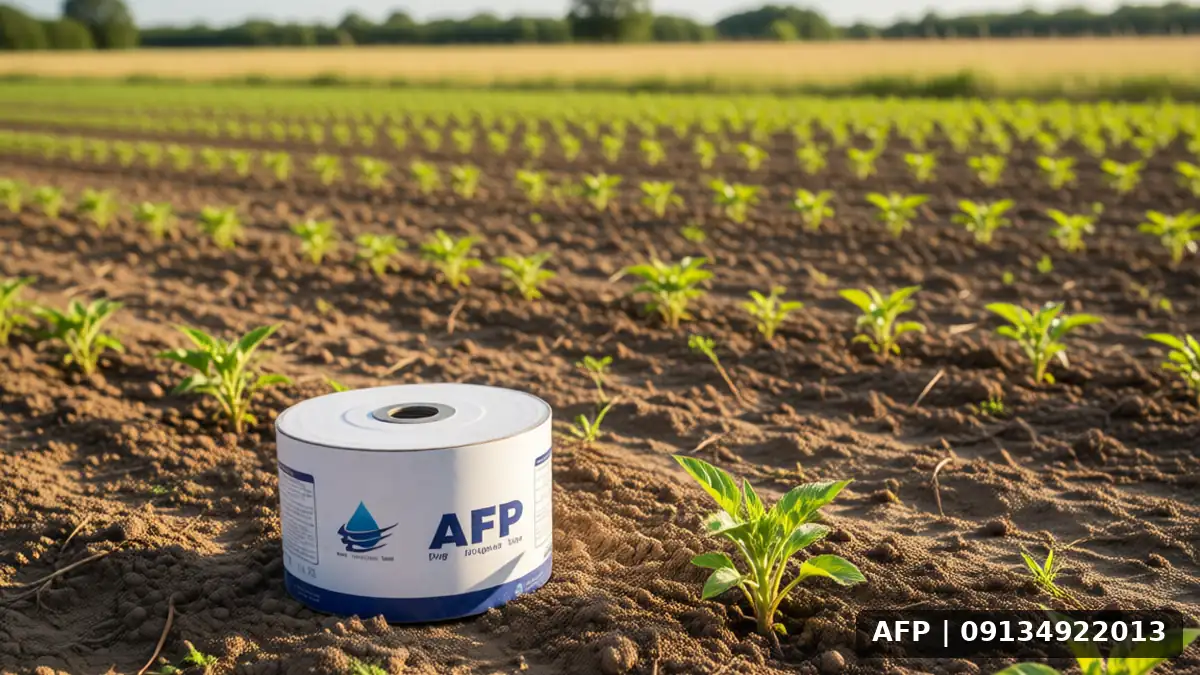
Yes, provided that the depth of the tape (minimum 15 cm below the soil surface to prevent mechanical damage) and its flow rate match the water needs of the large trees. For large trees, parallel drip tape lines may be necessary to ensure complete root zone coverage. Additionally, if deeper irrigation is required, impact sprinklers or complementary systems should be used.
What is the difference between drip lines and drip tape in a fruit orchard?
Drip lines are suitable for shallower root systems or trees with wide spacing and have a longer lifespan. Drip tape is better suited for deep, dense root systems and dense plantings, and generally has a seasonal or short-term multi-seasonal lifespan. The choice between the two is determined by the crop type, planting density, and budget. In complete orchard cultivation, permanent drip lines are typically used for woody trees, while drip tape is used for greenhouse or shrub-type trees.
How can we reduce water losses?
Using plastic (mulch) or organic mulch, reducing irrigation duration by increasing flow rate over shorter intervals, and utilizing irrigation management software for synchronization with meteorological data are the most effective methods. Additionally, familiarity with crop yield per hectare and cost analysis helps reduce waste. This analysis helps you understand whether your irrigation is truly converting into economic returns.
Conclusion and Final Summary
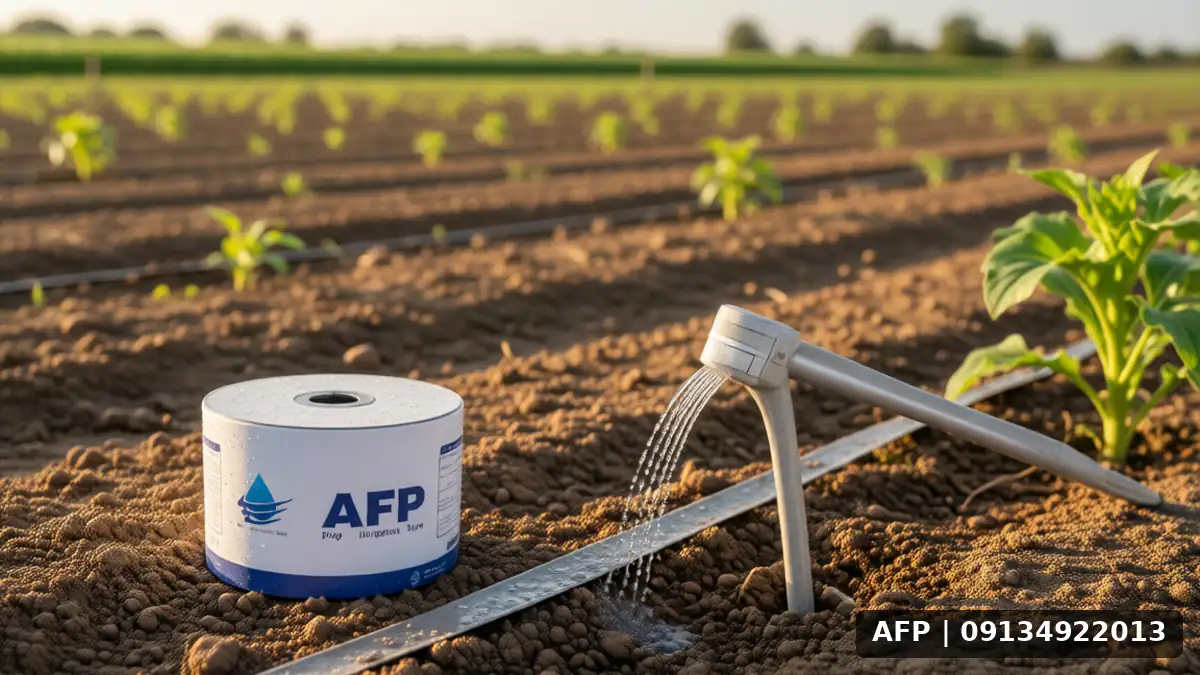
Effective fruit orchard irrigation in complete cultivation requires combining knowledge of soil, botany, engineering, and water resources. Selecting the correct method (drip or tip-line), proper scheduling, and continuous system management are keys to increasing sustainable production and reducing operational costs. Implementing these points not only reduces water consumption but also guarantees the quality and freshness of fruit for the target market. Farmers are advised to consult with specialists before project implementation and utilize reliable resources such as the characteristics and properties of tip-line for optimizing the production process. Given current water and energy prices, investing in smart irrigation systems yields faster returns. This forward-looking approach guarantees the survival and growth of your orchard in the long term.
Related articles: Characteristics and properties of tip-line, crop yield per hectare, Subsurface irrigation, Characteristics of drip line and its properties, Dill yield per hectare + Ways to increase it