Subsurface Irrigation for Garlic: Key Prerequisites and Practical Tips
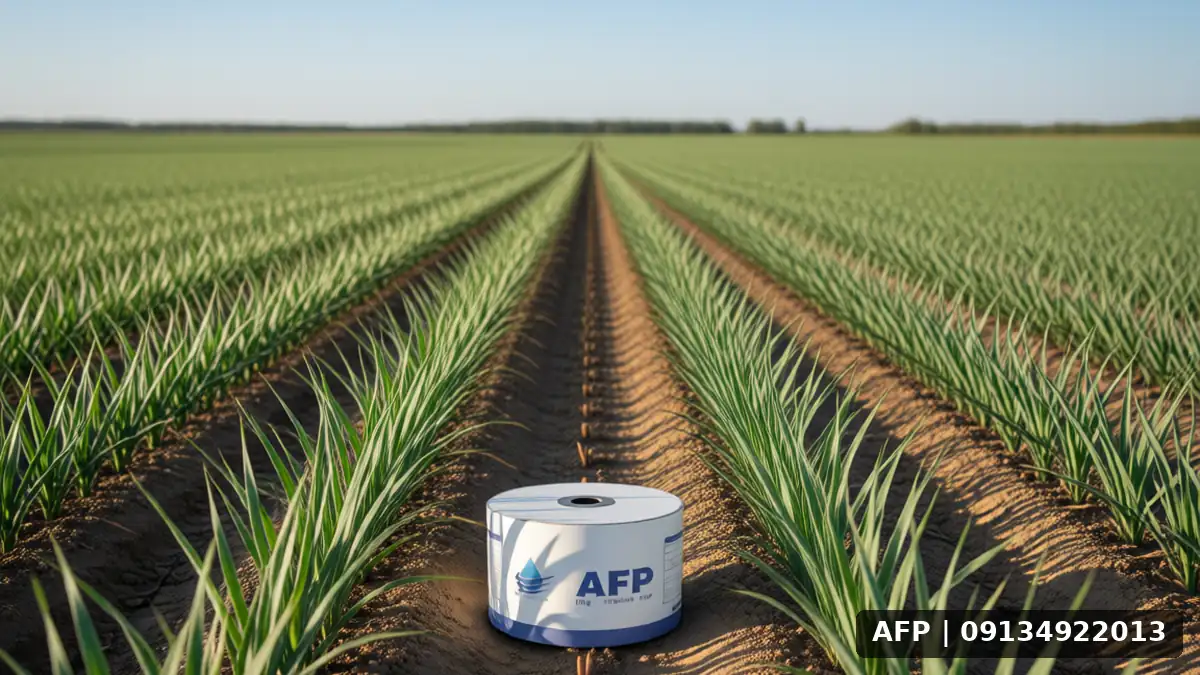
Introduction to Subsurface Irrigation in Chive Cultivation
Subsurface irrigation, as one of the most advanced water resource management methods, has attracted the attention of farmers in recent years. By delivering water directly to the plant root zone, this method not only reduces water loss due to evaporation but also facilitates the control of foot rot and leaf spot diseases. In chive cultivation, which is sensitive to moisture and temperature, understanding the prerequisites for this method is essential. The goal of this article is to provide a detailed examination of the necessary conditions for the installation and effective operation of subsurface irrigation systems in chive farms, enabling farmers to make informed decisions for their production.
Why Are the Prerequisites for Subsurface Irrigation Important?
Implementing subsurface irrigation without regard to technical prerequisites can lead to reduced yield, increased operational costs, and even damage to soil structure. Chives are a crop with high sensitivity to rapid moisture changes. If soil and management prerequisites are not met, plant roots may face oxygen deficiency (air shortage). Therefore, a deep understanding of soil physical properties, system planting depth, and proper irrigation scheduling are key requirements for success in this cultivation. We will examine each of these prerequisites in detail below.
Technical and Soil Prerequisites
The most critical prerequisite for implementing subsurface irrigation is an accurate understanding of the soil type. Soil texture is the primary determinant of water and air permeability. In clayey soils, water infiltration rate is low, increasing the risk of root zone saturation, whereas in sandy soils, moisture management is more challenging. For asparagus cultivation, the optimal scenario is a soil profile with a loamy texture in the root zone, which provides an appropriate balance between hydraulic and aeration conditions. In addition to texture, land slope and the depth of the water table are also important prerequisites that must be assessed before drilling wells and installing pipes.
Impact of Subsurface Pipe Installation Depth on Asparagus Performance
The installation depth of subsurface irrigation pipes must be calibrated according to the depth of effective asparagus roots. Generally, a depth of 20 to 30 centimeters is considered optimal. This depth must be deep enough to prevent plant roots from puncturing the pipes or causing direct mixing of water and soil at the surface, yet shallow enough to allow asparagus roots easy access to moisture. Another technical prerequisite is the use of pipes with sufficient crushing resistance to withstand soil pressure. In this regard, the study on [types of drip tape irrigation tubes](https://navar-abyari.ir/types-of-drip-tape-irrigation-tubes/) can serve as a useful guide for selecting appropriate materials, even though subsurface pipes have different structures, material selection principles are similar to some extent.
Water Resource Management and Moisture Requirement Estimation
Subsurface irrigation requires high precision in estimating water consumption. Unlike surface irrigation, where soil moisture can be easily observed, monitoring soil moisture in subsurface systems is inherently more difficult. Therefore, a primary prerequisite is the deployment of soil moisture monitoring systems, such as tensiometers or moisture probes, at various depths. Additionally, understanding the crop coefficient for watercress and its relationship with ambient temperature in each region is essential for adjusting irrigation schedules. To optimize consumption, studying the [Drip Tape Buying Guide](https://navar-abyari.ir/tips-before-buying-irrigation-drip-tape/) can convey the importance of selecting standard, high-quality materials to farmers, as material quality affects system longevity.
Impact on yields of other crops
Although this article focuses on watercress, the principles of subsurface irrigation apply generally to all vegetable and grain crops. If you are considering intercropping watercress with grains, be aware that moisture management differs for each crop. To better understand how precision irrigation systems can affect final yield, you can read about [Bean Yield per Hectare](https://navar-abyari.ir/%d9%85%db%8c%d8%b2%d8%a7%d9%86-%d8%a8%d8%b1%d8%af%d8%a7%d8%b4%d8%aa-%da%af%d9%84%d8%b1%d9%86%d8%af-%d8%af%d8%b1-%d9%87%da%a9%d8%aa%d8%a7%d8%b1/), as the mechanisms by which moisture affects performance in leguminous plants are partially similar.
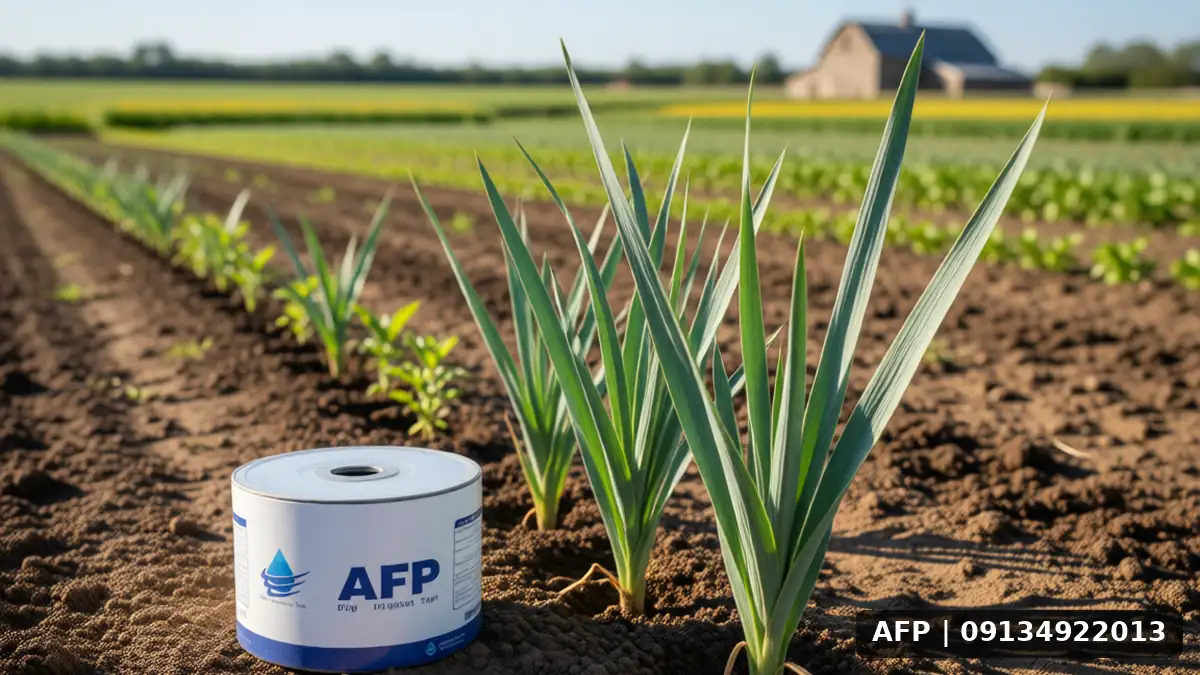
Practical Points and Implementable Solutions
For the successful implementation of subsurface irrigation in watercress farms, it is recommended to observe the following as practical prerequisites:
- Prepare a precise technical map: Before starting, conduct a precise survey of the land, identifying slopes and water collection points.
- Infiltration test: Before installation, conduct infiltration tests at several points on the land to calculate irrigation coefficients.
- Timing of soil flushing: To prevent clogging of pipes, filtration systems and anti-pest (salt) systems are activated before the start of the planting season.
- Periodic moisture monitoring: Using moisture sensors at different depths to determine the precise timing of irrigation.
- Sealing the bottoms of basins and canals: When using surface water, preventing deep percolation is essential to avoid increasing soil salinity.
Cost optimization based on yield efficiency
One of the primary concerns for farmers is the initial installation cost. To determine whether the system offers a return on investment, you need a precise yield estimate. Studying [Wheat yield per hectare](https://navar-abyari.ir/%d9%85%db%8c%d8%b2%d8%a7%d9%86-%d8%a8%d8%b1%d8%af%d8%a7%d8%b4%d8%aa-%d8%af%d9%86-%d9%87%d8%a9%d9%87%d8%a7%d8%b3%d8%aa/) can help you understand the yield-to-cost ratio for grain crops. Although barley is a forage crop, the principles of irrigation economics remain the same. Additionally, reviewing [Types of drip tape prices](https://navar-abyari.ir/types-of-drip-tape-irrigation-tubes/) provides a general overview of market pricing for irrigation equipment, allowing you to compare maintenance costs.
Frequently Asked Questions (FAQ)
Is sub-surface irrigation suitable for all soil types?
No. Highly compacted and clayey soils without soil amendment present a high risk for sub-surface irrigation. It is recommended to use soil texture amendment methods, such as adding peat or sand.
Do sub-surface pipes differ from standard drip tape?
Yes. Subsurface pipes have thicker walls to prevent root intrusion (Root Barrier) and to withstand soil pressure. The study [Buying Guide for Drip Irrigation Tape](https://navar-abyari.ir/tips-before-buying-irrigation-drip-tape/) is more applicable to surface systems, but the principles for selecting plastic materials can be clarified.
How much does water consumption decrease with subsurface irrigation compared to conventional drip irrigation?
Typically, a 20% to 30% reduction in water use is observed because surface evaporation is eliminated and water is applied directly to the root zone.
Does subsurface irrigation increase soil salinity?
No, it actually moves salts to deeper layers, and with precise monitoring, prevents salt accumulation at the surface, which is dangerous for sugarcane roots.
Conclusion and Final Notes
Implementing subsurface irrigation in sugarcane cultivation is a strategic investment for farmers seeking to increase yields and reduce water consumption. Success in this approach requires a deep understanding of soil, technical, and managerial prerequisites. From analyzing soil texture and determining optimal pipe depth to installing moisture monitoring sensors, each step plays a vital role in root health and increasing plant biomass. Given the trend of intensifying water resource scarcity, transitioning from conventional methods to precision subsurface irrigation is not just an option but a necessity for maintaining farm sustainability. By adhering to the engineered principles outlined in this article, one can expect not only an increase in sugarcane yield but also optimization of energy costs and farm management expenses. It is recommended to consult with a water and soil expert before making any systemic changes to ensure optimal settings are tailored to your local conditions.
Related Articles: Sweet corn seed rate per hectare, lif flat pipe price guide tajikistan, sunflower yield per hectare factors, tips before buying irrigation drip tape