Subsurface Irrigation in Rye Cultivation: Comparison with Conventional Methods
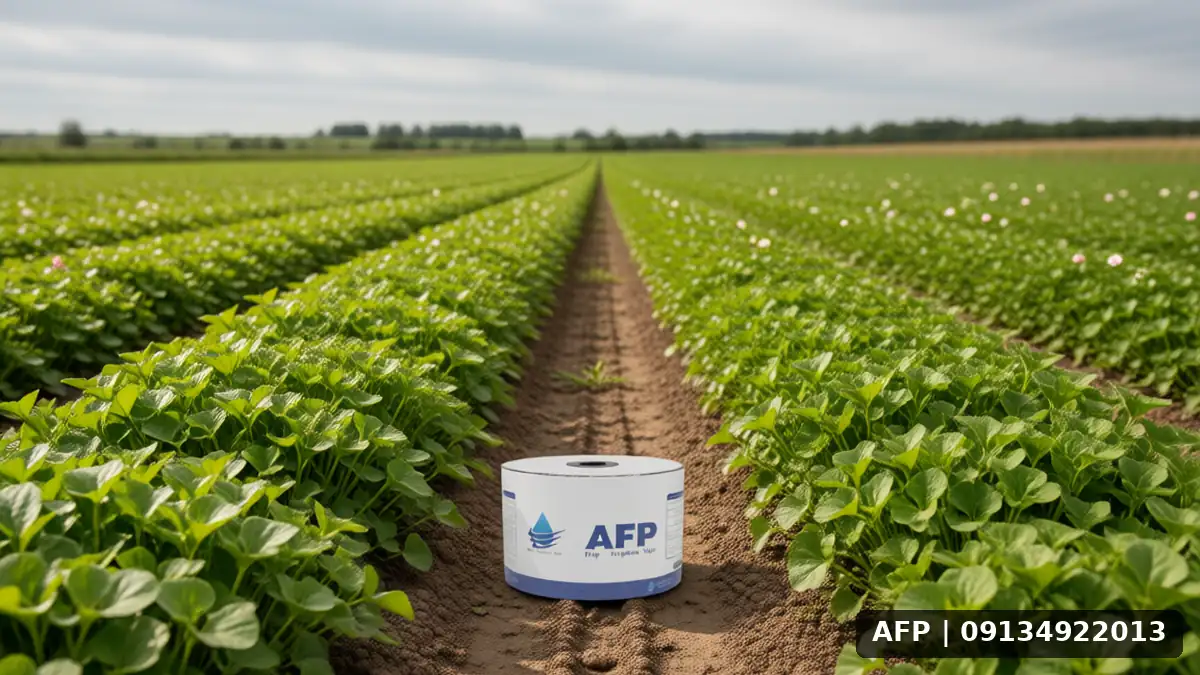
Introduction to Subsurface Irrigation in Red Clover Cultivation
Red clover, as one of the most important cover and forage crops, requires precise water resource management to fully realize its growth potential. In recent years, subsurface irrigation has gained significant popularity as an efficient method for reducing evaporation and increasing water use efficiency in green crops. This method involves placing irrigation lines below the soil surface, delivering water directly to the root zone and preventing the soil surface from drying out. This article provides an in-depth analysis of the principles of this technology in red clover cultivation and compares it with more common methods, such as drip and furrow irrigation, to help farmers make the best choice for their specific field conditions.
Principles and Operating Mechanism of Subsurface Irrigation
Subsurface irrigation is a system in which irrigation pipes are installed 10 to 15 centimeters below the ground surface. This depth is selected to align with the maximum root development zone of red clover. Unlike surface methods, in this system, water exits through the emitters of the lines under positive or neutral pressure. This ensures that the root zone soil remains moist without the surface becoming dry and compacted. Scientifically, this condition reduces water deficit stress, allowing red clover plants to direct energy toward biomass production and increased wet and dry plant weight. Additionally, because the soil surface remains dry, fewer weeds grow compared to soil-based methods, as weeds typically have weaker root systems and require surface moisture for growth.
Technical Comparison of Subsurface Irrigation with Other Methods
To better understand the position of this technology, it is necessary to compare it with drip, furrow, and tape-line methods. In the method drip, water droplets drip on the soil surface, making them susceptible to evaporation and surface fungal growth. In the furrowmethod, water flows continuously in channels, making moisture management difficult in large fields. In contrast, subsurface irrigation ensures uniform moisture distribution across the entire farm. A table comparing these methods is provided below:
As observed, although the initial installation cost for the sub-surface piping system is higher, considering 2-inch polyethylene pipe and other high-quality components, the return on investment is achieved in less than three growing seasons due to savings in pumping costs and reduced water losses. Additionally, since alfalfa is a salt-sensitive crop, sub-surface irrigation helps move soil salinity downward, protecting the roots.
Practical installation and operation tips
For the successful implementation of this system in sainfoin cultivation, it is critically important to observe the following points. The first point is selecting the appropriate depth for the lines. For blue sainfoin, a depth of 10 cm is ideal. In intercropping systems, the depth may increase up to 15 cm. The second point is the distance between the lines, which is usually adjusted to match the row spacing of the sainfoin crop (approximately 30 to 45 cm). From 90 textile film and polyethylene fittings can be used to construct sub-surface lines, but it must be ensured that the apertures are equipped with appropriate filters to prevent clogging. Additionally, managing system pressure is vital. The operating pressure in these systems is approximately 1 to 1.5 bar. Excessive pressure can cause the lines to rupture or force water out of the root zone. Therefore, the use of a pressure regulator is recommended. For farmers interested in comparing performance, they can study articles related to the yield of clover and sainfoin in different regions to access more field data.
Impact on sainfoin quality and yield
One of the primary concerns for livestock farmers is the protein and fiber quality of sainfoin. Research has shown that plants under sub-surface irrigation maintain relatively uniform moisture levels. This uniformity ensures that sainfoin plants perform similarly during both forage cuts (first and second periods). In contrast, with furrow irrigation, the plant enters the drought phase early and then grows rapidly, leading to premature maturity and reduced fiber quality. With precise irrigation control, the rate of growth can be managed. To increase final yield, understanding Mung bean seed rate per hectare Planting density is also important because the irrigation system must be able to supply water to a high plant density. Using vetch in rotation with barley or other crops can be beneficial; studies of barley yields under various conditions show how adequate subsoil moisture in rotation can increase overall farm efficiency.
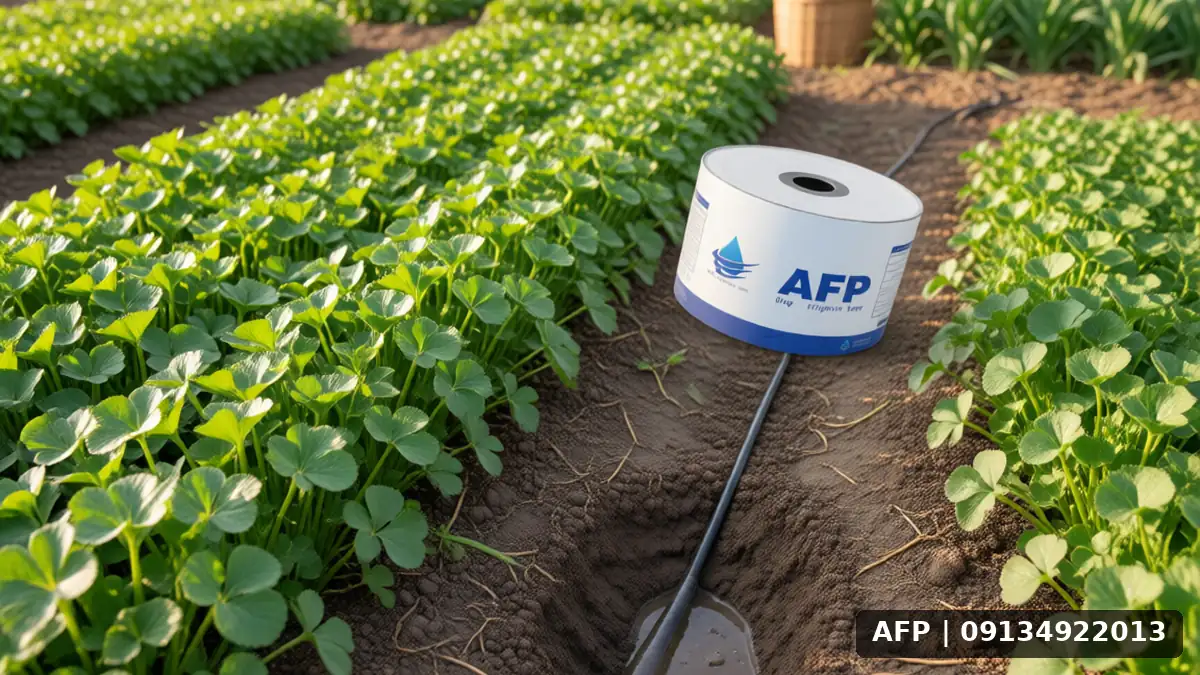
Economic and environmental comparison
From an economic standpoint, subsurface irrigation in vetch cropping, particularly in water-scarce regions, creates a strong competitive advantage. Reduced water consumption means lower electricity or diesel costs for pumps. Additionally, because the system is subsurface, deep plowing is not required to cool the soil in summer. Environmentally, this method reduces nitrate leaching, as water does not rapidly move beyond the root zone and is absorbed instead. This is critical for long-term soil health. Compared to surface or furrow irrigation, which often results in 40 to 50% water loss, subsurface irrigation offers up to 80% efficiency. Furthermore, reduced surface evaporation helps maintain rhizobial bacteria that fix nitrogen under better conditions, directly reducing the need for nitrate fertilizers in vetch cropping.
Frequently Asked Questions (FAQ)
Is subsurface irrigation suitable for all climates?
No, this system is ideal for semi-arid and arid regions, as well as warm and humid areas where rapid moisture loss occurs. In cold, rainy regions with heavy soils, there may be a risk of pore clogging due to mineral deposition, which requires specific adjustments.
Is it possible to suspend clover and keep only the subsurface irrigation active?
For perennial clover crops that remain evergreen, this method is excellent. However, in rotation with rye or other crops, the strip spacing usually needs to be adjusted to match the new density, or the temporary system must be modified. Although the use of seeding rate guidelines for various crops can assist in planning, for clover, maintaining root-zone moisture is key to success.
What is the maintenance cost?
Maintenance costs are very low because the strips are not exposed to the surface and are not susceptible to physical damage from planting equipment. The main concern is clogging, which can be resolved with proper filtration and periodic flushing.
Conclusion and final recommendations
Transitioning from surface and furrow methods to subsurface irrigation in rye cultivation is a smart step for modern farmers. This system not only minimizes water consumption but also improves forage quality and reduces the costs of repeated mechanical operations. Although the initial investment requires careful selection of equipment, such as high-quality polymer tapes, its long-term profitability is undeniable. It is recommended to create a 1,000-square-meter test plot before full implementation to assess how your local soil behaves with the subsurface system. By combining this technology with plant physiology principles, you can achieve maximum yield from every liter of water and every hectare of land.