Furrow Irrigation in Muskmelon Cultivation: Applications and Operational Principles
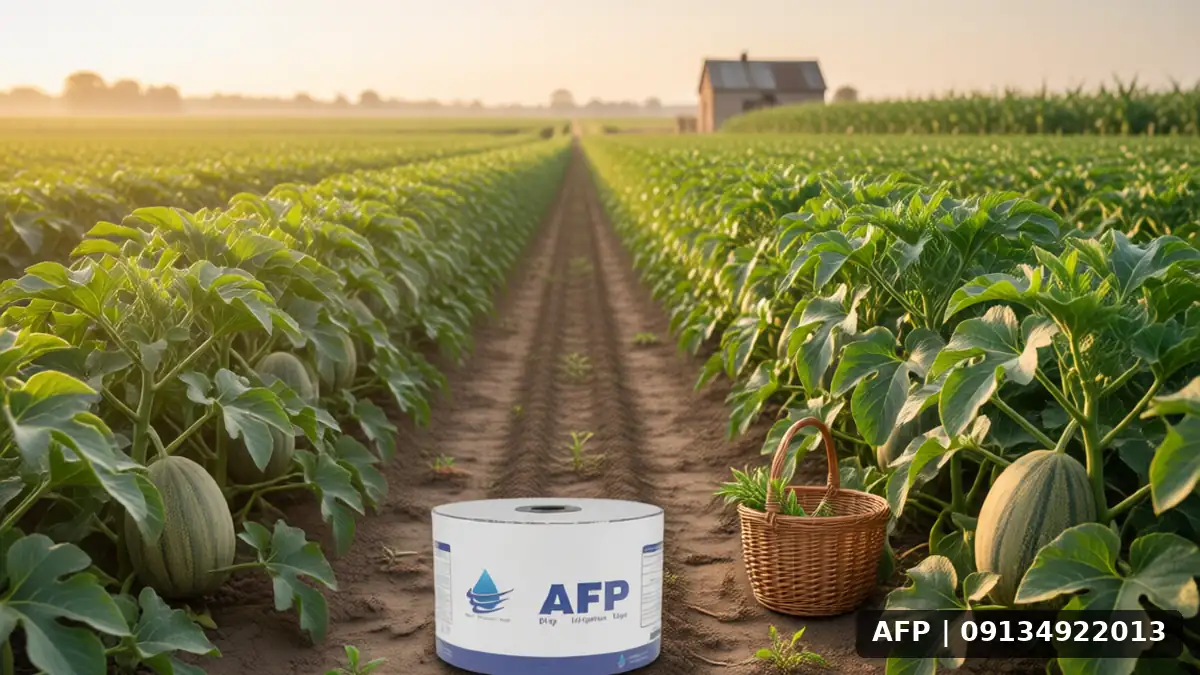
Drip irrigation in melon cultivation is one of the most effective strategies for water resource management, enabling increased efficiency and reduced excessive consumption. This method, primarily based on drip lines, requires high precision in technical calculations and the selection of appropriate equipment. Due to specific water requirements and sensitivity to soil moisture changes, melons fall into the category of irrigation-sensitive crops. The aim of this article is to examine the applications of drip irrigation in detail and provide practical solutions for farmers.
The Concept of Drip Irrigation and Its Importance for Melon Cultivation
Drip irrigation refers to the precise control of water volume, timing, and delivery method to the plant root zone. In melon cultivation, this type of irrigation is doubly important due to the need to maintain uniform moisture throughout the growth period. Using modern systems such as drip lines enables the uniform distribution of water and nutrients with minimal loss. In this method, water pressure in the drip channels is very low, which increases distribution efficiency and reduces stress on the system. This method not only prevents water wastage but also improves nutrient uptake by creating ideal root conditions, thereby increasing the quality and yield of melons. Furthermore, reducing surface soil humidity eliminates the favorable environment for fungal diseases, which is essential for plant health.
Advantages of Drip Line Systems in Melon Cultivation
- Significant reduction in water consumption by up to 40 percent compared to surface irrigation
- Increased uptake of nutrient ions by melon roots due to appropriate moisture levels
- Reduced risk of base rot and fungal diseases by preventing waterlogging
- Compatibility with fertigation systems, which is essential for increasing melon yield
Selecting drip tape as the primary option requires an understanding of the technical and structural characteristics of these products. You can gain more detailed information before purchasing by studying Drip tape features and specifications including the manufacturing materials, channel diameter, and service life. This information helps farmers make the best choice for their field conditions.
Technical principles of melon drip irrigation in cultivation
System design based on soil texture conditions
Soil texture directly affects the amount and duration of irrigation. In clay soils, permeability is low, so drip tapes with a larger diameter and shorter spacing between lines should be used. Conversely, in sandy soils, permeability is high, requiring an increased irrigation frequency. Correctly designing the system considering these parameters reduces the risk of water waste and root-zone moisture deficit. Additionally, the burial depth of the drip tape should be aligned with the main root depth of the melons to ensure water is delivered directly to the active root zone.
Management of pressure and flow rate in the drip irrigation system
Adhering to the appropriate inlet pressure for drip tape is a key factor in ensuring system stability. Excess pressure can damage the tape wall, while low pressure disrupts water flow and discharge uniformity. The optimal discharge rate must be calculated based on the crop’s daily water requirements during its growth cycle. Under ideal conditions, the drip tape discharge rate should be synchronized with the root absorption capacity of the melon. Drip tape designed for melons, based on cultivation specifications and irrigation requirements, better achieves this synchronization.
Key point: During design, always use local data such as air temperature, evaporation, and evapotranspiration rates to estimate water requirements more accurately. These precise calculations prevent root stress and ensure uniform fruit development.
Practical and operational applications of deficit irrigation
Combining deficit irrigation with planting and controlled moisture
Currently, the use of deficit irrigation requires synchronization with planting operations and soil preparation. It is recommended to perform initial flood irrigation before planting melons to increase soil moisture. Subsequently, the drip tape system is activated to provide continuous and precise water throughout the growth period. This approach minimizes the risk of germination failure. Additionally, coordinating the planting time with the start of deficit irrigation prevents seed loss and unsuccessful germination.
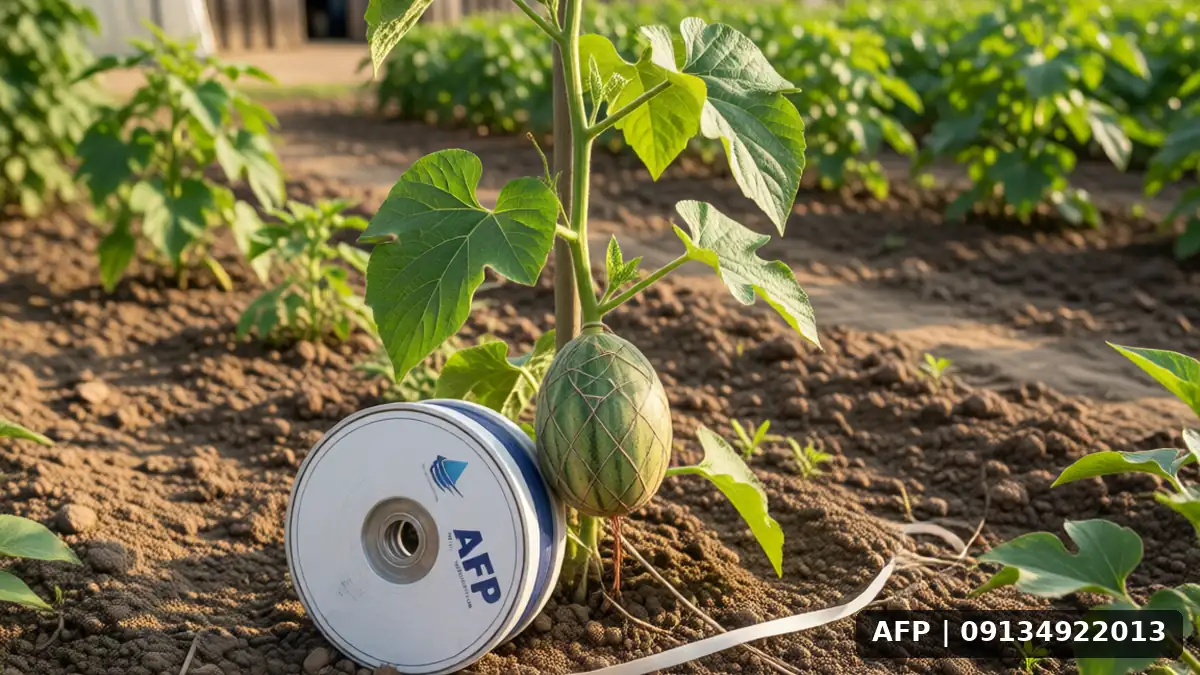
- Weeks 1 to 2: Lighter irrigation with high frequency to establish root-zone moisture
- Weeks 3 to 6: Increase water volume to support rapid vegetative growth
- Weeks 7 to 10: Precision management to increase fruit size and reduce salt stress
Disease control and use of fertigation systems
Combining drip irrigation with light-based fertigation systems is one of the effective approaches in cantaloupe crop management. Reducing surface relative humidity and increasing root-zone moisture prevents the growth of gray mold and root diseases. Additionally, liquid feeding via the lateral system enables more precise control of mineral consumption and improves crop quality. This method allows farmers to inject nutrients exactly when the plant needs them and in appropriate amounts, which results in reduced fertilizer costs and increased yield.
Practical tip: To ensure uniform irrigation, use infiltration tests and precise control of the output flow rate of each lateral. Any variance greater than 10% requires system readjustment. This regular monitoring ensures uniform lateral performance throughout the entire field.
Guide for selecting and purchasing appropriate drip laterals
Selecting the type of drip lateral for cantaloupe cultivation is a determining factor in drip irrigation system performance. Parameters such as material, thickness, channel size, and lateral length must be aligned with cultivation conditions and the intended flow rate. Additionally, considering consumption rates and maintenance costs is one of the most important decisions before purchasing.
For more information, you can refer to the Talebi Drip Line Guide which provides complete details on selecting the appropriate equipment for Talebi crop cultivation. Additionally, reviewing Benefits of drip tape As a surface irrigation method, it clarifies the general benefits of using this technology.
Frequently Asked Questions about surface irrigation in muskmelon cultivation
How much water is sufficient for surface irrigation of muskmelon per hectare?
The exact amount depends on climatic conditions, but on average, 20 to 30 liters per hour per drip tape line is sufficient.
Is drip tape resistant to leaching of nutrients in sandy soil?
Yes, due to the slower flow rate and reduced vertical infiltration, mineral leaching is lower.
Can I use drip tape for plants with deeper roots, such as late-maturing muskmelons?
Yes, but the vertical distance of the tape from the surface must be adjusted to match the vertical extent of the root zone.
Summary and Final Recommendations
Drip irrigation in melon cultivation is a systematic approach for managing water resources and increasing efficiency. Success with this method requires attention to design details, selection of appropriate equipment, and precise operational management. The use of drip tape as a low-pressure system offers significant advantages, such as reduced water consumption and improved crop quality. Additionally, the utilization of Complete Guide to Planting and Seeding can help in selecting a more suitable cropping pattern and achieving better coordination with the drip irrigation system. Ultimately, a successful drip irrigation system is based on accurate data, high-quality equipment, and proper implementation.