Rainfed Irrigation with Rensch in Garlic Cultivation: Prerequisites and Key Points
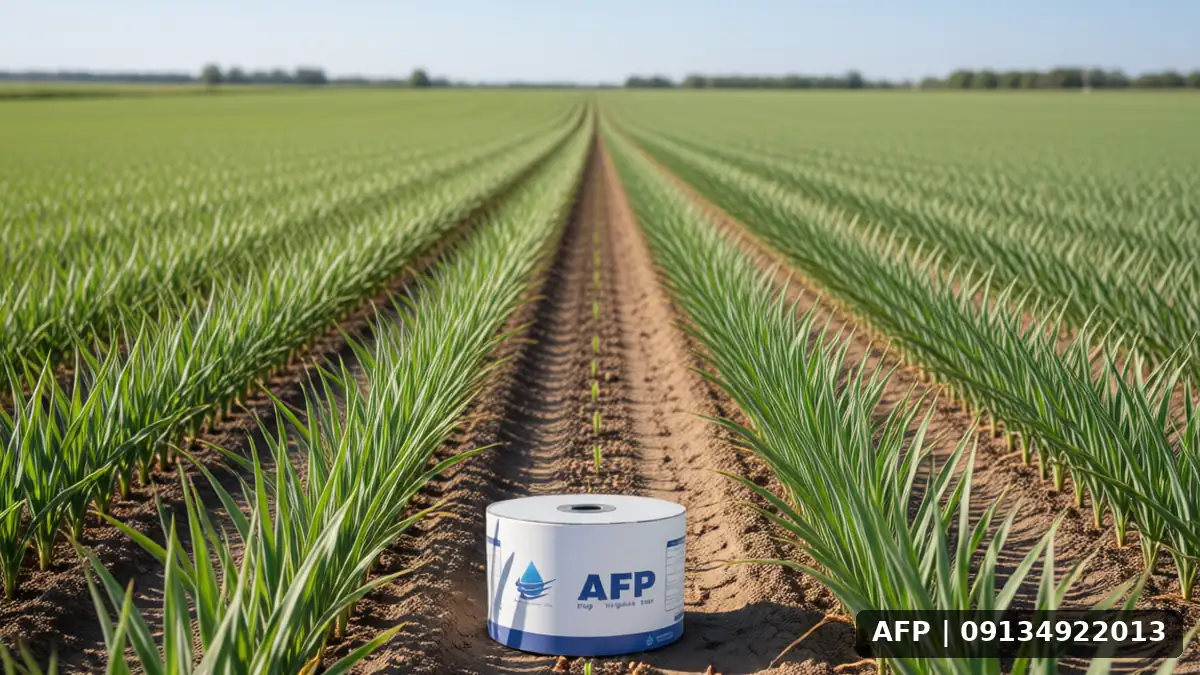
Introduction: Why Is Rain-Fed Runoff Irrigation a Challenge for Garlic?
Garlic cultivation requires precise water resource management due to the crop’s high sensitivity to soil moisture and environmental conditions. In many modern farms, using rain-fed runoff methods or similar systems that leverage centrifugal force and controlled water pressure for uniform moisture distribution can be efficient under specific conditions. However, a deep and complete understanding of technical and natural prerequisites is essential before implementing any irrigation intervention. This section of the article examines the specific challenges of garlic cultivation and the critical importance of adhering to foundational principles. Our objective is to provide a specialized look at conditions under which this irrigation method not only reduces operational costs but also maintains the quality and scalability of the final product. Neglecting these principles can lead to significant losses in high-value crops like garlic.
Soil and Geology Prerequisites
Above all, knowledge of soil nature is the most critical factor in the success or failure of rain-fed runoff irrigation for garlic. Garlic is a deep-rooted crop whose roots are prone to rapid decay and fungal diseases in gravelly soils or soils with poor drainage. Therefore, the first and most vital prerequisite is a precise analysis of soil permeability and texture.
- Soil Texture: For effective runoff and even water distribution, clay and heavy soils require textural amendment and tilth improvement. If permeability is low, water will flow across the surface instead of infiltrating downward, causing the leaching of nutrients and the waterlogging of roots.
- Slope and Level: Sprinkler irrigation requires a gentle slope to allow water to move uniformly from the source toward the plants. Excessive slopes cause soil erosion and uneven irrigation across crop rows, while perfectly flat terrain can lead to water accumulation and reduced oxygen supply to the roots. Precise land leveling is an absolute prerequisite.
- Moisture retention capacity: The soil’s ability to retain moisture in garlic root zones must be calculated carefully. Soils that dry quickly require more frequent irrigation, which may not be economically viable with gravity-fed sprinkler systems. Accurate estimation of the water volume required per hectare to maintain moisture equilibrium can aid in better planning.
Resource management guidelines for other crops also demonstrate how soil science prerequisites can directly impact final crop yield; similarly, attention to this area is critical in garlic cultivation.
Prerequisites for irrigation infrastructure and equipment
Gravity-fed sprinkler irrigation systems typically consist of specific nozzles, pipeline lines, and pressurized sources. For garlic, which is highly sensitive in its early growth stages, equipment must be highly precise. Selecting equipment without consulting experts may result in the waste of resources.
Key points in equipment selection
- Uniform Working Pressure: The equipment must maintain constant pressure along the entire length of the drip tape. Pressure drop can damage young plants and create uneven moisture distribution. Technical potentials in fertilizer-to-water ratios in other crops always emphasize this sensitivity.
- Drip Accuracy: Although the rain method is mentioned, combining it with drip elements is essential to prevent fertilizer leaching. Familiarity with how the table packaging water mechanism operates can provide a better understanding of pressure and piping dynamics, helping you avoid the incorrect use of resources.
- Silt Resistance: Proper filtration to prevent nozzles from clogging with suspended particles from the source water is an essential prerequisite. Treating source water before it enters the system ensures the reliable operation of equipment.
Light and Atmospheric Humidity Management
One of the hidden yet critical prerequisites for spray irrigation is considering meteorological indicators. Garlic crops exposed to high ambient humidity are susceptible to fungal diseases such as Botrytis and Anthracnose. If spray irrigation significantly increases relative humidity at the rhizome level, it is considered a technical defect. Therefore, irrigation scheduling must align with air temperature to prevent prolonged leaf wetness.
Practical Implementation Guidelines for Garlic Fields
After establishing theoretical and infrastructural prerequisites, practical considerations that distinguish theory from practice must be addressed. Proper execution of these steps requires careful farmer supervision.
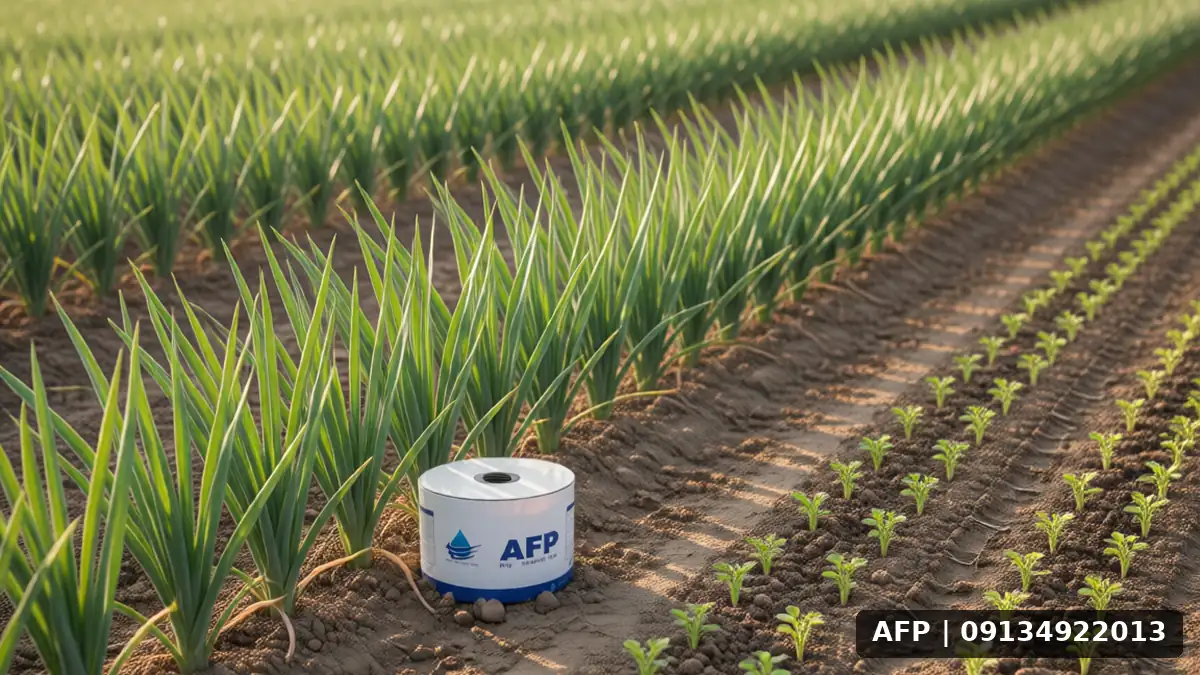
- Initial tests with clean soil: Before filling the garlic planting band, use an empty section of the field to test droplet density and coverage. This helps understand the spray pattern and the need for nozzle adjustments.
- Alignment of planting bands: Garlic bands should be planted so that the surface runoff water path aligns with the band width to minimize water loss. Appropriate layout based on Guidelines for planting various types of garlic and shallots is of two-fold importance.
- Monitoring water consumption: Like many other crops, understanding how water requirements affect yield helps optimize the irrigation budget. Monitoring actual consumption against theoretical design is key to reducing costs.
Comparison table of main prerequisites
Frequently Asked Questions (FAQ)
Is rain-sprinkler irrigation suitable for all onion farms?
No. This method is not suitable for farms with steep slopes or soils with very poor drainage. It is recommended for flat to gently sloping farms with medium to sandy soils. If these prerequisites are not met, traditional drip irrigation is a better option. For more information on method comparisons and their effects on yield, refer to specialist resources such as Factors Affecting Crop Yield per Hectare which can provide a general overview of the specific needs of sensitive crops.
What is the installation cost of equipment for garlic cultivation?
Costs vary based on the acreage and complexity of the farm and fluctuate depending on factors such as buying parts individually versus a complete project package. We recommend coordinating with technical consultants for more accurate estimates and accounting for any hidden costs.
How does leaching affect garlic quality?
If soil prerequisites and pressure requirements are met, leaching can improve uniform distribution and prevent root rot caused by drought. However, if the slope is too steep, leaching causes soil erosion around the cloves, severely reducing final product quality.
Summary: Final Steps for Success
Implementing sprinkler irrigation in garlic cropping is a technical-agricultural project that requires precision and planning. Key preconditions include detailed soil analysis, field leveling, selection of equipment with controlled pressure, and irrigation timing management. Neglecting even one of these factors can lead to a significant yield reduction. With a look at comprehensive guides and consultation with Saregh and Shirab Agary and other specialized resources, you can select the best practices for your farm. Ultimately, practice and continuous monitoring will be the key to bridging the gap between theoretical preconditions and positive results in practice.
Related articles: Water amount per hectare