Subsurface Irrigation in Allium Farming: Field Costs
Introduction: The Importance of Selecting an Irrigation Method for Green Onion Cultivation
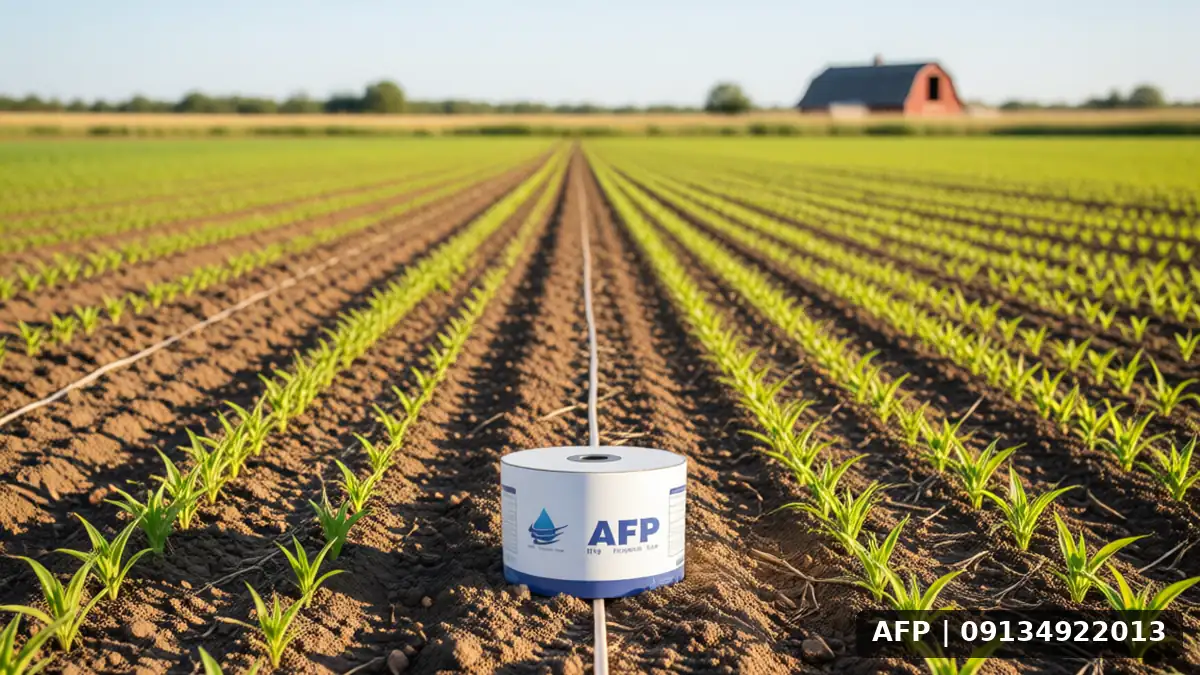
Green onion is an irrigation-sensitive crop where proper water resource management directly impacts stem quality and yield. In recent years, due to water scarcity and rising energy costs, farmers have been seeking newer solutions such as subsurface irrigation This method places irrigation lines below the soil surface, preventing direct evaporation and keeping plant roots consistently moist. However, the key question for farm managers is whether the initial costs of this system are justified compared to traditional methods like drip lines. Below, we examine the installation and operational costs of subsurface irrigation systems for green onion crops in a precise and practical manner.
Key Factors Influencing Field Installation Costs
The final cost of a green onion subsurface irrigation project depends on several factors, primarily the system type, pipe material, and field area. Unlike drip irrigation, which typically uses thin tapes, subsurface systems require pipes with higher operating pressure and greater mechanical resistance.
- Control valve costs: The use of automatic valves for pressure reduction and flow control is one of the most expensive initial components.
- Installation and Trenching: The process of laying the tape at the desired depth (typically 10 to 20 cm) requires precise trenching equipment, which increases labor and machinery costs.
- Water Quality and Filtration: Since the tape is located underground, clogging caused by suspended particles makes subsequent repairs difficult and costly. Therefore, investing in advanced filtration systems is an integral part of the initial budget.
Impact of Cultivation Area on Total Cost
In high-density scallion crops, tape spacing must be calculated precisely. Although the planting density of scallions may share similarities with other crops such as Quinoa seed rate per hectare in spacing management, scallions are less sensitive to dust. Reducing the distance between tapes increases piping costs but also affects total water consumption. Balancing equipment costs and water efficiency is key to farm economics.
Recurring and Operational Costs
Following installation, the operational costs of the sub-surface irrigation system over the chive crop season must be accounted for. These costs include pump energy consumption, labor expenses for monitoring, and routine equipment maintenance.
- Energy Consumption: Pumps connected to a sub-surface system typically operate at lower pressures compared to drip irrigation, which can reduce long-term electricity costs, though central pumps must be carefully selected.
- Cost of Tubing Repair and Replacement: A primary challenge is the wear and degradation of tubing beneath the soil. Locating defective lines underground is difficult and may necessitate major system reconstruction. This is one of the most hidden, yet significant, cost items.
- Professional and Consulting Costs: To properly design the irrigation network and adjust pressure at various points across the farm, it is necessary to consult with technical experts. This service represents a minimal but essential cost.
Economic comparison with conventional methods
To better understand the return on investment, subsurface irrigation costs can be compared with more common methods such as drip tape irrigation. With drip tape on larger plots, installation is cheaper and repairs are simpler in the event of damage. However, with subsurface irrigation, reduced water loss due to evaporation means that farmers, despite a higher initial cost, will save on water consumption in subsequent years.
Additionally, comparison with grain crops that have a specific cropping pattern can be a good indicator. For example, knowing the seed rate for garlic per hectare indicates that in drainage-friendly, deep-rooting cropping systems, irrigation systems must be scaled to match the root depth to eliminate extra costs.
Practical tips for farm cost management
In order to Subsurface irrigation cost for green onions To remain economically viable, the following points are recommended:
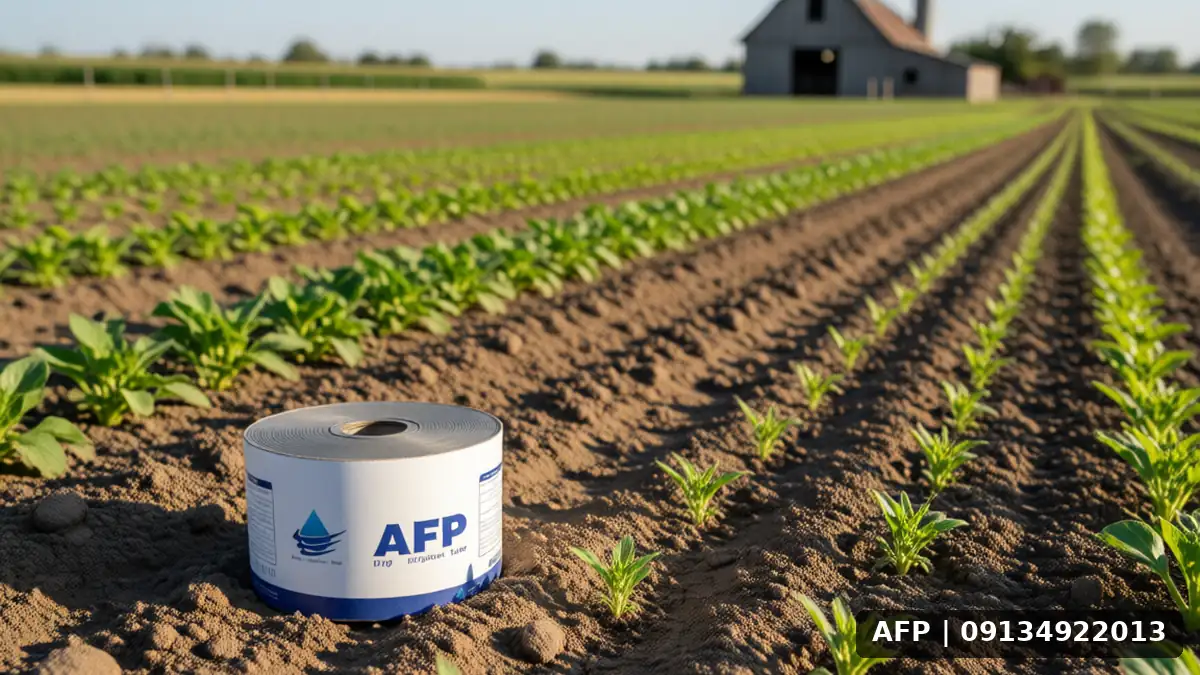
- Use of quality lines: Never use unbranded lines to reduce costs. The cost of purchasing quality lines is far lower than the cost of their frequent replacement after one growing season.
- Network integrity: Design the network so that the pressure at the end of the field equals the pressure at the beginning. Lack of uniformity causes energy waste and premature failure of valves.
- Filter maintenance: Weekly cleaning of disc or sand filters (low cost) is required to prevent clogging of subsurface lines, as cleaning those is very expensive.
- Utilizing free consultations: Many manufacturers offer free initial network design consultations. Use these services to avoid costly design errors.
Answers to Frequently Asked Questions (FAQ)
Is subsurface irrigation installation logical for small chive farms?
For farms under 5 hectares, return on investment may be long due to high design and installation costs. In these cases, drip lines with high-quality hoses are a better option. However, for larger farms with high water withdrawal volumes, this method is more economically viable.
How can I prevent subsurface line clogging?
Using high-quality water, installing a two-stage filtration system, and performing regular purging (air venting and backwashing) at the beginning of the season are the most important preventive factors. Additionally, the use of acids to control mineral precipitation is recommended in some cases.
What is the main cost difference between drip and subsurface irrigation?
In drip irrigation, maintenance costs are low, but water costs are higher due to evaporation. In subsurface irrigation, the cost of maintaining lines is high, but water consumption is more optimal. Choosing between the two depends on local water prices and energy costs.
Summary and Conclusion
Despite its high sensitivity to water deficit, chives cultivation can achieve both high yields and reduced operational costs by utilizing modern irrigation technologies. Although systems subsurface irrigation require a higher initial investment, with smart management and the selection of high-quality equipment, they can prove their economic attractiveness in the long term by reducing water and energy costs. It is recommended to calculate costs carefully before any action and, if necessary, use technical consulting to optimize network design. Awareness of crop and irrigation details can help prevent resource waste and increase farm profitability.
Related articles: Rye harvest yield per hectare, melon seed quantity per hectare planting density table, Canola seed rate per hectare: Comprehensive guide + Influencing factors