Smart Irrigation in Spinach Cultivation: Comprehensive Guide
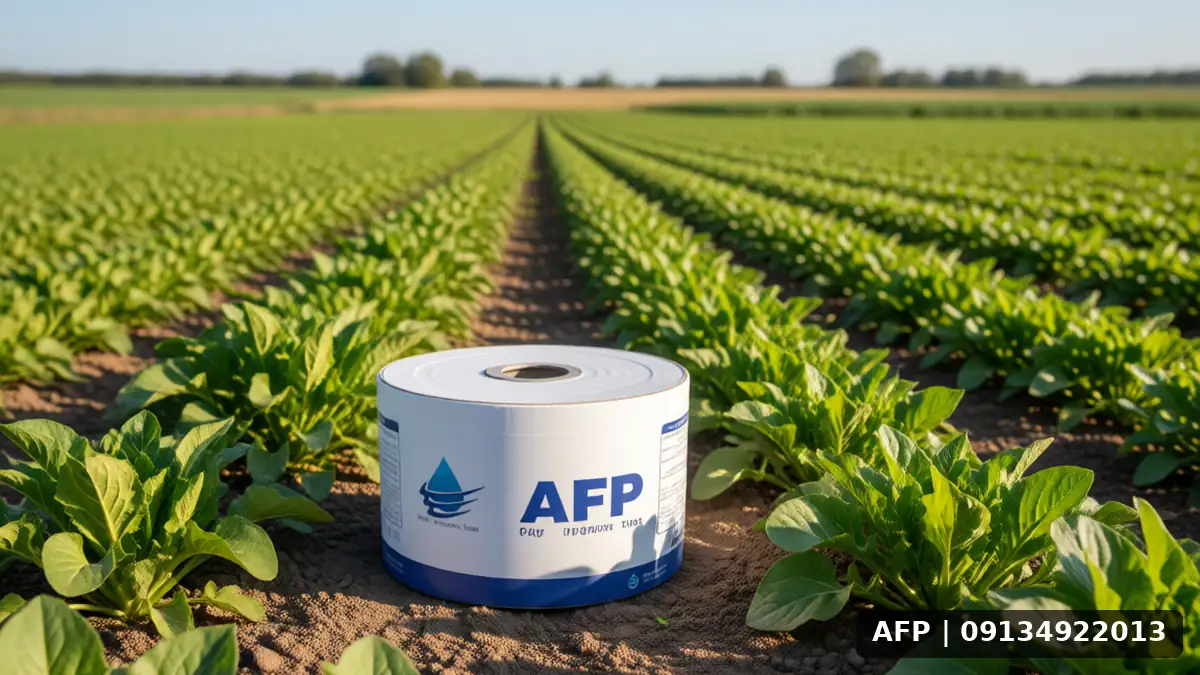
Modern agriculture appears impossible without leveraging new technologies, especially in the water resources sector. Smart Irrigation of Spinach It is not just a new trend, but a necessity for preserving vegetable quality and properly managing water resources. Spinach is a short-season crop with high sensitivity to drought and root pathogens; therefore, selecting the appropriate irrigation method can determine the final yield. In this guide, we aim to delve deeper into technical and operational topics so that you can fully benefit from the advantages of modern irrigation systems.
The Importance of Smart Irrigation in Spinach Cultivation
Due to its large leaves and rapid growth, spinach requires high water intake. However, the main problem is the uneven distribution of water. In conventional systems, a portion of the water is lost to evaporation, while another portion goes to leaching nutrients from the growing medium. Smart irrigation, using soil moisture sensors and computational algorithms, delivers water precisely when the plant needs it. This approach helps prevent root rot and ensures uniform growth rates across the entire farm. Therefore, the amount of spinach seed per hectare should be adjusted precisely to match the irrigation schedule to ensure plant density aligns with the water injection rate.
Differentiating Between Drip and Tape Systems for Vegetables
Two primary methods for irrigating vegetables such as spinach are drip systems and tape systems. Understanding the differences between these two is the first step in making the correct choice.
- Drip irrigation: In this method, water droplets are released gradually at low pressure directly into the plant’s root zone. This method is the best option for row crops with narrow spacing. Its main advantage is maintaining high soil surface moisture while preventing the growth of weeds, which typically require more water.
- Strip line irrigation: In this method, a narrow strip of the crop bed is kept permanently moist. Strip line is ideal for providing better coverage for spinach roots, which grow at a shallow depth. If you want to learn about the precise operation of this system, reading the article Strip line irrigation flow rate can be useful. In this system, the water flow is constant and continuous, which is highly effective for plants sensitive to short-term drought stress, such as spinach.
Choosing between these two methods depends on the field soil type, the seed used, and the field infrastructure. For light soils, strip line is often more efficient because the water infiltration rate is higher.
Engineering Spinach Water Requirements
For smart irrigation to be truly operational, you need a strong computational foundation. The water requirement for spinach is a function of temperature, wind speed, and relative humidity. However, one fixed and critical parameter is the rooting requirement.
For more accurate calculations, you can use water replacement formulas detailed in the article Rainfed Irrigation of Crops and Their Effects in detail. However, for spinach, direct soil watering takes priority over reducing nutrient loss. Additionally, planting density management is critical; if plants are planted too densely, competition for water increases and the smart system cannot maintain balance. In this regard, familiarizing yourself with Yield of Mexican Corn per Hectare can serve as a benchmark for understanding plant density in field surface units, even though spinach has different physics. The main key is matching seed density with the diameter of the irrigation lines.
Practical Tips for Correct Implementation
After the theoretical design phase, practical implementation on the farm begins. Common errors during installation and operation can neutralize all the benefits of smart irrigation.
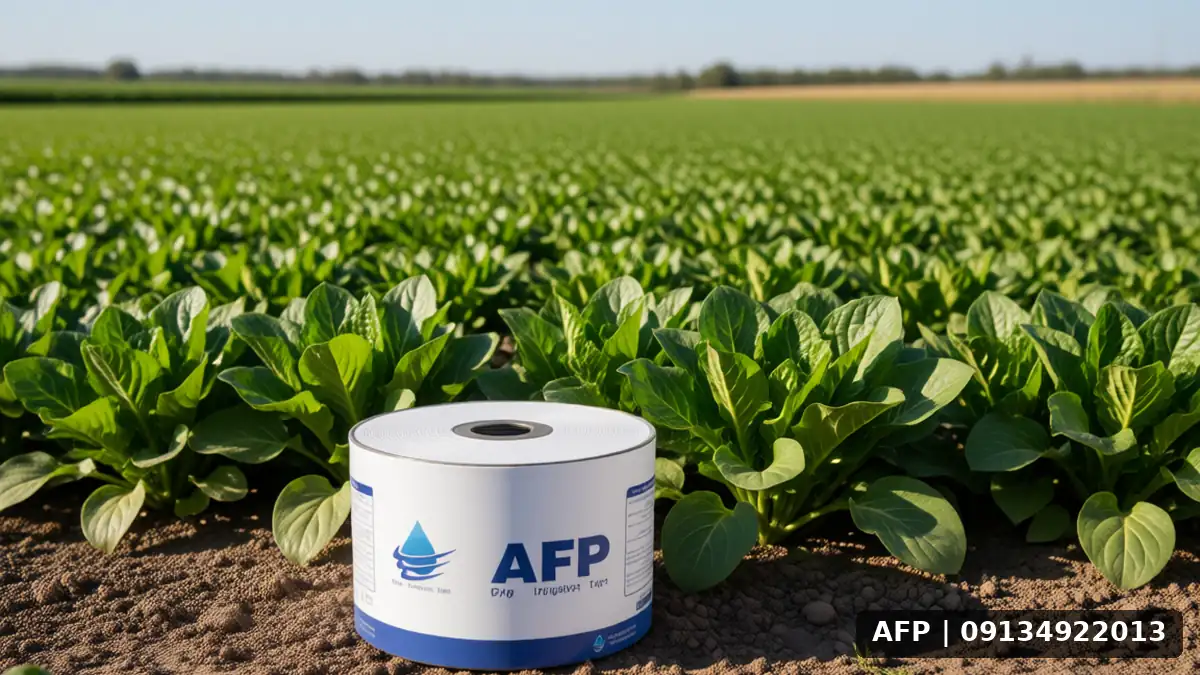
- Inspection of plastics: Tape and drip irrigation pipes are exposed to direct sunlight and soil heat. Regular checks of drip emitters are essential to prevent clogging from sediment.
- System flushing: Spinach is typically grown in conditions with a high risk of bacterial diseases. The irrigation system should be flushed every 3 months with specific antimicrobial solutions to prevent blockages in the water delivery lines.
- Pressure monitoring: Pressure exceeding 2 bar at the farm inlet can cause tape lines to burst. Precise adjustment of valves and pumps is important.
In addition, attention to irrigation water quality is essential. Water hardness can clog microspray nozzles over time. If your well water has a high salt content, it is appropriate to use disc filters followed by mesh filters. Finally, when evaluating the project’s economics, you should not ignore the role of irrigation, as energy savings in pumping and reduced labor are the main drivers of return on investment. Studying performance data, such as crop yield per hectare, can help you compare your final efficiency with national averages and identify areas for improvement.
Frequently Asked Questions (FAQ)
Is the microspray system more suitable for spinach than drip irrigation?
For densely planted spinach, the microspray system provides better coverage. However, for row planting with wider spacing, drip irrigation offers higher precision and reduces waste.
How often should irrigation be performed?
In a smart system, this timing depends on sensors and temperature. Typically, in summer, two to three short irrigation sessions per day are more effective than one long session.
Can fertigation be used through the irrigation system?
Yes, using drip tapes for fertigation is excellent, but you must use non-sediment solutions to prevent line clogging.
Conclusion
Developing a plan Smart Spinach Irrigation It is a multi-stage process starting with precise seed density calculations and ending with the fine-tuning of the pumping and drip tape systems. The ultimate goal is to achieve the highest yield per liter of water. Since spinach is a hardy yet sensitive crop, investing in precision equipment and continuous monitoring is always more cost-effective than traditional, expensive methods. Farmers are advised to review performance data, such as vegetable yield per hectare, before the planting season begins to set realistic targets. Success in spinach cultivation is a combination of soil science knowledge, hydraulics, and patience in system monitoring.
Related articles: Rain pipe price, mobile purchase D985D987 spray