Smart Irrigation for Corn Crops: A Practical and Comprehensive Guide
Introduction to Smart Corn Irrigation
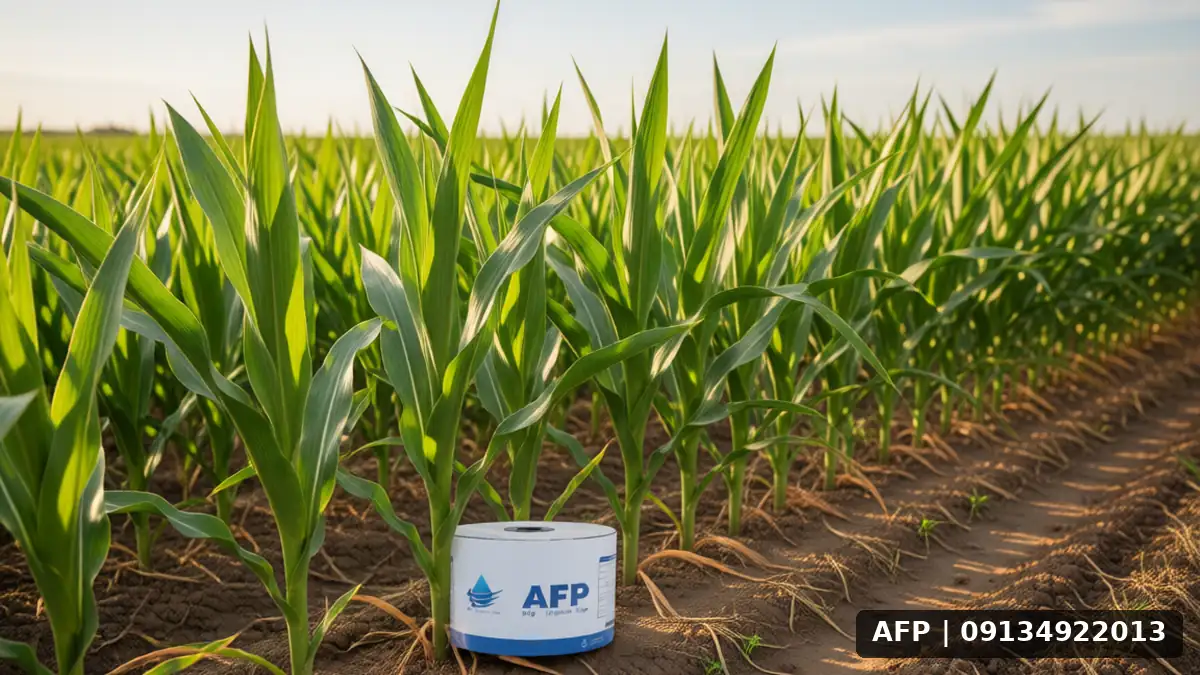
As one of the world’s most important food and feed crops, corn requires significant amounts of water. However, the main challenge for modern farmers is optimizing water resource management under high-pressure climatic conditions. Smart Corn Irrigation By utilizing drip and tape line systems, a solution is provided that enables precise water distribution in the root zone. This method not only prevents water wastage but is also effective in reducing the spread of fungal diseases due to decreased soil surface moisture. Given that corn is a deep-rooted plant, gradual water application at the optimal depth plays a significant role in its vertical and horizontal growth. In fact, the goal of employing modern technologies is to achieve a balance between water supply and plant demand to prevent physiological stress during sensitive stages.
In this guide, we attempt to examine the technical and practical aspects of applying these systems for corn cultivation. The importance of selecting the appropriate type of tape line and adjusting emitter spacing based on the local climate is a factor that must be considered. Additionally, assessing the impact of smart irrigation on growth and yield is a key topic that we will address later. We believe that combining agronomic knowledge with precision irrigation tools is the key to success in corn farming. When a farmer can monitor water patterns in real-time, they can make better decisions to reduce energy costs and increase profitability. Therefore, this article focuses on technical details to bridge the gap between theory and practice for interested readers.
Basic Principles of Drip and Tape Line Irrigation Systems
Drip irrigation systems deliver small, controlled drops of water, placing moisture locally around plant roots. In row-crop cultivation such as maize, drip tape for beans—comprehensive drip irrigation guide—can serve as a model for understanding the similar application of this system in other row crops like maize. Drip tape is widely popular on rainfed and irrigated farms due to its low cost and quick installation. The appropriate selection of drip tape hole spacing directly affects irrigation uniformity and the growth potential of maize seedlings. To better understand these concepts, one may refer to Drip tape for beans the equipment selection principles, which are similar for growing plants. When using drip tape for maize, care must be taken to ensure that the emitter spacing aligns with the sowing row width so that water is delivered precisely to the root zone. This alignment prevents leaching of soil nutrients and promotes more efficient plant nutrition. Additionally, the plastic material used in drip tape construction must be resistant to ultraviolet radiation to ensure the system’s durability under hot summer conditions.
The importance of irrigation management at different growth stages of maize
Maize water requirements vary across different growth stages. From the seedling stage to grain formation, water stress can have adverse effects on both the quality and quantity of the yield. Smart irrigation It enables precise monitoring of soil moisture and adjustment of irrigation timing based on plant needs. For example, during the germination stage, the plant is still weak and requires high moisture in the upper soil layers. However, as time passes and root depth increases, irrigation depth must be increased to encourage roots to move deeper into the soil. This dynamic water management is a key feature of smart systems. A farmer should not set an irrigation schedule once and then forget it; instead, adjustments must be reviewed daily based on climatic data and field conditions. This dynamic approach minimizes water waste and improves final grain quality. Ultimately, the goal is to achieve a sustainable crop that yields optimal returns without the need for additional irrigation.
The Impact of Soil Type and Climate on the Irrigation Schedule
Sandy soils, due to their high permeability, require more frequent irrigation with smaller volumes. In contrast, loamy soils, with their higher water retention capacity, can have longer irrigation intervals. For optimization, the use of soil temperature and climatic indices is recommended. In this regard, the study Lettuce seed rate per hectare This may be useful in terms of general principles of planting and monitoring at the farm level, although corn is a crop with different needs. When we use soil moisture sensors, we can become well acquainted with soil behavior under different conditions. For example, in heavy soils, saturation occurs earlier and the risk of oxygen deficiency for the roots increases. Therefore, precise calibration of the irrigation system with the soil type is the first step in designing an efficient system. Also, wind direction and shading from neighboring land have an effect on evapotranspiration, which should be considered in irrigation calculations. These subtle details are what distinguish an ordinary system from a truly intelligent one.
Practical strategies to reduce water stress
- Using soil moisture sensors to accurately schedule irrigation and prevent blind irrigation.
- Adjust the irrigation system pressure to prevent water splashing and improve efficiency; high pressure may cause stress on the drip line.
- Cover the drip line with soil or mulch to reduce evaporation and maintain moisture in the root zone even during extreme daytime heat.
Comprehensive guide to implementing smart irrigation in corn cultivation
Implementing a smart irrigation system requires precise pre-planting planning. The choice of drip tape type, flow rate from emitters, and corn row spacing all affect the overlap of wetting fronts in the soil. This section outlines the key points for successful installation and commissioning of drip irrigation systems in corn fields. Incorrect installation can create alternating dry and wet spots, negatively affecting crop uniformity. Therefore, accuracy during installation is essential for proper performance in subsequent stages. Additionally, training farm staff on operating control panels and interpreting data is critical. Technology is only valuable when skilled operators know how to use it. Equipment selection details follow below.
Selecting Appropriate Drip Tape and Emitters
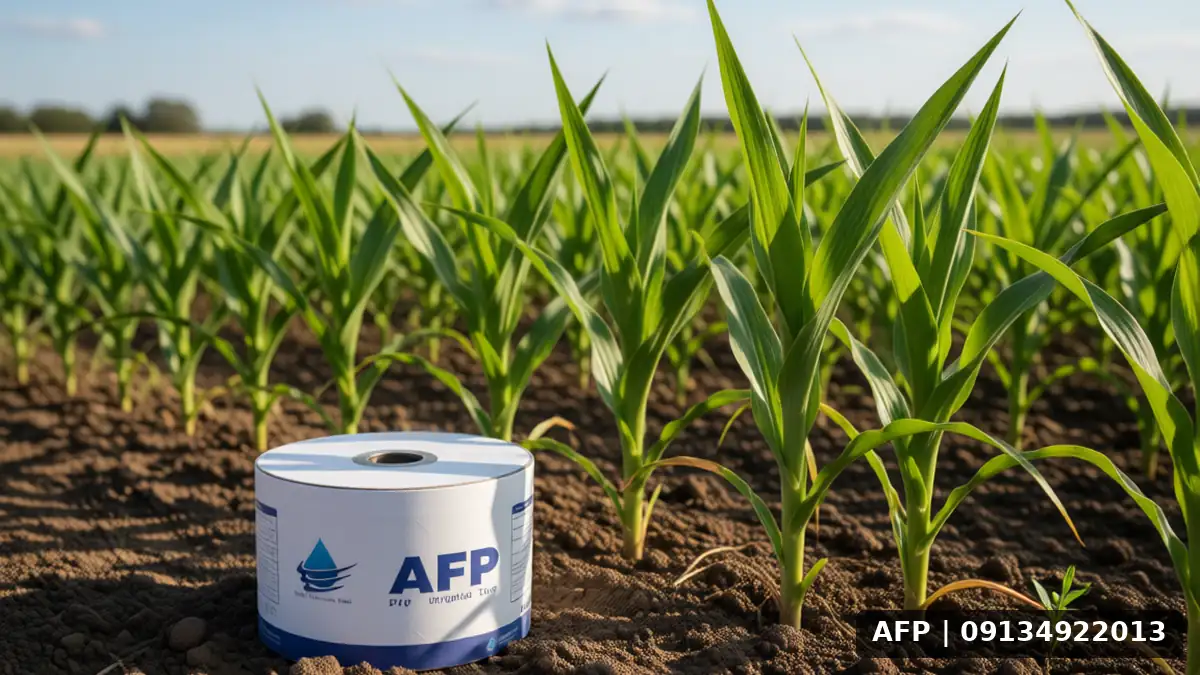
Recovery-Resistant (RE) drip tapes are better suited for multi-year crops, while disposable tapes are more economical for seasonal crops. For corn, deeper root zones benefit from tapes with larger orifices and wider spacing, which provide better coverage. For a deeper understanding of material selection and sizing principles, refer to the next section. Pepper Drip Tape This can be beneficial, as pepper is also a row crop requiring precise irrigation. When selecting drip emitters for corn, attention must be paid to internal filtration capability. Corn is sensitive to material deposition in the system, and clogged emitters can lead to plant death in specific lines. Additionally, some emitters feature automatic vent holes, which can allow entry of insects or rodents. These extra features may increase costs but significantly reduce blockage-related problems in the long run. Therefore, product selection should be based on a Cost-Benefit analysis, not merely the cheapest option.
Optimal irrigation timing and volume
- Vegetative stage: Shorter and more frequent irrigation to help saturate the soil around the roots and create an appropriate bed for initial growth.
- Rapid growth stage (tillering): Increase irrigation volume due to increased green biomass and the need for transpiration-driven nutrient uptake, which peaks at this stage.
- Flowering and grain formation stage: High plant sensitivity to water stress; maintaining optimal moisture at a depth of 30 to 60 cm is essential to ensure grain quality.
Practical Tips and Answers to Frequently Asked Questions
Farmers often face technical and operational challenges in maintaining irrigation systems. Tape hose leaks, sediment buildup, and pest damage are among common issues. Solutions for clearing lines and using appropriate filters are integral parts of system maintenance. Additionally, integrating smart irrigation with fertigation systems can significantly increase efficiency. In the fertigation process, fertilizer is delivered to the roots through the same water tapes, leading to fertilizer savings and improved uptake. This dual function of irrigation and fertilization is one of the main reasons for the popularity of these systems. The next section addresses the most common questions to provide a comprehensive understanding of daily challenges.
Frequently Asked Questions (FAQ)
Is tape hose suitable for corn?
Yes, tape hose can be used as a cost-effective alternative to fixed drip systems, provided the emitter spacing is adjusted to match the corn row spacing.
Is drip irrigation expensive?
Despite the initial cost, long-term savings in water and labor ensure the economic viability of this system.
How can I prevent tape hose blockages?
Using appropriate filters and adjusting the water pH before it enters the system is the key.
For more details on the durability of drip irrigation systems against wear and climate changes, see the study Yield levels of corn varieties It is recommended that [principles] addressing irrigation environment health maintenance be followed. Additionally, understanding how irrigation affects final yield provides motivation to optimize the system. Farmers can observe a return on their investment costs within a few growing seasons by increasing efficiency. This economic perspective is a crucial part of the decision to install these technologies and should not be ignored.
h2>
Use of Smart Corn Irrigation Especially with drip and tape systems, this is a necessary path for sustainable and high-efficiency agriculture. By adhering to installation principles, scheduling irrigation based on growth stages, and maintaining the system regularly, the production potential of corn can always be leveraged under water-scarce conditions. Successful farmers are those who combine technology with applied knowledge and make decisions based on their farm conditions. The future of corn cultivation is undoubtedly linked to the smart automation of irrigation processes, and investment in this sector is an investment in our future food security. By following the guide provided in this article, effective steps will be taken towards optimal resource management.
Related articles: lettuce seed quantity per hectare irrigation tips, drip tape for beans guide, Pepper tape system, Yield of corn varieties