Node Irrigation in Cucumber Cultivation: A Comprehensive and Practical Guide
Introduction to Node Irrigation in Cucumber Cultivation
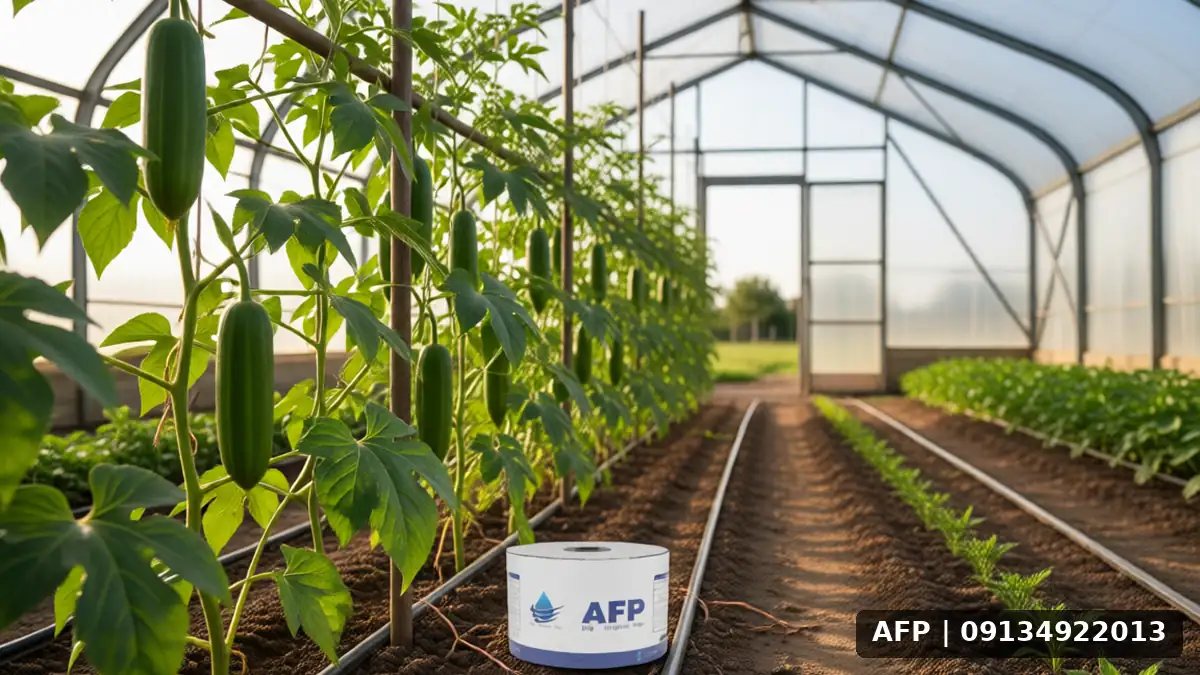
Cucumber is one of the most consumed garden and greenhouse crops. Due to its high sensitivity to moisture and temperature, proper irrigation management plays a critical role in determining yield and quality. In recent years, Node Irrigation has emerged as a suitable alternative to conventional methods, as it is one of the most precise forms of drip irrigation. In this method, water is released in a regulated manner with controlled discharge directly into the root zone. This not only reduces water consumption but also prevents excessive wetting of the plant canopy, thereby reducing fungal diseases such as downy mildew (Pseudoperonospora) and anthracnose. Given the rapid growth rate of cucumbers and their continuous need for uniform moisture, the use of appropriate irrigation nodes can significantly enhance yield efficiency.
Understanding the Technical Principles of Cucumber Irrigation Nodes
Node Combination and Working Pressure
Node groups for cucumber cultivation are typically designed to operate at 1 or 2 bar. Greenhouses with low-pressure systems and high ambient temperatures require precise adjustment of the inlet pressure. If the inlet pressure to the nodes exceeds the design pressure, the output discharge increases, resulting in uneven irrigation. It is recommended to use pressure regulators to ensure that the discharge from the nodes at the beginning and end of the line remains uniform.
Selecting the Number and Spacing of Nodes
The number of emitters per meter of drip line length is determined based on row spacing. In dense cucumber cultivation, emitters are typically spaced 10 to 15 centimeters apart. Inline emitters are more popular at larger scales due to easier installation and lower cost. The key point is that the emitter output pattern must provide complete coverage of the deep root zone to ensure uniform nutrient uptake.
Practical Guide to Installation and System Management
System Hygiene and Preventing Clogs
Cucumbers are susceptible to mineral deposits and organic sediments, which necessitates a robust filtration system. Install screen filters with 120 or 150 mesh and disc filters at the system inlet, respectively. Weekly flushing of filters with chlorine or white vinegar minimizes the risk of emitter clogging. Signs of clogging include irregular water discharge, dry spots in certain areas, and uneven leaf yellowing. If these signs are observed, emitters must be promptly inspected and cleaned.
Irrigation Scheduling Based on Plant Needs
Many farmers mistakenly irrigate solely based on a predetermined schedule. Using soil moisture sensors (Tensiometers or Capacitive Sensors) is the best way to optimize irrigation. Cucumbers require more irrigation during the vegetative growth stage than during the fruiting stage, when roots grow deeper. The table below provides a general guide; however, it must be adapted to local climatic conditions:
Optimizing soil moisture and nutrient management
Drip irrigation enables precise fertigation. In this system, crop-specific and grain-specific solutions are delivered directly to the root zone. A common error is adding lime and phosphate simultaneously with iron; this combination precipitates and clogs the emitters. Always use separate tanks for incompatible solutions. To read more about precise nutrient management in cucumber cultivation, you can read the guide on maintenance and management of drip lines, which is a comprehensive guide for adjusting pressure and flow rate.
Additionally, irregular moisture regulation can lead to fruit cracking and reduced shelf life. Regular monitoring of soil moisture with a handheld moisture meter is recommended for every orchard plot, especially during the warm season. If you observe signs of root water stress, short-duration deep irrigation helps alleviate root stress.
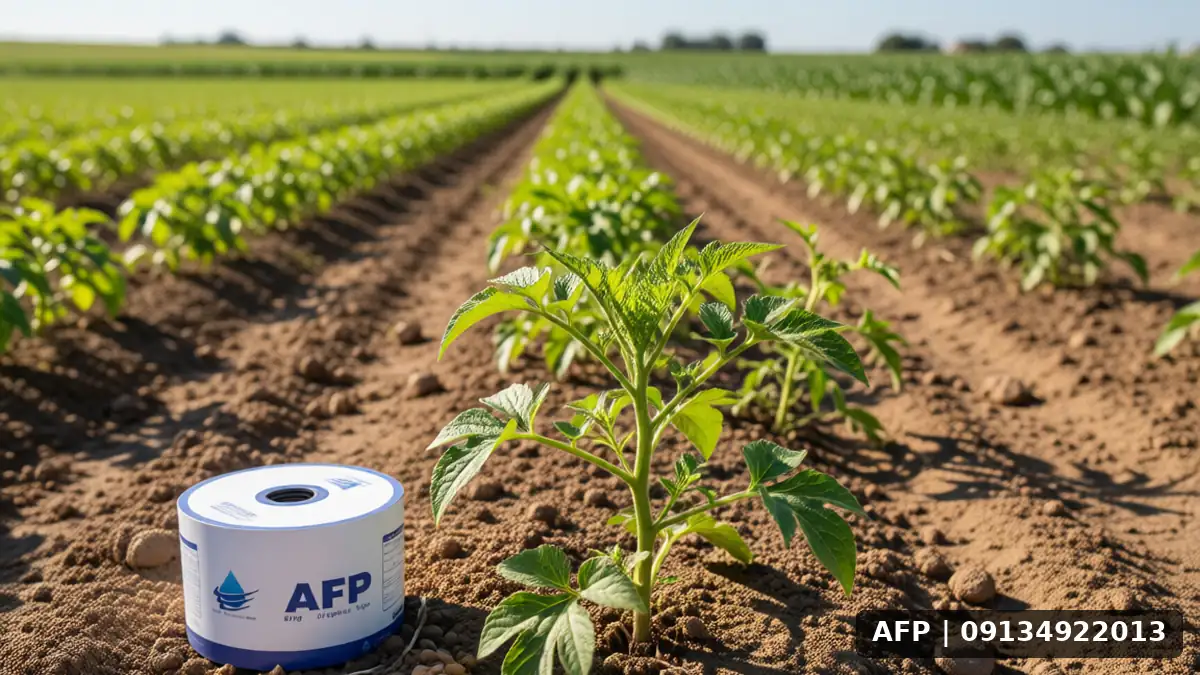
Practical tips for closed greenhouses
- Line pressure monitoring: Check the input and output pressure of the system with a manometer every 2 weeks. A pressure drop exceeding 20 percent indicates clogged emitters or leaks.
- End-of-day flushing: Set the system to automatically flush with plain water for 5 minutes every night so that sediment is removed before the crop goes dormant.
- Selecting mulching cover: Using white or black plastic under the emitters keeps soil temperature stable and prevents weed growth, which directly benefits emitter performance.
To better understand the impact of drip systems on efficiency and energy cost reduction, refer to the article: Basil yield per hectare which can also provide insight into the economic potential of precision irrigation systems in high-value crops.
Frequently Asked Questions (FAQ)
What is the difference between inline emitters and drip-in-line emitters?
Inline emitters are installed separately at the emission points, and if they clog, only that specific emitter needs to be replaced. Drip-in-line emitters are manufactured with the tube in the factory, and if clogged, the entire section of tubing must be discarded. For cucumbers, which are sensitive to root diseases, inline emitters are recommended due to their superior cleanability.
Does the use of irrigation emitters reduce the need for fertigation?
Yes. Due to the precise distribution of water and nutrients in the root zone, lower fertilizer doses can be delivered to the plant with higher efficiency. This is particularly important in greenhouse crops using soilless substrates (Hydroponics) or perlite. To familiarize yourself with nutrient management principles in various substrates, you can review the article on key points before installing drip lines in the field.
How can we prevent roots from extending beyond the node zones?
By adjusting planting depth and using emitters that direct water output vertically toward the roots. Additionally, reduce the soil moisture in the top 20-centimeter layer to less than 30% absolute to encourage roots to grow deeper. This technique helps strengthen the cucumber’s root system and increases the plant’s resistance to climatic stresses.
Conclusion
Proper implementation Node irrigation In cucumber cultivation, a multi-pronged approach is required, including the selection of appropriate equipment, precise management of pressure and humidity, and regular system maintenance. This method increases crop potential and reduces water consumption. Farmers are recommended to use modern sensors for optimization and to learn from successful experiences of others. To expand your knowledge on precision irrigation and garden crops, read the article Complete Guide to Alfalfa Water Requirements per Hectare as a water management model for agricultural crops, which shares similar principles with cucumber cultivation.
Related Articles: harvest yield black radish hectare factors, rozmary hosildori dar yak gektar