Beetroot Maintenance with Drip Tape: Key Tips to Boost Yield and Cut Costs
Introduction to the Importance of Drip Line Maintenance in Sugar Beet Cultivation
Sugar beet is a crop highly sensitive to water stress, where root quality directly impacts sugar content and farmer profitability. While drip and drip-line irrigation systems offer up to 40% water savings compared to sprinkler irrigation, their high susceptibility to clogging and physical damage requires precise management and regular drip line maintenance . Many farmers believe that purchasing high-quality equipment completes the task, whereas 50% of system success lies in the operational and maintenance phase.
The objective of this article is to provide a practical checklist for preventing water efficiency losses and increasing sugar beet root yield. We utilize field experience from mature sugar beet crops to clarify technical nuances. To better understand piping mechanisms and pressure throughout the season, you can study the article on differences in Amin Irrigation System drip lines to grasp the theoretical foundations more clearly.
Specific Characteristics of Sugar Beet and Their Impact on Drip Line Maintenance
Correlation Between Root Growth and Water Emitter Location
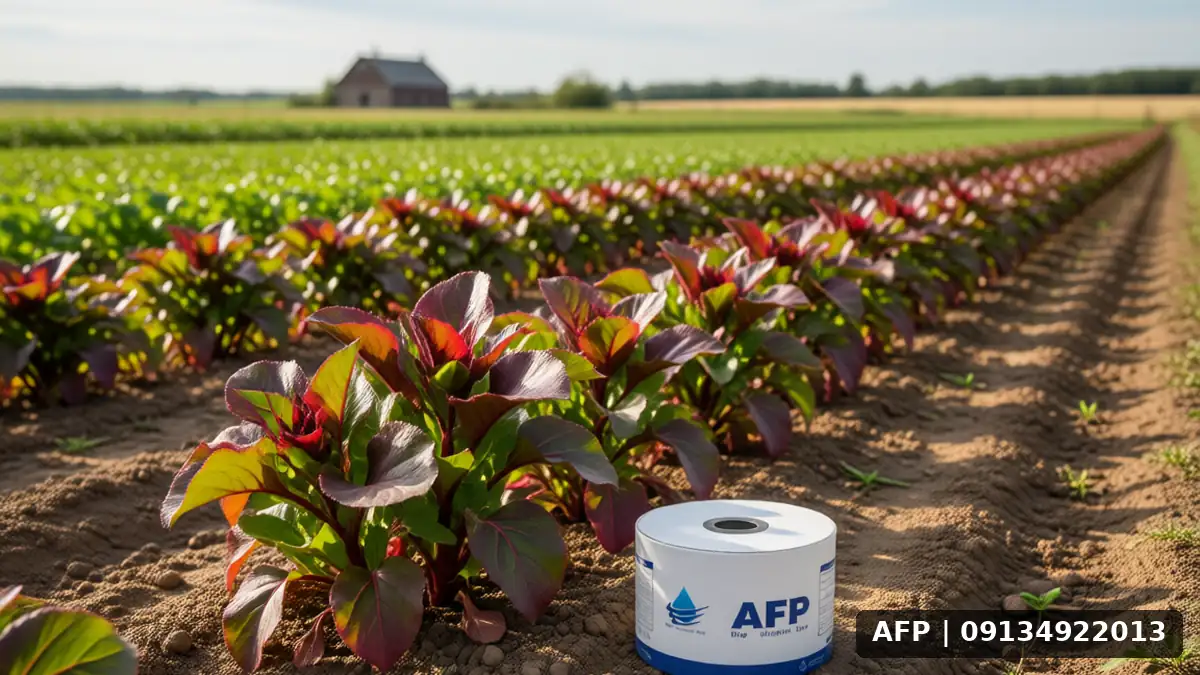
The sugar beet root is a deep-rooted system that can reach 1 meter in depth during the growing season. Drip lines are typically placed at the soil surface (15 to 20 centimeters). The main maintenance challenge arises because, as the plant’s vegetative growth progresses, plant canopy can cover the drip line or exert physical pressure on it. Therefore, Visual inspection of the tape from under the plant bed It is essential to inspect every 15 days to ensure the tube is free of wrinkles or breaks.
Sensitivity to water salinity and pH
Beet is sensitive to soil and water acidity. If the irrigation water pH is above 7.5, salt precipitation can block the tape emitters. During system maintenance, you must use an appropriate acidifier and keep the filter output pH below 6.5. This prevents “scale formation” inside the tube. Additionally, using a suitable filter, as introduced in the article Cumin seed rate per hectare introduced as a water-absorbing agent, may have a direct link to the need for more precise filtration, as finer particles are more soluble in non-organic soils.
Practical tips for periodic drip tape flushing
Why is backwash flushing performed?
The most important part of maintenance is the backwash flush. In drip line systems, water flow always moves from the head to the tail. Sediment and algae accumulate on the tail end (last point). If not removed, the final emitters will clog and irrigation uniformity will be lost.
- Optimal timing for flushing: At the end of each irrigation session, for 5 to 10 minutes.
- Operational procedure: Close the valves at the head of the system and open the valves at the tail to reverse the water flow, pulling sediment toward the filter.
- Key Note: Before each flush, completely clean or replace the filter to prevent fine particles from re-entering the main system.
Neglecting this step is the most common cause of drip tape failure in the final months of the sugar beet season. To ensure the overall health of the network, review the drip irrigation installation principles; if the tubing was installed with an incorrect slope from the start, a backflush will be ineffective.
Pressure Management Inside the Tubing
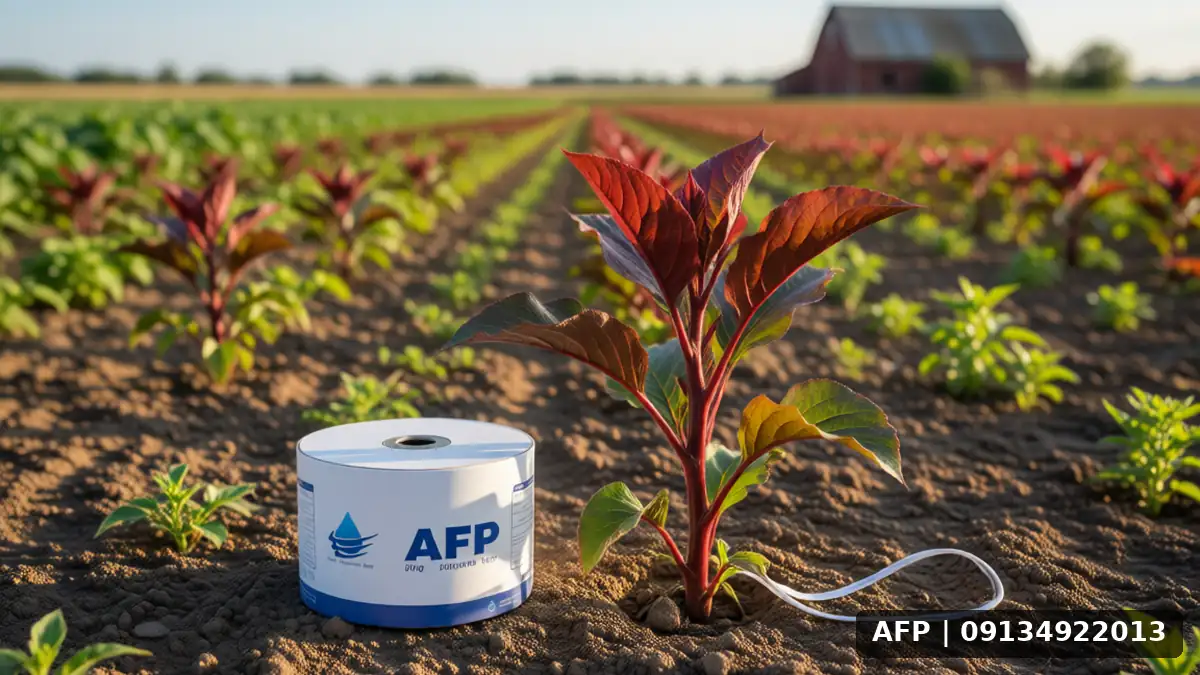
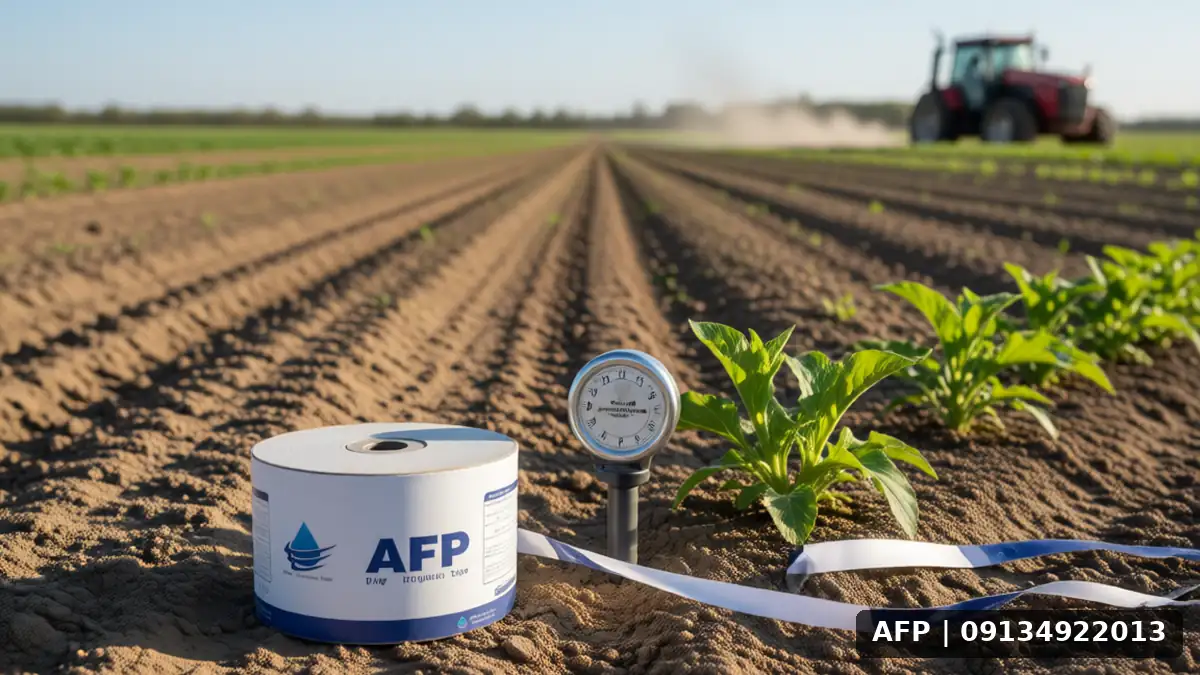
Pressures exceeding 3 bar in thin drip tapes cause the tubing wall to rupture at connection points or textured areas. During flushing, pressure should remain close to the system’s design limit. If you use older pumps, always use a pressure regulator. Pressure fluctuations are the primary enemy of drip tape lifespan. A standard drip tape with properly sized emitters can operate for up to 120 days without issues, provided the pressure remains stable within the 1 to 2.5 bar range.
Common Issues and Troubleshooting Solutions
Clogging of emitters due to algae
In hot and humid regions, algae growth inside drip tape is common. Symptoms: water flow in the emitters stops or trickles out. Solution: use agricultural-grade antimicrobial agents combined with steady flow. Perform this process when the crop has low sensitivity to spraying. Sugar beet is sensitive during the first 10 weeks; therefore, chemical treatment of the network should only be done mid-season and under expert consultation.
Physical damage caused by animals and equipment
Moles, mice, and rodents may gnaw on drip tape pipes. Additionally, backhoe movement during sludge removal can tear the tape. Solution: install mesh at network inlets and exercise extreme caution during field operations. To prevent water loss from sudden ruptures, use quick-break valves (breakers) so that flow across the entire line stops if the tape is cut. This safety system is similar to pressure control concepts discussed in the article on lettuce yield and plants per hectare, which emphasizes precise control of environmental variables.
Ancillary equipment and filtration maintenance
Drip tape without proper filtration is like driving on a dirt road; it breaks quickly. Disk filters are recommended for drip tape because the emitter apertures are small (2 mm intake size). Open the filter weekly for cleaning. If using well water, deposits are sedimentary and accumulate rapidly. If using qanat water, there are more aluminous deposits and algae. The water source type directly affects the filter cleaning cycle.
Frequently Asked Questions (FAQ)
- Can drip tape be washed with acid?
Yes, but only with citric acid or hydroxy acids at low concentration. Strong acids such as sulfuric acid can halt the function of or erode the polyethylene tube material. Always adjust the acid pH to between 4 and 5. - When should I replace the drip tape?
Replacement is mandatory if 20 percent of the emitters are blocked or broken. Additionally, if the tube wall has lost its transparency and become cloudy, this indicates a loss of mechanical safety factor. - Can the tape be stored for the next season?
No. Solar UV radiation and temperature fluctuations cause the tape plastic to dry out and become brittle. Collect and destroy used tapes at the end of the season, or follow the manufacturer’s instructions to store them only in dry, dark warehouse conditions for a maximum of 1 month. It is better to install new tape for each season. - What is the water consumption reduction for beetroot using this method?
Studies indicate that with optimal flushing and pressure regulation, water consumption can be reduced by up to 30% compared to furrow irrigation. This savings directly contributes to root yield. For a comparison of efficiency, look at Price of mobile purchase of rain pipe from Pash so that you can understand how much higher the alternative costs are.
Final Summary
Sugar beet drip irrigation maintenance is a dynamic process, not a one-time event. Regular backwash, pressure monitoring, and filter review are the main pillars of success. A properly maintained system leads to higher yield, more uniform root systems, and a significant reduction in labor. Modern sugar beet farming without precise water resource management is not viable in the long term. By implementing these protocols, you will not only produce a better crop but also extend the lifespan of your equipment investment.
To expand your knowledge of yield optimization across various crops using drip irrigation, you can review my article on inline sprinkler systems, which exemplifies precision management in modern farms. Finally, always remember that the best pipeline is the one that is properly washed. Good luck.
Related articles: Related article Related article Related article Related article Related article D988 Related article, rye harvest per hectare factors increase yield