Drop and Tape Irrigation Cost Analysis for Soybean Farms
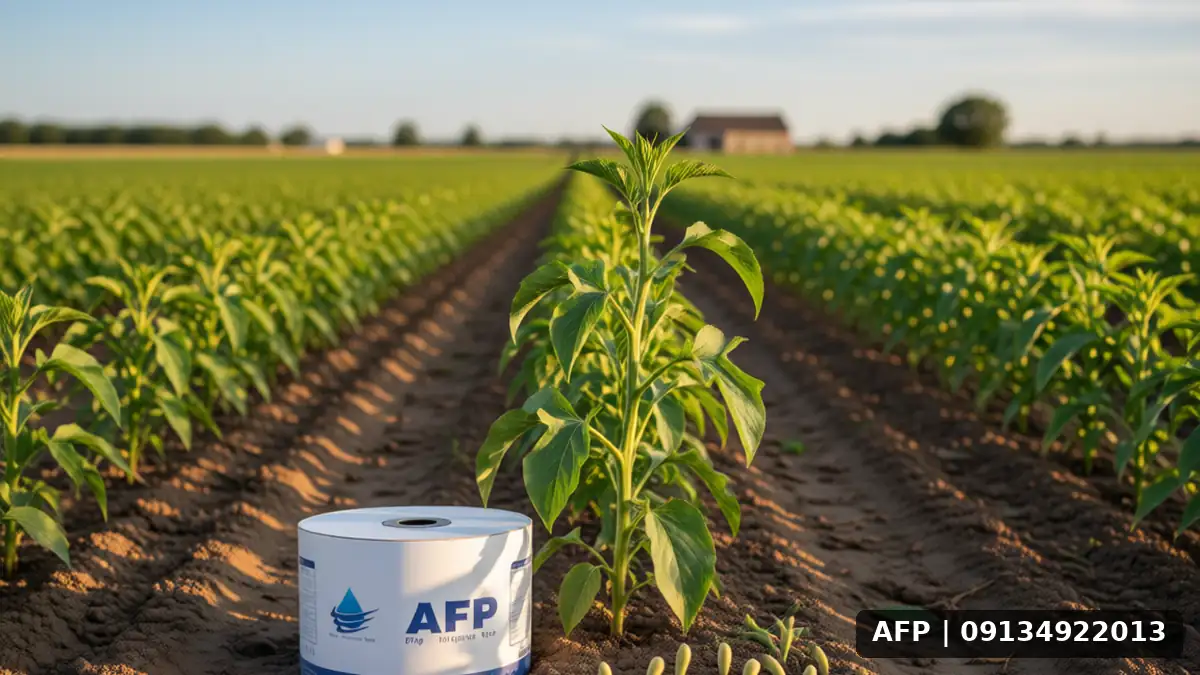
The economic efficiency of soybean farms today depends on selecting the correct irrigation method. Many farmers are concerned about the cost of field irrigation and need practical solutions to reduce water and energy consumption. Two advanced methods, drip irrigation and strip-type irrigation, are popular options that can significantly increase soybean yield through precise design and installation.
Why does soybean require precise water management?
Soybean is sensitive to water stress during the flowering and seed-setting stages. High water consumption at this stage, without uniform distribution, can lead to reduced yield and seed quality. Precision irrigation systems, by supplying water directly to the root zone, enhance root absorption and reduce soil surface evaporation. This characteristic makes strip-type and drip irrigation the top choices for soybean cultivation.
Benefits of drip irrigation in soybean fields
- Reduction in water consumption by 30-50% compared to surface irrigation
- Reduction in weed growth due to dry inter-row spaces
- Possibility of fertigation alongside irrigation
- Reduced energy consumption due to low system pressure
If you have a better understanding of Soybean seed rate per hectare and influencing factors you can adjust the irrigation schedule more accurately. Knowing plant density helps align the drip emitter tables and spacing with the actual needs of soybeans.
Initial and operational costs of irrigation systems
Calculation Irrigation cost in a soybean field Includes two main categories: fixed (capital) costs and variable (operational) costs. Understanding these two components helps farmers create more accurate budgets.
Operating costs include the depreciation of pipes and components, pump electricity costs, filtration costs, and maintenance. Due to its greater simplicity, the tape drip system has low maintenance costs, but tapes may wear out sooner if used improperly. In contrast, the point-source drip system, with its longer emitter lifespan, may be more cost-effective in the long term. The key point is that the cost of achieving full yield per hectare must also be considered in return-on-investment calculations.
Factors affecting final cost
- Farm area: The larger the farm, the lower the cost per unit area.
- Water source quality: Muddy or sediment-laden water increases filtration and cleaning costs.
- Selected system type: Drip is more precise but more expensive; sub-surface drip is cheaper but less precise.
- Land slope potential: Steep slopes require pressure adjustment and a larger mainline.
- Inter-crop planting: If soybeans are intercropped, the system design must be modified.
Practical tips for reducing farm costs
By following the points below, you can minimize soybean irrigation costs and maximize efficiency.
- Correct system design: Before purchasing, have an irrigation engineer perform a model. Incorrect design is the primary cause of water waste and extra costs.
- Selecting the appropriate drip tape: For soybean, the drip tape wall thickness must match root density. Understanding the ideal drip tape wall thickness will help you prevent tape melting and early degradation.
- Filter management: Inspect and clean the filter weekly. Filter clogging increases system pressure and energy consumption.
- Irrigation scheduling: Use hydraulics or moisture sensors. Irrigating based on a schedule rather than guesswork reduces costs.
- Reducing Leaks: Inspect your connections. Even a 5% leak rate can result in significant costs on large farms.
- Using Solar Energy: In areas with high solar radiation, installing solar panels for the pump will reduce electricity costs to near zero over the long term.
If you want to know the difference between welded and clamp-style lateral tape connections, understand that how the lateral tape attaches to the main line impacts installation costs and system lifespan. Welded connections are more durable but more expensive, while clamp-style connections are cheaper but more likely to fail early under high pressure.
Drip Irrigation and Weed Management
One hidden benefit of drip irrigation is reduced herbicide costs. Since the inter-row space remains dry, weed growth is significantly reduced. This means lower costs for purchasing chemicals and labor for spraying. Additionally, fewer weeds reduce competition with soybeans for water and light.
Frequently Asked Questions (FAQ)
Is tape drip suitable for soybean cultivation in all climates?
Tape drip is primarily suitable for regions with sufficient water and well-drained soils. In arid areas with poor-draining soils, a drip system with more precise water control is a better option. Always consult with a local water management specialist before purchasing.
What is the return on investment for an initial investment in drip irrigation?
Under ideal conditions, with reduced water consumption and increased yield, the return on investment for a drip system is usually 3 to 5 years. Tape drip, due to its lower initial cost, has a faster return on investment, but it also has a shorter useful life.
Can drip irrigation be used for other crops such as legumes?
Yes, the drip system is for Tape irrigation for beans and drip irrigation guide It is also highly effective. By adjusting flow rates and drip emitter spacing, the same system can be used for other water-sensitive crops. Flexibility is one of the major advantages of drip irrigation.
What is the cost of filtration and how can we reduce it?
Filtration cost depends on water quality. To reduce costs, use washable filters and appropriate piping with adequate length to prevent pressure drop. Also, prevent sand and silt from entering the well or water source.
Roadmap for purchasing an irrigation system for a soybean farm?
Step 1: Accurate measurement of the water flow required for soybeans. Step 2: Selection of the system (drip or tape) based on budget and farm conditions. Step 3: Design and modeling of the network by a specialist. Step 4: Purchase of high-quality components and standard installation. Step 5: Necessary training for the operational team. Following these steps minimizes unnecessary costs.
Conclusion
Choosing the appropriate irrigation method for soybeans is a decision that directly impacts your final farm cost. Both drip and tape systems improve economic efficiency by reducing water consumption and increasing root uptake. The key to success lies in understanding cost factors accurately and implementing the system properly. With proper planning and regular maintenance, you can prevent extra costs and achieve higher-quality products with better performance. Sustainable farming means the optimal use of resources, and precision irrigation is the main tool for achieving it.
Related articles: fenugreek seed per hectar iraq, ch enkuniyi fiori ob baroi banda tomizi