Drip Irrigation in Beetroot Cultivation: A Comprehensive Guide
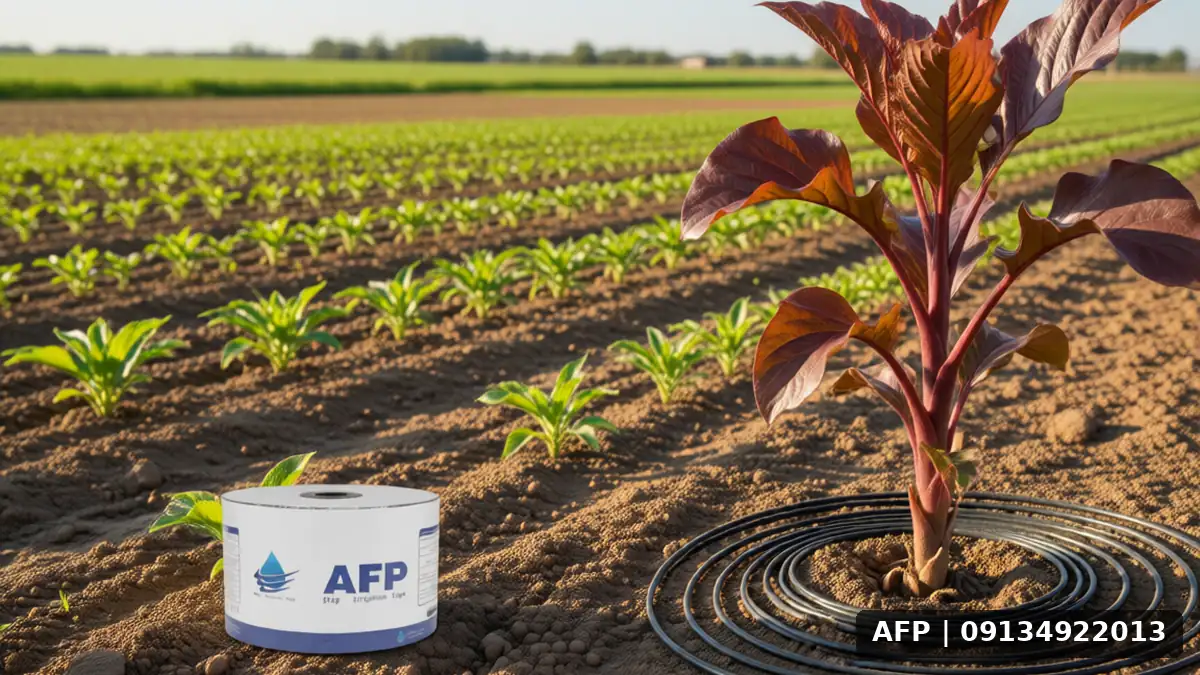
Sugar beet and feed beet are among the most suitable crops for implementing modern irrigation systems such as drip and tape due to their subterranean root location and requirement for gradual, stress-free growth. The use of drip irrigation for beet not only results in significant water conservation but also prevents rot and fungal diseases typically caused by overhead spraying by concentrating nutrients and moisture in the root zone. In the following sections, we examine the technical and practical details of designing such systems for beet farms.
Why drip irrigation is ideal for beet
Beet roots require a uniform environment with adequate moisture throughout the growth period. Sharp fluctuations in moisture can cause root cracking or reduced sugar quality in sugary varieties. The drip system creates these conditions through continuous and controlled flow. Additionally, using drippers allows for the direct injection of water-soluble fertilizers (KDFI), enabling greater utilization of chemical inputs by the plant. To better understand the importance of resource optimization, it is necessary to study the seed quantity of beet per hectare and its consistency with planting line density to ensure balanced pressure on the irrigation system.
Choosing pipe type and emitters: Drip or Tape?
In beet cultivation, there are two main approaches for water distribution: traditional drip line and tape (Drip Tape). Tape is more common in short-season crops like beet due to lower cost and high flexibility. These tapes are manufactured from PVC or LDPE with various thicknesses. The choice of the appropriate type depends on the growing period and budget; for cultivation cycles exceeding 6 months, retrievable pipes are preferred. Understanding types of drip irrigation tape Assists in selecting a pipe that resists soil pressure and chemical erosion.
System design technical parameters
- Dripper spacing: 10 to 20 cm is generally recommended to ensure complete root zone coverage.
- Irrigation line spacing: Must match the crop row spacing (typically 40 to 60 cm depending on the cultivar).
- End drain: Each line must have a tail piece to prevent bursting at the end of the line.
To ensure uniform distribution, the Distribution Uniformity (DU) coefficient must exceed 90%. This coefficient is calculated by measuring the output of drip emitters at the beginning, middle, and end of the line. Additionally, the system operating pressure should not exceed 1 to 2 bar to prevent damage to the delicate beet roots.
Scheduling Irrigation Timing and Volume
Beets have varying water requirements during three main growth stages: the vegetative stage, the root formation and swelling stage, and the final nutrient accumulation stage.
During the swelling stage, reduced moisture can lead to root hardening and weight loss. Conversely, over-saturation encourages weed growth. It is recommended to use a Soil Moisture Sensor to optimize irrigation scheduling. For comparison with other root-sensitive crops, you can review the lettuce seed rate per hectare guide and irrigation tips, as moisture management principles in sensitive leafy vegetables share many similarities with beetroot, although the early-season period for lettuce differs.
Practical maintenance and troubleshooting tips
The biggest enemy of beetroot drip irrigation systems is clogging of emitters due to sediment and algae. Following the guidelines below ensures the system’s useful lifespan:
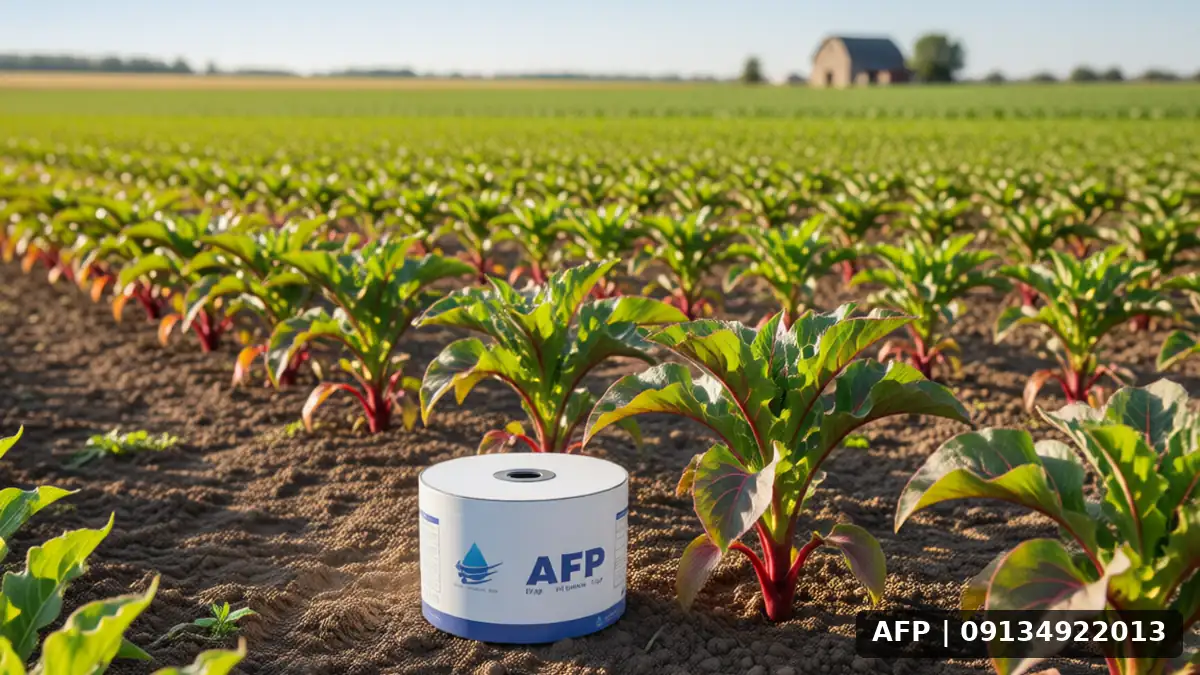
- Filtration: Always use an appropriate screen filter or net strainer. Agricultural water quality may include fine sediment particles that can clog narrow drip emitters.
- Backflushing: At the start of each irrigation cycle, flush water for 1 to 2 minutes at high flow rate (with main valves open) to wash away suspended particles.
- Periodic inspection: Every 14 days, open the ends of the lines and visually inspect the water output. If no flow is observed, disconnect that line from the system and clean it with a flushing pump.
Additionally, placing tape drip lines in direct proximity to the root zone during initial stages and using soil covering to prevent direct solar evaporation from the tape bed increases efficiency. Farmers can manage and restore wear and mechanical damage to these cost-effective tapes by referring to the guide on how to replace tape drip irrigation points. This annual maintenance ensures better return on your initial investment.
Frequently Asked Questions (FAQ)
Can a drip irrigation system be used for beetroot and other crops?
Yes, the system can be adapted for different crops by changing line spacing and adjusting inlet pressure. For example, the drip emitter spacing for beetroot should be less than that for leafy vegetables. Read the article Factors Increasing Spinach Yield per Hectare It can help you better understand the similarities and differences in water supply between these two plants.
How can we prevent beetroot root rot at the end of the growing season?
Gradually reduce irrigation volume starting two weeks before harvest to firm up the roots and make them more resistant to transport. Excessive irrigation after reaching economic weight increases the likelihood of roots breaking when pulled from the soil.
How much more does tape drip installation cost compared to sprinkler irrigation?
The initial cost of drip tape is higher, but when factoring in water savings, reduced pump energy consumption, and increased root performance due to lower losses, the return on investment typically occurs in the first or second growing season.
Summary
Proper Implementation Drip Irrigation of Sugar Beets It is a precise science that requires attention to detail. From selecting the type of drip tape to managing filtration and irrigation scheduling, every component plays a vital role in the quality and yield of sugar and feed beets. By following this guide, you not only minimize water consumption but also ensure export-quality products and economic sustainability for future crops. Always remember that continuous monitoring and logging of irrigation data are key to the continuous improvement of your system in the coming years.
Related Articles: asparagus yield per hectare iraq guide, How to Determine Drip Tape Emitter Spacing