Smart Irrigation in Garlic Cultivation: On-Farm Cost Analysis
Introduction to Smart Irrigation in Garlic Cultivation
Gar cultivation is one of the crops that has high sensitivity to soil moisture stability and precise water delivery. The use of systems smart irrigation in garlic farms can make a significant difference in reducing water waste and increasing economic yield. In this article, focusing on cost aspects, we examine how utilizing new technologies such as drip irrigation and tip-line can help farmers manage budgets and reduce energy and labor costs.
Economic Importance of Optimal Irrigation
Irrigation costs account for a significant portion of total production costs in garlic farms. The transition to smart irrigation allows for more precise control of water resources and reduction of unnecessary consumption. This not only leads to financial savings but also increases the weight and quality of produced cloves by creating optimal environmental conditions.
Currently, many garlic crops face serious deficiencies in water resource consumption due to reliance on conventional surface irrigation systems. Study of factors increasing garlic seed quantity per hectare It demonstrates that planting density is a parameter that directly affects the irrigation strategy. Smart systems boost economic efficiency to a high level by matching water delivery to planting density.
Impact of smart irrigation on farm costs
The initial capital costs for installing a smart irrigation system may seem significant to some farmers at first glance, but looking at long-term returns, this investment is highly profitable. Smart systems significantly reduce annual operating costs by decreasing the need for human intervention and optimizing energy consumption (especially in irrigation pumps).
Reduction of water and energy costs
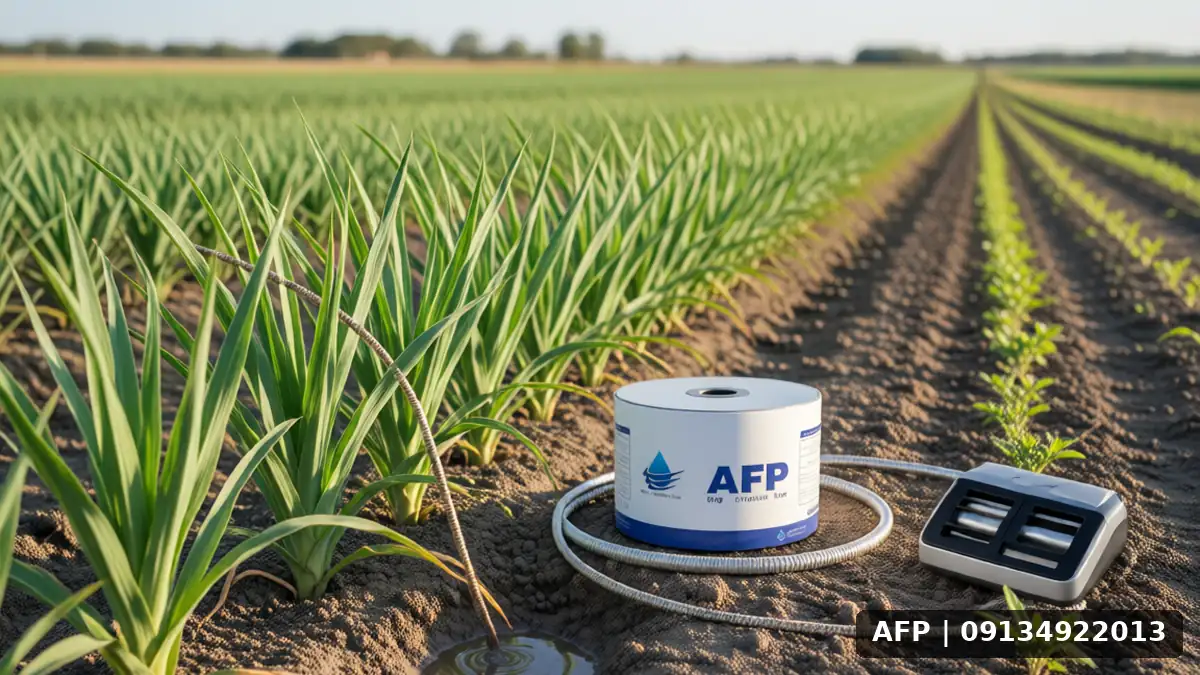
One of the most important components of farm costs is monitoring and irrigation expenses. By using drip tape in garlic cultivation, water is applied directly to the roots at an appropriate depth. This process reduces evaporation and deep percolation. On average, drip irrigation systems are up to 30% more efficient in water usage compared to surface irrigation. Reviewing drip tape irrigation points and its costs helps farmers reduce system acquisition costs by selecting the appropriate drive and prevent pressure drops caused by long-term use.
In addition to water savings, the reduction in labor required for rotating hoses and adjusting conventional irrigation systems eliminates extra wage costs. This has a direct impact on the net profit of the entire crop, particularly in medium and large-scale farms.
Practical tips for cost management in garlic irrigation
To maximize profitability and reduce cost risk, it is essential to understand the operational principles of smart irrigation. The following are the key practical points that directly affect farm costs.
Selecting the appropriate irrigation method for soil conditions
Loose, sandy soils, due to their high permeability, require shorter and more frequent irrigation to prevent water from moving beyond the root zone. Conversely, clay soils require longer irrigation durations to reach field capacity at the root depth. Technical information regarding the yield of tamarind per hectare Can also be examined as an example of the importance of aligning planting with irrigation conditions. Although garlic and tamarind are different crops, their root management shares many similarities. Understanding these connections helps in calibrating irrigation systems based on root requirements.
Optimizing drip line spacing in garlic planting
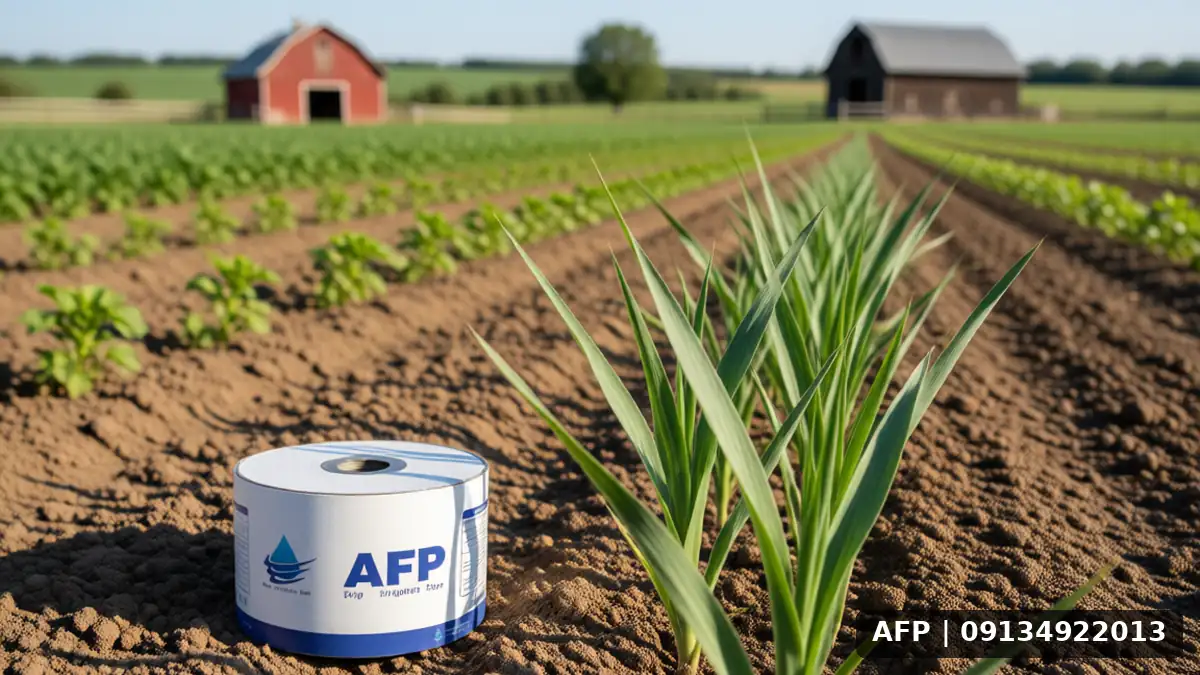
Garlic planting spacings typically vary between 10 and 15 cm between rows and 12 and 15 cm between plants. Installing a drip tape or drip line exactly at the center of these rows ensures that water reaches all plants uniformly along the row. The article on corn drip tape spacing guidelines can serve as an analytical model for calculating flow rates for different tapes. Matching the tape width to the planting spacing prevents water loss between rows.
Utilization of Smart Sensors
Using soil moisture sensors for irrigation scheduling is a key solution for reducing costs. Instead of relying on intuition or fixed timer schedules, these sensors send a signal only when soil moisture reaches the crop’s specific threshold. This significantly reduces unnecessary pumping. Currently, smart technologies with cloud data logging also enable farmers to monitor their fields remotely, minimizing supervision costs.
Frequently Asked Questions About Garlic Irrigation and Costs
This section answers the most common questions farmers have regarding the costs of smart irrigation in garlic cultivation.
Is drip tape irrigation more efficient than drip line irrigation for garlic?
Due to its cost structure, drip tape is generally considered a temporary or single-season system. However, for garlic, which has a growth cycle of less than one year, using drip tape can be economically attractive. Although drip lines have a longer useful life and are more cost-effective for farms intending to continue garlic cultivation over long periods, the higher cost of drip lines compared to the lower cost of drip tape must be factored into the annual economic plan.
What is the total water requirement for garlic during its growth period?
The total water requirement for garlic over one growing season can range between 400 and 600 mm, depending on climate conditions. Smart irrigation systems help you use this water with precision, ensuring efficient use rather than inadequate savings. Learn more about the complete guide to onion seed rate per hectare which can also help better understand planting layout and irrigation needs, as onion and garlic are botanically in the same family and have similar root behavior.
What is the impact of irrigation on moisture levels and post-harvest preservation of garlic?
To maintain garlic quality after harvest, precise moisture control during the final weeks of growth is critical. Regular and optimized irrigation before cut-off helps ensure proper skin development, making the bulbs less vulnerable during storage. Therefore, smart systems, with their precise adjustment capabilities, help preserve the added value of the product in the market.
Conclusion and Final Recommendations
Implementing smart irrigation in garlic cultivation is a strategic investment for reducing on-farm costs and increasing productivity. By considering the practical points mentioned and adapting new technologies to the specific conditions of your farm, farmers can better protect their water resources and save on energy and labor costs. It is recommended to manage each aspect of your crop more precisely with the help of local experts and by studying specialized resources, such as the leafy vegetable planting guide and care tips, which serve as a model for meticulous crop management. Ultimately, choosing a logical smart irrigation system suitable for your budget will be the key to economic success in the garlic market.
Related articles: Seed amount for basil D8AFD8B1 per hectare