Rotational Irrigation in Garlic Cultivation: Key Insights for Maximum Efficiency
Introduction: The Importance of Water Management in Garlic Cultivation
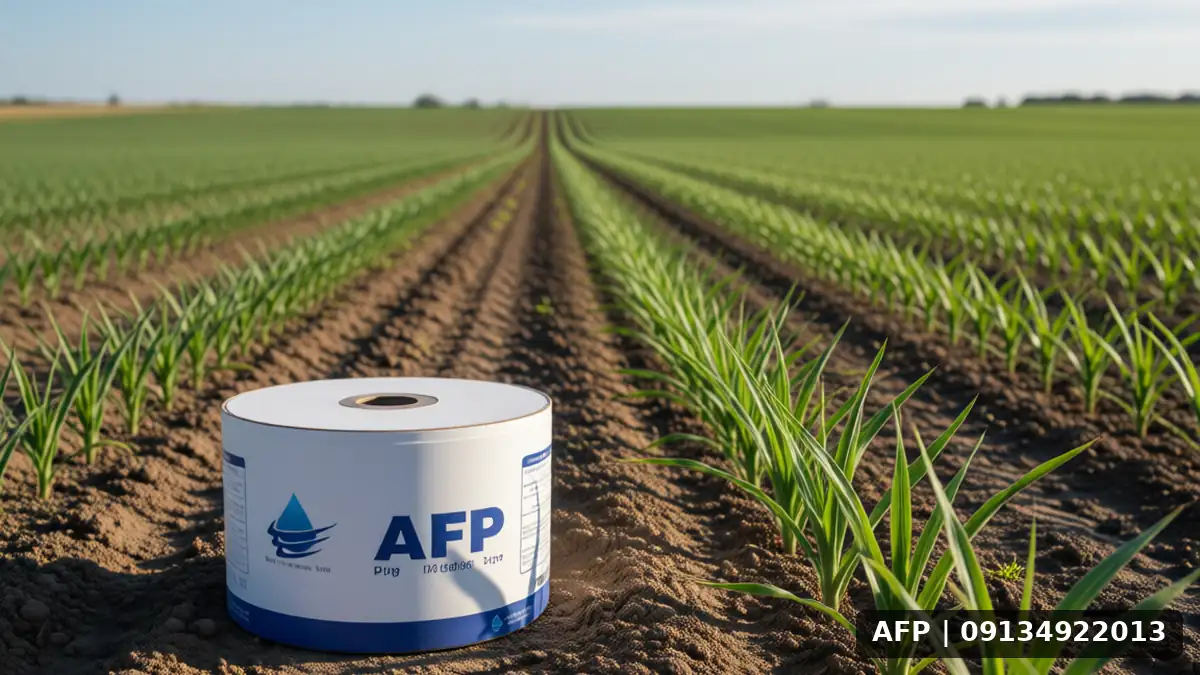
Garlic is a crop sensitive to microclimatic conditions, and improper water resource management can directly negatively impact bulb quality and weight. In recent years, the shift toward water-saving methods, such as the drip strip guide, has increased the precision of water distribution. However, simply installing pipes is not enough; the execution of Rotational irrigation of garlic is what makes the main difference. By dividing the field into independent sections and irrigating them alternately, this method applies a steadier pressure to the main line and prevents the accumulation of excess water or local dryness. The primary goal of this rotation is to maintain uniform moisture in the root zone without disturbing the soil.
Why is the rotational method ideal for garlic?
Garlic roots are relatively shallow and are sensitive to rapid moisture fluctuations. In whole-field simultaneous irrigation methods, the lower sections of the system often become saturated while the head lines receive less moisture. Rotational irrigation addresses this problem by establishing hydraulic balance. Additionally, this method allows the farmer to monitor the condition of each section to make more precise decisions about the timing of the next irrigation.
<>
Technical principles for designing drip strip systems for garlic
To fully leverage the benefits of rotational irrigation, the hardware infrastructure must be properly configured. Tape lines, due to their lower flow rates and cost, are considered a more economical option than expensive drip tapes for onion farms. However, tape quality and appropriate operating pressure are two critical factors. During design, special attention must be paid to the land slope and soil drainage resistance. If the land is sloped, the division of rotational sections must be performed such that the pressure at the end of each tape does not exceed the permissible limit. Reviewing key tips for using irrigation tape can help you select a more appropriate thickness and flow rate.
Determining the appropriate flow rate for tape lines
The flow rate of tape lines in onion crops is usually between 4 and 8 liters per hour. A higher flow rate may cause water to remain on the surface and be lost through evaporation, while a very low flow rate may unnecessarily extend the irrigation time. The optimal flow rate is one that wets the entire width of the bed within a logical timeframe (e.g., 4 to 6 hours). This flow rate must be uniform throughout the entire length of the tape to prevent the formation of dry zones.
Implementing rotational onion irrigation: Step-by-step
The method of distribution and irrigation scheduling is the heartbeat of this system. In practice, divide the farm into 3 to 5 equal blocks. Each block must be equipped with a separate tape line or a separate branch from the main supply system. This isolation allows for the complete closure of flow to other sections, ensuring that the pump pressure is directed entirely to the active block.
- Designing control valves: Install a ball valve or butterfly valve of appropriate diameter at the inlet of each block. These valves should not be exposed to direct sunlight to prevent gasket drying and hardening.
- Rotation Scheduling: Use a controller (timer) or hydraulic control panel to manage the irrigation sequence. For example, Block 1 from 1 to 3, Block 2 from 3 to 5, and Block 3 from 5 to 7. This daily or weekly rotation must remain consistent to allow crops to establish better root systems.
- Pressure Management: The main pump should be configured to supply the maximum flow rate required by a single block, not the aggregate demand of all blocks. This approach reduces energy costs and extends pump lifespan.
<>
A common challenge is excessive drainage. In onions, drainage should be kept to a minimum to preserve soil moisture retention. By reducing water pressure as only one block is active, drip line distribution improves and deep drainage decreases. This results in water savings and reduced leaching of nutrients from the root zone.
Key Points for Enhancing Efficiency with Rotation Irrigation
Monitoring Soil Moisture Accurately
The use of digital soil moisture sensors or pressure gauges is recommended. Onions require 60 to 75 percent of field capacity during the vegetative growth and bulb enlargement stages. Rotation irrigation allows for independent monitoring of moisture in each section. If moisture in a specific section falls below the optimal threshold, you can shorten the irrigation duration for that section or temporarily reduce the flow rate.
Reducing salinity stress
If you use saline water sources, drip rotation simplifies salinity management. With rotational irrigation, salts deposited in previously irrigated sections can be gradually flushed out in active sections or at least prevented from accumulating excessively in one spot. Salinity management requires precision in selecting drip tape; tapes with open or semi-open emitters are more suitable for salt flushing. For selecting appropriate lateral sections, studying LEC (Lateral Equivalent Conductivity) conditions with drip-in-row can be helpful.
Impact on fungal diseases
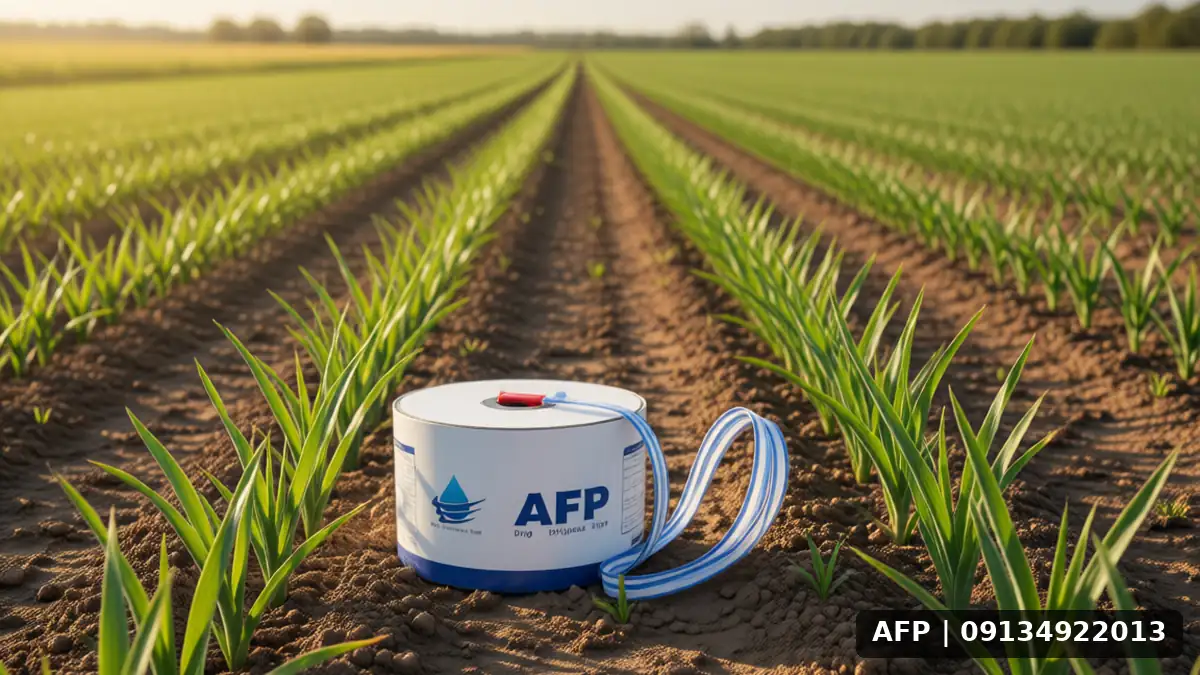
Onion is susceptible to soil-borne fungi such as Pythium and Botrytis. A moist and cool environment without proper air circulation favors these fungi. Rotational irrigation allows the soil to dry out earlier so that soil temperature decreases and surface humidity reduces in later hours. This reduces the risk of infection. Additionally, morning irrigation (by activating different blocks in the morning) is preferred because plants have time to dry completely by sunset.
Solving common problems in rotational drip tape systems
- Lateral clogging: Due to onion’s sensitivity to water stress, even partial clogging can quickly lead to drought stress. Be sure to use disc filters with an appropriate mesh size (120-150) and universal filters. Regular filter cleaning every 2 weeks is essential.
- Non-leveling of strips: If the drip strip is laid on an uneven surface, water distribution becomes inconsistent. The planting bed must be graded before strip installation. Drip strips should be positioned to prevent water from pooling in depressions.
- Initial capital: The cost of installing individual valves and timers may seem high initially, but the return on investment is achieved within a single garlic growing season due to reduced water and energy consumption.
Frequently Asked Questions (FAQ)
Is rotational irrigation suitable for garlic cultivation in arid regions?
Yes, even more so. In arid regions, precise water use management is critical. Rotational irrigation ensures that all sections of the field receive adequate moisture without waste.
What is the optimal time to start rotational irrigation for garlic cultivation?
Typically, 2 to 3 weeks after planting, once the plants are established and initial root formation has occurred. At this stage, the plant requires more consistent moisture and cannot withstand fluctuations in drought.
What is the difference between tape and drip irrigation for garlic cultivation?
Tape is cheaper and has faster installation but has a shorter lifespan than drip irrigation. For garlic, which has a single-season growing period, tape is economically optimal unless the soil is very heavy and requires deeper penetration.
Can rotational irrigation be combined with drip fertigation?
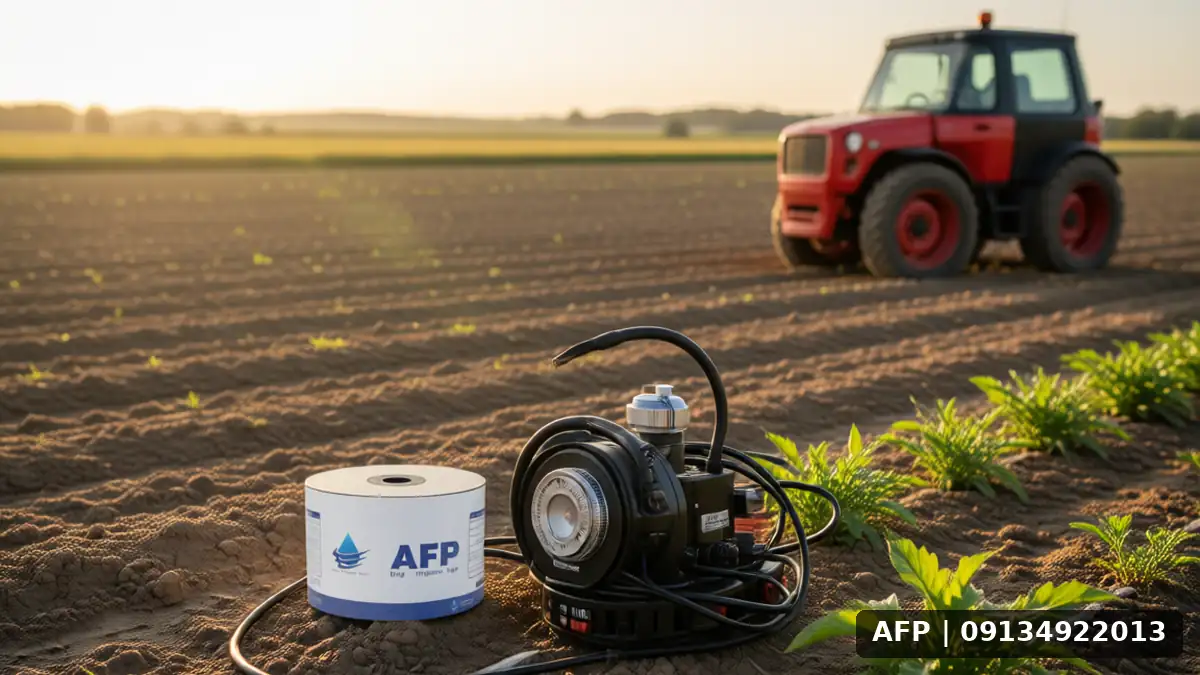
Yes, provided that the nutrient feeding system is regulated in the active sections. Fertigation in inactive (stopped) sections is ineffective and may lead to salt accumulation. Submerged pumps or liquid feed tapes (Fertigation) must be active only in the active block.
Summary and final recommendation
Implementation Rotational drip irrigation Using the drip tape system is a strategic approach for modern cultivation. This method not only conserves water but also improves crop quality, reduces salinity stress, and controls the risk of fungal diseases. The key to success lies in the details: precise design of control emitters, continuous moisture monitoring, and regular system cleaning. Farmers who adhere to these principles will observe higher yields and lower costs per unit area. It is recommended to prepare a precise map of the piping layout and rotational timing before the season begins and implement it as a trial in a small section of the farm to perform necessary optimizations before full-scale expansion. To stay informed about the latest technological advancements, studying LR conditions with dilution in-cruze and related resources can broaden your perspective. Rotational irrigation is a step toward sustainable and precise agriculture.
<>
Related articles: Drip irrigation tape D981D98A Kirkuk, Key points when using drip irrigation tape, forage corn yield per hectare guide, chickpea seed per hectar iraq