Pivotal Irrigation in Muskmelon Cultivation: A Comprehensive Technical Assessment
Introduction: The Importance of Selecting the Correct Irrigation Method in Melon Farms
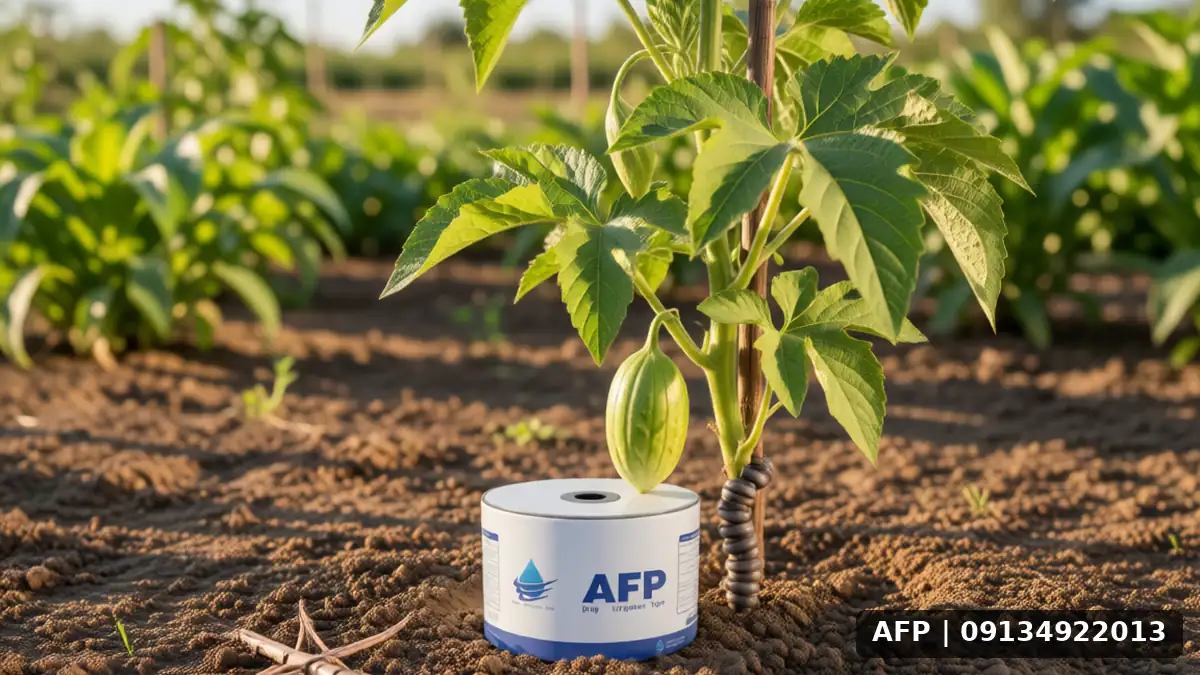
Melon cultivation, as a high-demand tropical crop, presents specific challenges in micro-irrigation management. While traditional methods such as furrow and ditch irrigation are associated with high water losses, center pivot irrigation, which is generally implemented with band drip systems, represents a turning point in resource management. In this section of the article, we thoroughly examine Center Pivot Irrigation in Melon Cultivation and its prerequisites, enabling farmers to make informed decisions. Our goal is to provide a practical guide that focuses on farm technical realities rather than empty promises. This approach not only reduces water consumption but also enhances final fruit quality by maintaining optimal moisture in the root zone. By understanding these principles, farmers can prevent unnecessary cost expenditures and produce export-grade or high-quality domestic market products.
One key advantage of this system is the direct penetration of water into the plant’s active roots, which reduces evaporation and increases water use efficiency in response to low or absent rainfall. However, the success of this method is directly dependent on adhering to the execution prerequisites, which we will detail below. Paying attention to minor details at the start of the process is the key to preventing major problems during mid-season growth. It is also essential to understand that an irrigation system is not a static element, but a dynamic part of the farm ecosystem that requires continuous monitoring and periodic adjustments.
Technical Prerequisites of the Center Pivot Irrigation System
Before entering the farm and starting cultivation, a deep understanding of technical prerequisites is vital. These include bed preparation, selecting appropriate equipment, and understanding crop behavior. Neglecting any of these steps can lead to the inefficiency of the entire system. Therefore, it is recommended to prepare a precise map of the farm and carefully review available water resources before purchasing equipment.
Soil Bed Preparation and Sowing
- Precise leveling and grading of the soil: The drip line system is sensitive to elevation differences. Any unevenness can cause water accumulation in some areas and dryness in others. Therefore, performing manual or mechanized precision topdressing harvest per hectare is crucial. Proper leveling also helps equalize pressure within the pipes.
- Soil sampling: Identifying soil pH, alkalinity, and EC before planting is mandatory. Melon shows better response to soils with medium to coarse texture, but soil amendment by adding lime or gypsum as needed is a primary prerequisite. Additionally, adequate organic matter in the soil increases moisture retention capacity.
Selecting Drip Line Type
In Center pivot irrigation in melon cultivation, single- or multi-orifice drip lines are typically used. 10 or 20-micron lines are more common. The choice between polyethylene plastic and UV-reinforced films should be based on the expected lifespan and project budget. The use of low-quality lines leads to premature clogging and bursting. Furthermore, line resistance to direct sunlight and ultraviolet rays is a decisive factor in the system’s useful life.
In addition, familiarity with the water requirement per hectare or the water consumption rate per unit of area, is essential for accurately calculating the outlet flow of filters and pumps. These calculations should be adjusted based on the plant’s daily water requirements at various growth stages to prevent water waste.
Practical points for irrigation implementation and management
After system installation, daily irrigation management can determine the outcome of the crop. This section addresses minor operational details often overlooked by farmers but which have a direct impact on final yield. Discipline in execution and regular monitoring distinguish an average crop from an excellent one.
Proper irrigation scheduling
Melon plants have the highest water demand during the fruit swelling stage. Irrigation should be performed during cooler parts of the day (early morning or evening) to minimize evapotranspiration. In pivot systems, using timers for automation is recommended, but a manual weekly check is mandatory to ensure the integrity of tape lines. Additionally, adjusting irrigation patterns based on weather forecasts can prevent nutrient leaching caused by sudden rainfall.
- Check pressure at various points in the field: The static pressure at the beginning of the line must match the pressure at the end (difference less than 5%).
- Monitor soil moisture: Use soil moisture sensors to prevent over-irrigation, which can cause root rot and fungal diseases.
Combining Irrigation and Fertilization
One of the main advantages of pivot irrigation is the ability to apply fertilizer through the system (fertigation). In this method, water-soluble fertilizers are delivered to the roots simultaneously with irrigation. However, before proceeding, you must review drip line usage instructions and the compatibility of fertilizers with the water’s pH. Some nitrogen-based fertilizers can cause precipitation in the small dripper orifices, leading to rapid clogging if the system lacks proper disk filters. Therefore, combining fertilizers correctly and not neglecting to flush the lines after each feeding session are essential principles.
It is important to note that the correct selection of discharge rate and hole spacing directly affects the consistency of watermelon growth. For information on pivot irrigation, its mechanism, and benefits, refer to specialized resources. Cost of Drip Lines Per Hectare This is a key parameter in determining the macro-economics of the project and must be calculated and reviewed before planting begins.
Common Problems and Practical Solutions
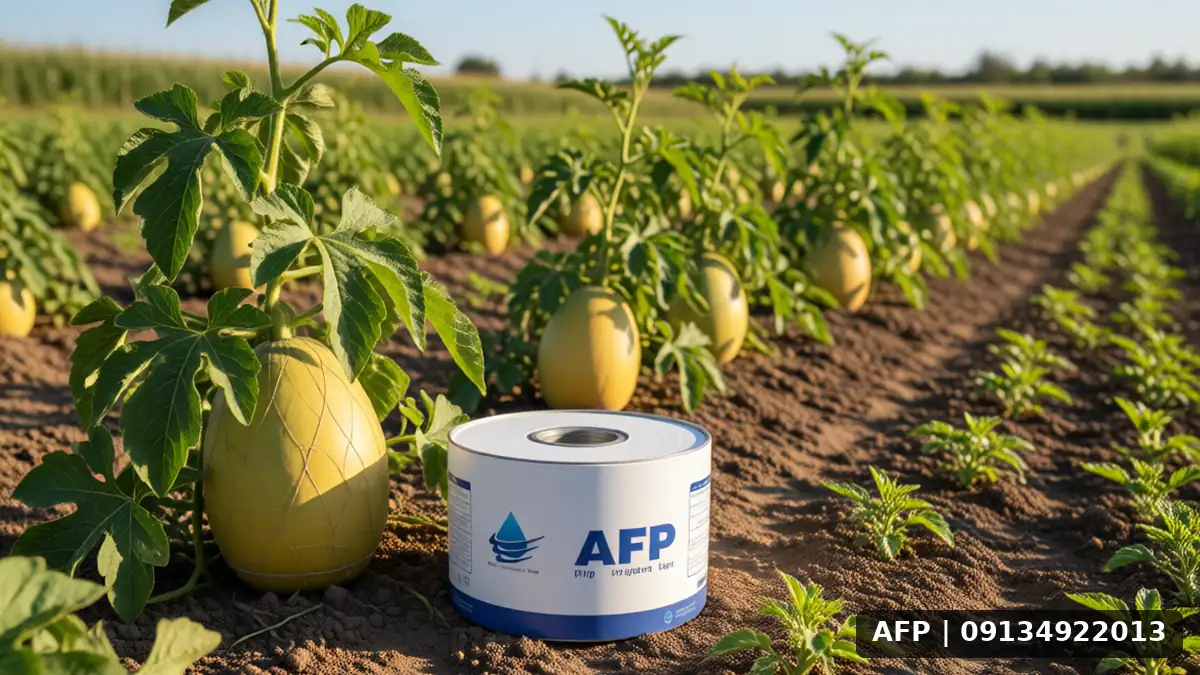
Even when all prerequisites are met, you may encounter challenges. Recognizing these problems helps you take corrective measures faster and prevent further losses. Many of these issues stem from initial carelessness in system installation or maintenance.
- Nozzle Clogging: Caused by lime deposits or microbial biofilm growth. Solution: Perform reverse flushing of the system and use specialized acids or disinfectants. Doing this periodically significantly increases the useful life of the tapes.
- Uneven Water Distribution: If the distance between planting rows and the drip tape is too wide, lateral roots will not have access to water. It is recommended to install the tape at a depth of 10 to 15 centimeters below the soil surface, alongside the planting row. Minor changes in installation depth can affect root growth patterns.
- Rat Damage: Rats and other small animals can tear the drip tape. Installing protective mesh or using more resistant tapes is recommended. Additionally, establishing protective borders around the farm can prevent destructive insects from entering the system.
To learn how to maximize efficiency, read about yield per hectare This can be useful in estimating the economic feasibility of a project. Of course, these costs depend on the type of tape and geographical region and are not fixed figures. Analyzing costs against increased yield helps the farmer make the best investment decision.
Frequently Asked Questions (FAQ)
Is center pivot irrigation suitable for all watermelon fields?
Not necessarily. This system is ideal for flat fields or those with a gentle slope and soil with appropriate particle size distribution. In fields with steep slopes, specific slope design and higher pressure adjustment are required. If slope correction is not feasible, using tapes with lower flow rates and wider hole spacing can be an effective solution.
What is the lifespan of a drip tape?
When exposed to direct sunlight, the useful life of a drip tape is usually 2 to 3 growing seasons. After that, polyethylene resistance decreases and the likelihood of tearing increases. Proper maintenance and adhering the tapes to the soil surface for protection can slightly extend this duration.
Can this system be used for other crops as well?
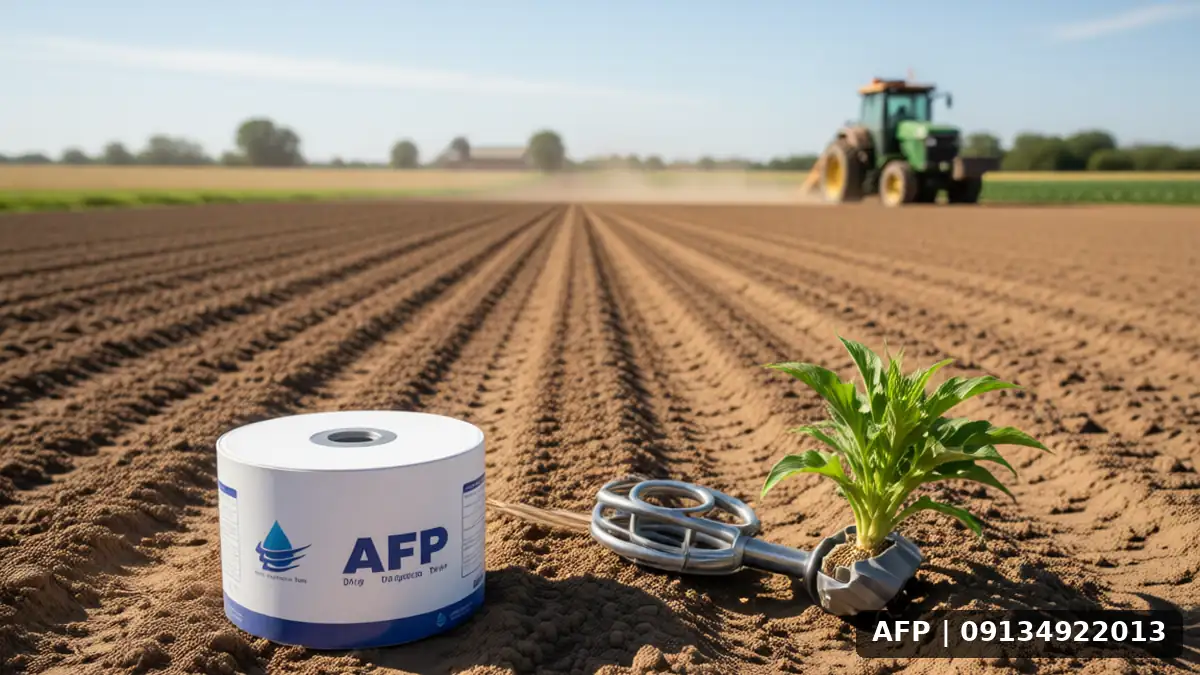
Yes, pivot systems are flexible. However, hole spacing and discharge rates must be adjusted to match the root needs of the plant. For example, Quinoa Planting Guide It demonstrates that even drought-tolerant plants like quinoa yield better results with pivot systems operating at lower flow rates. Crop diversity and the use of the same systems require precise settings for each specific crop.
Conclusion
Implementation Center Pivot Irrigation in Cantaloupe Cultivation It is a multi-stage process that requires precision in geological, hydraulic, and agronomic prerequisites. Its benefits, ranging from water conservation to the capability for fertigation, significantly enhance investment value. However, project failure is usually rooted in ignoring operational details such as slope grading, drip tape quality, and water management. By adhering to the principles outlined in this article, you can produce higher-quality crops with greater efficiency. These systems have widespread applications not only for strawberries but also for many other horticultural products, which can be better understood by consulting relevant resources such as tutorials on drip tape usage.
To better understand other variables, such as lettuce seeding rate per hectare and irrigation tips, you can refer to related articles on the website, as there are common principles in soil moisture management and lateral system configuration. These resources help provide a more comprehensive view of resource management in farms.