Center Pivot Irrigation for Quinoa: Key Points and Practical Strategies
Introduction: Why Quinoa?
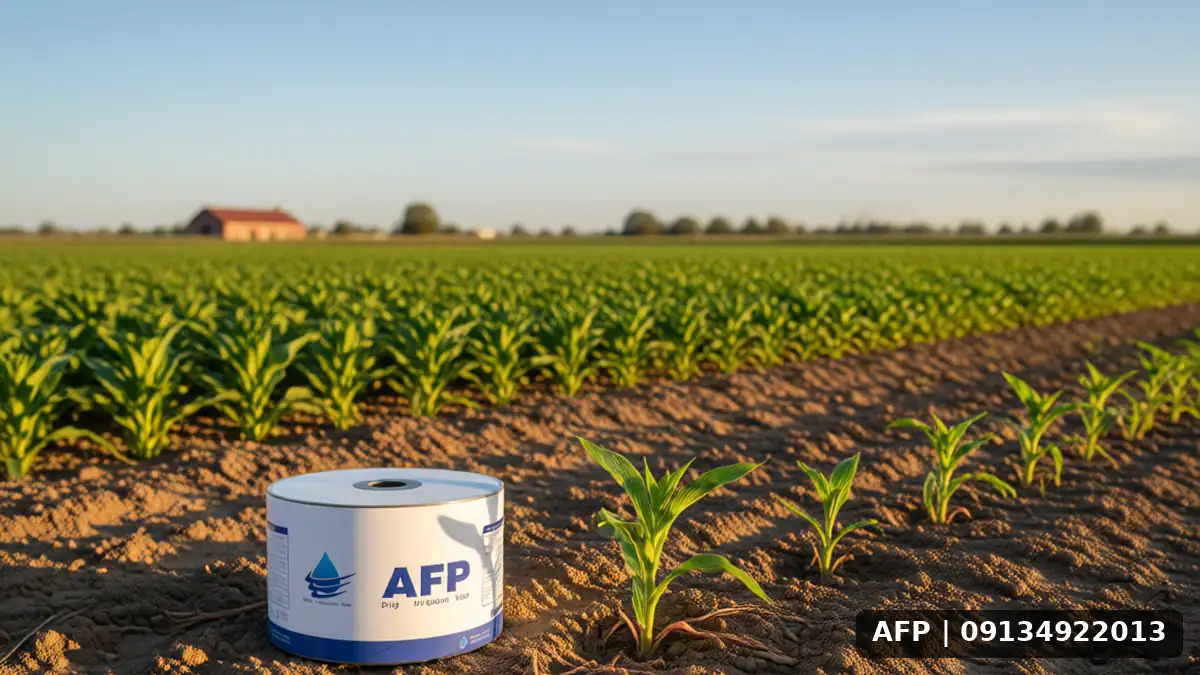
Quinoa (Quinoa) is an ancient food crop that has recently become one of the most popular agricultural products worldwide due to its high protein value, gluten-free nature, and excellent adaptability to harsh environments. One of the main challenges in growing quinoa is the precise management of water resources. Although this crop is more drought-tolerant than many other commodities, achieving maximum yield requires sound and optimal irrigation. This section addresses the crucial role of precision irrigation in quinoa cultivation .
Precision irrigation, particularly using drip and micro-spray band systems, enables the direct delivery of water and nutrients to the plant’s root zone. This method not only minimizes water losses but also improves overall field health by reducing weed growth and controlling fungal diseases. The following details explore the technical aspects and practical tips for this method.
Principles of Precision Irrigation and Its Importance for Quinoa
Quinoa has a balanced root system and seeks uniform soil moisture. Severe fluctuations in moisture can cause seed shattering or reduce seed weight. Therefore, maintaining stable moisture levels is essential.
Benefits of Using Drip Tape
- Water Use Optimization: Drip tape features internal emitters that inject water directly into the soil at a controlled flow rate. This method can achieve up to 40-50% water savings compared to conventional irrigation.
- Simultaneous Fertilization (Drip Fertigation): By installing fertilizer injection systems, nutrients can be applied alongside water. This approach enhances root uptake and reduces operational labor costs. To better understand the importance of precise fertigation, you can review the IQ Fertigation Guide and Yield per Hectare with Drip Tape .
- Weed Control: Because only the sub-strip beneath the drip line is wetted, weeds grow in the inter-row spaces and are controlled by hoeing or manual weeding. This reduces chemical costs.
Selecting the appropriate drip tape is the first step in successfully implementing this system. Factors such as wall thickness, emitter spacing, and flow rate per emitter must be suitable for the regional climate and evaporation levels. To familiarize yourself with the technical criteria, review the article on selecting agricultural drip tape.
Key points in quinoa irrigation management
Irrigation timing and quantity
Quinoa has different water requirements at various growth stages:
- Seedling stage (Vegetative Growth): From emergence to approximately 30–45 days, the plant is in vegetative growth. Irrigation should be mild and regular to strengthen root development. Avoid excessive watering, which causes excessive stem elongation.
- Balancing Phase: In this stage, the plant shifts energy from vegetative growth to grain production. Moisture requirements decrease slightly. Balanced irrigation without severe stress is key to grain quality.
- Maturation: In the final weeks, moisture requirements decrease. Controlled water stress can increase final yield, but it must not lead to excessive dryness that causes shattering.
To accurately determine the required water amount, use soil moisture sensors. Additionally, measuring the yield per hectare helps you adjust the irrigation level based on economic goals.
Row spacing and drip tape installation
In quinoa, row spacing is typically 40 to 50 cm. Drip tape can be placed center-row (Center placement) or at a specific distance (Offset placement). To ensure full coverage of the root zone, position the tape so that the wetted zone encompasses active roots. Familiarization with Row spacing standards It can be helpful in designing the farm layout.
Practical tips for farms
Water quality and filtration
Since drip emitters have narrow flow channels, contamination from silt, sediment, and suspended particles can cause clogging. Installing an appropriate filter (sand, disc, or mesh) at each inlet is mandatory. If you are using a well, always use conditioning or strong acid to control calcium and magnesium deposits.
Using correct fittings
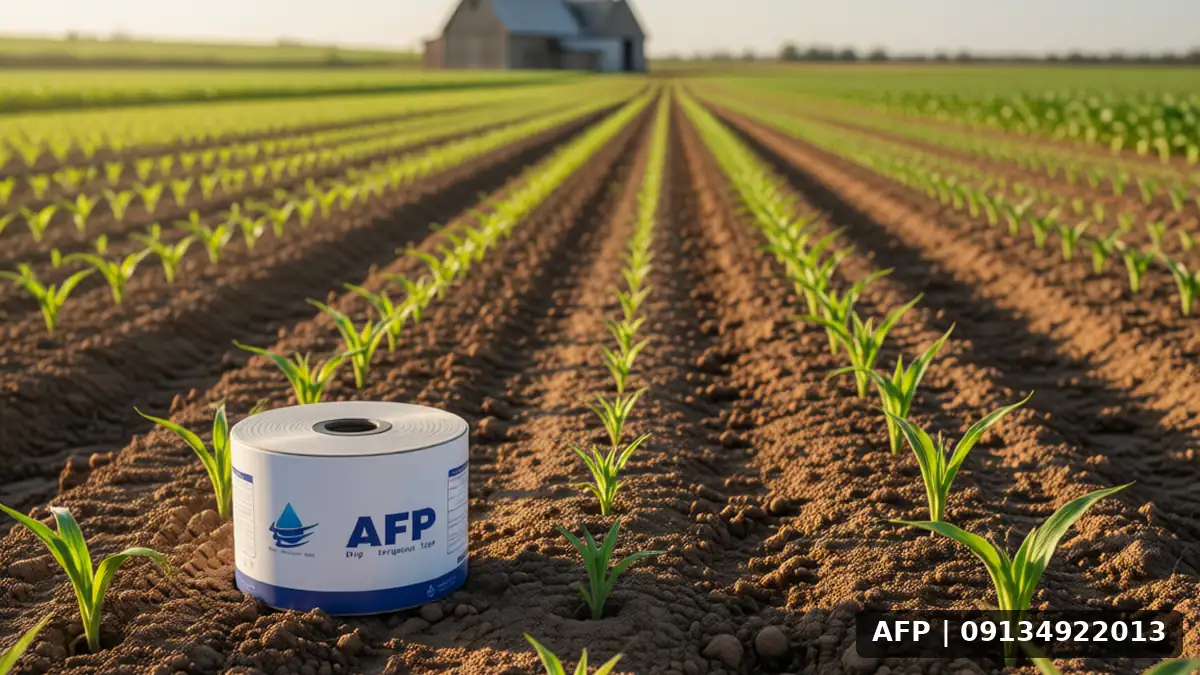
For tape-line lengths, connections must be secure and leak-free. Use UV-resistant metal or plastic fittings. Be sure to read comprehensive information on agricultural drip tape fittings and their installation standards to increase the system’s useful life.
Intercropping and weed control
Quinoa is sometimes intercropped with ornamental or cover crop plants. In this situation, position the tape lines only under the quinoa rows to ensure moisture and nutrients are delivered to the main crop. This method also helps reduce surface evaporation and maintain soil fertility.
Frequently Asked Questions (FAQ)
Is tape drip better than fixed drip for quinoa?
Tape drip has lower initial costs, and its installation and annual rotation are easier. However, if you plan to use the system for two to three years, fixed drip systems with larger diameter main lines are more durable. For quinoa, which is typically a single-season crop, tape drip is the more economical option. In this regard, comparing it with other crops such as tomato irrigation systems can provide a better perspective, although quinoa has different requirements.
Can tape drip be used for quinoa without fertigation emitters?
Yes, you can. However, using drip fertigation or injectable fertilizer significantly increases efficiency. This method allows nutrients to be delivered to the plant more precisely with lower consumption. To better understand these concepts, see the article IQ foliar fertilizers Review them again.
What happens if irrigation is irregular?
Irregular irrigation leads to root unimodality and reduced grain quality. Additionally, moisture fluctuations cause cracking in grains during the maturation stage. Therefore, precise planning from the beginning of the season is crucial.
Summary
Radial irrigation in quinoa cultivation, especially using modern technologies such as tape drip, is a powerful tool for modern farmers. By following the key points mentioned, from irrigation scheduling to selecting appropriate connectors, you can ensure the sustainability of water resources while improving yield and crop quality. Proper implementation Radial irrigation in quinoa cultivation It requires precision, continuous monitoring, and the use of reliable educational resources. We hope this comprehensive guide will be an effective step toward sustainable agriculture on your farm.
Related articles: Agricultural land rain irrigation D988 effects