Subsurface Irrigation in Melon Cultivation: Prerequisites for Successful Implementation
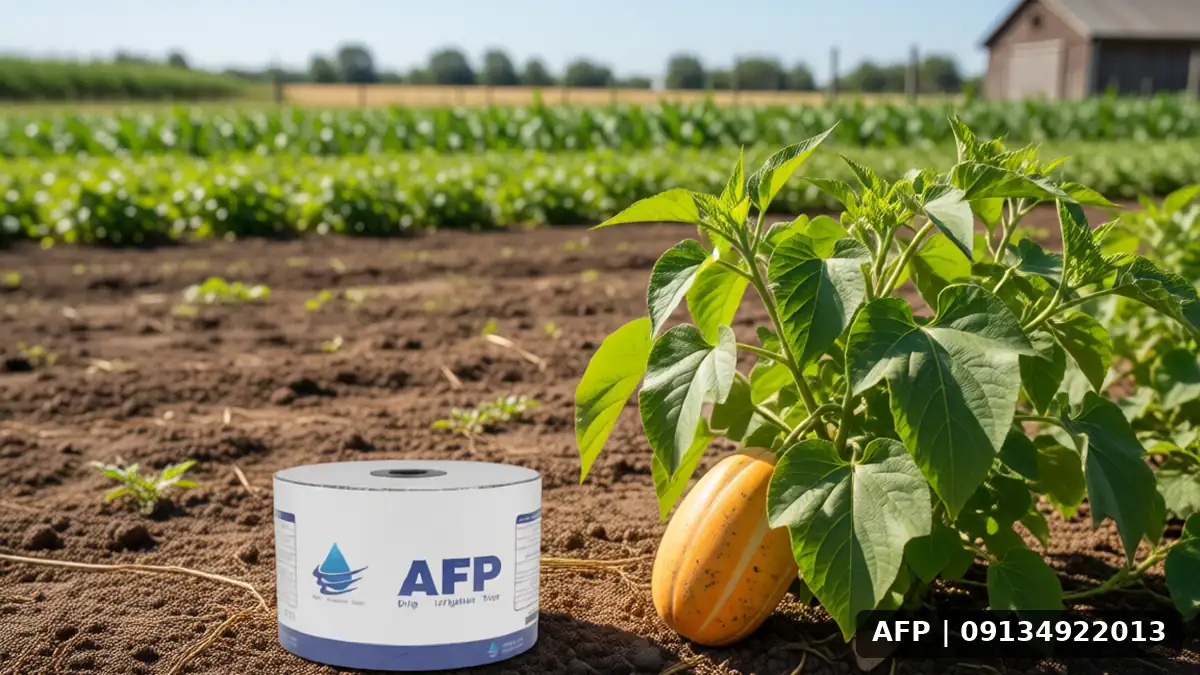
Introduction: The Necessity of Shifting Toward Subsurface Irrigation in Muskmelon
Muskmelon (Cucumis melo) is a crop that exhibits high physiological sensitivity to moisture fluctuations. In traditional surface irrigation methods, a portion of plant energy is consumed in transporting water from the surface to the root zone. Additionally, the risk of fruit contamination by fungal and rot diseases increases due to the permanent wetness of the soil surface and bed. Subsurface Irrigation Placing the water source within the active root zone optimizes this cycle. Our objective in this article is to precisely define the prerequisites that, if ignored, can turn a project from a cost-saving initiative into an economic loss and root destruction. To better understand the advantage differences between modern systems and traditional methods, review benefits of tape drip and trickle irrigation can provide a good comparative perspective on water accessibility for roots.
Biological and Climatic Challenges
The muskmelon root system is radial and shallow in depth. Any water accumulation exceeding soil field capacity around the roots is the primary cause of root rot. Conversely, fruit water deficit leads to surface cracking and price reduction. Therefore, a delicate moisture balance is the main prerequisite for system selection, which is why a subsurface water source offers greater controllability compared to rainfall or surface irrigation.
Technical and hardware prerequisites: from soil to pipe
Before any full implementation, three core technical pillars must be established. These include soil hydraulic assessment, selection of appropriate pipe material, and network pressure regulation.
1. Statistical-hydraulic soil analysis and drainage
Subsurface irrigation in silty and clay soils with low infiltration coefficients is an operational nightmare. Water, after leaving the pipe, accumulates in a confined zone rather than moving circularly to the roots, disrupting oxygen supply. The initial prerequisite is conducting an infiltration test and measuring subsurface drainage. If the infiltration coefficient is less than 1 cm/h, subsurface systems should not be used unless deep soil amendment (grouting) has been performed. In clay soils, creating vertical ripping channels to provide pathways for excess water is a corrective prerequisite.
2. Pipe selection and spacing geometry
Unlike surface drip tape, which has specific diameter and thickness, subsurface pipes are generally made of polyethylene or polypropylene with diameters ranging from 16 to 25 mm. Pipe selection should be based on the Emission Coefficient to ensure uniform water distribution along the pipe length. While conceptual studies on drip tape spacing for beans apply to field crops, the calculation principles for spacing based on canopy dimensions and water consumption are well-covered and can be adapted for melon orchards considering planting distances (e.g., 4 by 5 meters).
Management and monitoring prerequisites: the system’s brain
Simply installing pipes is not enough; the management applied to them determines success.
Fertigation and Filtration Management
One of the most appealing aspects of subsurface irrigation is fertigation (nutrient injection through water). However, this advantage comes with a significant technical risk: pore clogging. The emitters on subsurface pipes are smaller than those on drip lines, and the entry of suspended particles smaller than 200 microns can block the pipe. Therefore, a high-precision central filtration system (filter strips with a precision of 120 microns or less) is a necessary prerequisite. Using dosing regulators for precise nutrient injection is also a technical-software prerequisite that must be verified before connecting the system.
Moisture Sensors and Data-Driven Decision Making
Since subsurface soil moisture is not visually observable, relying on fixed irrigation schedules (e.g., every two days) in the subsurface method leads to errors. A monitoring prerequisite is installing soil moisture sensors at depths of 20 and 40 centimeters. These data must be connected to a controller to activate watering based on a lower threshold limit. This method eliminates the risk of cantaloupe fruit cracking caused by over-irrigation.
To understand the difference between surface and deep monitoring, you can read a comparison of Professor Nader’s article on irrigation with surface systems, which explains the details of surface moisture monitoring, to better understand why deep monitoring is more critical for subsurface applications.
Practical Notes on Installation, Maintenance, and Troubleshooting
Bed preparation and pipe connection
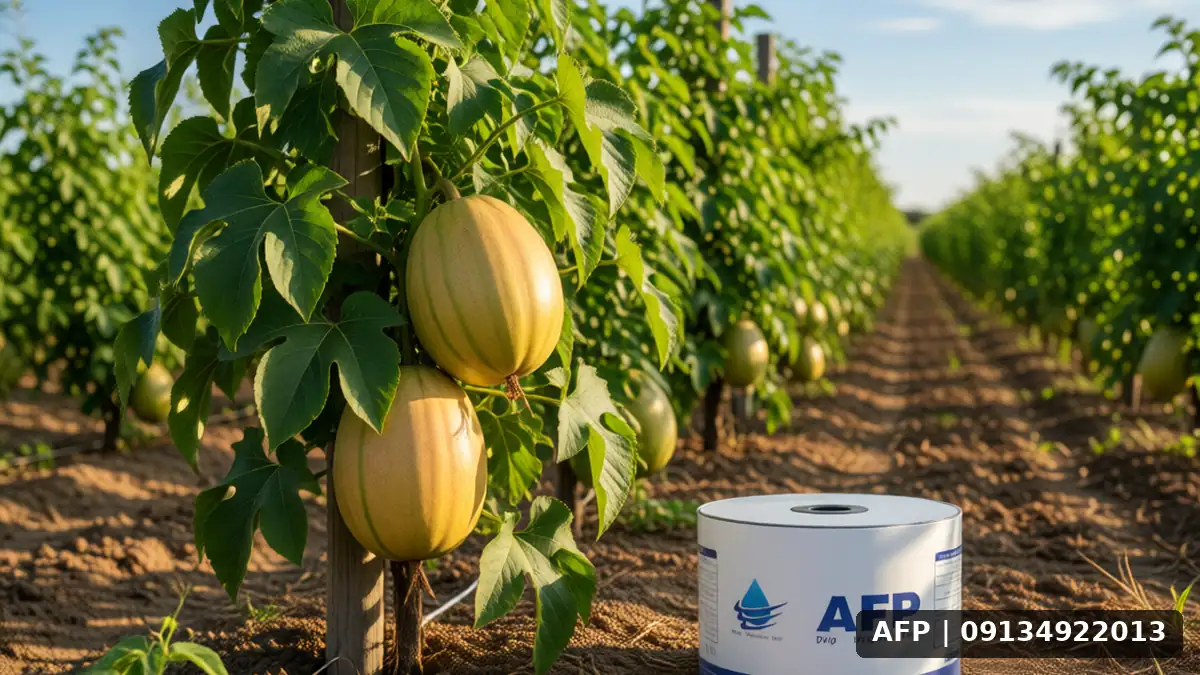
When installing the pipe, you must ensure that the soil within the channels is flushed and free of coarse particles. Connections for subsurface pipes, made using glue or couplings, must be completely leak-free; leaks send water directly to the underlying clay layers, causing the system to lose functionality. Additionally, using one-way check valves to prevent backflow and the entry of external materials into the pipe is a prerequisite detail that is often overlooked.
Bed covering and mulching
After planting melons, applying mulch (polymer or plant-based) to the bed is an indirect prerequisite. Mulch stabilizes root temperature and reduces evaporation, meaning the subsurface system only handles root feeding and does not need to manage surface issues. This optimizes the operational synergy of the systems.
In fact, for those transitioning from conventional methods, understanding the principles of determining irrigation points is crucial. Guide to Determining drip line irrigation points Although it focuses on drip lines, it clearly explains the calculation formulas for coefficients and pressure, which can be used as a computational reference for designing subsurface pipe networks.
Frequently Asked Questions (FAQ) about System Implementation
Is subsurface irrigation feasible in clay soil?
Yes, but with strict conditions. A supplementary drainage system (deep mesh pipes) must be installed to remove excess water from around the irrigation pipe. Without this prerequisite, the risk of root rot is high.
What is the optimal pipe burial depth for melons?
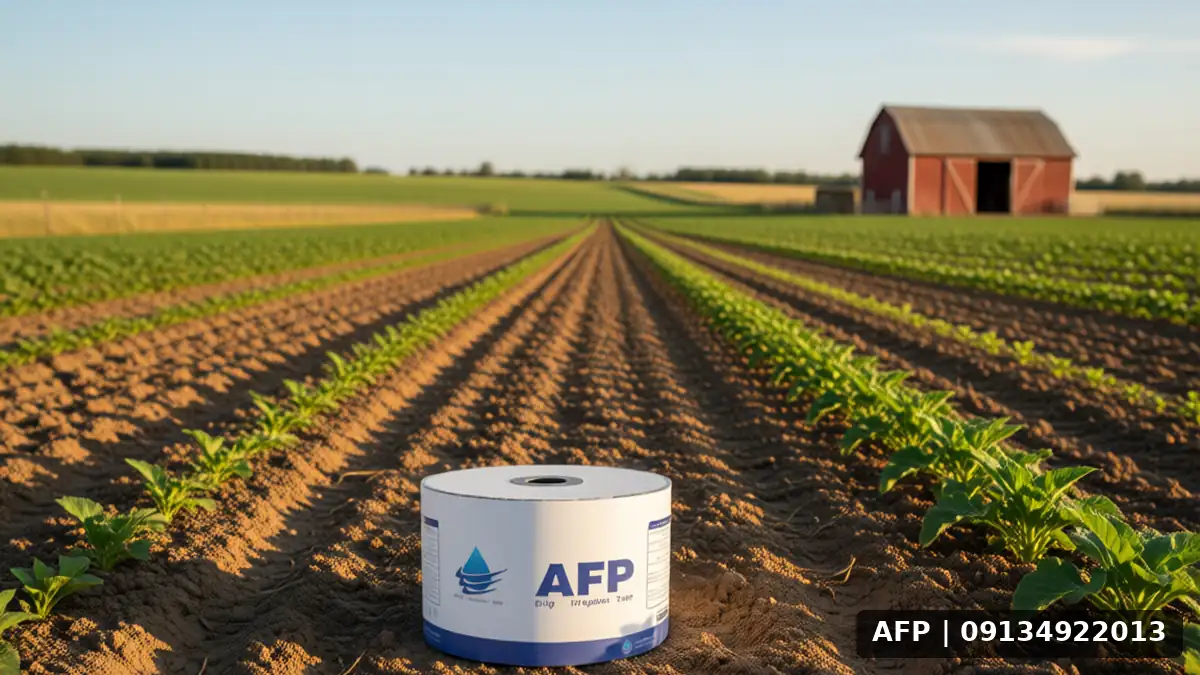
A depth of 15 to 20 centimeters is ideal. This range interferes with the most active melon roots. Greater depths (e.g., 40 centimeters) prevent roots from reaching the pipe, leading to water inefficiency; shallower depths cause water temperature fluctuations.
What pump pressure is required?
Generally, subsurface pipe systems operate at lower pressures than drip systems, but due to line length and small diameter, a pump with a pressure of 2 to 4 bar is required. If the pressure is lower, the end of the pipe will remain dry, resulting in uneven water distribution.
Final Conclusion
Implementing sub-surface irrigation in melon orchards is an investment in smart agriculture. By meeting the prerequisites: accurate soil drainage analysis, installing safe filtration for fittings, using moisture sensors for real-time decision making, and maintaining regular care, you can expect produce with higher dimensional uniformity and surface quality. Water consumption is also reduced by approximately 25 to 30 percent compared to conventional surface irrigation. This path is a significant step towards sustainable and precision agriculture.
Related articles for further reading: Water application rate of drip tape To understand the relationship with modern methods as well as the dry bean yield per hectare for comparing the agricultural performance of other plants under similar irrigation conditions. Drip tape spacing for standard optimal bean planting