Rainfed Irrigation and Erosion in Lettuce Cropping: Optimal Cost Analysis
Introduction to the Challenges of Lettuce Irrigation
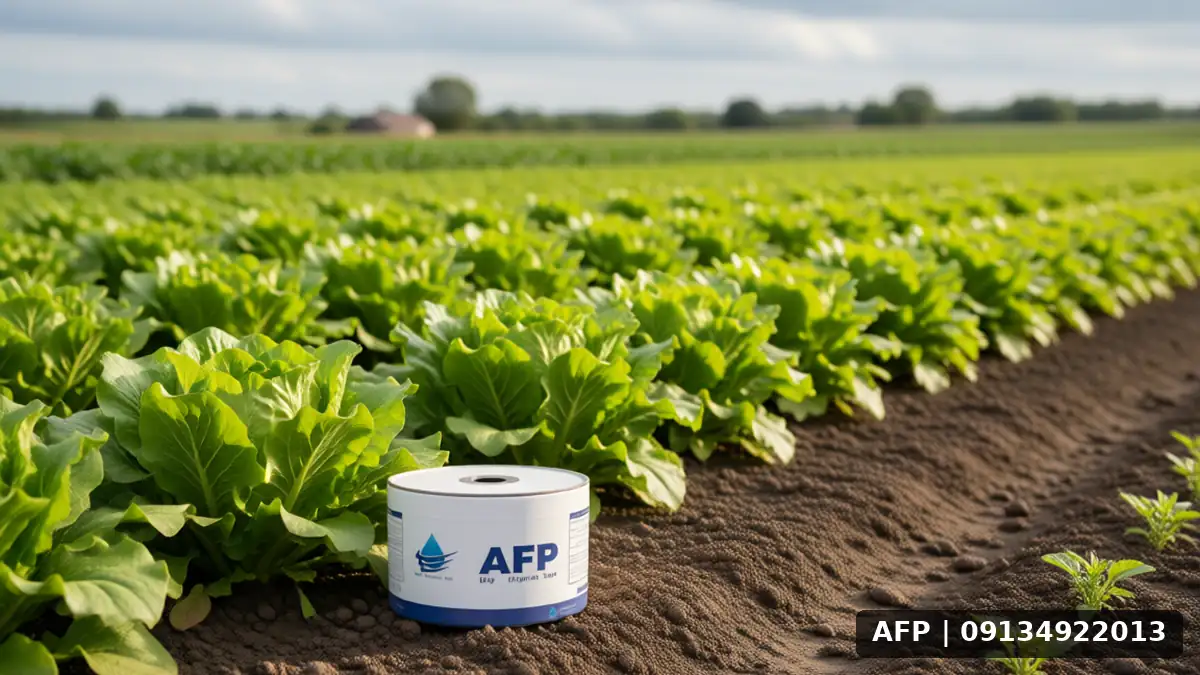
Lettuce is one of the most sensitive leafy vegetables that requires precise management of soil and surrounding air moisture. Due to its fragile leaf structure and shallow root system, the plant is highly responsive to significant fluctuations in moisture levels. Any sudden changes in moisture can lead to stem cracking, reduced yield weight, and a substantial increase in production costs. In many production regions, reliance on conventional sprinkler irrigation systems without precise monitoring results in severe water waste and physiological stress in the plants. This article focuses on the advanced method of ‘driven sprinkler irrigation’; an approach that utilizes advanced tip nozzles or low-pressure sprinklers with driven flow to maintain system stability. Our primary objective is to examine technical and economic optimization to reduce key costs, maintain product quality, and enhance resource efficiency. This comprehensive guide is designed for farmers seeking a balance between economic viability and environmental sustainability who aim to succeed in modern competitive markets.
Mechanism of Driven Sprinkler Irrigation in Lettuce Cultivation
In this technical context, the term ‘rushing’ refers to the continuous, controlled, and uniform flow of water through specific strips or nozzles. Unlike the heavy and irregular rainfall in older sprinkler systems, this method directs fine particles onto the soil surface with moderate and constant pressure. Since lettuce roots are primarily located in the upper soil layers, this method keeps moisture precisely within the root zone without causing deep percolation. The lateral coverage created by the rushing strips stabilizes soil temperature and reduces the risk of leaf scorch during hot summers. Additionally, uniform moisture leads to reduced water stress and increased head weight and quality, which directly affects the final selling price.
Impact on energy costs and resources
- Reduced pumping costs: The need for lower operating pressure due to spray distribution leads to significant savings in electrical energy consumption.
- Reduced water losses: Precise water delivery to the root zone minimizes waste on weeds and direct evaporation from the soil surface.
- Increased product quality: Precise moisture control results in a uniform, healthier, and more marketable product, reducing post-harvest costs.
Economic Analysis and Cost Optimization
The optimal cost of lettuce irrigation includes initial equipment costs, water consumption, labor, energy, and maintenance and repair expenses. Achieving the optimal point requires a sensitive balance between discharge rate and irrigation frequency. High discharge rates, due to the limited permeability of the upper soil layers, cause water runoff, loss, and soil erosion, while low discharge rates increase operational costs by requiring more frequent irrigation. Using transparent drip tape that can be repaired reduces replacement costs in the long term and extends the system’s useful life. A study is conducted to better understand the impact of variables on final performance and resource sustainability in arid regions. Barley dryland yield per hectare: Strategies for Increasing Productivity and Sustainability in Arid Regions can provide broader insights. Additionally, the review chickpea seed per hectar iraq indicates shared principles of water scarcity management and resource optimization across different crops, which can serve as a model for lettuce farm management.
Practical Tips for System Installation and Maintenance
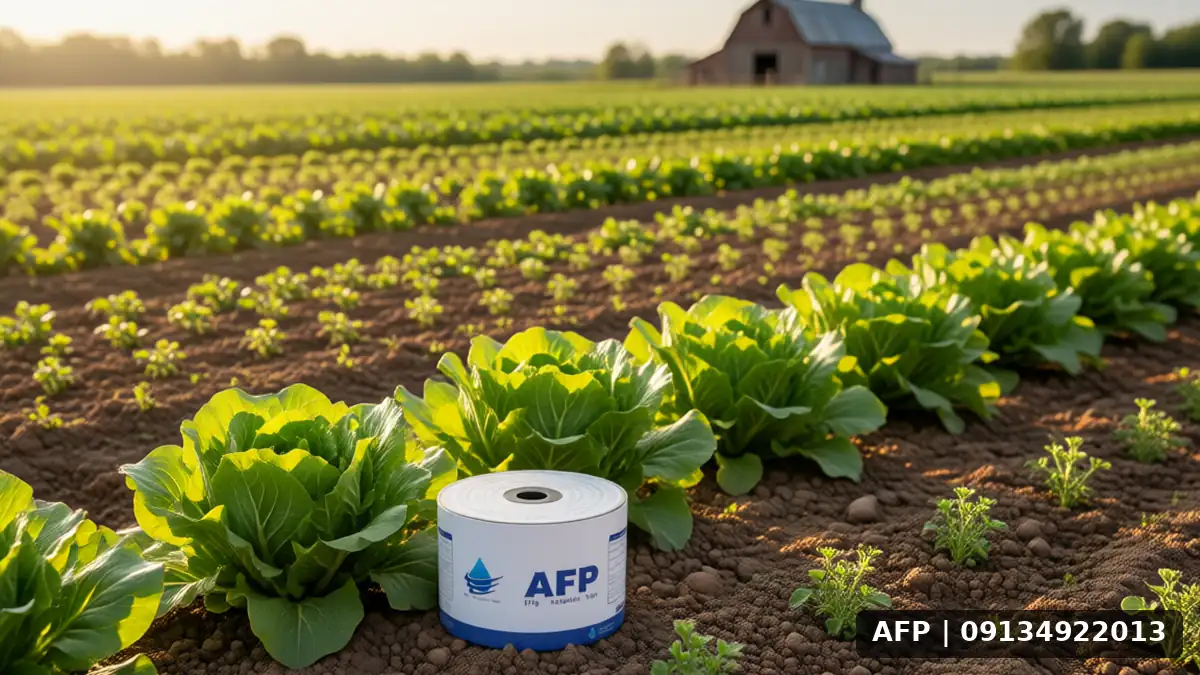
Proper technical execution is essential for realizing optimal cost analysis. The distance of the drip tape from the soil surface should be between 5 and 10 centimeters to facilitate water movement toward the roots and prevent excessive stem wetness. Terrain slope must also be considered; in steep slopes, flow velocity increases and coverage uniformity decreases. Under these conditions, using tapes with shorter spray radius and higher frequency is mandatory to prevent water runoff downstream. Furthermore, regular system maintenance is a key factor in reducing costs.
- Proper pipe installation: Using high-quality pipes for flexibility and UV resistance is recommended. For types and technical specifications, refer to folding agricultural pipes .
- Robust filtration system: Lay-flat hoses have high sensitivity to sediment and suspended solids. It is essential to use mesh or disc filters with appropriate sand ratings and clear check valves to prevent clogging of drippers.
- Initial and final flushing: Before the start of the growing season and after the end of each growing cycle, flush the hose with a sediment-free flow to remove potential blockages and prepare the system for the next season.
Comparison with Other Lettuce Irrigation Methods
Comparing swash strips with conventional drip and sprinkler systems highlights their competitive advantages on flat and semi-flat farms. While drip irrigation is highly efficient in water usage, it has a higher initial cost and incurs significant maintenance and troubleshooting expenses if clogged. Conventional sprinklers with uneven distribution frequently wet leaves, increasing the risk of fungal diseases in lettuce and doubling preventive spraying costs. The swash-type strip combines lateral coverage and pressure control, resolving the main issues of drip and sprinkler systems. For farmers in central regions facing water scarcity, understanding how this system reduces financial risk is crucial. You can explore topics related to Fixed Spray Tape, as they share similar principles and are ideal for large farms. potato drip tape complete guide
Frequently Asked Questions (FAQ)
Does swash irrigation cause lettuce leaf diseases?
No. If the spray is uniform with fine droplets and prevents excessive leaf wetness during evening or night hours, the disease risk is significantly reduced. Lettuce is sensitive to prolonged leaf wetness, so irrigation should be scheduled for early morning, allowing leaves ample time to dry under sunlight. This simple but critical step can reduce disease control costs by up to 30%.
How Do We Calculate the Optimal Cost?
The optimal cost is the point where the cost of increasing flow rate or irrigation frequency equals the reduction in spoilage costs or yield loss. These figures can be determined through field tests in different farm sections. Accuracy in soil moisture measurement at a depth of 10 to 15 centimeters below the surface is the key to the calculation. Reliable soil moisture sensors are recommended for this task to minimize guesswork.
What is the difference between fixed and movable drip lines for lettuce conveyor?
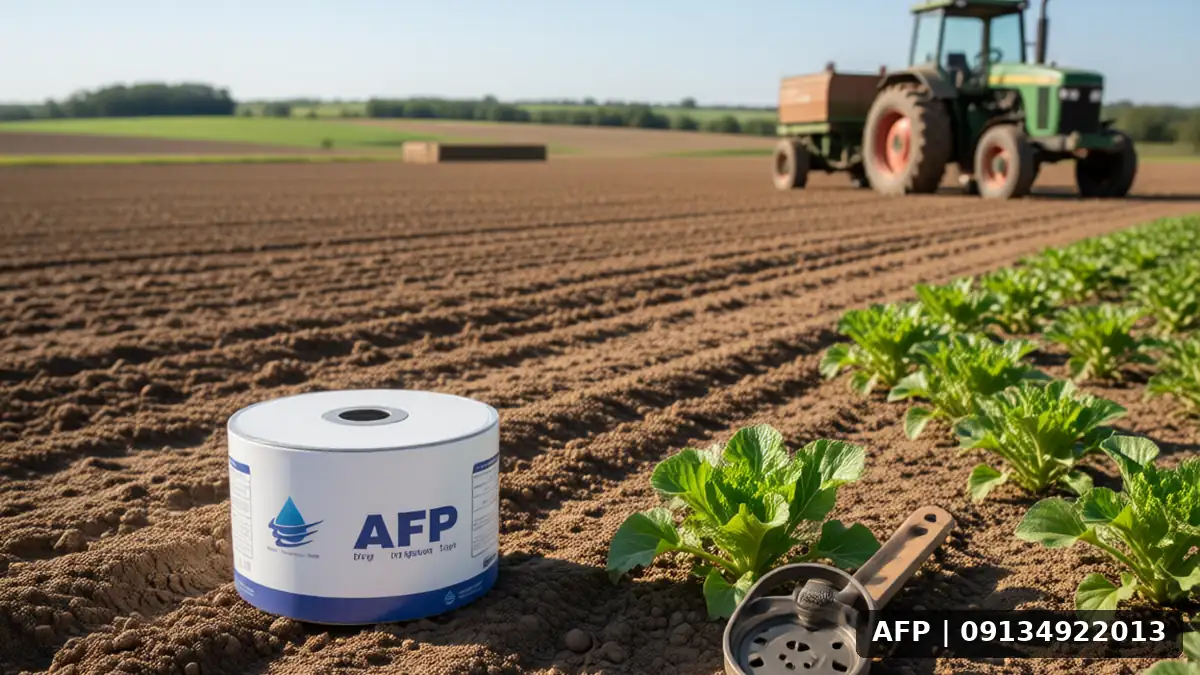
Movable lines have the ability to be repositioned during the season, which is excellent for farms with multiple consecutive plantings. Fixed lines are designed for a single long-term crop and require less maintenance. In lettuce cultivation, where the growth cycle is short, movable lines are sometimes more economical because they can be transferred to other vegetable crops, thereby minimizing initial capital costs.
Summary and final conclusion
Sprinkler irrigation with conveyors for lettuce cultivation is a smart and modern method for farmers that can reduce operational costs while ensuring product quality. The key to success lies in precise pressure regulation, regular filter maintenance, and proper irrigation scheduling. By implementing the principles mentioned in this article, you will not only gain better control over your water resources but also increase the economic value of your farm. Success in lettuce cultivation is a combination of technical knowledge and attention to operational details, and choosing the right irrigation system is your first major step.