Center Pivot Irrigation in Melon Cultivation: Prerequisites and Technical Notes
Introduction to the Importance of Center Pivot Irrigation in Melon Cultivation
Melon is one of the most sensitive agricultural crops, requiring precise and regular water management. In this context, center pivot irrigation as an advanced method focused on uniform water distribution along the border of the planting bed, can play a decisive role in improving both yield quality and quantity. However, achieving these results requires a deep understanding of the essential technical and agronomic prerequisites.
Many farmers believe that simply installing drip emitters or tapes is sufficient, whereas multiple prerequisites—including land leveling, soil type, temperature, and even irrigation timing—significantly affect final performance. This section of the article focuses on a detailed examination of these prerequisites to provide you with a comprehensive perspective.
To better understand the position of center pivot irrigation among other methods, you can refer to modern soil irrigation techniques to obtain a complete overview of available technologies.
Agronomic Prerequisites and Bed Preparation
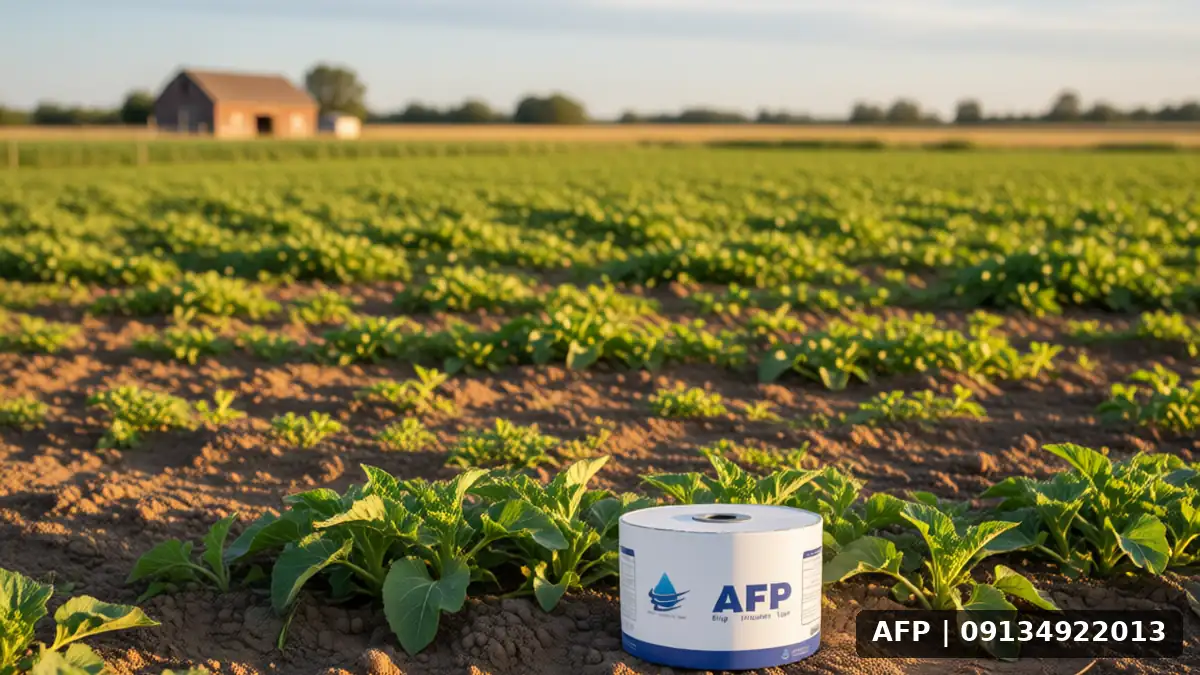
Before any technical action in installing an irrigation system, the agronomic bed must meet appropriate conditions. The first key prerequisite is Precision land grading . In center pivot irrigation, even minor undulations can cause asymmetric water distribution and root stress at certain crop stages. It is recommended to use laser leveling or precision leveling tools for bed preparation.
The second prerequisite is soil assessment . Melons require soil with adequate drainage. For light (sandy) soils, more frequent but smaller volume irrigation is required; conversely, in heavy clay soils, water management must be conducted with greater caution to prevent root rot. Metallurgical soil analysis is also essential for adjusting inline fertilization.
The third prerequisite is selection of quality seed and appropriate planting timing. Melons are sensitive to soil temperature; if the ground temperature is below 15 degrees Celsius, germination is slow and the plant becomes susceptible to fungal diseases. To address this, the use of perforated plastic mulch can increase soil temperature and retain moisture.
For more information on seed management and influencing factors, read the article Peanut Seed Rate per Hectare + Influencing Factors It can serve as a model for understanding planting density and root space, although different spacing considerations apply to melons.
[[IMAGE_1]]
Technical and Equipment Prerequisites for the Irrigation System
Selecting the right equipment is the heartbeat of any center pivot irrigation system. In this section, we examine technical prerequisites, including the selection of tape or drip emitters, appropriate flow rate, and operating pressure.
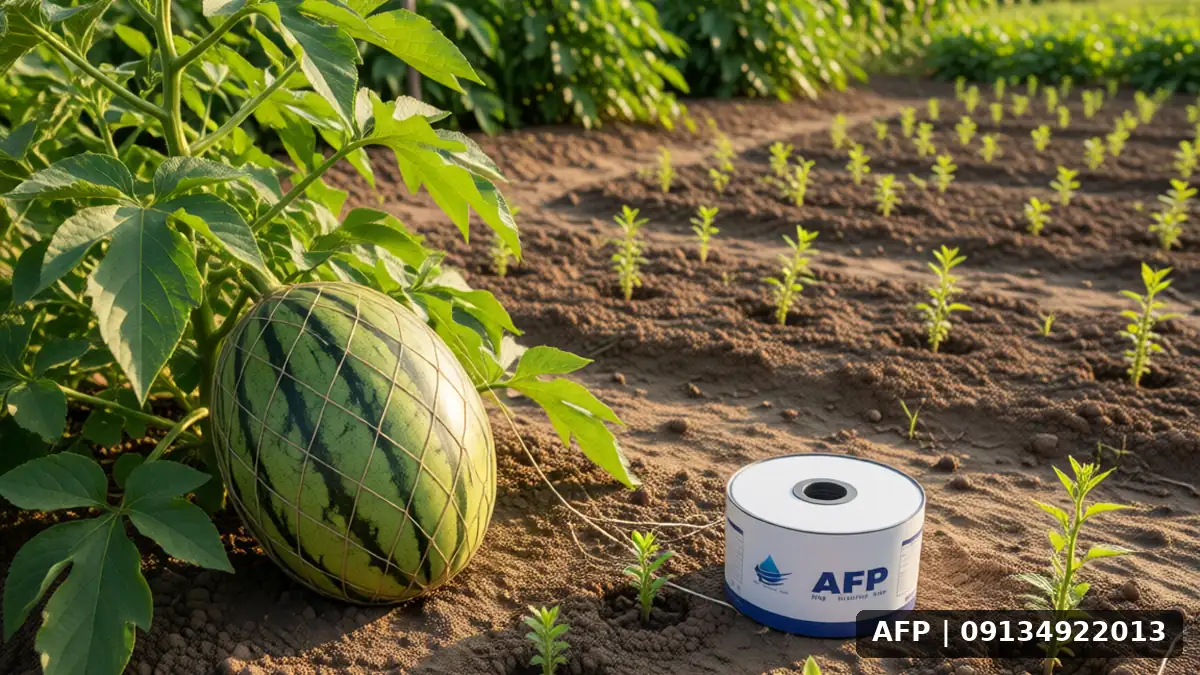
1. Selecting Tape or Drip Emitters: For melons, where row spacing is typically balanced, tape with appropriate flow rates is generally more efficient and cost-effective. However, if double-sided planting is employed, adjustable drip emitters may offer greater flexibility. When making the selection, pay special attention to choosing the appropriate drip irrigation tape to prevent clogging issues.
2. Drip tape wall thickness: A prerequisite for resistance to bursting and insect damage is the use of drip tape with a standard, robust wall. Very thin tapes may have a shorter lifespan. Read the article Choosing the appropriate drip tape wall thickness helps you strike the right balance between initial cost and durability.
3. Proper physical installation: Installing drip tape is a delicate process. Any kinking, punctures caused by gravel, or disordered placement can lead to leaks and water waste. The main prerequisite is clearing the planting bed of stones and tree roots.
A step-by-step guide for this process is detailed in the article ‘Drip Tape Installation Steps’, which is recommended to be carefully read before field execution.
[[IMAGE_2]]
Prerequisites for Water and Energy Resource Management
Center pivot irrigation without optimal water and energy management is merely a water delivery system, not an efficient one. The prerequisites for this section include water quality, power sources, and scheduling.
Water quality: Melons are sensitive to salinity. In areas with saline water, using a drip line with high flow rates and increased irrigation frequency can lead to salinization and reduced plant growth. The primary prerequisite is water testing to determine the allowable EC limit. If your water has high salinity, you must use high-volume leaching techniques at specific times.
Irrigation scheduling: Melons are more sensitive to water stress in early stages (germination) than in later stages. However, during fruit set and ripening, they require consistent and moderate moisture. Significant fluctuations in moisture can cause cracking in melon fruits, which is a major commercial defect. Therefore, the prerequisite is adjusting timers based on the plant’s growth (Fenological) stages.
Energy consumption: Center pivot systems typically require constant pressure. If the water source is at ground level and lacks a pump, the prerequisite is ensuring adequate energy supply to maintain pressure. Pressure drop at the end of the line can result in insufficient irrigation for plants at the tail end.
Practical tips for melon center-pivot irrigation
- Using perforated plastic mulch: This practice not only raises soil temperature but also prevents weed growth and reduces water evaporation. Ensure the drip line is either placed on top of the plastic or runs underneath it to prevent abrasion.
- Monitoring homogeneity: Every 3 to 5 meters, lift the line and check whether water is discharging evenly and in sufficient volume. Correct any observed deviations immediately.
- Managing water stress: Avoid severe dryness. Melons subjected to short-term water stress produce smaller fruits with a bitter taste. The goal is to maintain moisture within the root zone.
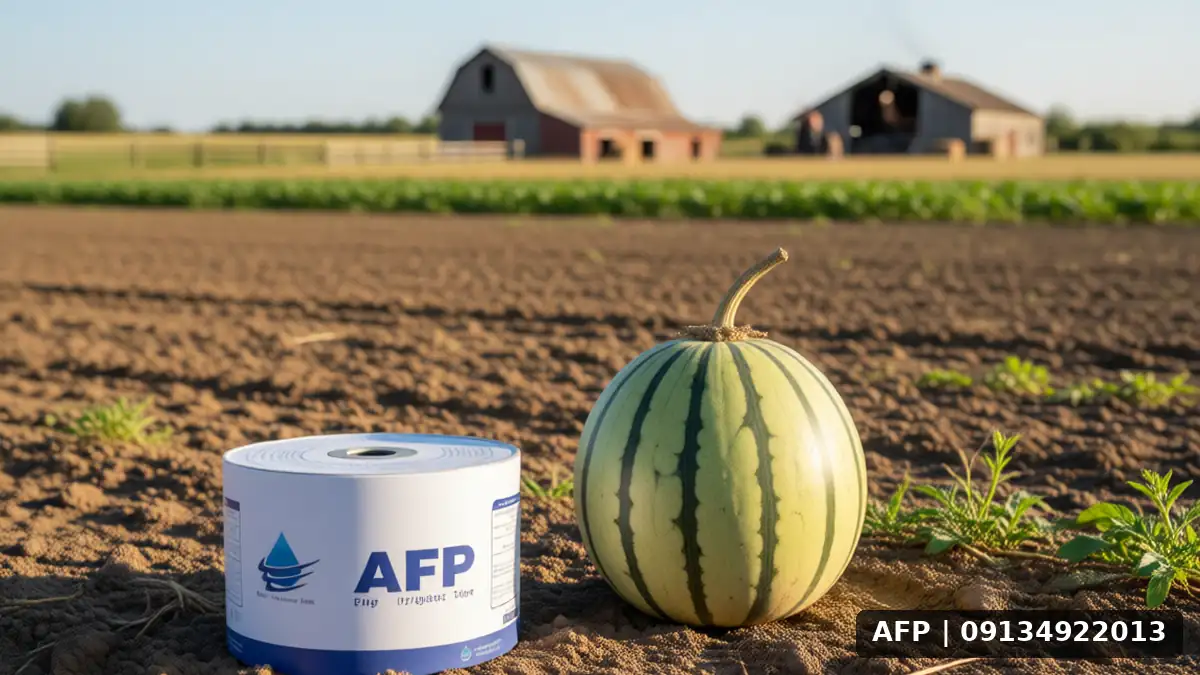
- Cleaning filters: The prerequisite for seamless flow is filter cleanliness. Check filters once a week or after every start/stop cycle. Clay sediment is the primary cause of drip line clogging.
[[IMAGE_3]]
Frequently Asked Questions (FAQ)
When is the best time to water melons with drip irrigation?
The best times are from night to late afternoon to reduce evaporation. Avoid irrigation during peak solar radiation hours. If you have access to electricity, using a timer for early morning irrigation is also very effective.
Is center pivot irrigation suitable for all melon fields?
No. In very uneven farms where leveling is not possible, center pivot irrigation becomes problematic. In flat to gently sloping farms, this method is the ideal option.
How does melon planting density affect center pivot water requirements?
High density causes root competition and requires more precise drip line management. If plants are overcrowded, high leaf humidity can exacerbate fungal diseases. Balancing planting spacing and drip flow is critical.
Conclusion: Key Prerequisites for Success
Center pivot irrigation in melon cultivation is not just a technical method but a comprehensive approach that begins with land preparation and ends with smart water and energy management. The main prerequisites include precise leveling, soil assessment, selecting drip lines with appropriate emitters, maintaining clean filters, and continuous monitoring of water quality.
By adhering to these prerequisites, the farmer not only saves water but also achieves higher melon quality, which creates greater added value in target markets. For a deeper understanding of irrigation challenges under various conditions, it is recommended to consult the article on ‘Irrigation of Sloping Lands: Damage and Prevention’ and the comprehensive guide on ‘Irrigation Damage on Sloping Lands’ as supplementary reading. Success in this cultivation is the sum of technical knowledge, operational precision, and continuous monitoring.
Related Articles: Rotational Irrigation of Farmland: Advantages and Disadvantages D988, taloqutti tuxm dor hektar miqdor