Sprinkler Irrigation with Runoff in Basil Cultivation: Prerequisites
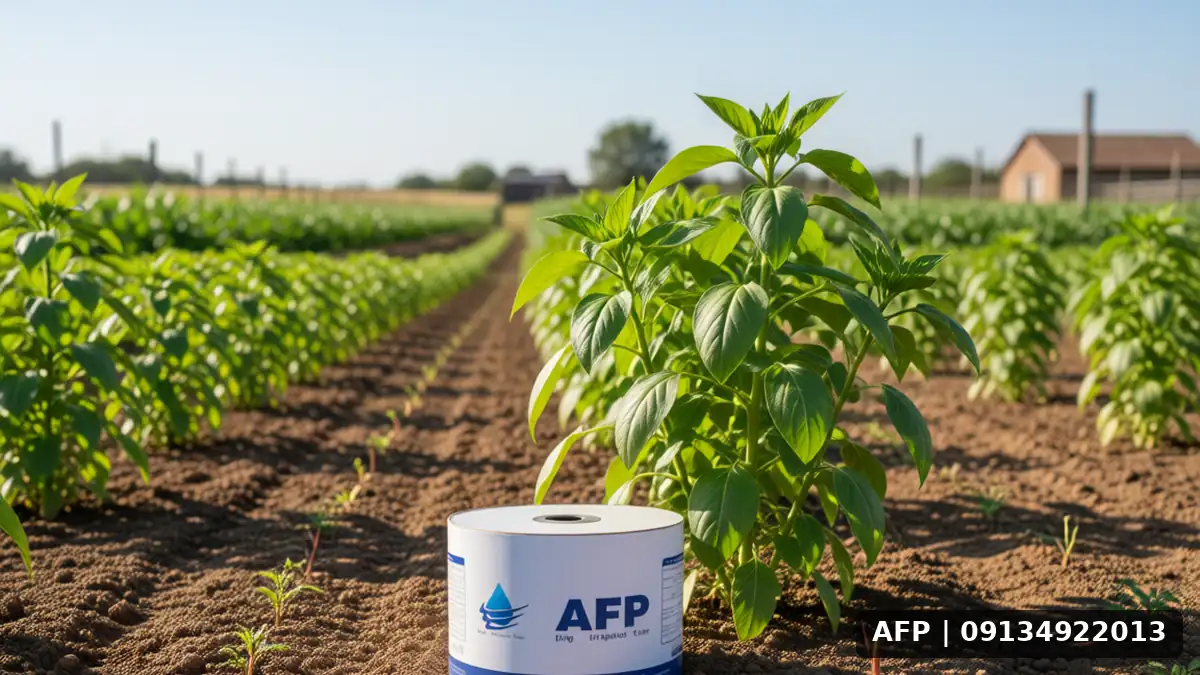
Introduction to the importance of proper basil irrigation
Basil is a highly drought-sensitive plant vulnerable to environmental stress, requiring a precise and regular irrigation regime for optimal growth. Among various methods, Rain irrigation with run-off is considered an attractive option due to uniform coverage and reduced mechanical stress on delicate stems. However, using this method without considering specific prerequisites can lead to fungal diseases and a decline in product quality. The following section examines these prerequisites in detail.
To better understand irrigation challenges in green and aromatic plants, a conceptual study of black seed rate per hectare and its sensitivity to irrigation systems can provide a comparative perspective on the sensitivity of leafy plants to water run-off. Additionally, examining the sweet basil seed rate per hectare shows that planting density directly conflicts with run-off intensity and water requirements. These comparisons help achieve a deeper understanding of the relationship between plant density and uniform water distribution.
Technical prerequisites for designing a run-off irrigation system
Run-off irrigation for basil involves spraying fine water droplets at controlled speeds to prevent damage to leaves and stems. Designing this system requires high technical precision, detailed as follows.
1. Regulating input pressure and flushing pipes
One of the most critical prerequisites is precise system pressure adjustment. High pressure causes excessive drift and plant damage, while low pressure results in uneven irrigation coverage. Based on Lucass yield per hectare, it must be ensured that uniform yield requires uniform irrigation. Therefore, pressure equalization across all points of the planting area is vital. This requires installing precise manometers at various field locations and using valves for flow regulation.
2. Selecting appropriate nozzles with spray angle
Basil spray nozzles must be designed to disperse droplets as suspended fine particles (micro-spray). The spray angle should be vertical or near-vertical so that water does not strike the plant canopy directly. This point is also significant in the design of similar systems for other crops, as discussed regarding seed rate per hectare; because high plant density requires more uniform spraying. Selecting nozzles with the appropriate diaphragm is the key to preventing irregular spray patterns.
Soil and water prerequisites for basil
Basil requires well-drained soil with a neutral pH. Before installing the drip irrigation system, soil and drainage water analysis is essential. Due to water evaporation at the surface, drip irrigation can cause soil salinization at the surface in dry regions if preventive measures are not taken.
Drainage preparation and salinity control
When designing drainage channels, the path for excess water discharge must be considered. Sweet basil is sensitive to waterlogging. Additionally, monitoring the pH of irrigation water is critical. For sweet basil, surface irrigation, particularly during the early growth stage, requires frequent, low-volume applications to prevent water stress on the roots without saturating the soil. For comparison with other crops, the seed rate per hectare indicates that high-density plants require precise soil moisture management to prevent creating a humid environment conducive to fungal growth.
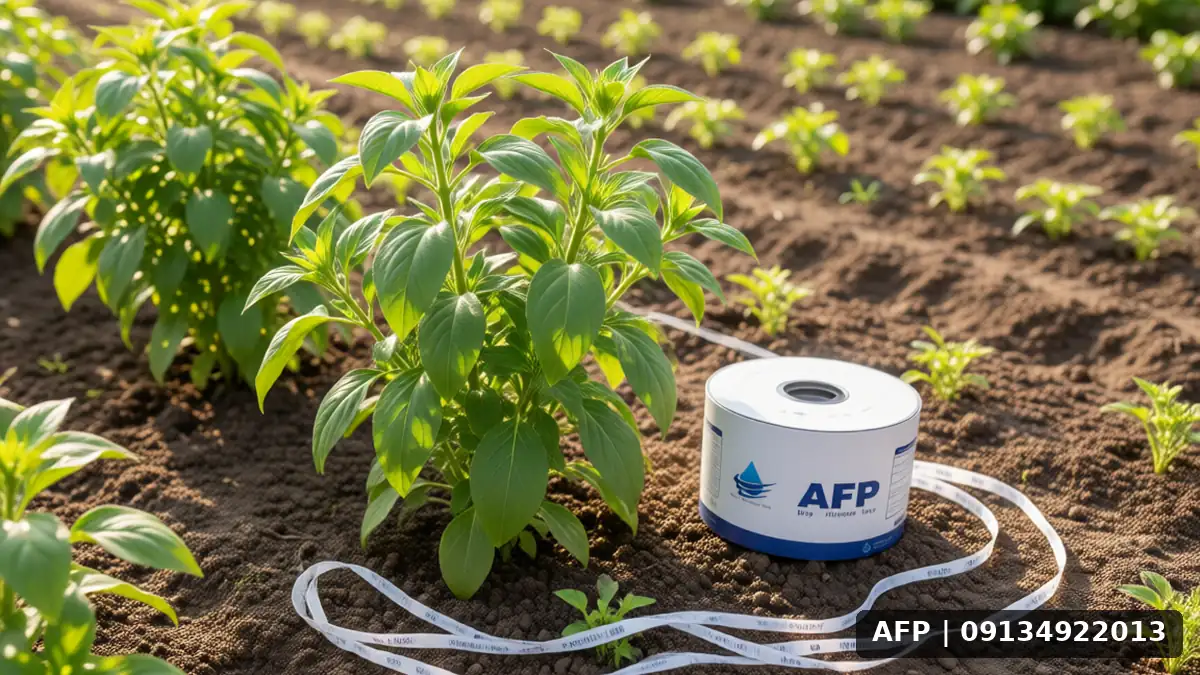
Practical tips for implementing furrow irrigation of sweet basil
- Irrigation scheduling based on climate: In hot and dry conditions, increase irrigation frequency and decrease the volume of each application to minimize evaporation.
- Prevention of fungal diseases: Avoid applying water to the leaves in the evening, as the foliage will not dry by night. The optimal time is early morning.
- Planting and row arrangement: Align row orientation with the prevailing wind direction to increase air velocity under the basil canopy and reduce humidity.
- Hydrostatic control: Prevent excessive runoff that causes soil settlement and clogging of drainage channels.
In addition to these points, familiarity with other technical details, such as the seeding rate of White Lucas per hectare, can provide better insight into density and water management in runoff systems for basil.
Frequently Asked Questions (FAQ)
Is drip irrigation better than runoff irrigation for basil?
Drip irrigation is the superior option in terms of water use efficiency and reducing fungal diseases (since it keeps water off the leaves). However, runoff irrigation is feasible if adequate ventilation is in place to prevent rapid leaf drying. In humid regions, drip irrigation is preferred.
When should runoff irrigation be used for basil?
During the germination stage, spray irrigation can be beneficial due to low surface moisture requirements. However, at the vegetative growth and flowering stages, it is recommended to use systems with less leaf wetting, such as drip irrigation, to minimize the risk of root and foliar diseases.
What is the optimal planting density for basil under spray irrigation?
High basil planting density results in a dense canopy cover, preventing spray water from penetrating deep into the soil. Therefore, for spray irrigation methods, maintain a moderate planting density to ensure airflow and water reach to the roots.
Conclusion
Spray irrigation in basil cultivation is a high-volume, high-risk method that requires precise prerequisites regarding nozzle design, pressure control, soil salinity management, and irrigation scheduling. If modern irrigation systems, such as drip irrigation with a tape system, are available, they offer safer and more efficient methods for sensitive plants like basil. Farm managers should select the best irrigation scenario for their conditions by understanding these concepts to increase yield and product quality.
Related articles: Lucas Cito yield per hectare, Acent seed amount per hectare, White Lucas seed amount per hectare, Black seed amount per hectare Kidney bean yield: D8AFD8B1/ha, Coffee seed amount: D8AFD8B1/ha, Components of drip irrigation system, strip D8AADB8C, lettuce seed quantity per hectare irrigation tips