Drip Irrigation in Canola Cultivation: A Comprehensive Guide
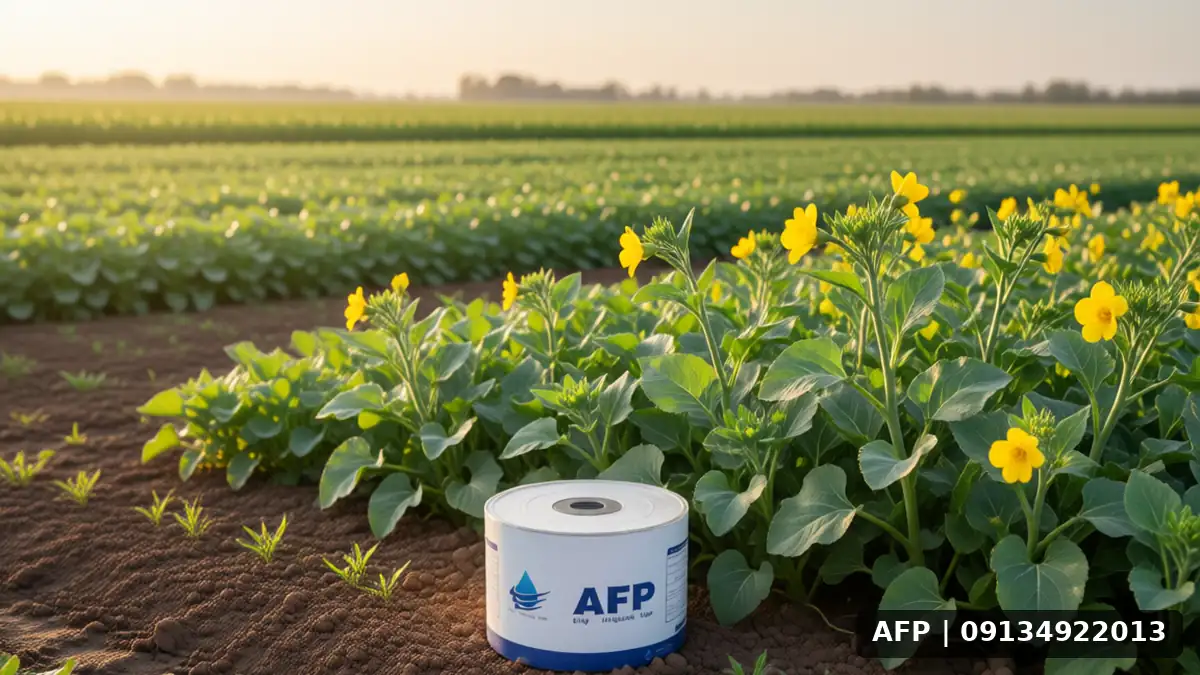
Introduction
Canola cultivation is one of the most important oilseed crops in Iran, requiring precise water resource management to achieve maximum yield and appropriate quality. Deficit irrigation or controlled low-irrigation methods, is a strategy that has attracted the attention of farmers under conditions of water scarcity and increasing resource costs. By reducing water consumption compared to full irrigation while maintaining an acceptable level of yield, this method can help improve crop profitability. This comprehensive guide examines the correct implementation of deficit irrigation in canola, practical points, and common questions, enabling farmers to make better-informed decisions.
Why Deficit Irrigation?
Given the limited and declining fresh water resources and drainage sources, the use of low-irrigation methods, particularly in canola cultivation, is an undeniable necessity. Deficit irrigation not only reduces water consumption but also prevents damage to the root system and a decline in seed quality by distributing moisture uniformly in the soil profile. This method can provide a significant economic advantage to farmers, especially in semi-arid and desert regions where water scarcity is a persistent problem.
In this section, we first examine the basic principles of deficit irrigation in canola and then address practical and operational points to enable you to implement this method confidently in your farms. The challenges encountered and practical solutions for managing them will also be discussed.
Operational Principles of Deficit Irrigation in Canola
The principles of deficit irrigation in canola are designed to allow farmers to maintain acceptable seed quality while optimizing water reduction. To achieve this, accurate knowledge of the plant’s water requirements at each growth stage, soil type, and farm climatic conditions are the keys to success. The following outlines the key steps for implementing this method.
Determining tolerable water deficit
Determining the tolerable water deficit (TWD) or tolerable mild water stress is the first and most critical step in implementing deficit irrigation. This value is determined based on soil type, air temperature during hot periods, and the plant growth stage. During the early growth stages of canola, the plant requires higher moisture to reduce root system vulnerability. As the plant grows, tolerable mild water stress increases, allowing for a gradual reduction in water volume without causing a significant drop in yield.
Scheduling irrigation based on climatic conditions
In deficit irrigation, precise scheduling of irrigation is considered a key factor in maintaining optimal root zone moisture and reducing plant stress. In dry and semi-dry climates, irrigation should be scheduled during cool nighttime hours to minimize evaporation loss and the risk of leaf scorch. Additionally, in climates ranging from moderate to warm, monitoring evapotranspiration and rainfall levels is necessary as input data to adjust water volume, thereby preventing excessive moisture accumulation or moisture deficit.
By using soil moisture monitoring devices and digital sensors, you can accurately schedule irrigation times in accordance with soil conditions. This precision in timing plays a critical role in maintaining root zone moisture balance and preventing risks associated with improper irrigation. Additionally, by considering regional meteorological data, you can anticipate sudden weather changes and adjust the irrigation schedule based on future conditions.
Selecting the appropriate technology for uniform distribution
Choosing the right technology for uniform water distribution is a fundamental step in successful deficit irrigation. Using drip and tape systems is one of the recommended methods for controlled moisture delivery. These technologies reduce overall water consumption by minimizing evaporation and increasing water use efficiency, while maintaining sufficient root moisture to support appropriate crop growth even under water deficit conditions.
In implementing deficit irrigation, it is important to use precision irrigation systems that allow for flow rate adjustment. For this purpose, tape systems, particularly when combined with drip systems, can be an optimal choice. These systems reduce operational costs through uniform water distribution and consumption reduction, while simultaneously preventing root stress.
Furthermore, when selecting irrigation equipment, paying attention to pre-purchase considerations for irrigation tape is critical. These factors include assessing equipment quality, compatibility with farm conditions, and the system’s ability to distribute water uniformly. On the other hand, drip system components with tape must be selected to ensure compatibility with specific farm conditions and soil types.
Practical tips for implementing deficit irrigation
Implementing drip irrigation in rapeseed cultivation requires adherence to several practical points, which are discussed below. These points include pre-irrigation stages, system settings, root status monitoring, and management of water-deficiency-induced diseases. Precise execution of these points plays a key role in the success of the process and maintaining satisfactory seed yield.
Monitoring soil moisture status
Monitoring soil moisture is one of the most important pillars of drip irrigation management. Using moisture sensors, you can accurately monitor the moisture levels in deep root zones. This helps prevent moisture accumulation or severe depletion and allows you to calibrate the exact timing of irrigation. Additionally, regular monitoring of these indicators helps prevent risks associated with improper irrigation.
Managing diseases caused by water deficiency
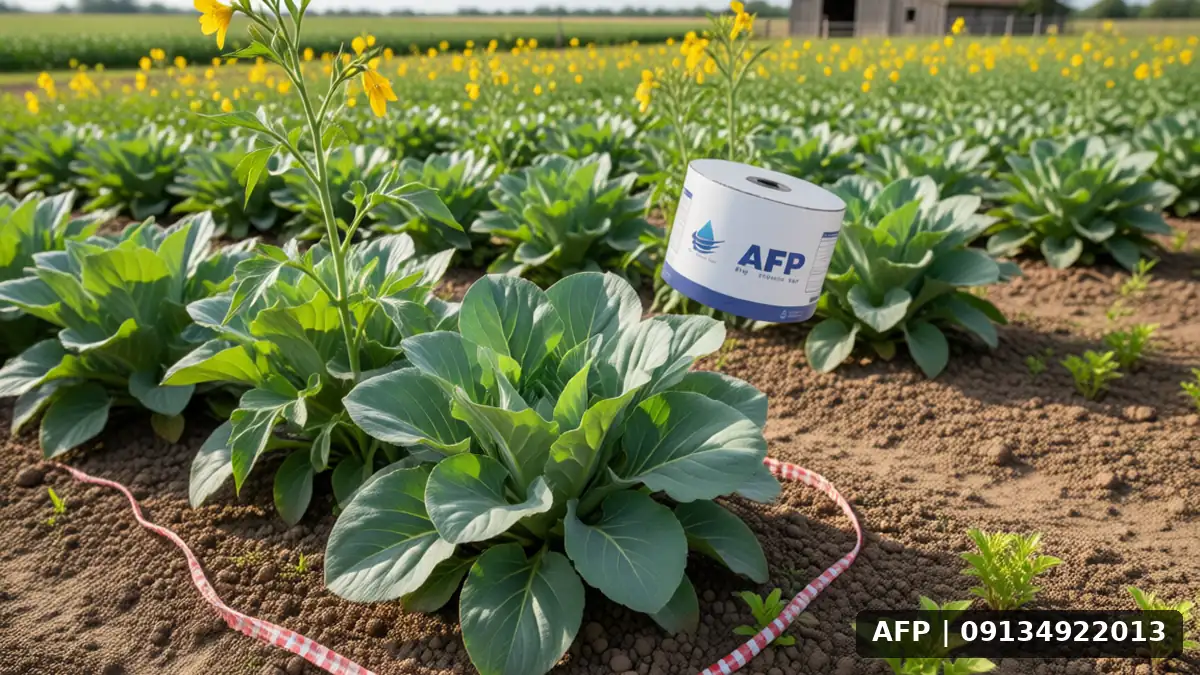
Moisture deficit can reduce the plant’s defense system and increase susceptibility to fungal and bacterial diseases. To manage these risks, plant hygiene programs should be implemented, and preventive measures should be taken if signs of water-deficiency-related diseases are observed. In specific cases, pesticides and root control agents are used to prevent moisture deficit caused by microorganism damage.
Irrigation planning based on growth stage
Planning irrigation based on the plant’s growth stage is a fundamental principle in drip irrigation implementation. During the initial emergence stages, the plant requires more moisture to prevent damage to the root system. During the plant growth stages, tolerable water stress increases, and water volume can be gradually reduced to prevent significant yield loss. Additionally, in the maturity stages, the plant requires sufficient moisture due to the need for accumulating organic matter for grain filling.
The best approach is to use precisely tailored irrigation schedules based on the growth stage. These schedules include settings for water volume, irrigation duration, and optimal timing. Using these schedules allows you to prevent moisture deficits at each stage while maintaining control over total water consumption.
Frequently Asked Questions
In this section, we answer some of the frequently asked questions regarding deficit irrigation in rapeseed cultivation. These questions cover implementation challenges, prerequisites for irrigation systems, and methods for optimizing water use efficiency.
Is deficit irrigation feasible under all conditions?
Deficit irrigation is not feasible under all conditions and depends on various factors such as soil type, regional climate, and crop growth stage. In extremely dry and low-rainfall conditions, this method can pose additional risks to the crop. Therefore, implementing this method requires precise planning and regular monitoring of soil conditions. Additionally, in cases of severe water shortage, it is recommended to use complementary methods such as planting in more suitable seasons and applying vegetative cover.
What is the tolerable level of water reduction in deficit irrigation?
The tolerable level of water reduction in deficit irrigation varies based on soil conditions, climate, and crop growth stage. Generally, a 20% to 30% reduction in water application volume is tolerable during crop growth stages. However, during early emergence and grain filling stages, this reduction should be lower to prevent damage to the root system and avoid growth reduction. If signs of excessive drought stress are observed, the irrigation schedule should be optimized and water volume increased as needed.
Is the use of drip systems essential for rapeseed irrigation?
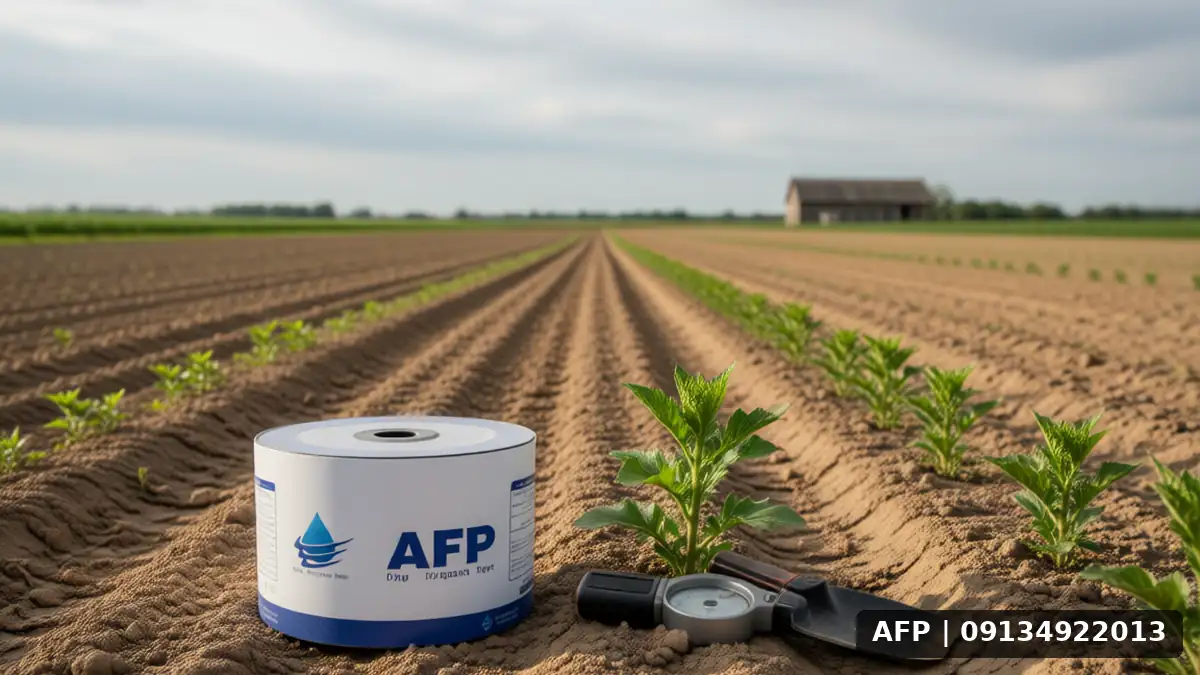
The use of drip systems for rapeseed irrigation, particularly under semi-dry soil conditions, is recommended. These systems increase water use efficiency by precisely distributing water and reducing evaporation, and they prevent root stress. Therefore, in most conditions, the use of drip systems is recommended as a complementary method for rapeseed irrigation. Additionally, these systems offer a significant economic advantage by reducing energy consumption and implementation costs.
What considerations should be taken into account before implementing rapeseed irrigation?
Before implementing rapeseed irrigation, it is advisable to consider the following: assessing soil type and infiltration capacity, determining the crop’s tolerable water deficit, selecting an appropriate irrigation system, and reviewing regional climatic conditions. Furthermore, regular monitoring of soil moisture and precise irrigation scheduling based on the plant growth stage are critical. In this regard, applying pre-purchase guidelines for drip lines can help select the optimal system for your farm.
Conclusion and final recommendations
Implementing drip irrigation for rapeseed cultivation is a viable strategy for reducing water consumption and increasing efficiency. By following implementation principles, selecting an appropriate system, and regularly monitoring soil and plant conditions, risks of drought and yield reduction can be mitigated. This method offers significant economic advantages, especially in situations of water scarcity and rising resource costs. With proper implementation and continuous optimization, farmers can maintain acceptable seed yields through efficient water use.
Practical recommendations for farmers
- Regularly monitor soil moisture and adjust irrigation based on conditions.
- Using drip and tape emitter systems for uniform water distribution.
- Irrigation scheduling based on plant growth stage.
- Attention to moisture deficit symptoms and preventive measures.
- Under severe water scarcity, combining deficit irrigation with other supplementary methods.
Ultimately, implementing deficit irrigation in rapeseed cultivation requires careful attention to field conditions, appropriate equipment selection, and regular monitoring. By following the principles outlined, one can benefit from optimized water use and increased economic efficiency in rapeseed production.
Related Articles: Components of drip irrigation systems with tape emitters, Onion D8AFD8B1 seed quantity per hectare, Selection of drip irrigation line, Garden flower seed quantity per hectare: influencing factors and optimization methods