Surface Irrigation in Melon Cultivation: Cost Optimization
Introduction: Why is cost optimization critical for melon surface irrigation?
Melon cultivation, particularly in the arid and semi-arid regions of Iran, requires precise planning of water consumption. The surface irrigation method, while having lower initial capital costs than pressurized systems, can lead to significant resource waste and increased operational expenses without proper management. The objective of this article is to provide practical strategies for reducing the total cost of irrigation in melon farms without the need for extensive and costly structural modifications.
Many farmers face the challenge of how to benefit from the simplicity of surface irrigation while reducing high labor costs and water waste. The following sections examine specialized aspects and practical implementation tips.
Cost differences between surface irrigation and modern methods
Although this article focuses on optimizing the surface method, understanding its financial position compared to modern methods such as border irrigation Using drip or strip systems can simplify decision-making. Although drip and strip systems have higher initial costs, they reduce operational expenses in the long term by decreasing water consumption by up to 40% and eliminating the need for repeated land leveling. Nevertheless, for many small to medium-sized farms, optimizing the leveling process remains the most economical option. The choice between these two methods depends not only on budget but also on soil type, land slope, and available energy sources on the farm.
Key factors affecting the cost of furrow irrigation in watermelon cultivation
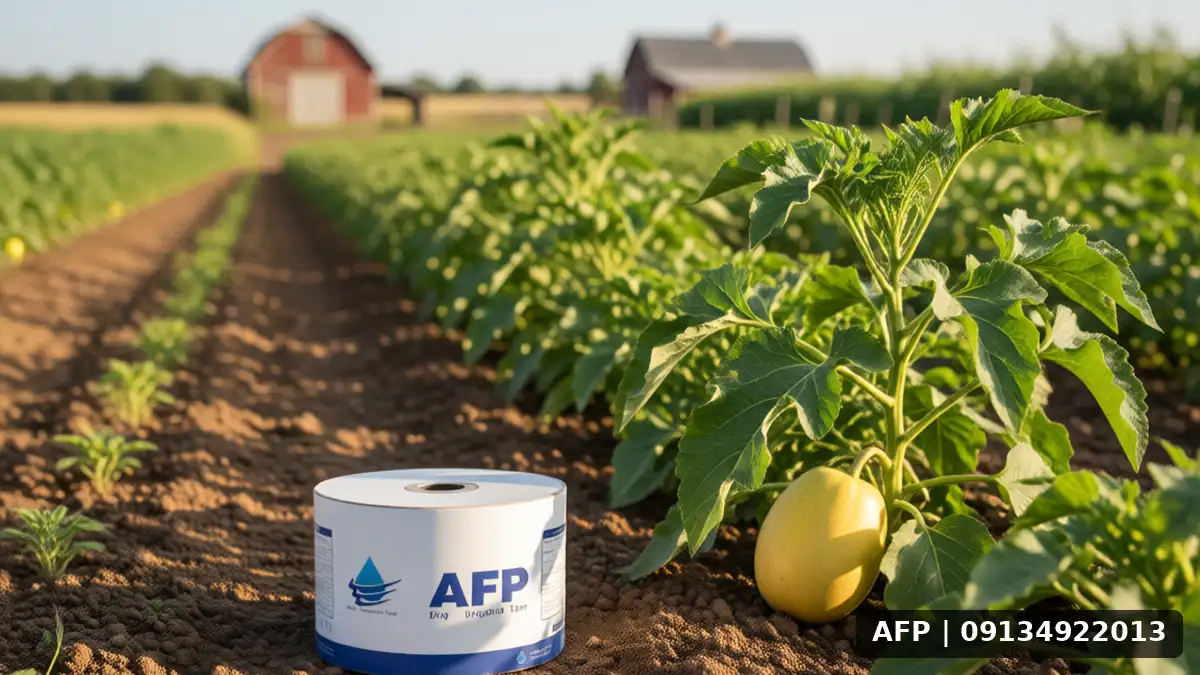
To reach the optimal cost point, key variables must be identified. Furrow irrigation costs in watermelon cultivation primarily include labor costs, water pumping costs, and land leveling costs. Watermelon is a plant sensitive to waterlogging; therefore, controlling water infiltration depth is a major challenge for cost reduction. Imbalance in water flow can cause root rot and a significant decrease in crop quality, ultimately doubling lost costs.
The role of precise land leveling in reducing costs
The biggest enemy of surface irrigation is land unevenness. When land is not properly leveled, water evaporates before reaching the end of the plot or causes root waterlogging in papaya at lower points. This not only increases pumping costs but also reduces crop quality and causes revenue loss. Using laser or mechanical grading methods with 5 cm per meter accuracy can reduce water consumption by up to 20 percent. Additionally, understanding the planting pattern principles related to spacing can help optimize water flow; for example, while studying ground almond seeding rate per hectare and better planting principles for water resource management applies to a different commodity, understanding optimal density and root requirements helps you adjust your crop load so that pipe placement distance or furrow orientation reaches optimal state. These measures ensure more uniform water flow and reduce waste in blind spots of the land.
Irrigation scheduling management
Irrigating during off-peak solar radiation hours (early morning or night) optimizes pumping costs, as network resistance and evaporation loss decrease. In papaya cultivation, the plant’s roots are mostly located within the top 30 centimeters of soil. Therefore, in surface systems, piping and water channels must be used in a way that maintains appropriate moisture depth for this zone. Additionally, soil temperature and evaporation rate at irrigation time should be considered to reduce pump pressure and equipment wear.
Practical tips for reducing costs in papaya farms
Implementing small changes can have significant effects on your monthly bill. Here are some practical solutions that improve economic returns without requiring major investment:
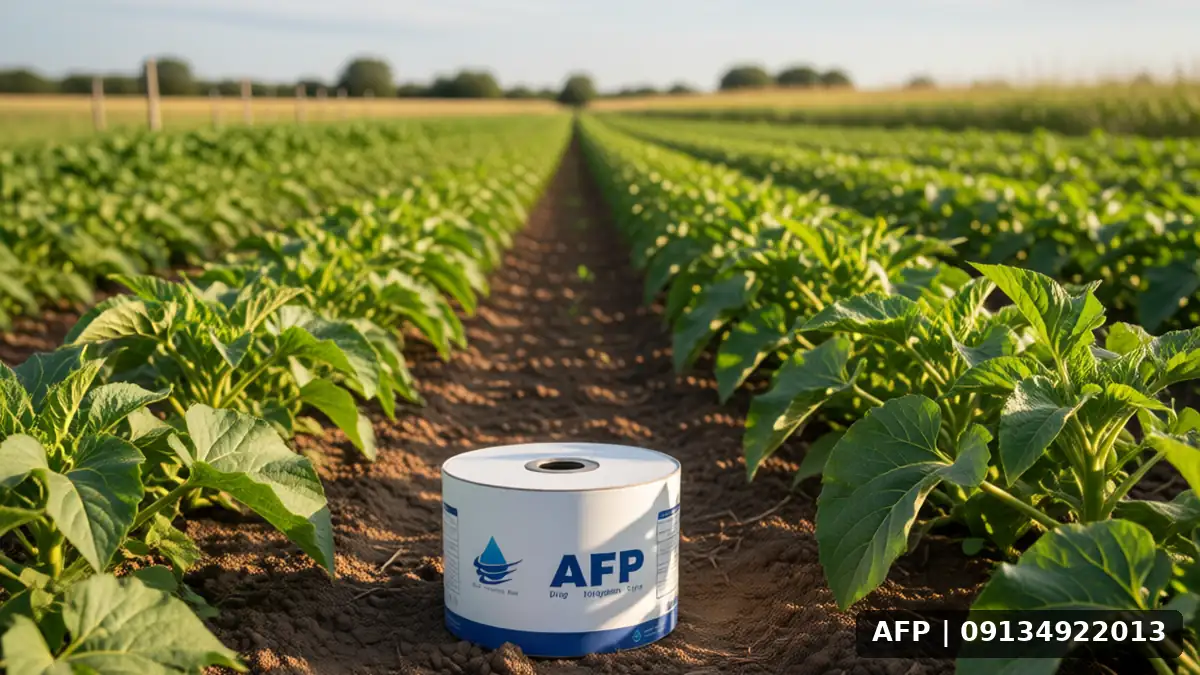
- Using pipe joint seals at connection points: In surface irrigation systems, leaks at channel connection points are the main source of water loss. Seasonal network inspection and sealing of leaks is the simplest way to reduce costs. Timely repair of worn parts prevents the purchase of expensive new equipment.
- Planting in rows (string layout): Although the main topic is irrigation, proper furrow arrangement allows water channels to operate more linearly. Study about Garlic seed rate per hectare and small vegetable planting patterns can inspire you to optimize melon layout, because the principles of plant spacing for water flow are the same. Maintaining appropriate spacing ensures water reaches all points of the paddy quickly and reduces water stagnation in dead zones.
- Using trash mulch: Mulch prevents water loss due to evaporation. Although it involves an initial cost, the return on investment is achieved quickly through reduced water volume used over two irrigation cycles. Additionally, mulch helps maintain root temperature, which is critical for melons.
Many farmers overlook the depreciation costs of auxiliary equipment. If your farm relies on a surface irrigation system, you may need to upgrade to pressurized systems in the future. Evaluating the price of PVC pipes and components can help you estimate maintenance costs for current systems and align them with newer standards. Furthermore, understanding drip tape or pressure tape concepts can provide better insight into alternative technologies available if you need to change systems. This knowledge enables you to make more selective financial decisions and avoid purchasing unnecessary equipment.
Frequently Asked Questions (FAQ)
Is surface irrigation or drip tape more suitable for melons?
Drip tape offers advantages in water consumption and quality control, but surface irrigation is cheaper in terms of initial costs and required technical expertise. To reduce costs in surface irrigation, you should focus on leveling and scheduling to avoid continuous water shortages or resource waste. If capital budget is limited, optimizing surface irrigation is more reasonable; however, if the goal is maximizing yield per hectare, offsetting operational costs with drip tape is more justifiable in the long term. Many farms use a combination of both methods during different growth stages to reduce risk.
How can we reduce water consumption in a surface irrigation system without incurring high costs?
Key actions: more precise land leveling, using mulch cover, and proper plant spacing. Additionally, by studying melon seed distribution per hectare (which has similar principles regarding spacing for leafy vegetables such as cantaloupe), you can review your planting layout to make water flow paths in furrows more direct. This keeps the flow speed constant and eliminates the need for additional pumping.
What role does drip tape play in reducing ancillary costs?
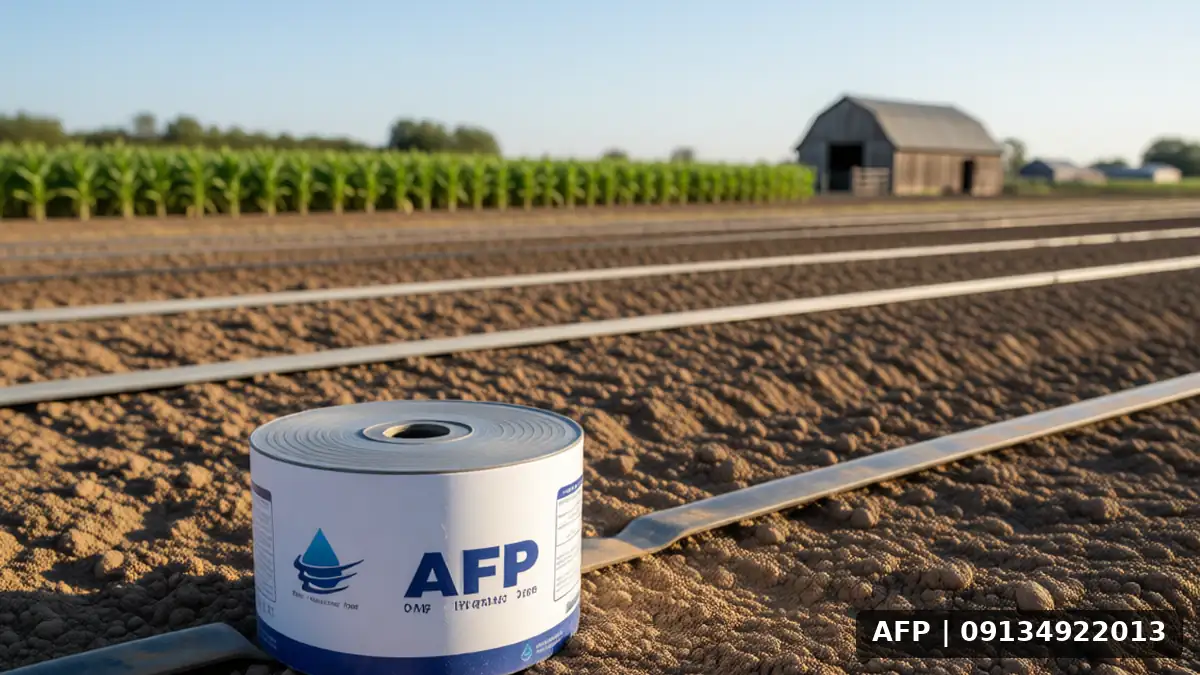
Drip tape reduces surface moisture, which decreases weed growth and consequently lowers weeding costs and chemical usage. Although this does not directly reduce water costs, it affects total production expenses. Reduced drainage requirements and better soil management are also hidden benefits of using modern systems, which can help preserve land integrity in the long run.
Conclusion and future outlook
Cost optimization in flood irrigation for cantaloupe cultivation is not a standalone process but a combination of sound resource management, proper land leveling, and appropriate crop pattern selection. Although new technologies like drip irrigation offer attractive options, adhering to technical principles in conventional methods allows for the deferral of additional investments. The key to success is continuous monitoring; use water flow and soil moisture status surveillance instead of emergency reactions. Documenting water consumption data for each season helps farmers identify and correct waste patterns.
The final recommendation is to calculate operational costs (labor, pumping) and carefully level the furrows before each planting cycle. Foresight in water resource management is not only an economic necessity but also an environmental imperative for the sustainability of agriculture. By implementing these measures, you can maintain high productivity while reducing the negative impacts of climate change on your farm.