Smart Irrigation in Melon Farming: A Comprehensive Guide
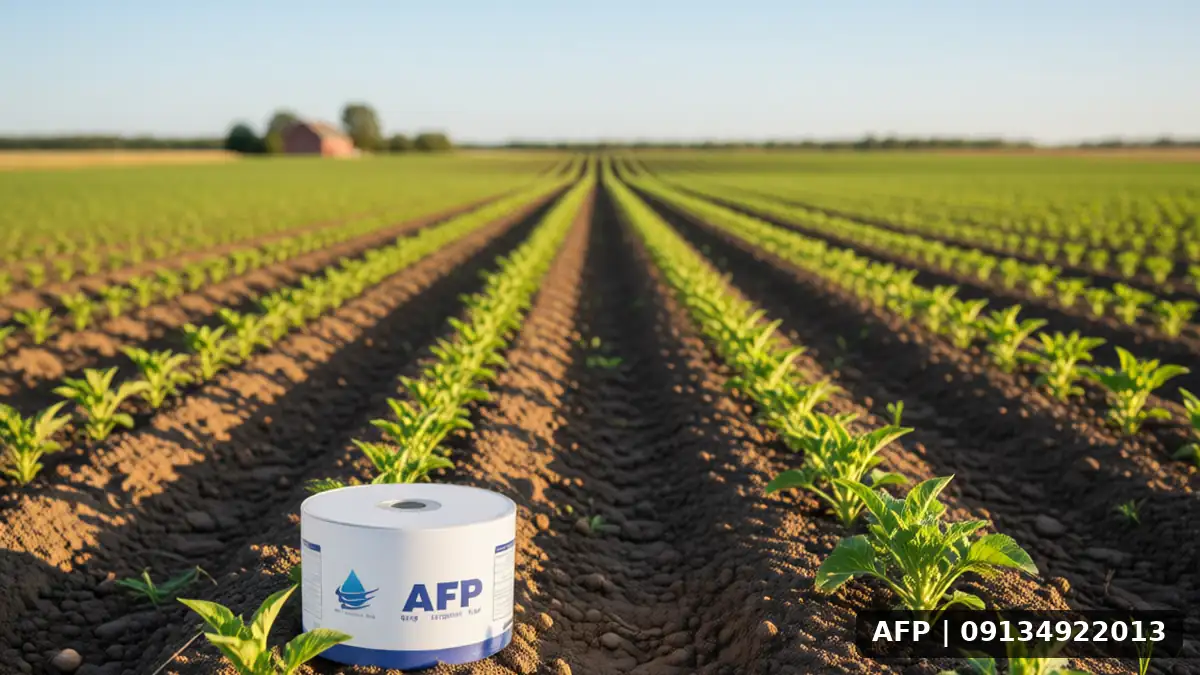
Melon cultivation is one of the most challenging agricultural activities, with success depending on the precise management of environmental variables, particularly soil moisture. Due to its sensitive root system and high demand for soluble solids to achieve ideal flavor, melon requires stable moisture in the root zone. In this section of the automated drip irrigation system with tape, we examine the fundamental principles of smart irrigation. The following paragraphs focus specifically on appropriate irrigation patterns for melon.
Introduction to the importance of smart irrigation in melon orchards and farms
Melon belongs to the Cucurbitaceae family and is highly sensitive to soil temperature fluctuations. Water deficit stress leads to a decrease in Brix levels and an increase in bitter taste, while water stress can cause root rot and rind cracking in fruits. Smart irrigation, utilizing soil sensors and automated control systems, establishes this delicate balance.
Physiological characteristics of melon and their relationship with water
- Root type: The melon root system is not deep, with the highest root density found in the top 30 to 50 centimeters of soil. Therefore, frequent and superficial irrigation is important.
- Salinity sensitivity: Melon is sensitive to soil salinity. Using saline water can limit growth. Optimal irrigation helps in leaching salts.
- Critical growth stage: During flowering and fruit set, melons have the highest water demand. In this period, any moisture stress directly affects the final yield weight and quality.
To better understand general irrigation patterns that also affect many vegetable and fruit crops like melons, you can the yield of wheat per hectare as a reverse comparison with dry crops, but our focus is on irrigated crops.
Irrigation system selection: Drip or Tape?
In melon cultivation, two main local irrigation methods are used: Drip and Tape. The choice between these two depends on soil texture, the type of piping system, and your investment budget.
Tape irrigation system for melons
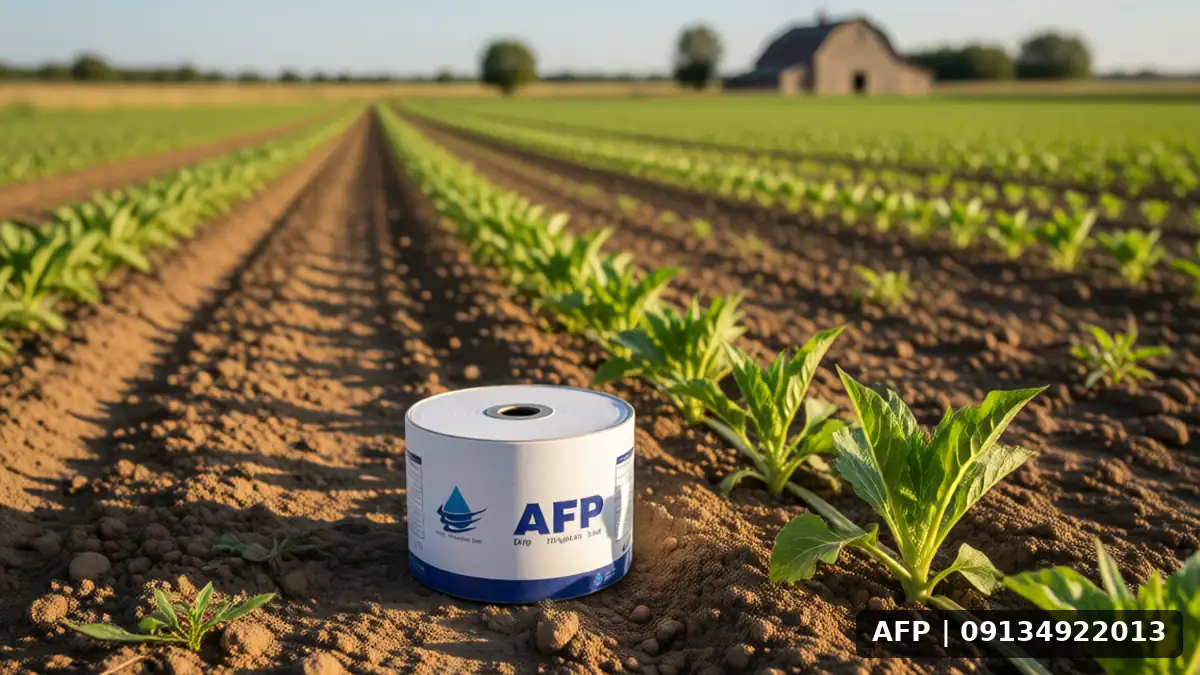
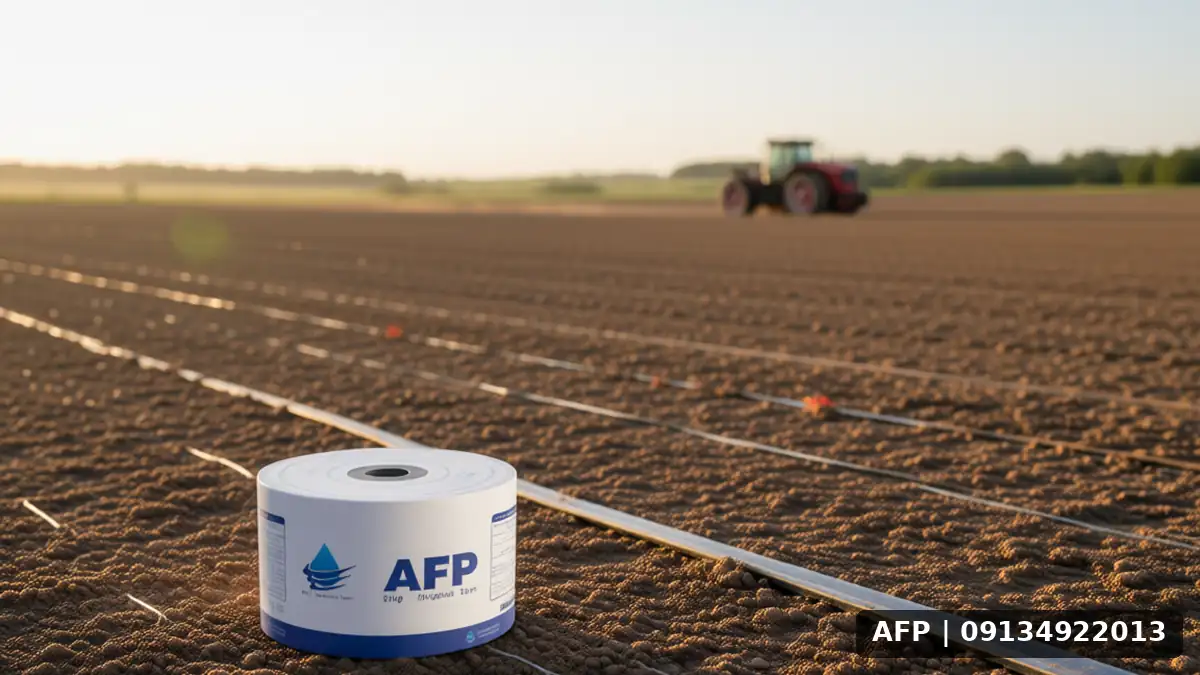
The Teflon drip tape is a more economical and cost-effective option that is highly suitable for vegetable and fruit crops with narrow row spacing. For melons, tapes with 25 or 32 gpm (GPM) emitters providing an output of 1.6 to 2 liters per hour are commonly used. This system creates a narrow moist band at the soil surface, located precisely under the root zone.
Drip System for Melons
The dual-port (two-hole) drip system, although more expensive, provides deeper moisture penetration and reduces the risk of line clogging. For orchard melons or combined rain-fed and irrigated crops that require greater flexibility, the drip system is preferred. To understand material differences, review the flexible drip tape installation technical details.
Smart Irrigation Patterns in Melon Growth Stages
Melon irrigation management must be adjusted based on the plant growth stage. A smart system combines sensor data with evapotranspiration (ET) predictive algorithms.
Preparation and Seedling Stage
- Light and repeated irrigation (every 2 days) to maintain moisture around the seedlings.
- Avoid wetting the leaves to prevent fungal diseases such as gray mold.
Vegetative growth stage
As leaf unfolding area and width increase, water demand for melons rises sharply. At this stage, the irrigation system must be capable of delivering higher water volumes. Use of retractable agricultural hoses for transporting water to large fields can facilitate water resource management.
Flowering and fruiting stage
This is the most sensitive period. A sudden decrease in moisture can cause fruit cracking and reduce flavor. Smart systems maintain soil moisture within 40 to 60 percent of field capacity by adjusting outlet flow rate.
Practical tips for optimizing watermelon irrigation
To maximize the efficiency of a smart irrigation system, it is essential to follow these points:
- Plastic mulching: Using black or silver plastic mulch over drip lines can reduce evaporation losses by up to 30% and stabilize soil temperature.
- Fertigation: Drip systems allow nutrient solutions to be delivered directly to the root zone along with irrigation water, which improves nutrient uptake.
- Monitoring water salinity: Before applying fertilizer, test the electrical conductivity (EC) of the water. Watermelons are sensitive to salinity and require irrigation water with relatively low tolerance levels.
- Irrigation Weighting: Avoid irrigation based on a fixed schedule. Instead, use moisture sensors or drone data.
When designing the system, attention must be paid to the system operating pressure. Pressure drop in lateral lines can cause inconsistent emitter output. This can be addressed by studying increasing tomato yield per hectare for comparison, as micro-irrigation and fertigation principles are similar for many vegetable crops.
Frequently Asked Questions (FAQ)
Common questions regarding melon irrigation:
What is the appropriate tape line emitter spacing for melon?
For single-line systems, a spacing of 12 to 20 cm is appropriate. For double-line systems (both sides of the row), a distance of 6 to 10 cm from the main stem is recommended. These distances must be adjusted based on soil type (hydraulic conductivity); sandy soils require shorter distances and more frequent irrigation.
How many liters of water does each tree/watermelon plant need per day?
Water requirement varies, but on average, 15 to 30 liters per day are required per linear meter or per drip head (depending on the emitter type) during the peak growth stage. In hot regions, this amount can reach up to 50 liters.
Is drip tape repairable?
Yes, drip tapes are generally repairable using special PVC adhesives, but their useful life is typically 3 to 5 years. To prevent hole clogging, proper filtration (media/basket) must be maintained continuously.
What is the main difference between smart irrigation and manual irrigation?
Smart irrigation makes decisions based on real-time data, whereas manual irrigation relies on guessing or a calendar. Smart features allow irrigation to be stopped on rainy days to prevent waterlogging and greening.
Summary
Success in melon cultivation using smart irrigation requires a combination of technical knowledge, appropriate hardware selection (drip line or drip system), and continuous monitoring. By applying the principles outlined in this guide, you can improve Water Use Efficiency and produce crops that meet export market standards. Remember that no single irrigation model fits all farms; your settings must be customized based on local conditions, soil type, and regional temperatures. To explore other factors affecting the overall performance of vegetable crops, refer to the article Factors affecting green bean yield per hectare It can also provide valuable complementary insights, as the management principles for fast-growing crops in it are similar.