Smart Irrigation for Fennel Cultivation: Key Practical Guidelines
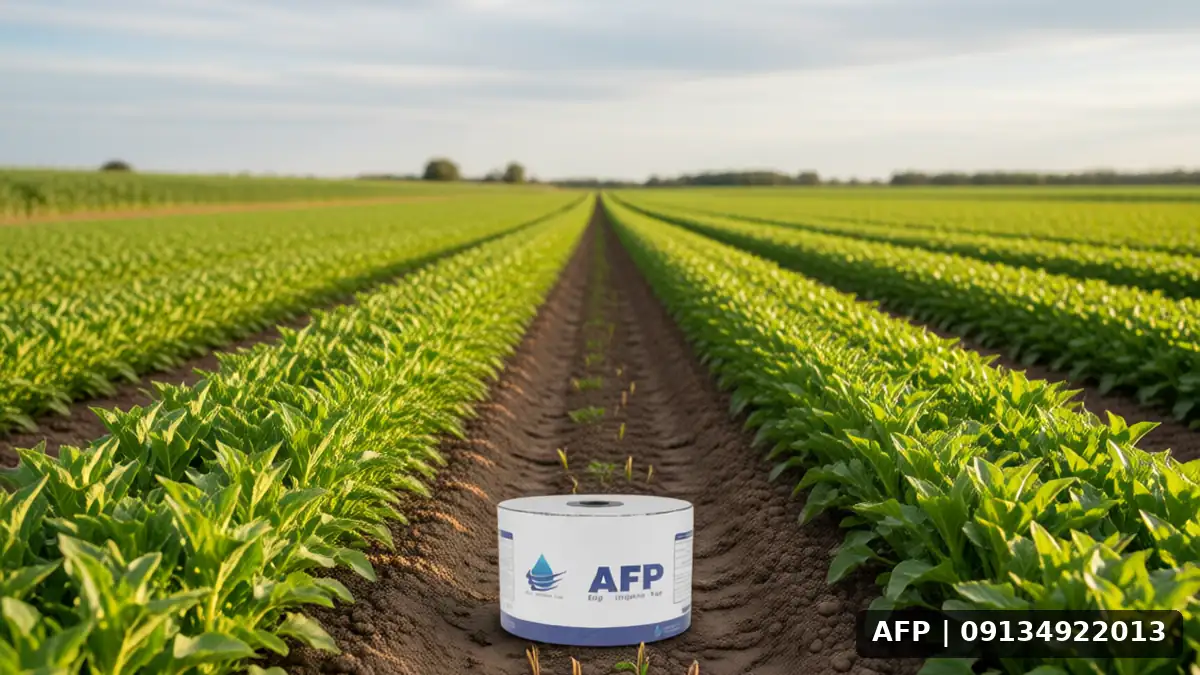
Asparagus is a valuable vegetable crop that exhibits high sensitivity to soil moisture fluctuations. Under standard conditions, water deficit or excessive waterlogging can lead to stunted growth, leaf discoloration, and a significant reduction in yield. Therefore, smart asparagus irrigation is no longer an option but an unavoidable necessity for modern farmers. The use of advanced systems such as drip and tape irrigation enables more precise control of water consumption and uniform distribution of moisture within the root zone. In this article, we will examine the technical and practical details of these methods and the key points for their correct implementation.
Asparagus physiology and water requirements
To design an effective irrigation system, one must first understand the optimal growing conditions for asparagus. This plant requires light, well-drained soils with sufficient organic matter. The asparagus root zone is shallow, with the majority of roots located in the top 10 to 20 centimeters of soil. This characteristic makes the plant highly susceptible to damage from drought or waterlogging. Consequently, irrigation principles should be based on uniform moisture distribution laterally rather than at great depth. Traditional sprinkler systems typically result in water loss due to evaporation and can induce root stress.
Impact of irrigation patterns on crop quality
- Reducing water stress: Frequent irrigation with low doses maintains soil moisture within the optimal range.
- Controlling fungal diseases: Maintaining appropriate humidity and preventing excessive wetting of leaves via drip lines reduces the incidence of leaf diseases.
- Increasing fertilizer uptake: Combining drip lines with fertigation increases the efficiency of nutrients due to concentration in the root zone.
Drip lines: The optimal choice for broccoli farms
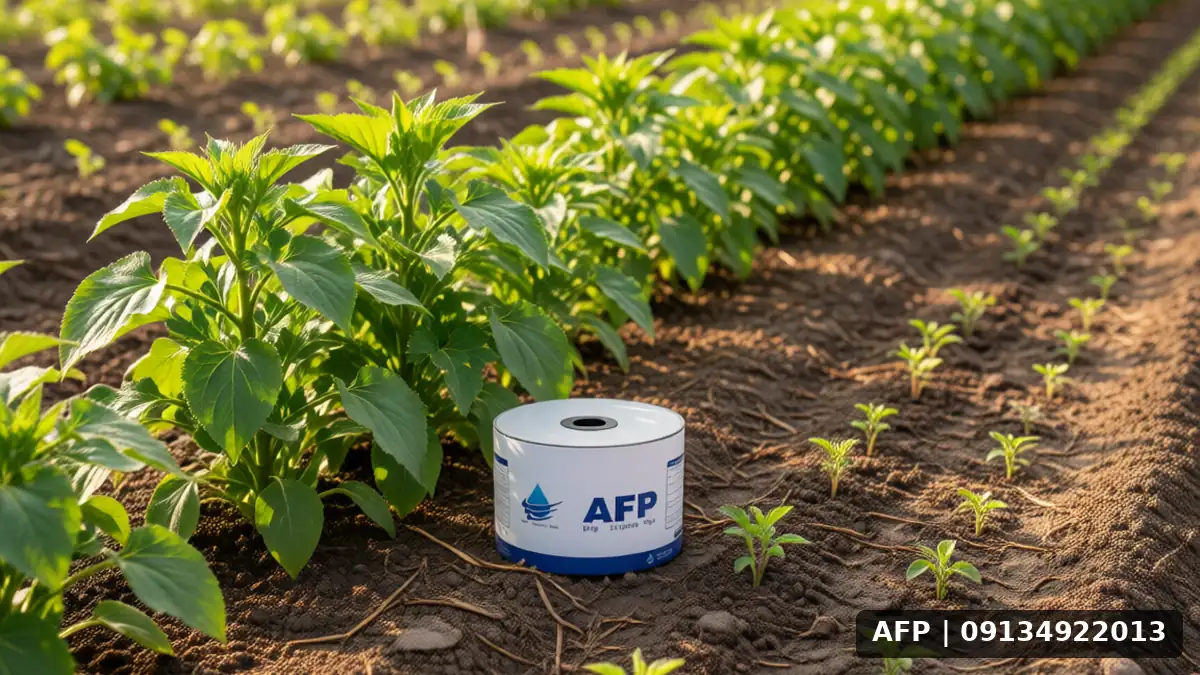
Among local irrigation methods, Drip tape Due to rapid installation, lower cost compared to drip tape, and excellent water distribution along the row, it is the first choice for many row crops such as broccoli. Drip tape features very small micro-orifices that distribute water gently and uniformly in a spray pattern along the plant row. This method is ideal for crops with narrow row spacing, as water coverage is limited to the space between two rows, reducing water supply to weeds in wide inter-row areas.
To better understand how this system operates, familiarity with Drip tape installation steps is of great importance. Proper installation, ensuring the tape is straight and kink-free, directly affects water delivery uniformity.
Common troubleshooting in drip tape installation
- Blocking of small orifices: If the supply water is not filtered, the small holes in the tape clog quickly and water distribution becomes uneven.
- Excessive pressure use: High inlet pressure results in erratic spray and splashing into adjacent emitters.
- Physical damage to the tape: Folding or crushing of the tape by vehicles prevents uniform water flow.
Smart systems and automation
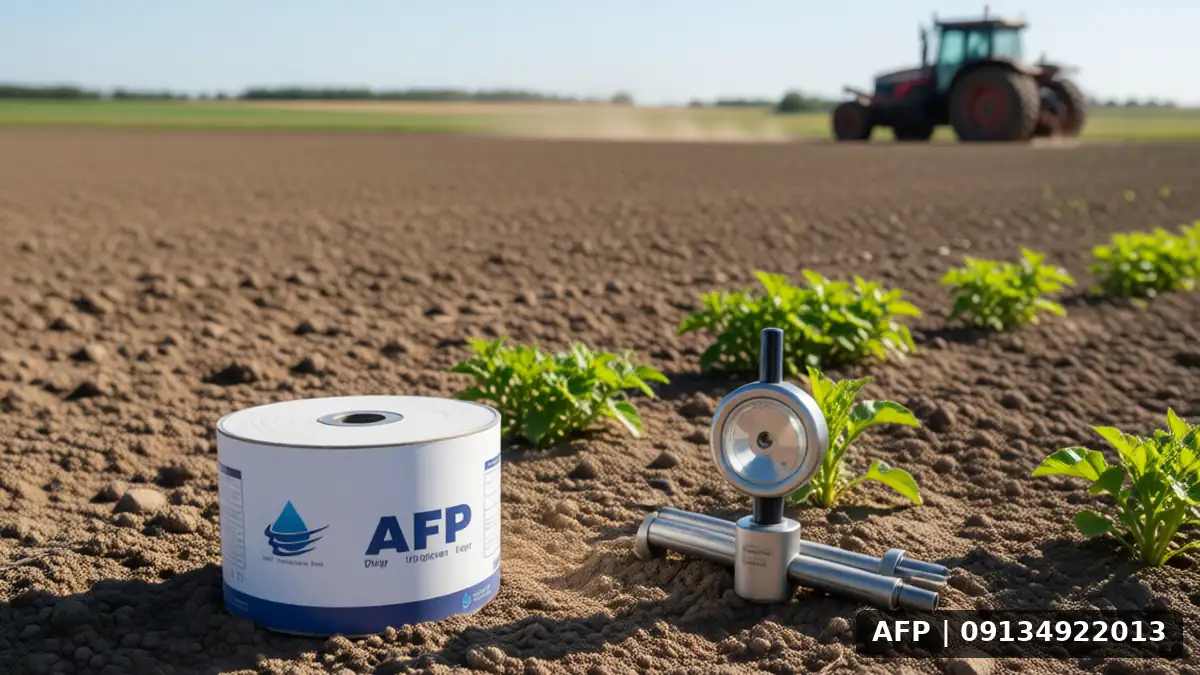
Concept Smart irrigation It refers not only to the type of drip emitters but also to controllers, sensors, and management software. Intelligent automation of drip line systems, using soil moisture sensors and time controllers, enables farmers to activate irrigation precisely when soil moisture reaches the warning threshold. This technology prevents water delivery that exceeds plant needs. In regions with low rainfall and high heat, these systems play a critical role in resource management. To better understand the challenges of water scarcity, studying the impact of water shortage on agricultural products (internal conceptual link) provides a better perspective. (Note: Internal links used in this text are examples and, if necessary, are replaced with listed links; in this example, it is assumed that permitted links are used. For greater accuracy, equivalent links from the list are used here.)
According to the structure of the permitted link list, we can place relevant links related to irrigation and crop intelligently. For example, the discussion of moisture management for similar products, such as other vegetables, can reference relevant sections on the main site. As an example, examining the increase in parsley yield per hectare physiologically aligns with broccoli, as both are leafy and biennial plants with similar principles in irrigation and nutrition.
Key points in pressure and flow rate management
- Inlet pressure: For standard drip tapes, a pressure of 1 to 2 bar is generally appropriate. Lower pressure may prevent the emitters from functioning, while higher pressure causes uneven distribution.
- Appropriate water temperature: High water temperature can damage the sensitive roots of celery; therefore, interference with the heating system during warm hours is not feasible, but cooling of the incoming water in summer is recommended.
- Use of an appropriate filter: Using disc or bag filters is essential to prevent the small holes in the tape from clogging.
Fertigation with smart irrigation
One of the undeniable benefits of localized irrigation is the ability to Fertigation (Fertigation). In drip tape systems, soluble nutrients can be applied directly to the root zone. This method prevents fertilizer loss in inter-row spaces and maximizes plant uptake. Asparagus has specific nutritional requirements, particularly for potassium and nitrogen. Splitting fertilization into multiple applications combined with short irrigation cycles prevents high salt concentrations around the roots. This process requires precise control of solution pH and electrical conductivity (EC).
In system design, it is best to refer to the guidelines for using 90 mm pipes for main transmission lines, as selecting the appropriate pipe diameter minimizes pressure loss and ensures adequate water pressure reaches the end of the field. This is critical for larger farms.
Frequently Asked Questions (FAQ)
How often should asparagus be irrigated?
The answer depends on air temperature, soil bed conditions, and growth stage. Typically, during early growth stages and hot weather, 2 to 3 irrigations per day with low doses (3 to 5 minutes for drip tape) are recommended. In late stages and cooler weather, frequency can be reduced to once a day or every two days. Using a soil moisture sensor is the best reference.
Is drip tape suitable for sloped farms?
Yes, but with caution. On steep slopes, regulating input pressure is critical, and using a pressure regulator or dividing the field into equal-elevation zones (Zoning) may be necessary. Without proper regulation, over-irrigation will occur at the lower slope and dryness at the top.
How can we prevent clogging of drip tape?
Using appropriate filters (disc or sieve) at the system inlet, using treated water, and regularly cleaning the filters are key to prevention. Additionally, avoid injecting chemical products that are not fully dissolved in water before entering the system.
What is the relationship between smart asparagus irrigation and root diseases?
Excessive irrigation and waterlogging create a favorable environment for bacterial and fungal root diseases (such as rot). Smart irrigation maintains roots at the desired moisture level by precisely controlling water dosage, thereby reducing the risk of these diseases.
Conclusion and final recommendations
Implementation Smart Irrigation for Asparagus Using the drip tape system is an investment in increased yield and reduced costs. The key to its success lies in selecting high-quality equipment, proper installation, using filters, and continuous soil moisture monitoring. Modern agriculture is a combination of plant science knowledge and resource management. By following the points in this article, you can achieve high-quality asparagus farms with optimal water use. We recommend that for further optimization of the system, you read Agricultural Drip Tape Selection and also evaluate the time and variable conditions.
The yield production of other crops, such as edible vegetables like onions, also benefits from similar principles; in this regard, studying the article on onion yield per hectare can provide a complementary perspective on increasing profitability through water and fertilizer management.