Smart Irrigation in Marrow Cultivation: Benefits
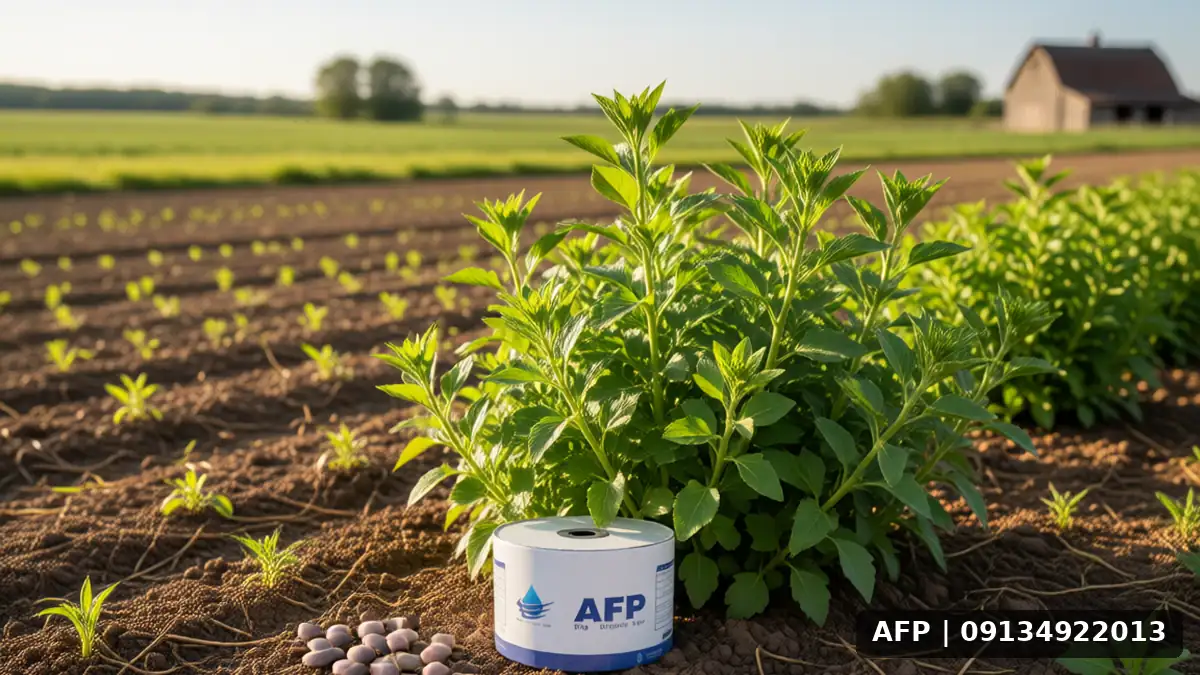
Water resource management in agriculture is currently a major challenge that can directly affect crop yields and quality. Smart Irrigation in Marjoram Cultivation As a novel solution, it addresses this challenge by utilizing modern technologies. In this introduction, we explore the importance of transitioning from traditional irrigation methods to smart systems and their role in increasing final yield efficiency and reducing operational costs. Marjoram, a crop with specific water and nutrient requirements, is a product that can achieve significantly higher yields with precise irrigation.
Key Benefits of Smart Irrigation in Marjoram Cultivation
Implementing smart irrigation systems, particularly those based on drip tape and drip techniques, offers multiple advantages for farmers. These benefits extend not only to water conservation but also to improved plant growth and crop quality. The most important of these benefits are examined below.
Increased precision in meeting root water requirements
One of the most prominent benefits of smart irrigation in marjoram cultivationallows precise adjustment of water and nutrient levels directly at the root zone of the sorghum plant. In tape drip systems, water is delivered directly to the root zone, enabling the plant to achieve optimal growth with minimal water stress. This precision reduces crop shattering and increases grain weight and quality. To better understand the structure of these systems, you can study the components of tape drip irrigation systems to gain a better insight into how water is distributed uniformly.
Reduction in foliar application and evaporation
In conventional methods, a significant portion of water is lost due to evaporation from the soil surface and runoff away from the root zone. In smart systems, the soil area irrigated is limited, and water is injected directly into the root zone. This reduces evaporative losses and minimizes weed growth between rows, as moisture in non-essential areas is decreased.
Energy consumption savings
Since tape and drip systems require lower water pressure compared to sprinkler systems, pump energy consumption is reduced. Additionally, due to high precision, total water usage is lower, which is a significant advantage for farmers in terms of cost and for the environment in terms of water resource sustainability.
Impact on yield and crop quality
The quality of the final sorghum crop depends directly on the environmental and nutritional conditions of the plant. Smart irrigation allows for the precise adjustment of water and fertilizer doses based on plant needs throughout different growth stages. This ensures that the sorghum plant remains in ideal conditions, thereby increasing yield per hectare. For further optimization, study Maximum allowable irrigation deficit per hectare It can help you understand the relationship between irrigation and increased yield.
Fertigation Management
One of the key features of smart irrigation is the ability to perform fertigation. In this method, fertilizers are injected into the plant roots along with the irrigation water. This advantage increases nutrient uptake by the crop and reduces fertilizer leaching into deeper soil layers.
Practical Tips for Implementation
To fully benefit from the advantages of smart irrigation, specific technical and operational guidelines must be followed. This section reviews the practical operating guide.
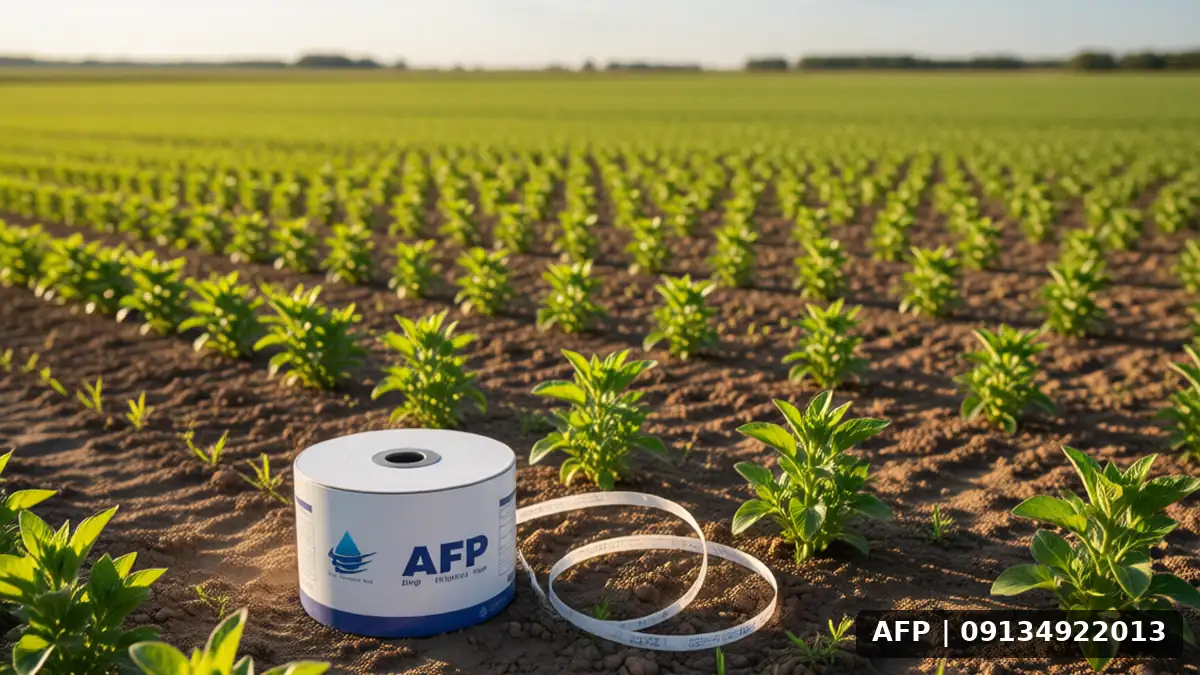
- Soil Analysis and Drip Tape TypeBefore purchasing, ensure the drip tape specifications are compatible with your soil conditions. Drip tapes are available in various thicknesses and materials, each with distinct properties. It is recommended to study the technical specifications of drip tape irrigation to make the best selection.
- Row spacing and planting depth: In ridge planting, the distance between rows must be adjusted precisely based on the drip tape type. Adhering to row spacing standards for cotton and similar crops can serve as a model for the correct layout of the irrigation system. You can use cotton row spacing standards for comparison and spacing adjustment.
- Precise and level installation: The drip line must be installed straight along the row, without twisting, to ensure uniform water flow. Any kinking or twisting can cause uneven water distribution.
- System Flushing: Always flush the system before starting irrigation to remove suspended particles and contaminants from the water. This extends the lifespan of the drip line and prevents clogging of emitters.
- Smart Monitoring and Control: Using soil moisture sensors and smart controllers prevents water waste and ensures the irrigation schedule is adjusted precisely based on plant needs.
In addition to the points above, equipment maintenance and filter cleaning are particularly important. Adhering to maintenance principles guarantees stable system performance across different seasons.
Frequently Asked Questions (FAQ)
This section addresses some common questions about smart irrigation in intercropping.
Is smart irrigation suitable for small plots?
Yes, these systems are beneficial not only for large farms but also for small ones. Installation costs are reasonable relative to improved efficiency and increased yield, and water and energy savings are observed quickly.
When is the best time to install drip tape in maize cultivation?
System installation planning should be completed before planting. It is best to install and test the drip tapes and water distribution structures during land preparation to ensure all connections are fully ready at planting time. To learn the correct steps, you can Pre-purchase tips for irrigation drip tape and review them.
Can drip tape be used under dry conditions?
Yes, in fact, in dry conditions and water scarcity, using drip and micro-sprinkler irrigation is essential because it maximizes irrigation efficiency. These systems allow maximum yield to be achieved with the minimum amount of water.
What is the best way to increase system efficiency?
The best way is to use variable speed pumps and optimize water conveyance paths. By reviewing the guide on how to increase the efficiency and productivity of drip irrigation, you can learn the precise optimization steps.
Conclusion
Smart irrigation in melon cultivation is no longer an option but a necessity for maintaining production continuity and increasing profitability. Benefits such as precise watering, reduced evaporation, fertigation, and energy savings enable farmers to achieve higher crop yields with less risk. By properly implementing drip and micro-sprinkler systems and following the practical tips mentioned in this article, sustainable and optimized farming can be achieved. It is recommended to always use specialized resources to update your technical knowledge and consider changes in climatic and soil conditions to achieve the best results.