Drip Irrigation of Lentils with Drip Emitters: Cost Optimization
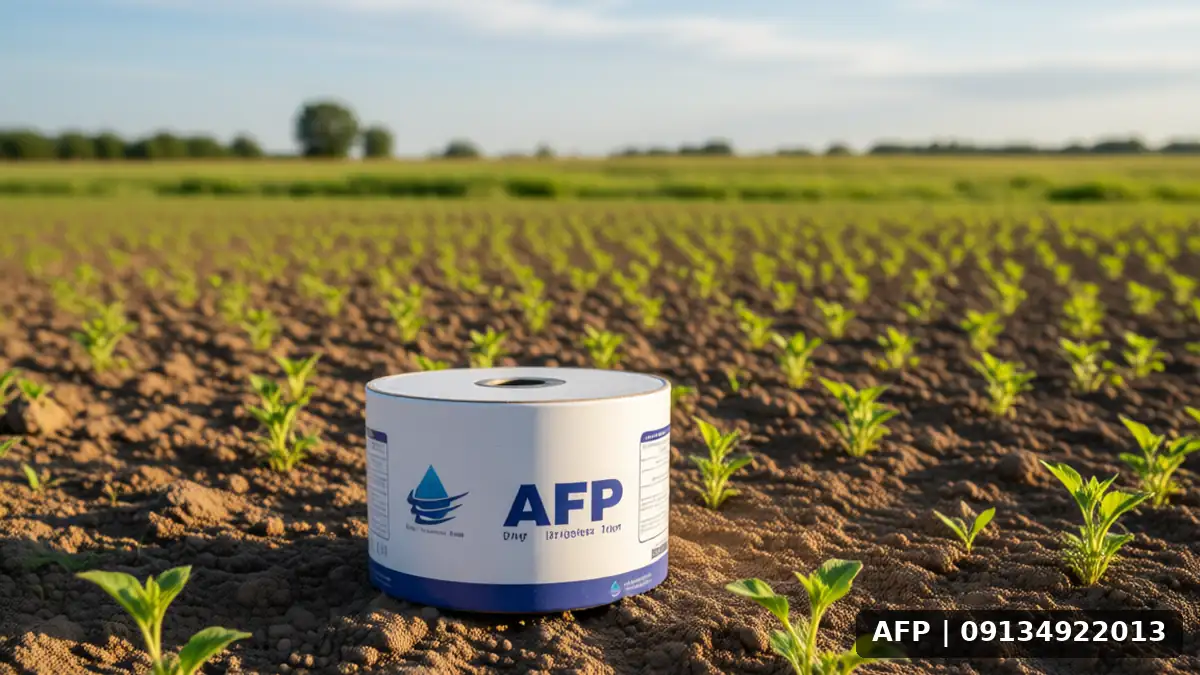
Introduction to Drip Irrigation in Lentil Farms
Lentils are a high-value legume grown in many arid and semi-arid regions of Iran. Due to their relatively high tolerance to drought stress, they are considered a suitable crop for water-scarce areas. However, without proper management of water resources, a significant decline in yield and grain quality occurs, directly affecting farmers’ income. In this context, Drip line irrigation for you provides practical and scientific solutions for implementing drip irrigation systems with emitters in lentil farms to achieve maximum efficiency at the lowest cost. The main objective is to enable farmers to make optimal decisions by understanding the technical mechanisms.
Cost optimization in this system does not mean choosing the cheapest components, but rather selecting the right emitters, appropriate spacing, and correct irrigation scheduling to reduce energy consumption and increase crop yield. The following sections examine the technical aspects of this topic in detail to provide a complete picture of the cost optimization process.
Dripper Technology and Its Role in Lentil Cultivation
Emitters are the primary tools for delivering water drop by drop to the root zone. By reducing evaporation and nutrient leaching, they increase water use efficiency. For lentil cultivation, selecting emitters with the appropriate flow rate (usually between 1.6 and 2.2 liters per hour) is crucial to provide the required root moisture without causing waterlogging. This technology performs better in light and sandy soils with high permeability and eliminates the need for heavy piping.
Cost-Optimized Drip System for Lentils
Optimal cost calculation involves several key steps, including selecting drip emitters with appropriate flow rates, determining spacing and sowing patterns, and scheduling irrigation for different lentil growth stages. Each of these factors affects initial and operational costs and requires precise engineering calculations to prevent investment waste. Understanding cost structure is the first step toward achieving a desired financial balance.
Calculating flow rate and drip emitter spacing
The first step is calculating the total required flow rate based on field water consumption (Ew). Using lentil yield per hectare which is approximately 800 to 1200 kg under suitable conditions, water consumption can be estimated at around 4500 to 5500 millimeters. This estimate is based on data from local weather stations and soil conditions and should be reviewed periodically.
- Recommended flow rate: 1.6 liters per hour for a 30 cm spacing
- Spacing between emitters: 30 to 40 centimeters
- Emitter spacing: 80 to 100 centimeters
With these settings, the cost of purchasing drip emitters will vary between approximately 150,000 and 300,000 Iranian Rials per meter of drip line (depending on emitter type and flow rate). Selecting anti-clogging emitters can also reduce long-term maintenance costs.
Cost of drip tape and emitters
The cost of drip tape is a key factor in determining optimal expenses. For most lentil farms, the use of drip tape properties with high resistance to erosion and temperature changes is recommended. The material and thickness of the tape directly affect the useful lifespan of the system and replacement costs in subsequent years.
- Drip tape cost: Approximately 250,000 to 400,000 Iranian Rials per meter
- Emitter cost: 20,000 to 50,000 Iranian Rials per meter
- Emitter cost: 150,000 to 300,000 Iranian Rials per meter
In addition to structural costs, installation and setup expenses, as well as the labor required for laying the tape, must be included in the initial budget to prevent budget shortfalls in the second half of the project.
Practical tips for reducing lentil irrigation costs
Cost optimization is not limited to purchasing low-priced components; it includes proper system usage, waste reduction, and optimal efficiency. Correct management of drip irrigation systems requires technical knowledge and continuous monitoring. In this regard, adhering to hygiene principles and maintaining constant pressure are the two main pillars for reducing hidden costs.
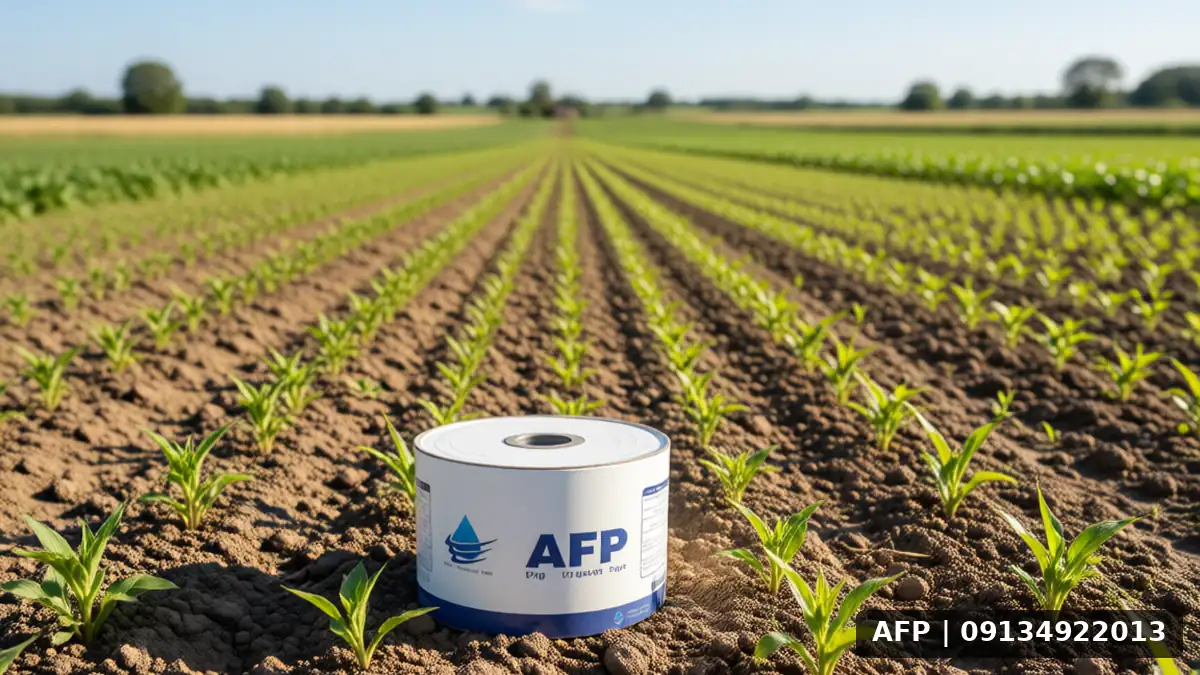
Proper use of emitters
Emitters must be hygienically cleaned to prevent clogging and flow rate reduction. Appropriate spacing and flow control via pressure-compensating valves are also important. In this area, follow key guidelines before installing drip tape to prevent subsequent failures and heavy repair costs. Proper field preparation and draining water ponds before connection reduces potential leaks.
Optimal resource efficiency
By combining emitters with irrigation scheduling based on weather and soil data, energy consumption and operational costs can be reduced. In addition, the use of Guide on lentil seed quantity per hectare Determining an appropriate planting density helps optimize water use. Dense planting with high crop traffic and low water consumption presents a paradox that is resolved by selecting the correct drippers, thereby increasing overall efficiency.
Frequently Asked Questions (FAQ)
What is the appropriate spacing between drippers in lentil cultivation?
The optimal spacing is generally between 30 and 40 cm and may vary depending on the dripper flow rate and soil type. In clay soils, shorter spacings with higher flow rates are recommended, while in sandy soils, lower flow rates with similar spacings are recommended.
What is the cost of optimizing a drip system for one hectare of lentils?
Considering a flow rate of 1.6 liters per hour and a 30 cm spacing, the estimated cost is approximately 850,000 to 1,200,000 Rials per meter of lateral length and approximately 8,500,000 to 12,000,000 Rials per hectare. These figures are subject to foreign exchange fluctuations and daily market prices.
Does the use of drippers affect the quality of lentil seeds?
Yes, drip irrigation helps improve quality and grain weight by reducing waterlogging and root stress. Stable soil moisture in the root zone promotes more uniform pod formation and reduces physical damage to the grains.
How can drip emitters be prevented from clogging?
Appropriate filtration and the use of pressure-regulating valves at the start of water lines help prevent clogging. Regular system flushing and chemical treatment, when necessary, can extend the lifespan of the drip emitters.
Summary: Optimizing the Cost of Drip Irrigation for Lentils
By carefully selecting emitters, suitable lateral lines, and proper timing, optimizing the cost of drip irrigation for lentils is achievable. This approach not only reduces water and energy consumption but also increases crop yield. The water line team is ready to assist on this journey with expert consultations. By studying more about planting density per hectare, you can achieve optimal performance for your lentil fields. Investing in modern irrigation technology is a solid investment against future water crises.
Related articles: Rapeseed seeding rate per hectare: A comprehensive guide + influencing factors