Greenhouse Okra Irrigation: Cost Optimization and Water Efficiency Guide
Introduction: The Importance of Irrigation Optimization in Greenhouses
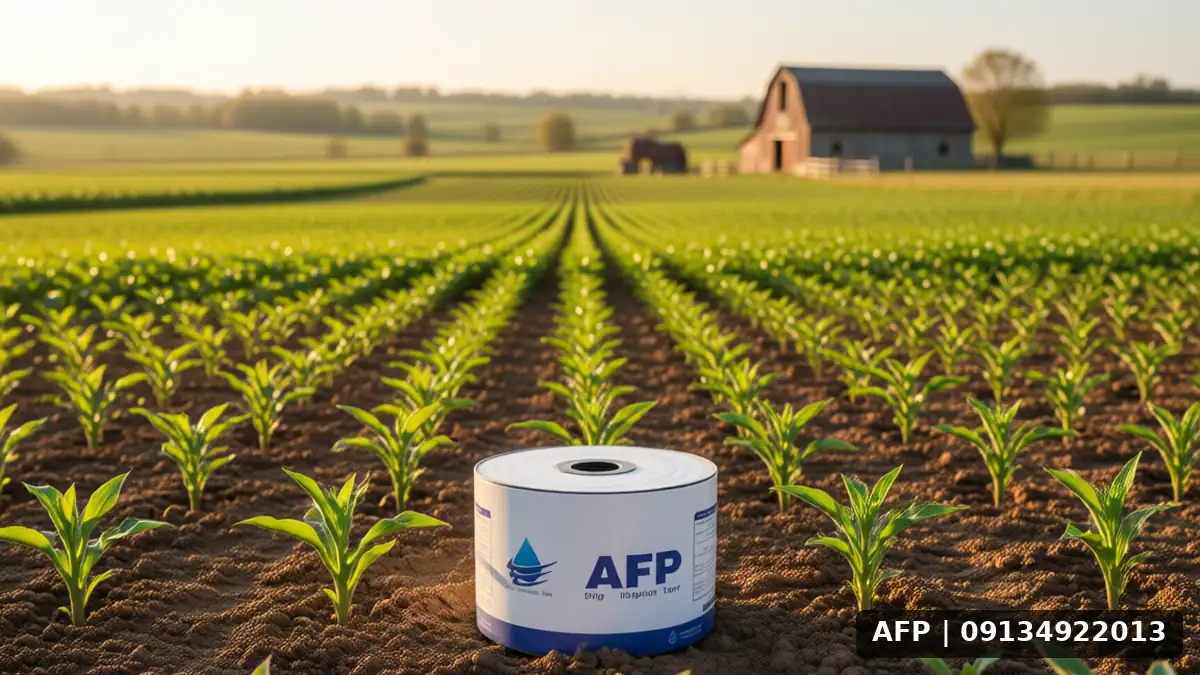
Growing okra in greenhouse conditions yields higher efficiency than open-field cultivation due to climate control, but its energy and water resource costs are challenging. A significant portion of operational costs in greenhouses for salad vegetables like okra is attributed to the irrigation system. If inefficient irrigation methods are used, not only does water consumption increase, but the roots also become susceptible to salt stress and soil-borne diseases. Our objective in this section is to examine methods of drip and micro-tube irrigation to reach the cost-optimization point. This optimization does not mean purchasing the cheapest plastic; rather, it means selecting the right equipment to minimize losses and increase water recovery efficiency. Many farmers still use sprinkler or flood irrigation in low greenhouses, which causes excessive evaporation and increases relative humidity in the inter-row space, creating conditions conducive to okra rot. Transitioning to precise subsurface or surface systems is the key to cost reduction.
The following section examines technical and practical concepts for cost optimization. A key point is that micro-tubes are consumable products; their useful life is limited. Therefore, the calculation of total costs must include the annual replacement of the tubes, not just the initial price. This perspective is a primary key for economic decision-making.
Examining Hidden Costs in Faulty Irrigation Systems
- Water losses due to evaporation and poor infiltration to the roots.
- Energy consumption of pumps to compensate for pressure drops in unbalanced systems.
- Labor costs for repeated repairs of leaks.
- Reduced engineering lifespan of the drip line due to improper use.
By reducing these hidden costs, the initial investment in a high-quality drip system pays off very quickly. To better understand the performance differences between various drip lines, you can refer to the guide Types of Drip Irrigation Lines and Their Performance to learn about quality differences.
Drip Line Selection Techniques for Greenhouse Basil
Basil has rapid rooting and prefers frequent irrigation with low flow rates. Therefore, drip lines with a small capillary radius (usually 20 centimeters) are the best option. Using lines with a larger radius causes moisture stress between each drop and makes part of the soil unavailable to the roots. This is directly related to production costs; because the plant uses its energy reserves to compensate for water deficiency, which slows its growth.
One of the most important factors in determining cost is the lifespan of the drip line. Low-quality lines clog quickly and clearing them is accompanied by high labor and chemical costs. When selecting, pay attention to parameters such as wall thickness, flow uniformity, and UV resistance. A complete guide to Standards for selecting agricultural drip tape Available standards must be reviewed before purchase. Additionally, if you are in a region with scarce and expensive water resources, it may be necessary to use combined systems with deficit irrigation for low-water-demand crops, although for okra, drip tape remains the primary option. You may also read about deficit irrigation and its drawbacks to understand the differences.
Calculating flow rate and tape length to reduce consumption
To achieve optimal cost efficiency, calculate the output flow rate of each dripper according to the daily water requirement of okra. If the flow rate is too high, water will rapidly move past the plant base and outside the root zone (water waste). If the flow rate is too low, the irrigation cycle must be extended, which increases pump energy consumption. Optimizing these variables is the most accurate method for reducing costs.
Another point is the use of 20-centimeter tapes, which are much more economical in arid regions due to lower production costs compared to larger-radius tapes. To find out about price ranges in the market, you can refer to the 20-centimeter drip tape price guide available for consultation.
The graph above illustrates the relationship between selecting the appropriate flow rate and reducing pump energy consumption.
The impact of crop and planting cycle management on irrigation costs
Irrigation costs do not depend solely on the piping system; planting density and crop variety play a decisive role in water demand. If the planting density of cotton is too high in the greenhouse, the air space between plants becomes narrow. This reduces soil evaporation but increases relative humidity, leading to fungal diseases such as botrytis. To control these diseases, farmers are often forced to reduce irrigation and increase spraying, which incurs indirect costs. Therefore, balancing planting density and irrigation is key to cultivation economics.
To determine the appropriate density, there are specification tables for the amount of cotton seed per hectare that indicate the planting spacing. Cotton seed amount per hectare and planting density table This helps you select an appropriate spacing for light penetration and humidity reduction. This spacing directly affects the amount of water required per unit area.
The role of root management and soil quality
Cotton is a plant whose roots are active at shallow to medium depths. Using drip tape in this zone (depth of 5 to 10 centimeters) ensures water is placed precisely in the root zone. Each additional centimeter in drip tape burial depth increases pump energy consumption and required flow rate. For optimization, always use an appropriate depth. If you are using combined systems with specific cultivars, it is essential to know the irrigation conditions in climate-controlled greenhouses.
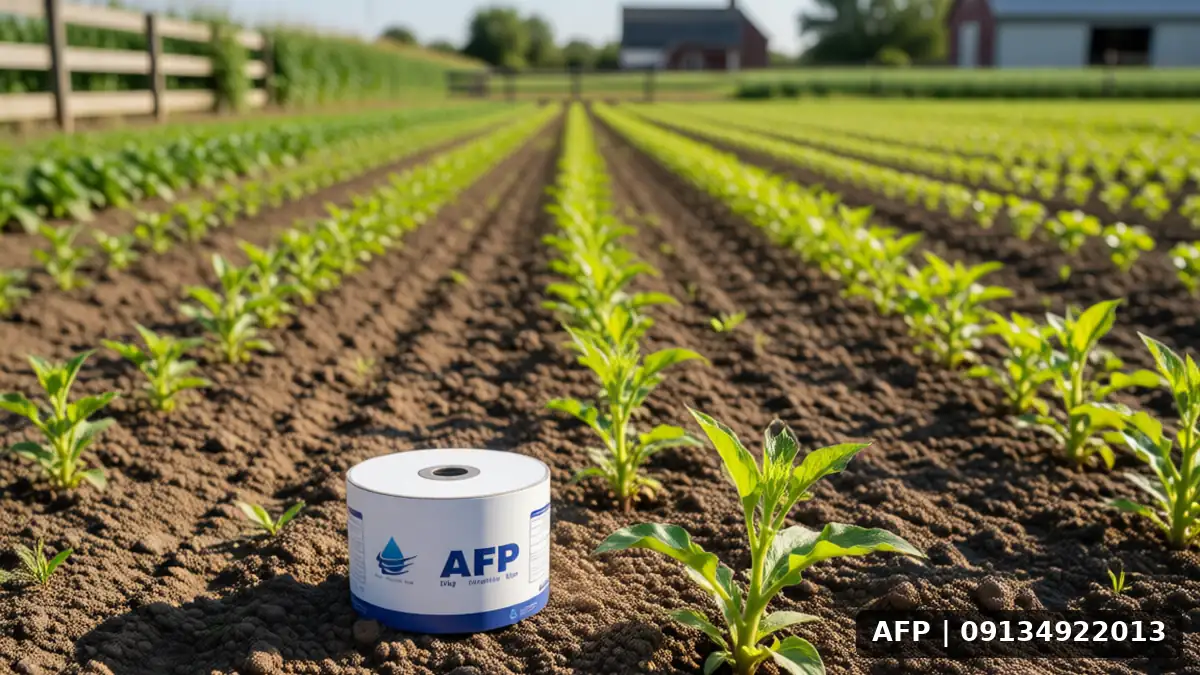
Properly placing drip tape relative to the okra root zone for maximum efficiency.
Practical Tips for Reducing Maintenance Costs
One of the most critical factors in drip tape performance is regular system flushing. Clogging of tapes by insoluble glucan or salt deposits leads to uneven irrigation, resulting in reduced okra quality and increased losses. Using the appropriate filter (mesh or disk) and periodic flushing with acid not only extends the lifespan of the tape but also eliminates the irreversible costs associated with yield reduction. This maintenance is the most affordable way to guarantee performance.
Additionally, proper configuration of the electrical system and automatic relays prevents unnecessary irrigation during non-critical hours. Simple automation in okra greenhouses reduces labor costs. Before the final installation of the drip tape, strictly adhere to technical guidelines; the comprehensive guide on pre-purchase considerations for irrigation drip tape includes detailed checks, such as the heat resistance of the tape against direct sunlight.
Harvest Planning and Final Costs
Ultimately, cost optimization is linked to reducing post-harvest losses. If okra plants are free from moisture stress, shelf life in the market increases and waste decreases. With a proper understanding of plant requirements, you can achieve maximum yield per hectare. To compare with other crops, you can take a look at Vegetable Yield per Hectare Discard.
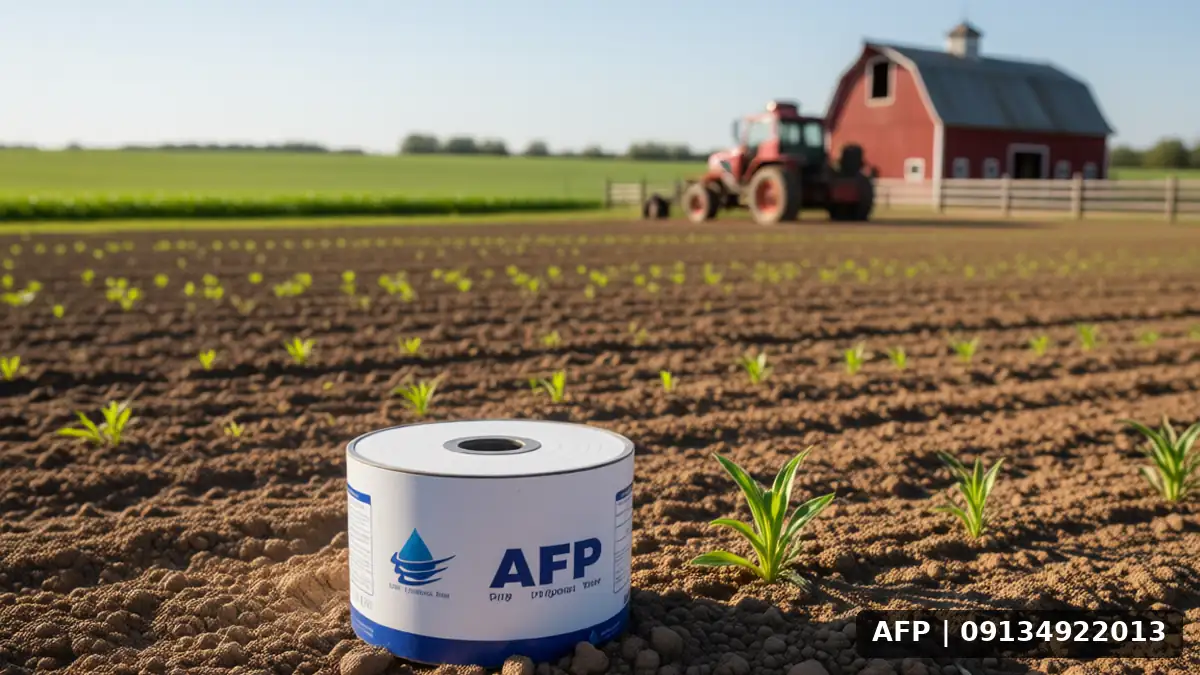
Practical steps for cleaning the drip tape system.
Frequently Asked Questions (FAQ)
Is drip tape suitable for all climates?
Yes, but the tape thickness must be selected according to water hardness and the required filtration level. In very hot climates, UV-resistant tapes with a longer service life are more cost-effective in the long term because they require fewer replacements.
What is the recommended distance between the drip tape and okra plants?
Typically, a distance of 20 to 30 cm from the center of the okra row is ideal. This spacing ensures moisture does not come into direct contact with the plant crown, which is susceptible to rot, thereby reducing disease control costs.
How can we reduce pump energy costs in a drip irrigation system?
By selecting an appropriate flow rate and setting the system pressure to the minimum required level. Excess pressure reduces pump efficiency and drip line stability.
Does system flushing incur costs?
The cost of proper flushing is significantly lower than the expense of replacing clogged drip lines and crop losses. It is best to flush the system once a month using specific cleaning agents.
Conclusion
Cost optimization in greenhouse drip irrigation is a comprehensive process involving the selection of drip lines with correct emitters, planting at appropriate density, and continuous system maintenance. By following the principles outlined in this article, you can reduce water consumption, minimize crop losses, and increase the economic return of the crop. Remember that investing in high-quality drip irrigation equipment is not just an expense, but a profit-generating asset that yields high returns when managed correctly.