Drip Irrigation in Wheat Cultivation: Dripper Performance Comparison and Technical Guidelines
Introduction to Drip Irrigation in Wheat Cultivation
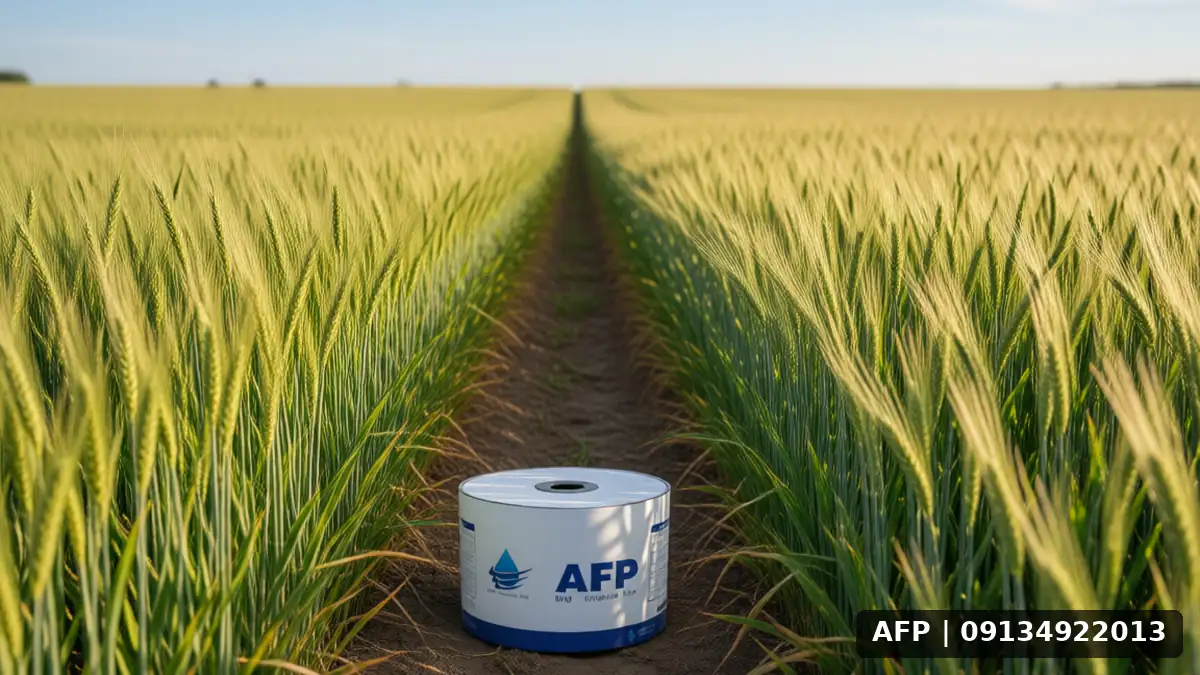
Wheat, as one of the most important cereal grains, requires optimal water resource management at various growth stages. Traditional irrigation methods such as furrow and sprinkler irrigation, while widespread, are accompanied by challenges such as water waste, soil salinity, and fungal diseases. In recent years, Drip Irrigation with Drip Emitter (Drip Irrigation with Drip Emitter) has attracted the attention of many experts and farmers as an engineered solution. By placing emitters in close proximity to the roots, this method enables direct water delivery to the root zone, ensuring that moisture remains concentrated in the targeted area rather than spreading across the entire soil surface. In this article, we aim to compare the performance of this system with strip and furrow irrigation methods and outline key points for its successful implementation in wheat fields.
Comparison of Drip Irrigation with Emitter and Strip in Wheat
To better understand the advantages of drip irrigation, it must be compared with its two main competitors: strip irrigation (Strip) and furrow irrigation. In Difference Between Strip and Other Methods, the primary approach of strip irrigation is the creation of narrow moist soil bands through specialized nozzles. However, drip emitters utilize a much lower flow rate (typically 2 to 4 liters per hour), which allows for deeper water infiltration into the soil without causing significant surface runoff.
Drip line performance compared to tape line
- Moisture distribution: With drip lines, the wetted zone is small and concentrated. With tape lines, the wetted strip is wider, which can be an advantage for low-till wheat, but in dense stands it causes water loss in non-root zones.
- Energy consumption: Drip lines generally require less pressure than tape lines, but due to more complex branching, they require more precise filtration.
- Fertigation potential (drip irrigation of wheat with fertilizer): The biggest advantage of drip lines is the ability to apply irrigation and fertilizer simultaneously (Fertigation), which significantly increases fertilizer uptake efficiency in wheat.
Practical tips on installation and operation of drip irrigation for wheat
Implementing a drip system in wheat cultivation without considering plant morphology and soil properties may fail. Wheat has deep roots, so drip emitters should be arranged to match the root expansion during the growth season.
- Nozzle spacing: Typically, a spacing of 30 to 40 cm between drip emitters on the furrow or planting band is recommended to ensure the wet zone overlaps with root density.
- Salinity management: In saline soils, the use of drip emitters causes salt accumulation at the end of the furrow. Leaching schedules must be carefully adjusted to remove salts from beneath the root zone.
- Other crop yields: If you use drip systems for vegetables in your farms, be aware that similar principles apply. Study Roman lettuce harvest and its yield-increasing factors It can provide a better understanding of the impact of drip systems on the yield of less root-intensive crops, although wheat presents specific challenges.
- Using strip tape under specific conditions: For dense plantings, using strip tape or strip irrigation systems in formed beds with plastic, such as what is Evaluating strip tape mentioned, may be more cost-effective than individual drip emitters.
The impact of system selection on wheat yield
The correct choice of irrigation method directly affects the maximum dry weight and production of wheat. In water-scarce regions, drip irrigation, by maintaining moisture in the root zone, ensures that plants do not experience water stress during critical stages (heading and grain filling). Research has shown that by optimizing the drip irrigation schedule, water usage can be reduced by 20-25% compared to flood irrigation, while maintaining or increasing yield. For a deeper understanding of yield optimization in cereals, the comprehensive guide Spinach seed rate per hectare It can be beneficial because it shares similarities in dense planting principles and root management with wheat.
Water stress management during growth stages
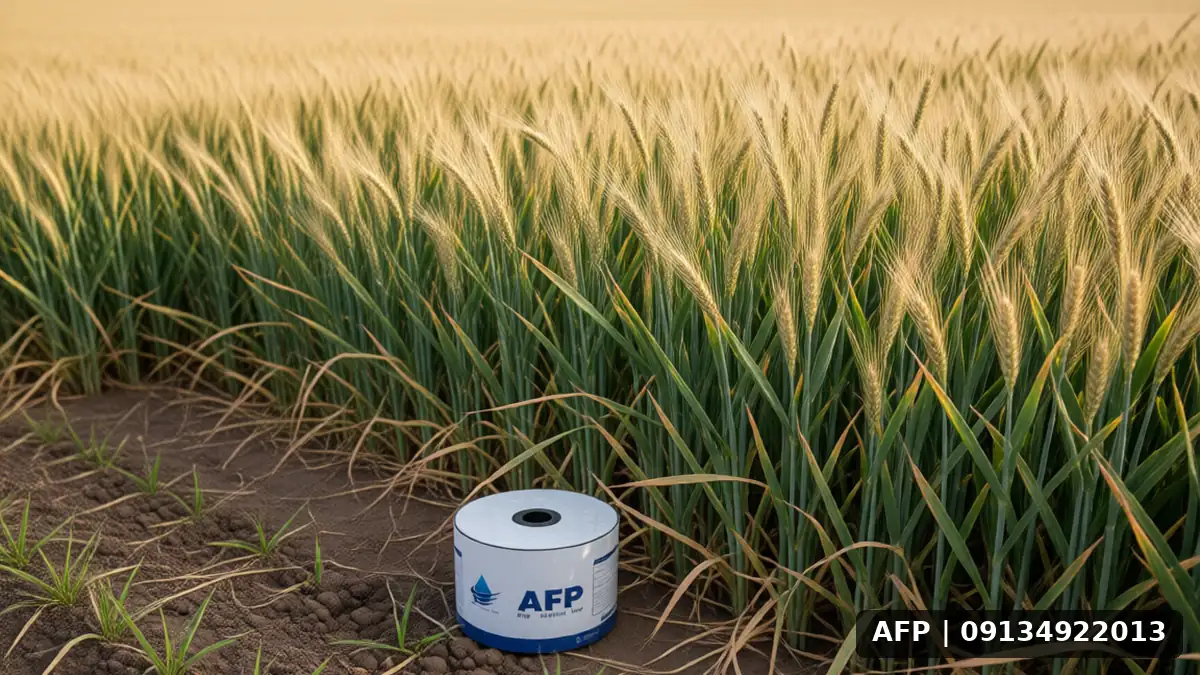
Wheat is most sensitive to drought during the flowering stage. Drip irrigation, due to its precise flow control, allows you to deliver water exactly as needed at each stage. This precision reduces salt accumulation on the soil surface, which is highly beneficial for wheat germination. Furthermore, in regions requiring simultaneous management of multiple crops, understanding planting density is important; for example, regarding banana yield per hectare, which refers to advanced drip systems, this demonstrates the synergy of similar technologies in agriculture.
Frequently Asked Questions (FAQ)
Is drip irrigation with drippers feasible for early wheat?
Yes, it is highly feasible. For early wheat with a shorter growth cycle, drip system installation works faster and, considering the plant’s immediate need for moisture during the tillering stage, low-flow drippers meet the plant’s needs with high precision without causing waterlogging. This is in contrast to flood methods, which may cause excessive soil saturation and disrupt root growth.
What is the maintenance cost of drippers compared to tape systems?
The maintenance cost of drip irrigation primarily involves cleaning filters and checking for nozzle blockages. Tip-line systems also require cleaning; however, due to their higher flow rates, they are more prone to severe clogging. In the long term, drip irrigation is more cost-effective because of its higher irrigation efficiency and reduced fertilizer consumption (due to fertigation). Given the importance of seed rates, as outlined in the principles above, many farmers are looking for the optimal soil texture and root zone combination for all their crops. Fennel seed rate per hectareare actively seeking the optimal soil texture and root zone combination for all their crops.
Does this system cause damage to soil salinity?
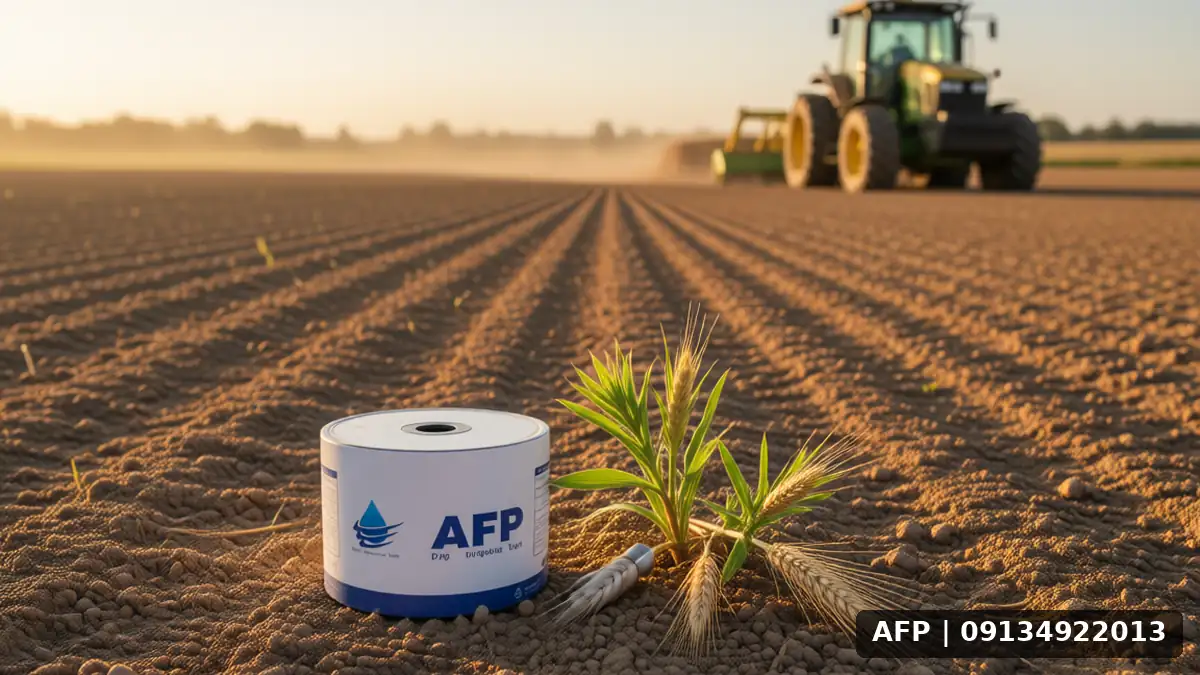
No. In fact, the correct use of drip irrigation can prevent the accumulation of salinity at the soil surface because water is applied directly at the root zone, moving salts away from the active root area. Nevertheless, ensure that salts are leached to greater distances by providing adequate irrigation water.
Conclusion
The choice between drip irrigation using tip lines and other methods depends on your climate conditions, soil type, and the existing farm infrastructure. Drip systems offer high precision, providing better control over wheat soil moisture and nutrition, and are recommended for water-scarce regions and high-density plantings. If your farm has a steep slope or an older tip-line system that is being modernized, you can initially convert a small portion of your field to a drip system as a trial. Then, make the final decision for the entire farm based on observed real-world data. To better understand resource management, studying topics such as a comprehensive guide to pumpkin cultivation can provide a broad overview of planting and irrigation engineering principles.