Drip Irrigation Using Tape in Squash Cultivation: Advantages
Introduction: The Need for Irrigation Optimization in Squash Cultivation
Squash is a crop that requires a precise and efficient irrigation system due to its rapid growth and high water consumption. Under current water resource constraints and rising production costs, the transition from surface irrigation to pressurized methods, particularly drip irrigation using tape lines, is considered an economic and environmental necessity. This method not only reduces water losses but also directly affects crop quality and yield by stimulating root growth at the appropriate depth. The following section reviews the technical details and key benefits of this system for squash cultivation. Selecting the appropriate system can reduce the economic risk of the crop and ensure final yield. It is also vital to consider the farm’s climatic conditions when selecting flow rates and emitter spacing.
Understanding Tape Lines and Their Mechanism of Operation
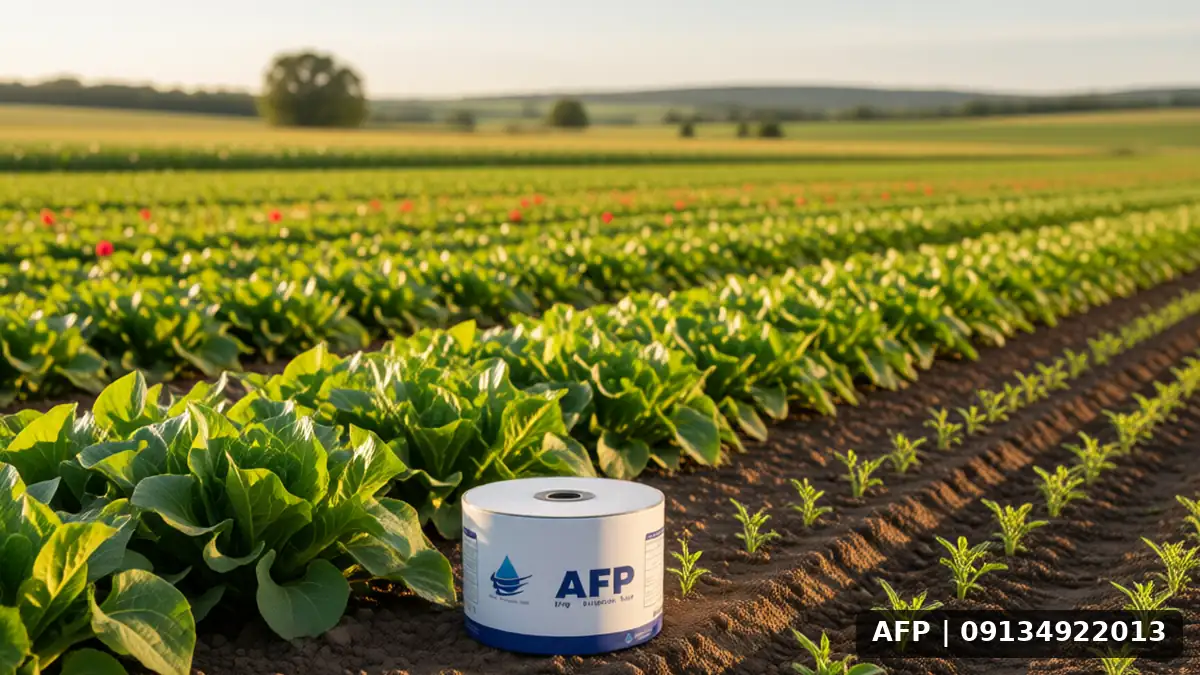
A tape line is a thin, lightweight polymer substrate containing internal channels designed for uniform water distribution. Unlike point emitters that release water at specific points, a tape line creates a continuous band of moisture along the line, which is ideal for crops with horizontal, vine-like growth such as squash. This feature ensures that roots are exposed to moisture for the longest possible duration, avoiding drought-induced stress. For more information on similar products, you can refer to the fixed tape line section, which has similar applications in some orchard crops. Additionally, the use of tape lines with different thicknesses can affect the system’s durability against mechanical pressure.
Various types of drip tapes are available. For example, if your field is prone to clogging, using low-locchi-style joints or anti-clogging plugs can extend the system’s service life. Selecting the appropriate drip tape type based on water salinity and soil type (sandy or clay) is critical. In clay soils, lower water permeability keeps moisture concentrated around the drip tape, preventing crop stunting. This concentrated moisture directs the plant’s energy toward fruiting rather than searching for water.
Key benefits of melon irrigation using drip tape
Using this technology in melon cultivation offers multiple benefits that can be categorized as follows:
- Reduced water consumption: By reducing evaporation and unnecessary deep percolation, water use is saved by 30 to 50 percent. This efficiency provides a competitive advantage in large-scale farms with limited water sources.
- Increased fertility efficiency: Because water is injected directly into the root zone, nutrients are also delivered to the plants via simultaneous drip feeding (Fertigation), reducing nutrient deficiency or excess. This method ensures that root nutrient uptake occurs at maximum efficiency.
- Reduced weed growth: By keeping the inter-row spaces dry (since water flows only under the drip line), weed competition is reduced and herbicide costs are lowered. Reduced herbicide use is also considered an environmental benefit.
- Better performance in clay soils: Drip lines can be installed at different depths to keep squash roots moist and cool in the lower soil layers. This is critical in hot regions where soil surface temperatures rise.
For more precise management of flow rate and pressure in these systems, studying seed density per hectare can provide better insight into planting density and per-unit water requirements. It is essential to adjust water flow according to the root dimensions of the squash. High planting density requires a higher flow rate and more uniform distribution to ensure all plants reach their root zones. Additionally, monitoring system pressure throughout the growing season is necessary.
Practical installation and execution tips for the squash field
Selecting the appropriate drip line layout
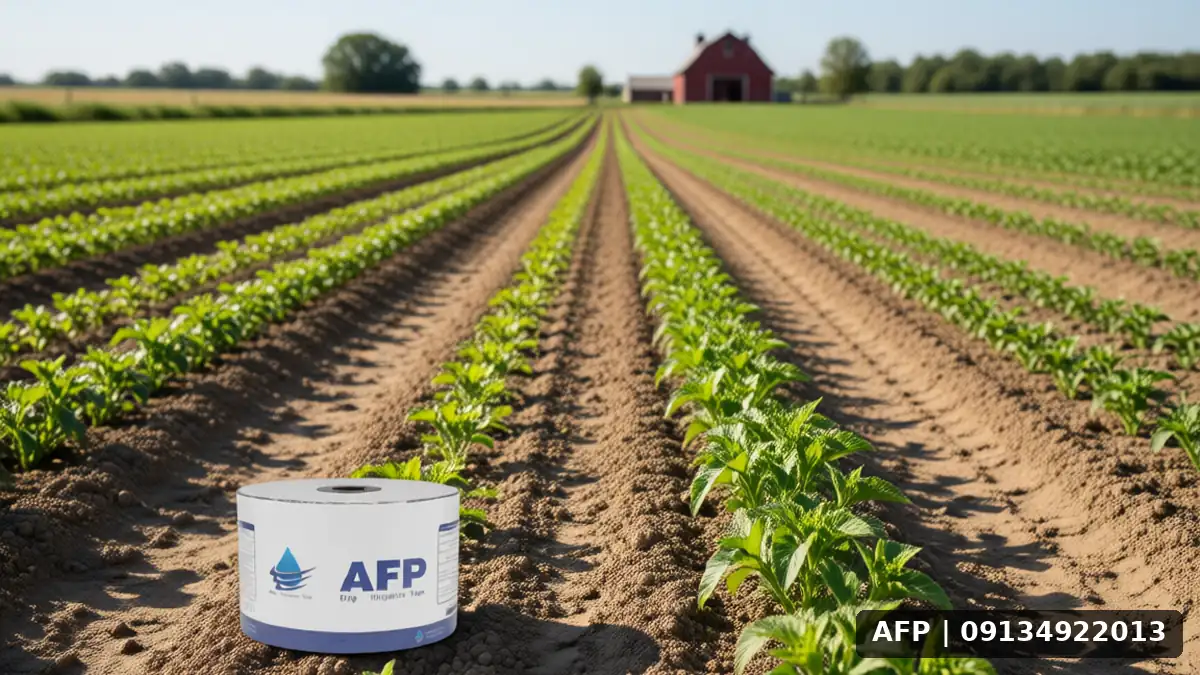
The drip line layout must be synchronized with the squash planting pattern. For Khorasan and green squash varieties, row spacing is typically 100 to 150 centimeters. In this configuration, a single drip line is placed in the center of the row or two parallel lines are placed on either side of the row (depending on the desired flow rate). The most important point is proper layering of the line under the soil to prevent rot or physical damage. It must also be ensured that the line is stretched straight without twisting along the planting path. Inconsistencies in the layout cause some areas to be under-irrigated and others over-irrigated.
Filter System Management
Drip tapes are highly sensitive to silt and sediment due to their small cross-sectional area. High-precision disc or screen filters are required. It is also recommended to install a fertigation tank at the system’s beginning to ensure that nutrients dissolve and distribute effectively during the first planting season. Regular filter maintenance must be included in the farm work schedule to prevent drip tape clogging. Failure to clean the filters can significantly reduce flow rates and damage the pump.
Inlet Pressure Adjustment
For optimal drip tape performance, inlet pressure typically ranges from 0.5 to 1 bar. Excessive pressure can burst the tape or cause uneven water emission, while low pressure results in inconsistent distribution. To accurately calculate pressure, use basic hydraulic formulas for drip irrigation systems like drip tape irrigation. Using an appropriate manifold helps reduce pressure differentials at the end of lines, maintaining uniform distribution. These initial settings must be implemented precisely during the first few weeks of planting.
Maintaining Root and Soil Health
One of the unnoted benefits of drip tape is preventing the formation of a surface soil crust. This is critical for cucurbit crops, which have roots highly sensitive to drought stress. Additionally, in saline soils, periodic leaching via drip tape can move salinity away from the root zone. Salinity is a common issue in irrigation that can be managed effectively with proper drip tape management. Soil pH also affects nutrient uptake and should be determined through soil testing.
Frequently Asked Questions (FAQ)
Are drip tapes recyclable?
Most drip tapes used for cucumbers are made from single-use high-density polyethylene (HDPE) with a low thickness (e.g., 10 to 15 microns). These tapes are generally single-use; however, some newer tapes made from more recyclable materials (such as PET) are now on the market, which can be collected and recycled. In high-density farms, collection costs may exceed the cost of new tape, unless environmental values are prioritized. Attention to tape recycling also helps reduce plastic waste in the field.
What is the appropriate depth for placing drip tape?
Placement depth must align with the active root depth of cucumbers. At the start of the growing season, a depth of 10 to 15 centimeters is recommended. As the plant matures, roots grow deeper, but most water and nutrient absorption still occurs in the upper layer. Placing the tape more than 20 centimeters deep requires greater uptake capacity from the plant, which may slow growth in the early stages. Any change in tape depth during the season should be done carefully and in consultation with an expert.
Can drip tape be combined with fertigation?
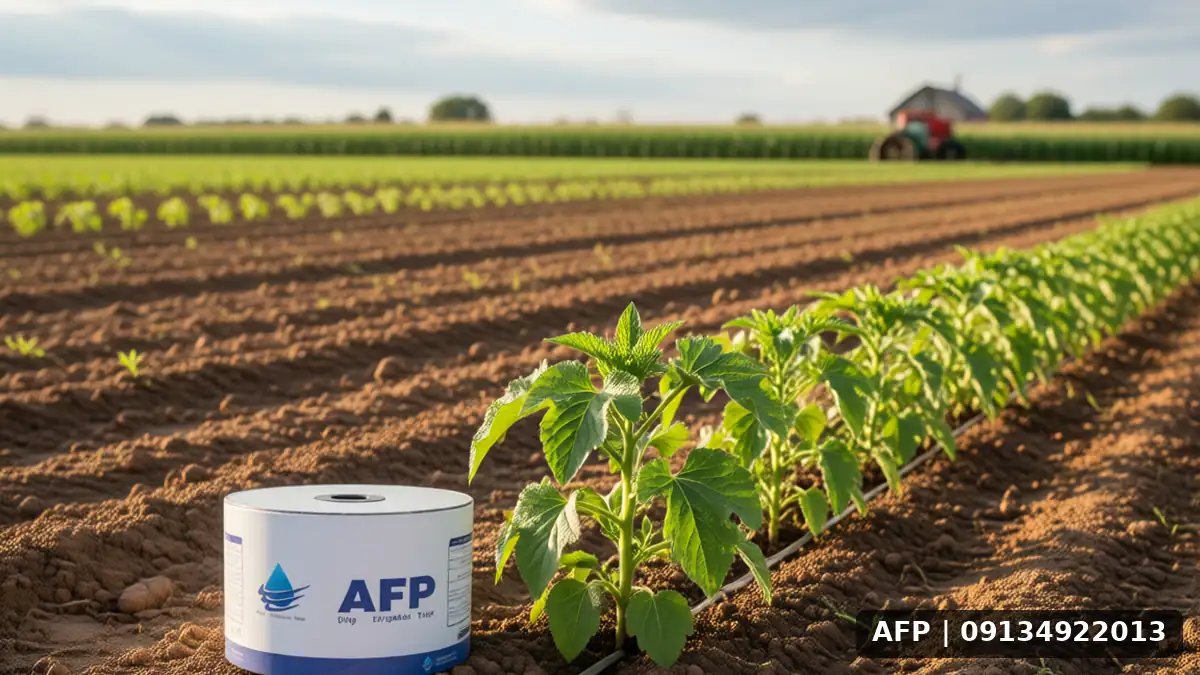
Yes, this is one of the main advantages. By installing a dosing injector and a fertilizer tank on the main line, you can automatically inject fertilizer before the end of the irrigation cycle. This ensures nutrients are precisely located in the wetting front and accessible to the roots. It also allows for adjusting fertilizer concentration based on the plant’s daily needs.
Conclusion: An investment in efficiency
The use of drip tape irrigation in pumpkin cultivation is a paradigm shift in farm management, going beyond merely saving on water costs. This method improves crop uniformity, reduces soil-moisture-induced fungal diseases, and enhances nutrient concentration quality. Farmers agree that with proper filtration system design and appropriate tape thickness relative to the desired flow rate, they can produce more competitive and cost-effective products. It is recommended to test small samples of the tape under actual field conditions before installation to identify the optimal flow rate and pressure. Additionally, keeping records of field-section performance can be beneficial for optimizing future seasons.
Related articles: Fixed spray tape, tomato D8AFD8B1 seed rate per hectare, Agricultural Drip Tape Connections, Drip Irrigation Tape in Nasiriyeh: A Comprehensive Strategy for Enhancing Sustainable Agriculture