Basin Irrigation for Okra: Optimized and Practical Cost Management
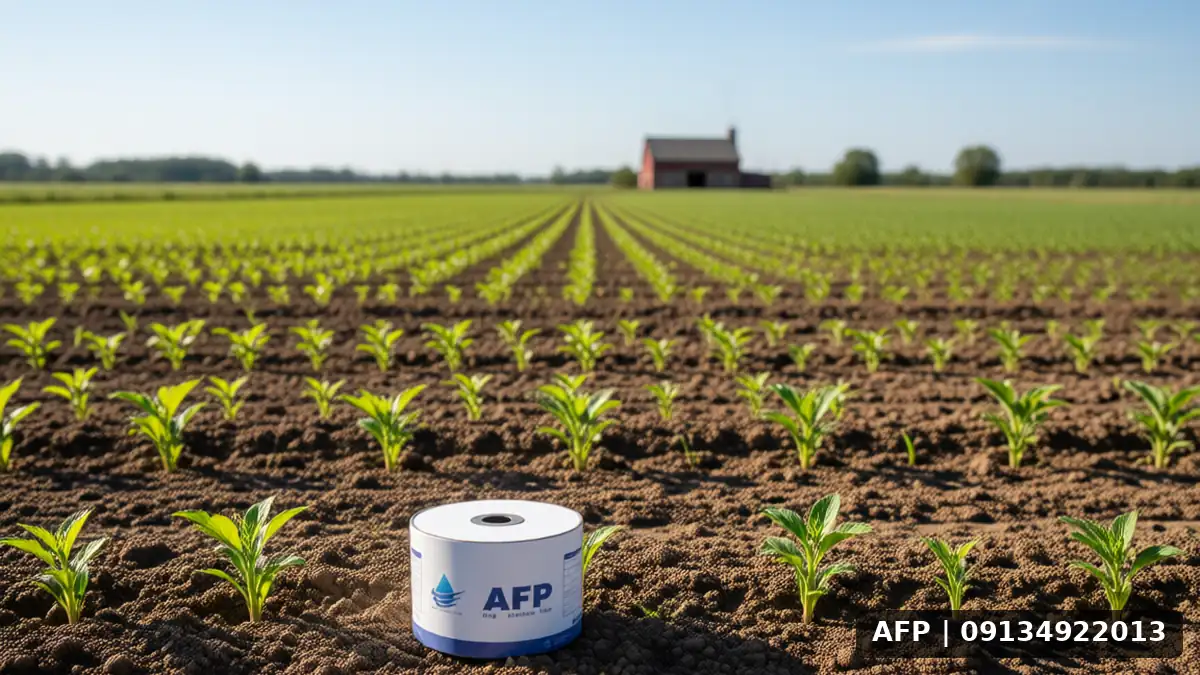
Introduction to Deficit Irrigation Management in Okra
Okra is a high-value crop with a distinctive position in many temperate regions due to high demand in fresh vegetable markets. However, one of the main challenges for gardeners and growers is the intelligent management of water resources and the reduction of production costs. In this regard, Deficit irrigation has emerged as a pioneering approach that has attracted the attention of many professional farmers. This method not only addresses product quality preservation but also alleviates economic pressure on producers by reducing total water consumption. The objective of this article is to provide an operational guide for the optimal implementation of this technology in okra farms and a precise analysis of the cost-effectiveness of irrigation systems.
<>
The Concept of Deficit Irrigation and Its Technical Principles
Deficit irrigation is a water management strategy where irrigation amounts are maintained below the crop’s absolute water requirements over the entire growth season, while ensuring that water supply during critical growth stages is not compromised to the point of causing significant hydraulic stress. The key aspect is that this water reduction must be managed so that crop yield does not suffer a significant decline. In okra cultivation, considering its shallow root system and rapid leaf growth rate, precise scheduling of deficit irrigation is critical. The use of pipeline and drip tape installation systems ensures that water reaches the root zone directly and reduces surface evaporation. This precision in water distribution is a primary prerequisite for success with the deficit irrigation method.
Impact on plant growth and final yield
Research has shown that at certain growth stages of okra, moderate irrigation reduction can strengthen the plant’s immune system and increase cell density in the stems. However, if this process exceeds the defined limit, yield is lost. To better understand the relationship between resource management and crop output, it is beneficial to study articles such as Factors affecting green bean yield per hectare which can provide a better understanding of similar patterns in leafy vegetable crops. In okra as well, focusing on the quality of each branch rather than maximizing the number of branches is part of deficit irrigation philosophy. Therefore, a balance must be established that allows the plant to tolerate water stress without approaching its genetic growth limits.
Setup cost analysis and financial optimization
Optimal cost in drip and line tape irrigation systems is not limited to the initial equipment price. It also includes ongoing costs, maintenance, and pump energy consumption. A well-designed system reduces long-term costs by minimizing water loss and improving uniform distribution. To understand the cost structure, familiarity with line tape maintenance and associated costs is essential. Minor faults in line tape can lead to uneven irrigation and undermine the deficit irrigation approach. Therefore, budgeting for periodic filtration services and pressure regulation is an integral part of economic efficiency calculations. Additionally, using accurate data to forecast costs can minimize financial risk.
<>
Selection of tube thickness and technical specifications
One common mistake that leads to increased hidden costs is the incorrect selection of tube technical specifications. Very thin tubes may be susceptible to failure under pressure fluctuations, while very thick tubes require higher input pressure. For more detailed information, a study on the ideal wall thickness of drip irrigation tapes can influence your initial selection. Furthermore, understanding the general principles of selection can be achieved by comparing them with other vegetables, such as leafy greens. It has been shown that planting density and water requirement are two sides of the same coin and must be considered simultaneously to increase system efficiency.
Practical implementation tips for spinach farms
To transition from theory to practice, adhering to several practical principles is vital. The top priority is soil moisture monitoring. Without data, deficit irrigation is merely a guess. Using soil moisture profile sensors or moisture gauges allows the system to be stopped or reduced precisely at the moment moisture reaches the target threshold for deficit irrigation. Second is the management of row spacing. Spinach planted with appropriate spacing has sufficient air circulation and prevents rot caused by excess humidity, which is part of economic optimization.
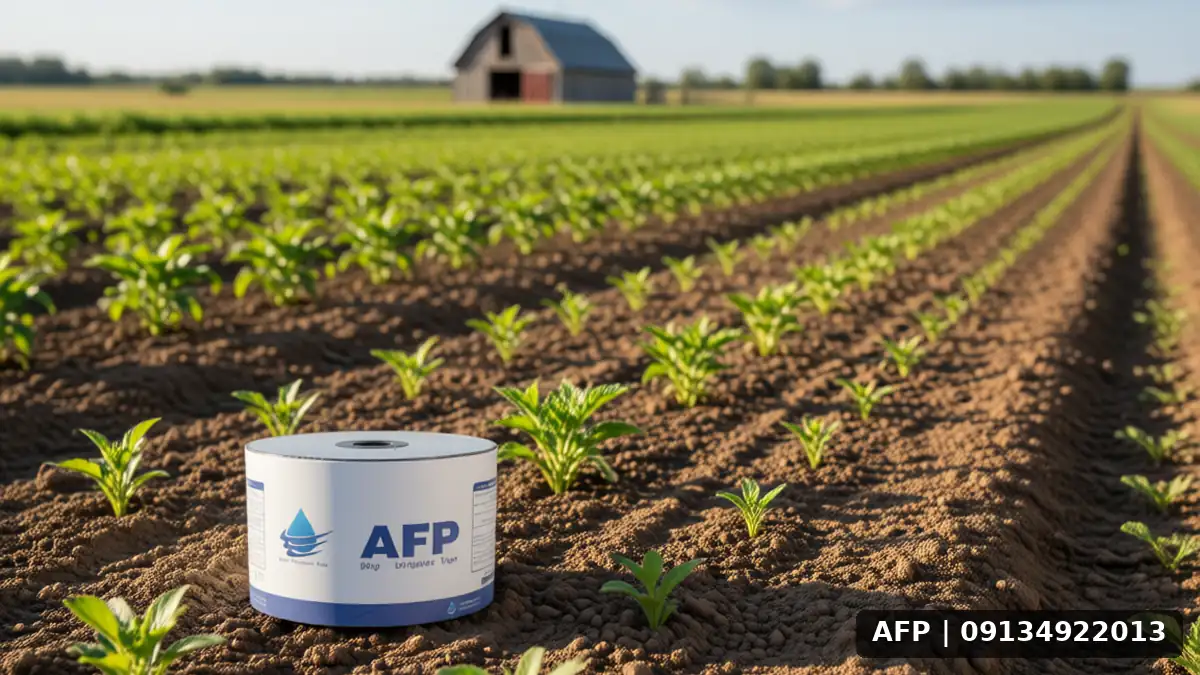
- Use uniformity filters to prevent clogging of drip line emitters.
- Make initial adjustments based on the region’s water balance, not on general experience.
- Regularly inspect hose connections to reduce leaks, which directly affect pumping costs.
<>
Frequently Asked Questions (FAQ)
Does deficit irrigation in okra cause leaf size reduction?
With proper management, this reduction is minor and usually compensated by increased leaf density and quality. If deficit irrigation is very severe, yes, leaf size may decrease, but this state is not economically optimal. Therefore, the goal should be maintaining a balance between water deficit and plant stress.
What is the best time to start reducing irrigation (deficit irrigation)?
Usually, it is after the plant has fully formed and before flowering, as flowering is affected by severe stress. In early growth stages, the plant needs sufficient water for root establishment. Starting deficit irrigation too early can damage plant growth and reduce overall yield.
Are micro-sprinkler systems more suitable than drip irrigation?
For okra planted with narrow canopy spacing, micro-sprinkler systems are generally less expensive and simpler, providing more uniform distribution along sloped rows, unless your production lines are very long and straight. The correct choice depends on local farm conditions.
Conclusion and Future Outlook
Implementation Deficit irrigation in okra cultivation It is a strategic investment for reducing production costs and increasing plant resilience to climate change. The key to success on this path is precise installation, accurate equipment selection, and continuous monitoring of soil moisture. Farmers can enhance their understanding by consulting specialized resources such as the micro-sprinkler irrigation guide for similar vegetables and more specialized studies such as appropriate wall thickness for drip tape, make more informed decisions. Ultimately, combining technical knowledge with economic accounting leads to a high-quality product at an affordable cost that will be successful in competitive markets. This sustainable approach benefits both the environment and agricultural economics.