Drip Irrigation in Almond Cultivation: Key Prerequisites and Practical Guidelines
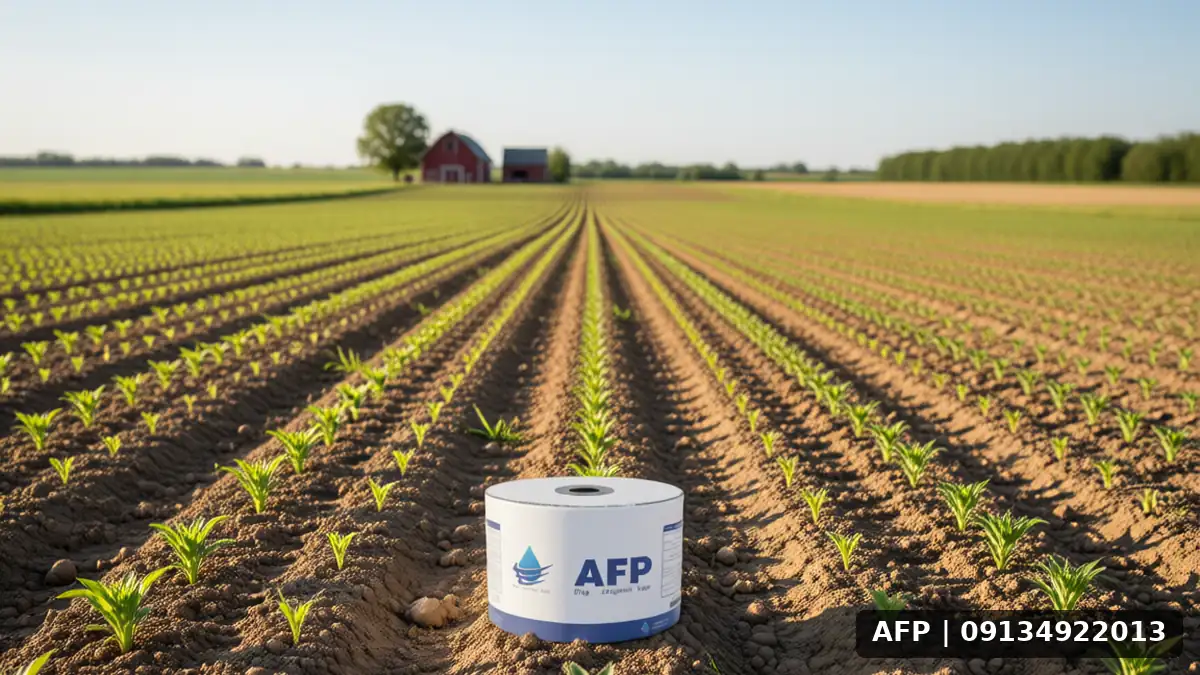
Introduction to the Importance of Drip Irrigation in Cabbage Cultivation
Cabbage cultivation, particularly grain and forage varieties, is traditionally practiced in many arid and semi-arid regions using flood irrigation methods. However, increasing pressure on water resources and the need for improved efficiency are driving farmers toward modern irrigation methods such as drip irrigation for cabbage and the use of drip tape. Drip irrigation, by precisely distributing water in the rhizosphere, allows for up to a 40% reduction in water consumption compared to flood irrigation. However, success with this method depends not only on purchasing drip tape, but on a comprehensive set of technical, managerial, and agronomic prerequisites. This section of the article examines these prerequisites in detail to enable farmers to verify all necessary conditions before making their investment.
Technical and Agronomic Prerequisites Before System Installation
Installing a drip irrigation system for cabbage without adhering to agronomic principles can lead to adverse results. Cabbage is a crop that exhibits high sensitivity to water stress and excessive soil surface moisture during early vegetative stages. Therefore, the first prerequisite is a deep understanding of cabbage plant physiology. Cabbage has a relative root system, and root depth varies among different cultivars. Using drip tapes with emitter spacing suitable for the root depth is critical. The key technical prerequisites are outlined here:
Thorough Preparation of the Planting Bed
Drip lines are typically laid directly on the soil surface or slightly below it (subsurface). The presence of large rocks, weed roots, and severe irregularities in the seedbed are the two main causes of emitter clogging and physical damage to drip lines. Therefore, a prerequisite is deep plowing followed by shallow tillage to homogenize the soil. The soil surface must be leveled such that the drip lines are placed in neat rows and water distribution is uniform. Additionally, the importance of field inspection for drip lines and polyethylene pipes cannot be ignored; subsurface drains and proper land leveling are vital prerequisites.
Seed and row spacing management
One of the most important prerequisites for drip irrigation is the alignment of corn seed spacing with the drip line emitter spacing. If the corn seed is not placed directly under an emitter, the plant is forced to grow lateral roots to search for water, which reduces efficiency. For this reason, knowing the exact corn seed rate per hectare and the plant spacing is essential. To optimize this spacing, a study on the seeding rate of wheat and corn per hectare can serve as a good guide, although local corn varieties also require similar adjustments. It is recommended that the spacing between drip lines be set so that the wetting zones around the planting rows have adequate overlap, ensuring that absolute dryness does not occur in the inter-row spaces.
Practical points in selecting and installing drip lines
After soil preparation, the next step is selecting the appropriate drip tape. The second prerequisite is understanding the types of drip tapes available on the market and matching them with sorghum cultivation conditions. Drip tapes are available with various emitter spacings, such as 1 mm, 1.6 mm, and 2 mm. Since sorghum water consumption is lower compared to large grain crops like maize, tapes with smaller diameters and lower flow rates (such as 1 or 1.6 mm) are generally more suitable.
Matching the tape flow rate to sorghum water requirements
Sorghum is a crop with medium water requirements. Using drip tape with high flow rates (for example, above 2 liters per hour) can lead to excessive water pressure on sorghum’s delicate roots and increase the risk of clogging. Therefore, accurately calculating the water volume required for sorghum at each growth stage (germination, vegetative, grain filling) and matching it with the drip emission rates is an engineering prerequisite. To better understand the structure of these systems, studying the components of drip irrigation tapes and emitters helps you become aware of their operating mechanisms.
Subsurface and surface installation techniques
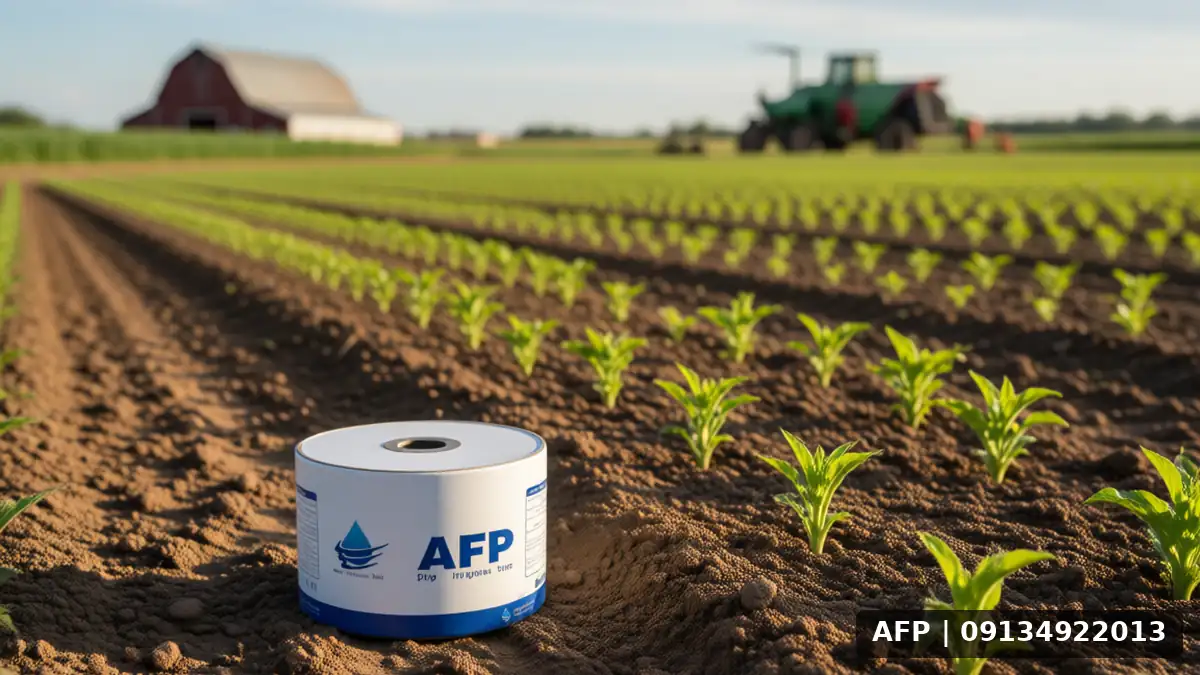
In sorghum cultivation, there are two methods for placing the drip tape: surface (on the soil) and subsurface (sub-surface at a depth of 5 to 15 cm). Subsurface installation, performed using specialized tapes or perforated tapes, offers several advantages, including reducing direct water evaporation from the surface, protecting the tape from sunlight, and preventing emitter openings from being blocked by tadpoles and other factors. However, subsurface installation has more specific prerequisites because access for repair is more difficult if the tape breaks. Farmers must ensure the tape is placed at the appropriate depth relative to sorghum root depth. Additionally, maintenance and management of the drip irrigation system in this method are the main challenges after installation and require a regular inspection schedule.
Filtration Management and Water Quality
One of the most critical hidden prerequisites in drip irrigation is water quality. Hemp is a crop whose delicate roots are easily clogged by sludge particles and suspended solids. Therefore, installing an appropriate filtration system (local or disc, depending on the water source) is an absolute prerequisite. Without proper filtration, the functional lifespan of drip tape is significantly reduced, and the risk of dripper clogging increases. Additionally, the use of chemicals for periodic descaling must be incorporated into maintenance schedules. This water resource management process is essentially a form of system optimization that has been identified as a key parameter in various irrigation systems. It must be noted that every drip irrigation system is an engineering configuration that will inevitably fail if its filtration prerequisite is not met.
Remaining SEOs and Frequently Asked Questions (FAQ)
Answering farmers’ frequently asked questions can help in better understanding the prerequisites for hemp cultivation with drip tape:
Does hemp require drip tape or is drip line more suitable?
For rain-fed and low-water cultivation with medium plant density, drip tape is usually the first choice due to its high flexibility and lower cost. However, in industrial cultivations with high-density varieties and a need for higher precision, drip lines may be more appropriate.
What is the best time to install drip tape in hemp cultivation?
Prerequisite: Drip line installation Before Or Simultaneously with seed sowing. If seeds are sown first and the drip line installed afterward, there is a risk of seed damage or improper depth alignment. Therefore, simultaneous installation or installation prior to sowing is preferred.
Can beet or radish drip lines be used for forage crops?
Physically, yes, but this is not agronomically optimal. Drip lines designed for beets are typically intended for larger cultivars with wider seed spacings. Forage crops require finer spacing and more controlled flow rates. Using drip lines with very high emitter densities for forage crops can lead to poor stability.
How can we prevent drip line clogging in forage crops?
The main prerequisite is continuous filtration and periodic flushing. Additionally, using retractable or in-line drip tapes with a larger emitter diameter can extend the service life.
Conclusion
Drip tape irrigation for sorghum is a smart approach for the future of the agricultural industry, but its success depends on more than just purchasing a roll of drip tape. Key prerequisites include precise soil preparation, matching seed spacing to drip spacing, selecting the appropriate tape type based on sorghum water requirements, and continuous water quality management through filtration. By meeting these prerequisites, farmers can achieve sorghum yield and quality while conserving water resources. It is recommended that these prerequisites be implemented and monitored in small pilot plots before wide-scale adoption to determine the optimal model for your local conditions. For a better understanding of the overall irrigation system framework, referring to the guide on types of irrigation systems can provide a comprehensive view of the role of drip tape in your irrigation architecture.
Related articles: rahnamai mukammali kishti qahvagi tuxmador, Comprehensive Guide to Using Drip Tape for Radish: Spacing, Advantages, and Key Points