Drip Irrigation in Crop and Orchard Farming: A Comprehensive Guide to Efficiency
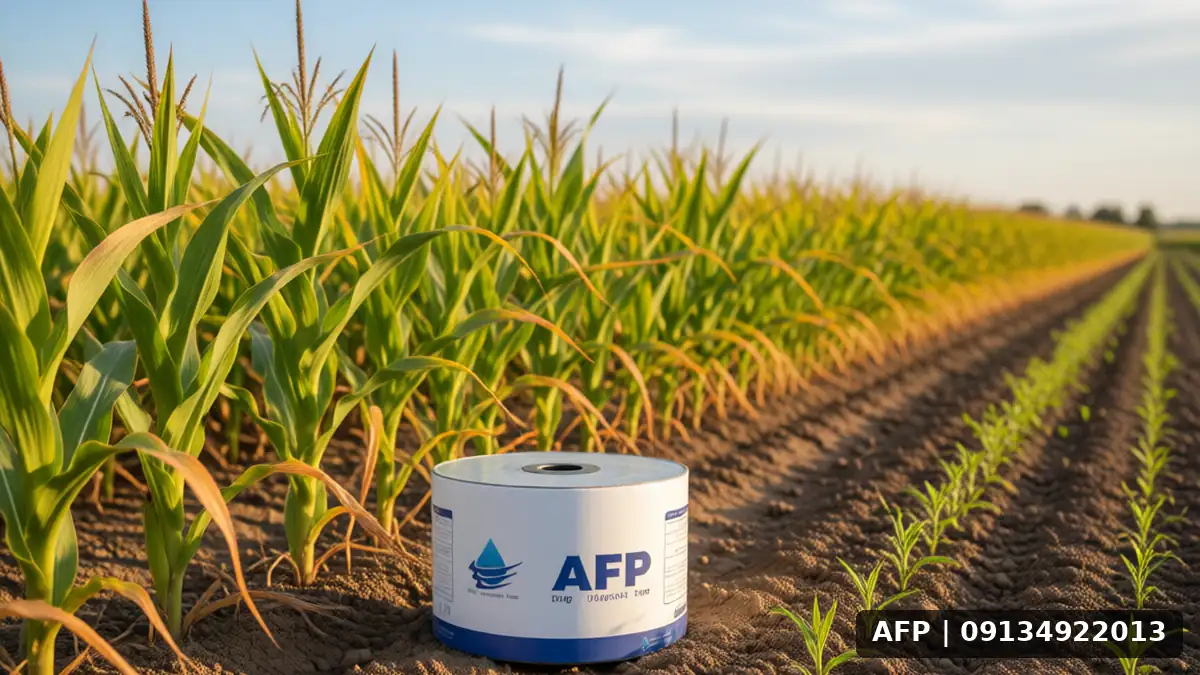
Drip irrigation is one of the most advanced and efficient methods of water delivery in modern agriculture, reducing water stress by delivering water and nutrients directly to the plant’s root zone. In this method, a low-pressure, slow-moving water flow is delivered to the root zone through pipes and emitters. This characteristic reduces water evaporation and deep percolation, thereby increasing water use efficiency. The application of this technique in arid and semi-arid regions, where water scarcity is a primary challenge for farmers, is critical for conserving water resources and maintaining environmental sustainability. Given the constraints on water resources in many areas, adopting this method is not only an economic necessity but also an ecological imperative for the survival of long-term crops. Farmers should understand that the quality of water used in these systems directly impacts plant health, and any chemical or physical impurities in the water can lead to clogging of the emitters.
One of the key advantages of drip irrigation is the ability to combine irrigation with fertilization, a process known as fertigation. In this process, water-soluble fertilizers are delivered with the water directly to the root zone. This not only ensures better nutrient uptake by the plant but also reduces fertilizer loss at the soil surface. For successful fertigation, soil saturation levels must be carefully controlled to prevent the precipitation of mineral deposits around the emitters. The solubility of the compounds and the pH of the fertilizer solution must be compatible with the pH of the water used to prevent the clogging of emitter orifices. Additionally, the timing of fertilizer dissolution must be coordinated with the opening of water valves to prevent the classic precipitation of substances inside the pipes. This integrated approach leads to significant savings in pumping energy and fertilizer costs.
Selecting the appropriate system for each crop is essential and requires a precise understanding of the plant, climatic conditions, and soil type. For plants with superficial root systems, the use of closely spaced emitters (such as 10 or 20 cm) is recommended to supply the required moisture within a shallow depth. In contrast, fruit trees with deeper roots require emitters with greater spacing and higher flow rates. In this regard, information regarding rye yield per hectare, influencing factors, and methods for increase can assist in decision-making for grain crops and the precise irrigation needs of these products. Additionally, for economic crops, an assessment of… bell pepper yield per hectare tajik farmers It indicates the positive impact of drip systems on the quality and quantity of pepper produce. Using optimized yield data for these crops provides a model for adjusting the discharge rate of drippers in other row crops, such as tomatoes and watermelons.
Preliminary calculations for drip system design are based on the plant’s daily water requirement (ETc). This value includes the plant’s baseline requirement (ET0) under ideal conditions and the crop coefficient (Kc). ET0 can be calculated using the Penman-Monteith or Hargreaves-Samman formulas. The crop coefficient varies at different growth stages; for example, Kc is lower in the early growth stage when soil cover is incomplete and reaches its peak during vegetative growth. During the fruiting stage, water requirements often decrease. Accounting for these fluctuations ensures the prevention of root water stress or waterlogging. In this regard, studying the length of the wetting front during equilibrium time can be useful for correctly adjusting the lateral line spacing in row crops. The accuracy of these calculations requires consideration of soil type, land slope, and plant growth rate. If calculations result in excessive concentration, plant roots are exposed to water stress, and if water supply is less than needed, deep percolation losses occur that the plant cannot absorb.
Another important point is selecting the appropriate type of pipe flushing. The use of drip tapes is common in row crops such as oranges, tomatoes, and vegetables. These tubes are manufactured with internal drippers and either remain in the field at the end of the season or are removed using collection machines. In this case, familiarity with pepper drip tape irrigation guide tajik farmers It can provide a good operational model for the irrigation management of sweet pepper (Lens). However, in some cases, the use of Collapsible Hose for the rapid relocation of systems in large farms is required, where it has applications. agricultural collapsible hose guide These hoses are foldable and easy to transport, making them more suitable for crops that require frequent changes in irrigation schedules. The main advantages of these hoses are their resistance to mechanical stress and the ability for rapid turnover in large farms.
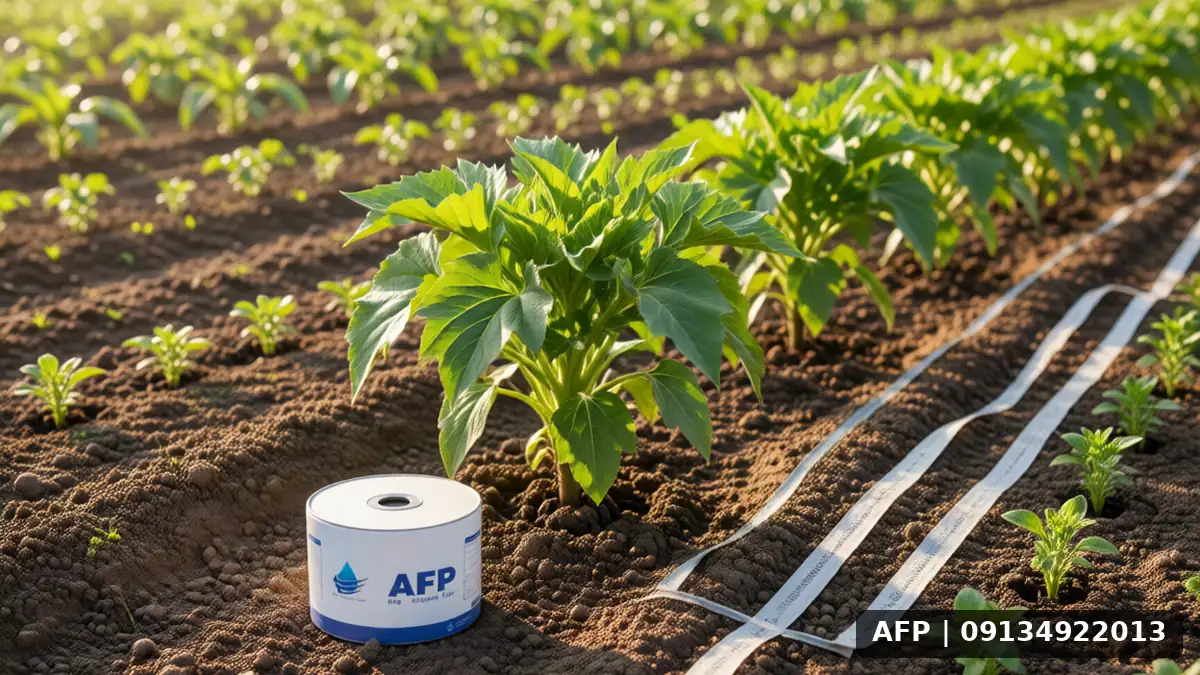
Pressure management in the drip system is of fundamental importance. Excessive pressure leads to hose rupture, damage to emitters, and inaccurate water distribution. Conversely, pressure below the allowable limit causes emitters located downstream on the pipe to not operate with the required precision. To maintain uniform pressure, a Pressure Regulator is used at the beginning of the line. Additionally, in lines with significant length and notable pressure drop, the land’s height differential necessitates adjustment. In sloped farms, dividing the system into different zones with separate regulators for each zone ensures equal water distribution. This requirement is even more critical in areas with high salinity drainage water and salt content, as salts present in the water can deposit in emitters and clog the holes. Monitoring pressure at different points in the network using digital pressure gauges helps the farmer ensure the integrity of connections and the absence of hidden leaks.
Proper filtration is the final component used to prevent clogging of the drip system. The orifice sizes of emitters are very small, and suspended particles larger than 25 microns can clog the system. Therefore, it is essential to use screen filters with a mesh rating of 120 to 180 or disc filters with higher precision. If the water is contaminated with drain sediments, sand filters or mini-sand filters are also installed at the system inlet. Maintenance and periodic washing of filters are among the most critical operational tasks for farm trainees. In terms of fine-grained and water-quality-sensitive crops, such as onion yield per hectare iraq, precision in filtration and irrigation scheduling has a direct impact on increasing yield and reducing crop loss. Furthermore, the cantaloupe seed rate per hectare iraq evidence shows that managing planting density alongside precise irrigation is the key to achieving maximum farm production capacity.
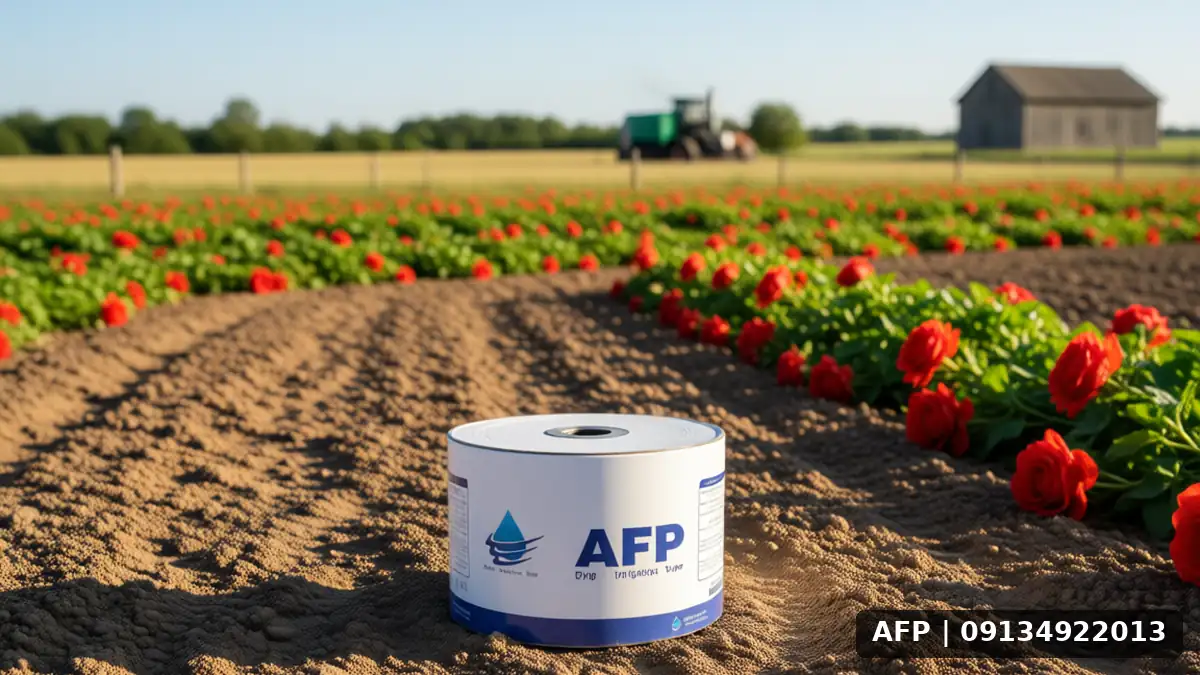
Finally, precise monitoring and control of the drip system are achievable using auxiliary tools such as tensiometers for soil water observation or non-destructive methods. Regular monitoring enables the optimization of irrigation schedules and prevents unnecessary costs based on guesswork. The adoption of drip irrigation, combined with the selection of suitable varieties and soil drainage management, can increase agricultural production efficiency by up to 25%. Initial investment in the design and installation of precision systems ensures a profitable return over time by reducing water consumption and increasing yields. Along this path, familiarization with specialized literature and operational guides for various agricultural sectors must never be neglected. The correct execution of these processes requires persistence, technical knowledge, and continuous monitoring to prevent soil erosion and surface salinity.