Sprinkler Irrigation in Pea Cultivation: Applications and Practical Tips
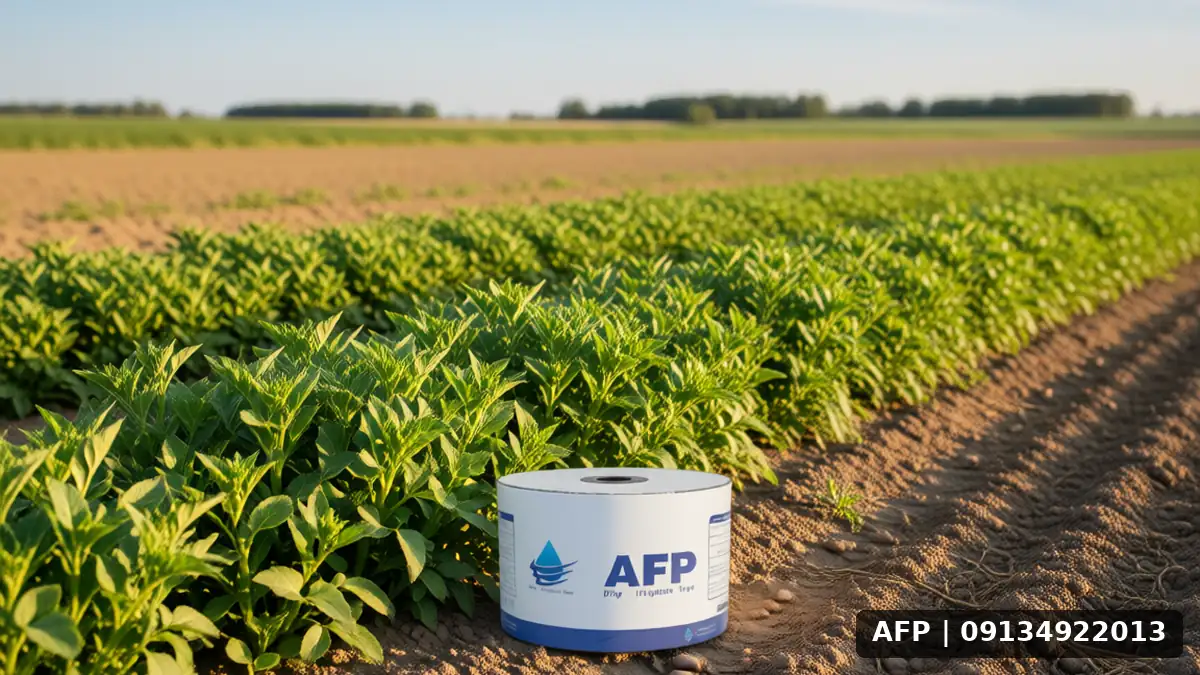
Introduction to Furrow Irrigation in Orchard and Field Crops
Furrow irrigation is one of the traditional yet widely used methods in agriculture, in which water flows directly through vertical furrows on the ground. Although modern systems such as drip and furrow-subsurface irrigation have gained prominence, this method is still widely used in many arid and semi-arid regions for growing various crops, including chickpeas. Chickpea Furrow Irrigation It requires attention to land slope, water volume management, and timing to prevent resource waste. In the following sections, we will examine the applications, advantages, disadvantages, and practical tips for implementing this method in chickpea cultivation. This article specifically focuses on how to optimize this classical method by incorporating modern hydrological principles, allowing farmers to achieve maximum yields from their land with minimal cost and resources.
Principles and Applications of Furrow Irrigation in Chickpea Cultivation
Chickpea is a low-water-use crop compared to other cereals, but during sensitive growth stages such as flowering and pod filling, it requires precise moisture management. Furrow irrigation for this crop is primarily used in lands with low to medium slopes and clay soils. The main application of this method is when access to pressurized irrigation equipment is limited or when the land slope allows for uniform water flow. A precise understanding of the interaction between water and soil in this method is key to success. While precise control of flow at the root zone is possible in pressurized systems like drip irrigation, in furrow irrigation, control over infiltration rate and root penetration depth is the farmer’s responsibility. Therefore, knowing the vertical soil profile and infiltration rate in each section of the furrow is critical. This is similar to the challenges found in other guides such as Butternut Squash Furrow-Subsurface Irrigation Guide It is proposed that the balance between water, heat, and water movement velocity in the soil profile determines plant health. In chickpea, coordination between rooting depth and water passage rate directly affects root acidification levels and, consequently, final yield volume.
- Application in early growth stages: After planting, displacement irrigation with low volume and precise timing can help increase germination vigour, provided that water flow prevents soil compaction around the stem. This is the most sensitive period for establishing the initial root mass, and any mechanical disturbance in the soil can reduce final efficiency.
- Salinity management in susceptible soils: In saline soils, displacement irrigation, due to surface leaching, can effectively reduce surface salt accumulation, although this process may cause nutrient leaching that must be compensated with nutritional amendments. This characteristic makes displacement irrigation a dual-edged tool; it leaches excess salt during irrigation but also doubles the need for soil salinity monitoring.
- Water control for yield potential: To determine the approximate optimal water requirement, studying the soil profile and infiltration rate is crucial. Integrating irrigation data with harvest data, such as in comprehensive analyses Dry lentil yield per hectare This demonstrates that proper water management directly affects seed weight and quality. In chickpeas, precise tracking of water volume consumed versus seed weight obtained is the key parameter for evaluating yield efficiency.
Practical tips for proper furrow irrigation implementation
For success in chickpea furrow irrigation, the following are essential:
- Land slope adjustment: The ideal slope for uniform water passage is approximately 1 to 3 percent. Excessive slope causes erosion and soil washing, while low slope causes water accumulation at the start of the furrow and water shortage at the end. Using clay layers on sloping fields can help retard flow, but requires appropriate drainage channels.
- Inflow discharge management: The water inflow discharge into the furrow must be regulated so that the water surface remains below the ground level at all times. Direct surface flow can cause mechanical erosion of the soil around pea stems, which are highly sensitive to physical root disturbance. Adjusting the canal gates (gates) to allow water to enter the furrow gently prevents simultaneous sedimentation and erosion.
- Irrigation timing: Peas require consistent water supply during their drought stress-sensitive stage, particularly from week 4 to week 8 after planting. Infrequent, high-volume irrigations are recommended to increase water penetration depth into deeper soil layers. Monitoring plant stress using tools such as plant water potential can determine the precise timing for irrigation.
- Water requirement calculation: To minimize waste, accurate calculation of CWS is essential. You can refer to for irrigation calculation and efficiency references, Drip tape installation steps and also Drip tape installation method Refer to this to gain a comprehensive view of comparing different methods. Even if you are using surface irrigation, understanding the installation principles and operation of pressurized systems helps you identify and compensate for the weaknesses of your own method.
Comparison with modern systems: Advantages and limitations
Despite the limitations of surface irrigation in terms of irrigation efficiency and precise control, many farmers are shifting toward low-pressure systems such as drip tape. Drip tape systems allow for uniform water distribution in deep root zones and help reduce the growth rate of weeds. Conversely, the main advantage of surface irrigation is simplicity and lower initial investment. However, in sandy soils with high permeability, surface irrigation is not economically viable because a significant portion of the water leaches deeper than the pea root zone. Therefore, the choice of irrigation method should be based on the soil profile, available water resources, and local climatic conditions. Familiarity with equipment maintenance principles is also key; for example, the difference between inline and plaque drip tape shows how important structural precision is in modern systems. In surface irrigation, precision focuses solely on slope and timing, whereas in modern systems, precision in materials and leak-proof design is also decisive.
Frequently asked questions about pea irrigation
In response to farmers’ frequently asked questions regarding water management for peas:
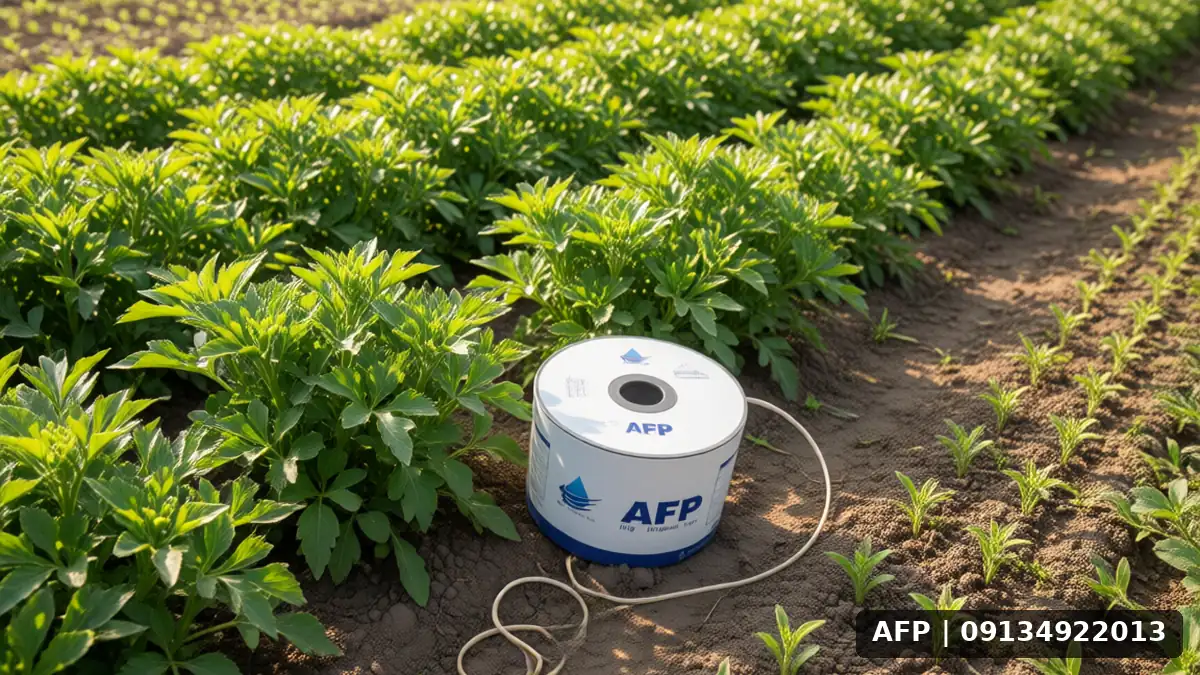
How many times a month should peas be irrigated using the surface method?
This number is highly dependent on climatic conditions. In arid regions during the heat of midsummer, irrigation may be required once or even twice a week. In humid areas, once or twice a month is sufficient. The most important indicator is soil moisture at a depth of 20 cm. Regular monitoring with a Plante sensor can help balance this cycle.
Does flush irrigation cause the loss of nutrients?
Yes, due to deep percolation, soluble elements such as nitrogen and potassium can leach out of the root zone. To address this issue, it is recommended to enrich the soil with compost and reduce chemical fertilization after heavy rain or irrigation. Additionally, using slow-release fertilizers can mitigate this phenomenon.
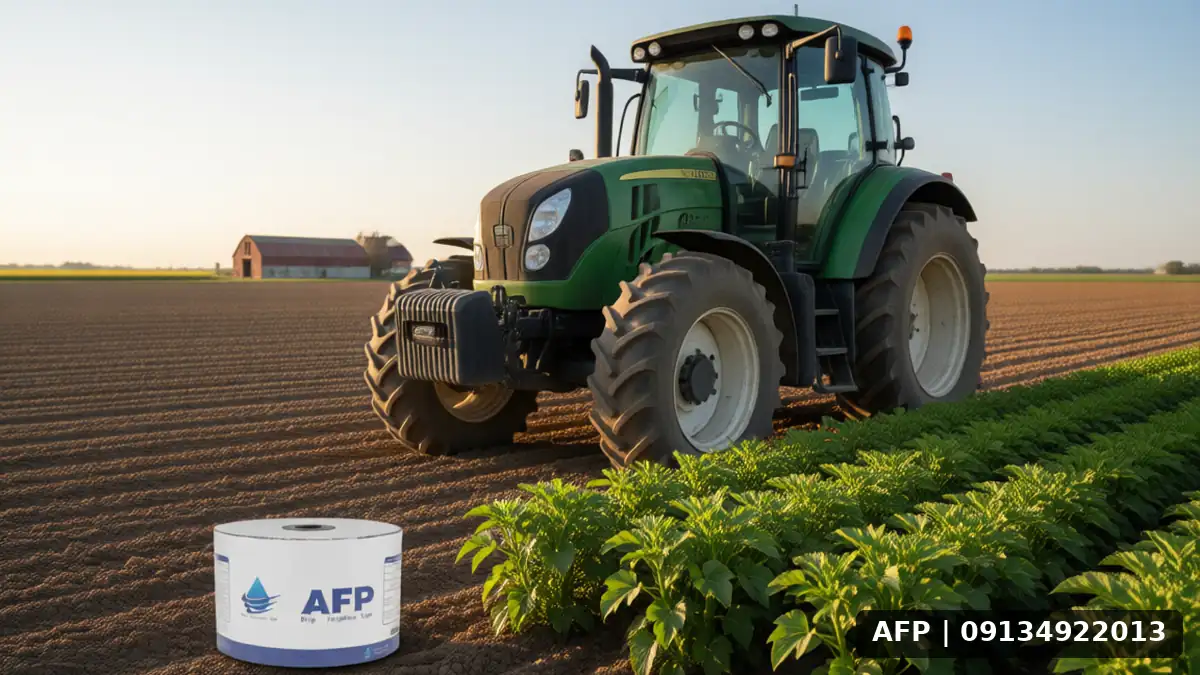
What is the difference in chickpea performance between flush irrigation and drip irrigation?
Drip irrigation, by providing precise pressurized watering, guarantees maximum yield and minimal drought stress. Conversely, flush irrigation has lower overall efficiency and increases the risk of reduced chickpea yield under severe water stress. If the goal is to maximize yield, investing in pressurized systems—especially when water is expensive—appears more logical. However, in many cases, combining flush irrigation with agronomic amendments can be a more economical solution.
Conclusion and final recommendations
Wash irrigation is a simple yet powerful tool in chickpea crop management, provided that slope, flow rate, and scheduling principles are strictly observed. This method is particularly logical for growers who do not have access to pressurized equipment. Given the ecological constraints in Iran and the increasing sensitivity to water stress, combining sequential knowledge with furrow modification and flow control can enhance efficiency. It is recommended to prepare a regular plan before making any irrigation decisions by monitoring soil moisture levels precisely and coordinating with the plant’s growth calendar. Although modern methods like drip irrigation remain the first choice for modern agriculture due to optimal resource cost optimization, the economic benefits of simple methods in remote areas should not be overlooked. Awareness of the subtle differences in irrigation system behavior, such as what is Key points before purchasing drip tape described above, helps the farmer make a more intelligent choice if they need to upgrade their system. Ultimately, sustainable water management is the result of combining traditional knowledge with modern innovations.