Greenhouse Irrigation for Cilantro Cultivation: Benefits and Execution Guidelines
Introduction: The Importance of Water Management in Greenhouse Cilantro Cultivation
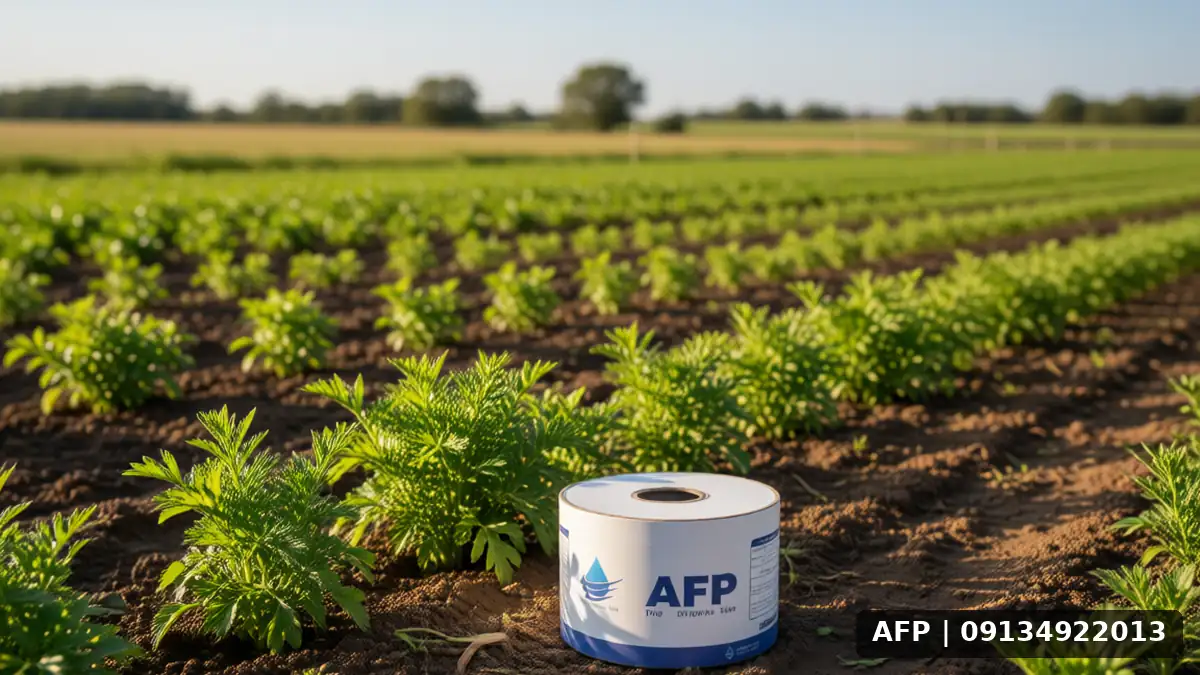
Greenhouse cilantro cultivation has consistently attracted farmers and processing plants due to environmental control capabilities, higher yield, and superior product quality compared to open-field cultivation. Cilantro is a plant with medium to high water requirements, and its shallow root system makes it susceptible to damage from drought stress or over-irrigation. Therefore, selecting an appropriate irrigation system is the key to success in growing this plant. In this section, the pre-purchase considerations for drip irrigation lines must be carefully reviewed to ensure the correct selection of equipment. Modern greenhouse irrigation methods for cilantro not only reduce water consumption but also ensure uniform moisture distribution in the roots and help prevent fungal diseases. Proper water resource management in greenhouses requires attention to technical details, including selecting appropriate filters, regulating flow pressure, and continuous monitoring of water quality. These measures will lead to increased product shelf life and reduced waste in subsequent production stages.
The following section provides a detailed examination of the advantages of these systems and practical points for their implementation.
Advantages of Drip Irrigation Systems in Cilantro Cultivation
Drip systems, as one of the most efficient irrigation methods in greenhouses, provide precise control over irrigation volume and timing. In cilantro cultivation, which requires continuous but not saturated moisture, drippers with low precipitation rates help maintain root respiration and prevent rot. One key advantage of this system is the reduction of surface evaporation, as water is delivered directly to the root zone. Additionally, the ability to add soluble fertilizers through the irrigation line (drip fertigation) is another positive feature of this method that can optimize fertilizer use.
- Water Usage Optimization: Reduced water consumption by up to 40% compared to flood irrigation in greenhouses.
- Reduced root stress: Uniform moisture distribution that promotes balanced stem and leaf growth.
- Potential nutrient delivery: Ability to add soluble fertilizer to the water line, enhancing nutrient uptake by the roots.
Using high-quality drip emitters requires careful water quality management to prevent clogging. For a better understanding of the technical parameters, study the factors and flow models in drip lines is recommended. This technical knowledge helps farmers calibrate the system to the appropriate flow rate. Accurate flow rate adjustment directly impacts uniform plant growth across all crop rows.
Impact on Cilantro Vegetative Growth
Cilantro is a fast-growing plant that typically requires high moisture for leaf harvesting. Using drip irrigation allows the irrigation schedule to be adjusted according to the greenhouse climate zone and ambient temperature. These precise adjustments ensure the plant has water access throughout all time intervals without subjecting new seeds or early flowering to stress. Additionally, controlling relative humidity around the root zone prevents the growth of hornworms and other pests that thrive in high-moisture conditions.
Application of Tape Drip in Enclosed Spaces: Challenges and Solutions
Although tape drip is more commonly used in orchards and open fields, some specialized greenhouses with dense planting use it for production lines. The main advantage of tape drip is a lower initial cost compared to drip tubing. However, in a greenhouse, the risk of excessive heat and direct sunlight can shorten the tape’s lifespan. Therefore, using shade covers or protective channels for tape drip in the greenhouse is essential. Selecting the appropriate material, such as UV-resistant types, can increase the system’s durability for several years.
When selecting tape drip, the material thickness and slot type are of high importance. For plants with sensitive roots like cilantro, tapes with uniform slots and no fuzz are selected to prevent the growth of fungi and bacteria along the line. Familiarity with characteristics of drip irrigation tapes helps you choose the best option for your specific greenhouse conditions. Also, checking the slot spacing against planting density prevents root starvation or excess thirst.
Practical tips for installing and maintaining irrigation systems
Correct installation of the irrigation system is useless even with the best equipment. Here are a few key tips for successfully implementing greenhouse cilantro irrigation:
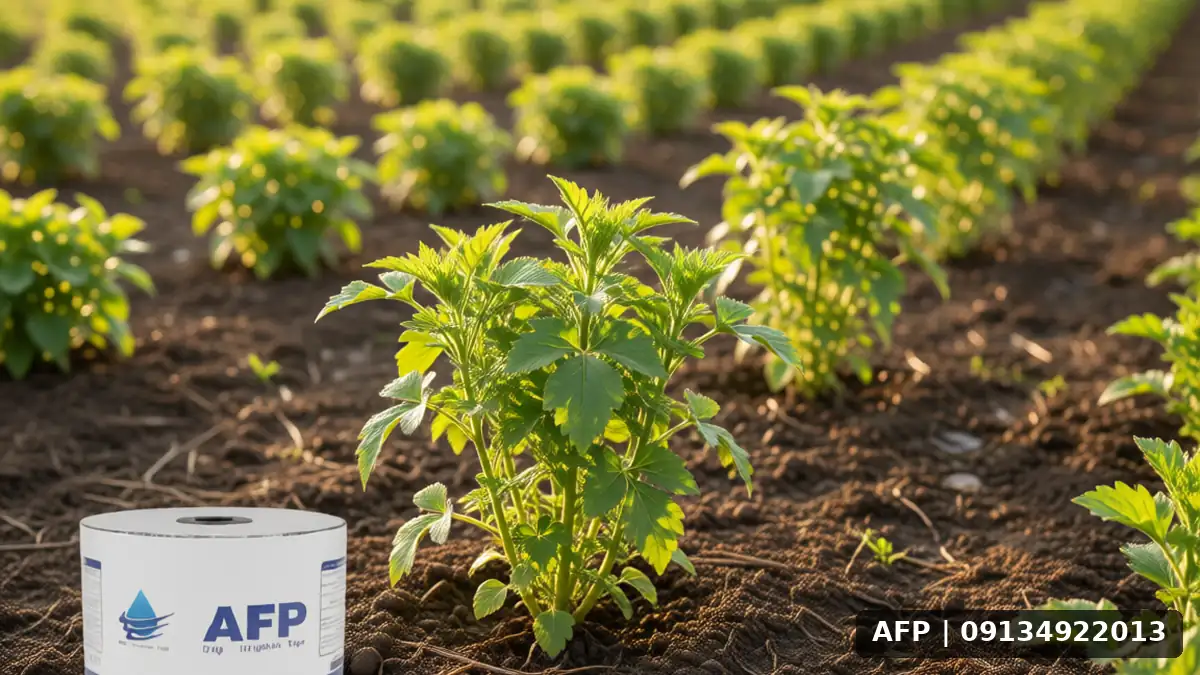
- Filtration setup: Granular and fiber filters must be used to prevent dripper clogging. Regular filter cleaning ensures the system’s service life.
- Leveling the ground or planting bed: In carton-based greenhouses or baskets, the planting surface must be completely level to ensure uniform flow rate along the entire line. Any unauthorized slope causes water accumulation on one side and dryness on the other.
- Initial pressure test: After installation, the system must be pressure-tested to an unreasonable level to identify leaks. Leaks not only waste water but can also cause wet spots and mold growth in the growing medium.
- Water consumption per hectare: For large greenhouses, accurate calculation of water requirements is essential. Referring to the weekly harvest amount per hectare can help you plan your irrigation budget effectively. In this regard, the study of soybean harvest per hectare can be used as a model for comparing resource consumption across different crops.
In addition, regular cleaning of irrigation lines using acidization at the end of each cycle extends the useful life of equipment. Regular acidization removes calcium and bacterial deposits from inside the pipes and maintains uniform flow.
Frequently Asked Questions About Cilantro Irrigation
How many times a day should cilantro be watered?
Depending on the greenhouse temperature, 2 to 4 applications per day at a low volume are generally recommended. During hot seasons, the frequency should be increased to prevent heat stress.
Is fertigation through the drip tape possible?
Yes, but soluble fertilizers with low salinity should be used to prevent deposition in the grooves. Failure to observe this guideline can lead to clogging of the emitters and require replacement of the entire tape.
Should I use drip pipe or drip tape?
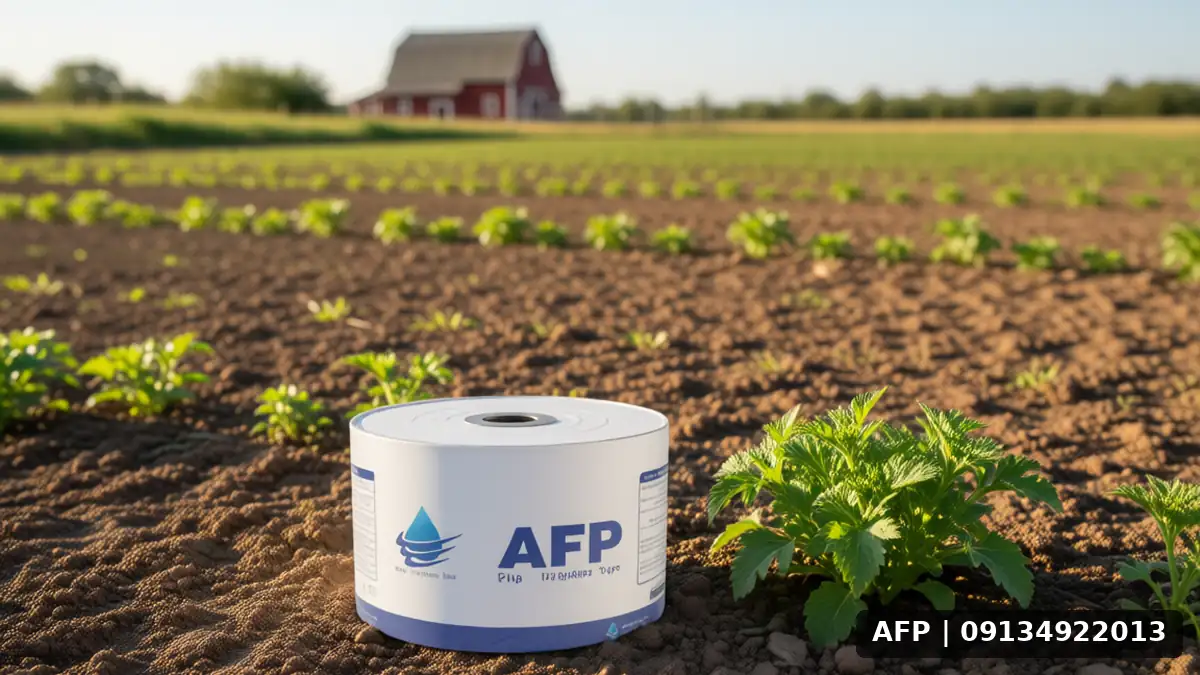
For multi-year greenhouses, plastic drip pipe offers greater durability. For seasonal and short-term crops, drip tape is more economical. The choice between the two depends on your expected system lifespan.
Conclusion and final recommendations
Irrigating greenhouse cilantro using modern systems such as drip and drip tape is not merely a technical option but an economic strategy to increase yield. By adhering to filtration guidelines, selecting appropriate equipment based on environmental conditions, and planning water requirements correctly, we can achieve high-quality products with minimal losses. Attention to minor details in system maintenance significantly impacts the final result. Reading articles related to scallion yield per hectare and other products can also provide a broader perspective on resource management in medicinal plants. Ultimately, consulting with irrigation specialists is always the best step for starting a successful greenhouse project. By following proper cultivation and irrigation principles, cilantro can be utilized as a sustainable income source in various climates.
Related articles: Shallot yield per hectare: A comprehensive guide + tips to increase production, Onion yield per hectare