Greenhouse Irrigation in Broad Bean Cultivation: Prerequisites
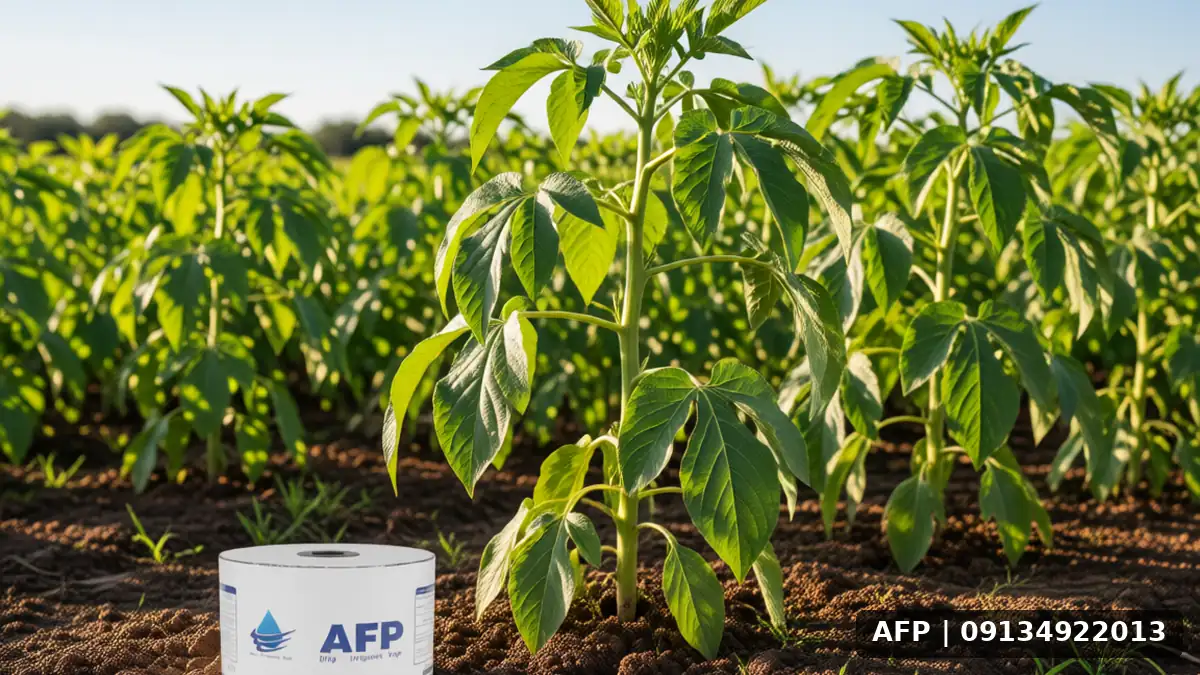
Introduction: The Importance of Precision Irrigation in Greenhouse Faba Bean Cultivation
Faba beans, a valuable crop capable of growth under controlled conditions, are an attractive option for greenhouse growers. However, success in Greenhouse Irrigation for Fresh and Dry Faba Beans depends not only on light and temperature but is also a decisive factor in determining seed weight, mortality rates, and economic returns. In a greenhouse, the subtle difference between water deficit and waterlogging can shift the product from marketable to complete loss. Pressurized irrigation systems, particularly trickle tape and dripsystems, offer better solutions that enable uniform distribution of water and nutrients to the faba bean root zone. Before installing any system, understanding the technical prerequisites, water source, system pressure, and soil properties of the growing medium is essential.
Understanding Broad Bean from the perspective of water requirement and rooting
Broad bean is a deep-rooted plant with a taproot system that exhibits high sensitivity to water stress during the initial weeks of growth. In greenhouse cultivation, light substrates such as peat moss mixed with perlite or coir pith are typically used, which have drainage and moisture retention properties different from natural soil. Understanding this point is crucial for adjusting irrigation intervals. Broad bean roots are concentrated in the low points of drip laterals; therefore, if the drip lateral installation is improper, moisture moves outside the root zone, causing plant stress. Thus, the appropriate irrigation amount for broad beans considering greenhouse conditions must be accurately calculated.
Broad Bean Sensitivity to Waterlogging
One common problem in greenhouse broad bean cultivation is root choking and stem rot, which is directly linked to moisture accumulation and oxygen reduction in the soil. Due to limited lateral penetration, drip laterals create a wider spread compared to point-source drippers, preventing water accumulation at a single point. This feature is considered a major advantage in light substrates with high drainage.
Technical prerequisites for installing drip lateral systems in greenhouses
Installing drip laterals in a broad bean greenhouse, unlike large fields, involves limited space and requires attention to detail. Before proceeding to purchase equipment, the following prerequisites must be met:
- Assessing water source and filtration: Modern drip tapes have small holes that are sensitive to sedimentation and biological growth. Installing an appropriate mesh filter or disc filter on the water inlet line is mandatory to prevent clogging of the emitter holes.
- Determining system operating pressure: Drip tape requires stable pressure throughout the line. Excessive pressure drop in long greenhouse lines causes uneven irrigation distribution. For precise assessment, pressure indicators in the greenhouse can be monitored, and pressure sensors can be utilized.
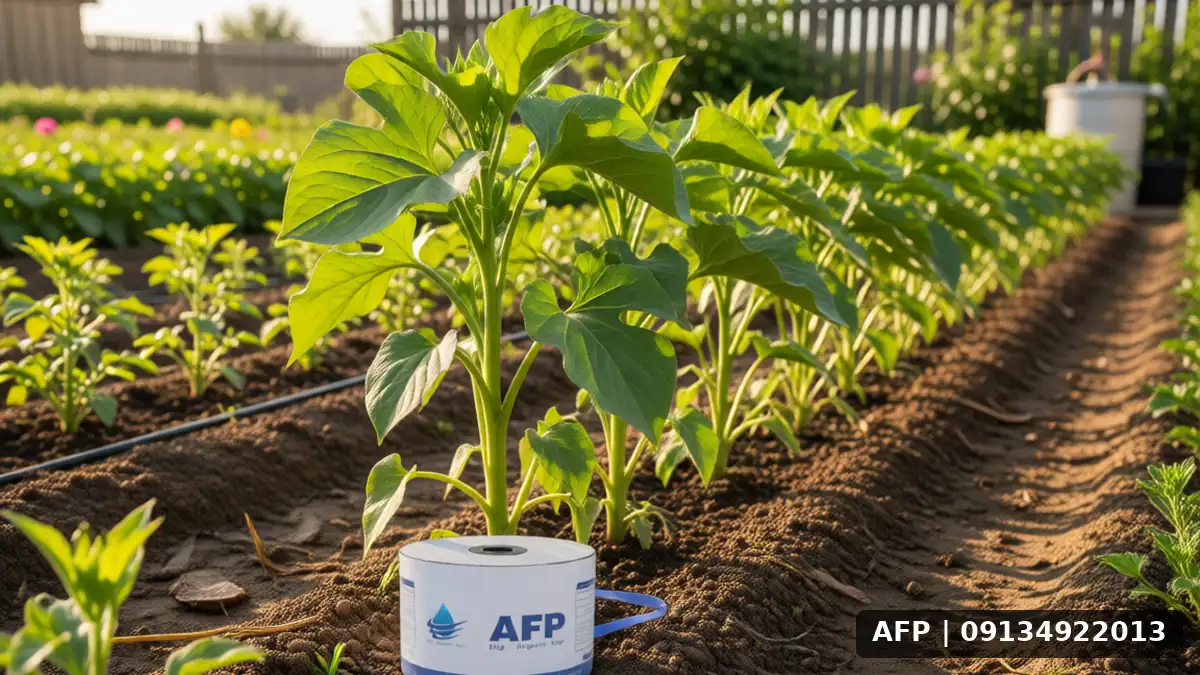
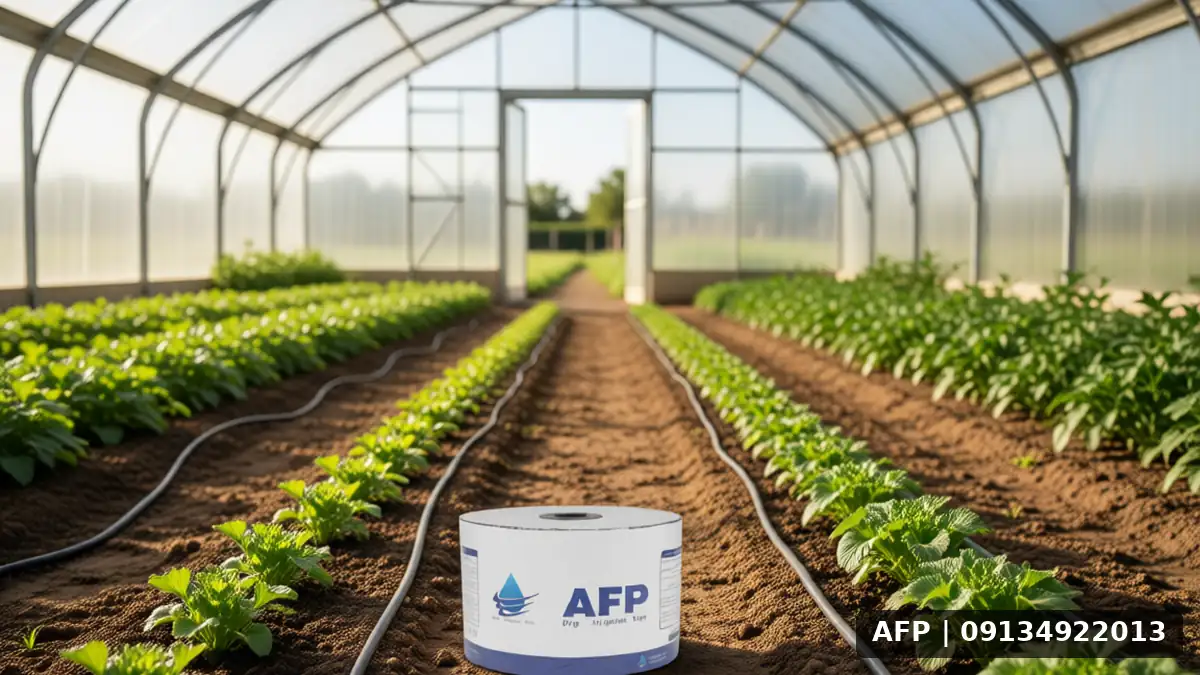
- Selection of tape type and planting depth: In greenhouses, the planting depth for drip tape is typically between 10 and 15 centimeters to place it precisely within the active root zone. The type of tape (lateral-insert or plug-in) affects physical resistance in case of damage during operations. The differences between lateral-insert and plug-in drip tapes are detailed in the section comparing these two types, which is useful for final decision-making.
Calculating flow rate and tape spacing
Tape spacing must align with the planting row spacing for fava beans. In greenhouses, row spacing is typically 50 to 70 centimeters. Assuming each tape operates at a specific flow rate (for example, 8 to 12 liters per hour), it must be ensured that the total flow of the main lines matches the pump capacity. These precise calculations prevent energy waste and insufficient pressure at the end of the lines.
Comparison of drip irrigation and drip tape for fava beans
Drip irrigation confines moisture to a small area around the stem by dripping water drop by drop. This system offers very precise moisture control, but for plants like broad beans with extensive lateral roots, it may cause uneven root growth. In contrast, tape drip creates a long wet band that encourages roots to follow the moisture along the strip. For green broad beans, which require a significant root volume to support early shoot and leaf development, tape drip is often the better option. However, in some hydroponic or soilless culture systems, drip irrigation remains more common.
Practical tips for broad bean greenhouse managers
Applying theoretical knowledge in practice reveals subtle differences. Farmers should also benefit from the practical experience of others. For example, irrigation management in warmer seasons with high transpiration rates requires increased irrigation frequency. Additionally, combining irrigation with liquid fertilization (fertigation) is essential to compensate for deficiencies in soluble nutrients in light substrates. In this process, understanding Cowpea yield per hectare As a similar crop in the same legume group, it can serve as a comparative reference for calibrating irrigation rates. However, fava beans exhibit different behavior under greenhouse conditions. The most critical practical step is to maintain daily records of soil temperature, relative air humidity, and water usage. Over time, this data will identify the optimal irrigation pattern for that specific field.
Software prerequisites and automation control
In modern greenhouses, manual irrigation is no longer sustainable. Using humidity and temperature controllers that are directly connected to solenoid valves ensures that irrigation occurs only when the plants require it. This prerequisite reduces power and water costs and prevents irrigation stress. The system must be configured to deliver short, frequent irrigation cycles during peak heat hours to prevent the substrate from drying out.
Frequently Asked Questions (FAQ)
Does fava bean cultivation in greenhouses require rain irrigation?
No. Fava beans are highly susceptible to powdery mildew diseases. Rain irrigation, which wets the foliage, significantly increases the risk of disease. Subsurface irrigation using the Tefline or drip methods keeps humidity in the soil and prevents the leaf canopy from drying out.
When is the best time to check for clogged emitters?
Emitters must be inspected after every 20 irrigation cycles or if a drop in system pressure is observed. Additionally, at the start of each new cropping season, flushing the lines and using mild acids to remove deposits is recommended.
Can external tube drip emitters be used in greenhouses?
Yes, In-line emitters are more suitable for greenhouses because they are easier to move and repair. However, care must be taken to ensure that the emitter holes are not damaged by hose pressure or staff foot traffic. Embedded emitters offer greater stability but require full pipe replacement if they burst.
What is the impact of the growing medium type on emitter selection?
For highly free-draining substrates such as pure perlite, emitters with higher flow rates or drip lines with closer spacing are recommended to prevent moisture loss. For soils with fine particle size, lower flow rates are sufficient. For more details, one can refer to the water quantity for palm trees per hectare as a reference model for irrigating water-stress-sensitive plants and adapt similar formulas.
Conclusion
Success in Greenhouse irrigation for fresh and dry fava beans It requires a comprehensive assessment of technical prerequisites, the correct selection of installation technology (micro-tape or drip) and continuous management of water quality. Micro-tape emitters, due to their compatibility with fava bean root growth and uniform moisture distribution, are a logical option for pot and box cultivation. However, using this system without regard for filtration, stable pressure and substrate properties will lead to clogging and reduced performance. By observing these principles and using moisture monitoring data, optimal water use and the production of high-quality, healthy fava beans can be ensured.
Related topics: lif flat pipe price guide tajikistan, arzan hosildori gektar rahnemo, chickpea seed rate per hectare rainfed iraq