Sprinkler Irrigation for Fennel Cultivation: Prerequisites
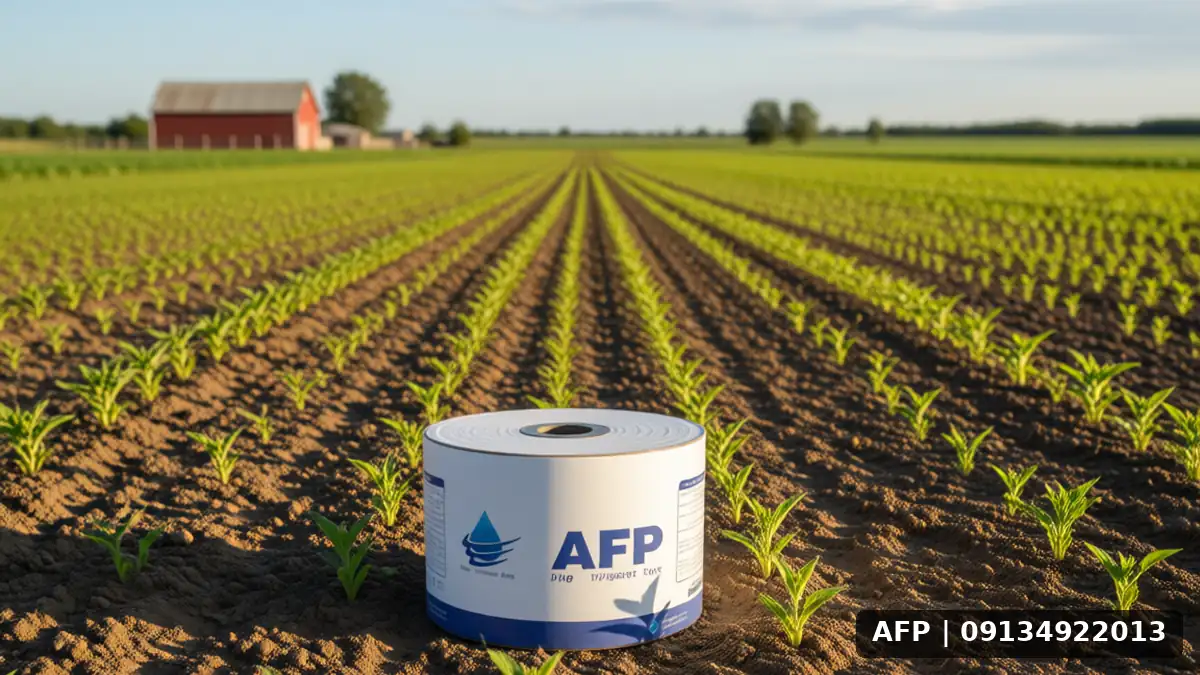
Introduction: The Importance of Precise Water Management in Fenugreek Cultivation
Fenugreek (Fenugreek) is a low-growing plant that requires adequate soil moisture and suitable temperatures for optimal growth. One traditional but effective method in certain regions is surface or furrow irrigation. However, to transform this conventional method into a highly efficient system, a precise understanding of the technical prerequisites is essential. This section examines these prerequisites in the context of trickle band and drip irrigation, as many modern farmers combine surface irrigation with novel systems such as Till band spacing in sugar beet is applied to similar algorithms for other grain crops. Understanding these fundamental principles is the first step toward achieving a uniform, high-quality harvest.
Soil and Geological Prerequisites
Matching Soil Type to Surface Irrigation Methods
Unlike drip irrigation, which can be implemented in most soil types, surface irrigation is heavily dependent on soil permeability. Fenugreek grows best in light, loamy soils, but in heavy clay soils, there is a risk of root waterlogging. Before starting, the surface permeability of the soil must be measured. If permeability is very low, using surface furrows will increase water depth and potentially damage the sensitive fenugreek roots. Conversely, in sandy soils, the rate of water movement is high, requiring wider channels and gentler slopes to prevent erosion.
Precise Land Grading
The longitudinal slope of the field section is one of the most critical prerequisites for border irrigation. For fenugreek, the ideal slope is generally recommended to be between 0.2 and 1.5 percent. A steeper slope increases water flow velocity and soil erosion, while a gentler slope leads to water ponding and reduced root aeration. A precise topographic survey using laser or GNSS tools is a vital prerequisite. In fields with irregular slopes, it is necessary to divide the land into smaller, leveled sections to ensure uniform water distribution.
Design of border canal systems and furrow strips
Types of channeling for fenugreek
There are two main methods for border irrigation channeling of fenugreek: serpentine furrows and strip furrows. In serpentine furrows, water from the outlet of one furrow feeds the next. This method has higher efficiency on gentle slopes. Conversely, strip furrows use parallel contour lines where water flows continuously along the strip. For fenugreek, a low-growing crop, strip furrows are generally preferred because their flood management is easier.
Impact on rooting depth
Channel design must ensure that the furrow depth aligns with the fenugreek drainage layer. Typically, border furrow depths of 10 to 15 centimeters are recommended. If furrows are deeper than necessary, water loss increases. If they are too shallow, irrigation capacity decreases. Here, understanding the importance of weed seed quantity per hectare and their arrangement in strip furrows is also relevant, as plant density affects the speed of vegetation coverage completion and alters the timing of border irrigation.
Management and operational prerequisites
Water Resource Management and Scheduling
Furrow irrigation requires a sustainable water source with an appropriate discharge. Unlike drip irrigation, which operates with low water pressure, furrow irrigation relies on an adequate volume of water flow. Before the start of the fenugreen cropping season, the water storage capacity (reservoir, qanat, or well) must be calculated. Irrigation scheduling must also be synchronized with the plant growth stages. During germination and flowering stages, sensitivity to water deficit is high. The use of data Harvest and Spring Crop Guide can be used as a weak indicator for similar patterns in other leafy vegetables, including fenugreek, as both require dense vegetative cover and consistent moisture.
Adoption of Supportive Technologies
Even in furrow irrigation systems, the use of soil moisture sensors is essential. These sensors help the farmer determine the start and end times of irrigation for each furrow based on the actual root zone requirements. Additionally, the use of flow modeling software for furrows can help optimize furrow length. In large farms, moving water from one furrow to another without waste requires precise hydraulic design, which is a prerequisite for reducing operational costs.
Comparison with Drip and Modern Strip Systems
Advantages and Limitations of Furrow Irrigation Compared to Drip Irrigation
Although furrow irrigation is common in some regions due to existing infrastructure, strip and drip systems offer better water efficiency. In furrow irrigation, the water use efficiency typically ranges from 50 to 70 percent, whereas it reaches 85 percent in strip irrigation. However, in hyssop cultivation, if the goal is to produce fresh herb for the food industry and the initial cost of a drip system is not cost-effective for the farmer, furrow irrigation is a practical option, provided the mentioned principles are observed. For a better understanding of yield differences in grain crops, study Ways to increase potato yield per hectare can provide insight into water management methods for improving yields in root and stem crops.
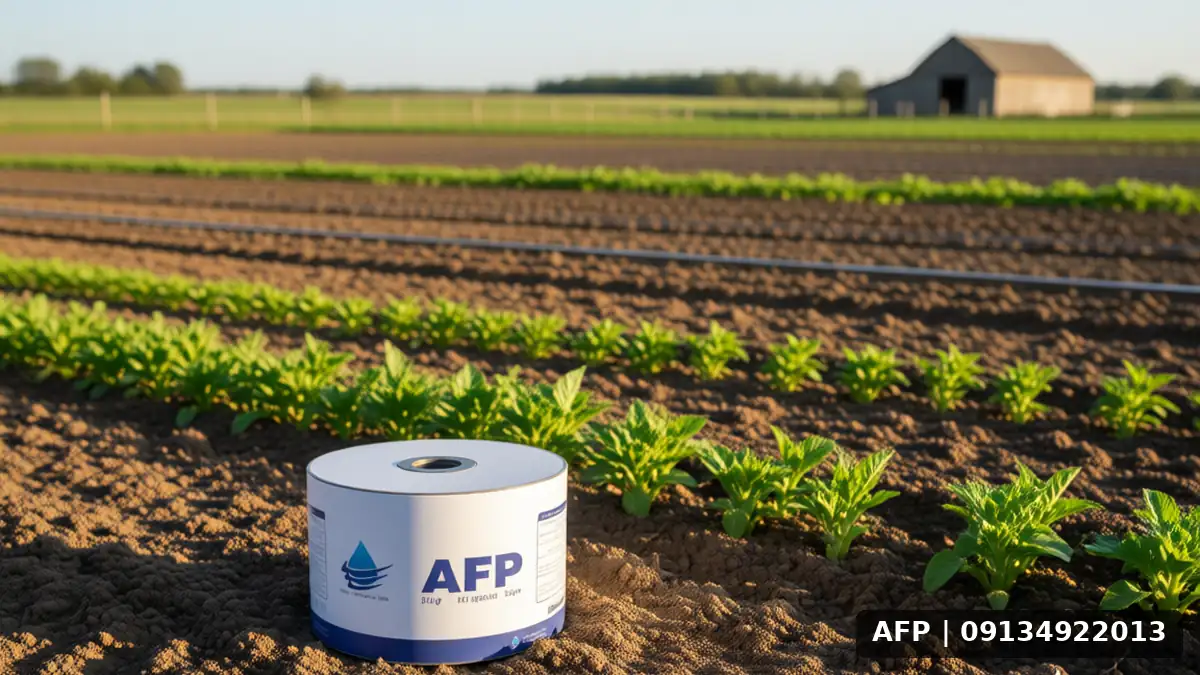
Combined methods: Furrow-drip irrigation
An innovative approach combines furrow channels for base irrigation and drip lines for daily fertilization. This method can resolve surface dryness issues. The prerequisite for this combination is the correct installation of the drip system so that it does not obstruct the flow of furrow water. This method is particularly useful in arid regions with hot summers, where hyssop suffers.
Frequently Asked Questions (FAQ)
Is furrow irrigation recommended for hyssop in sandy soils?
Yes, but with caution. In sandy soils, permeability is high. Therefore, furrows should be designed to be wider and shorter to prevent the formation of deep ruts. Additionally, the frequency of drift irrigation should be increased to prevent water from moving beyond the root zone.
What is the best time for furrow cultivation of fenugreek?
Furrow cultivation should be performed before planting in dry, firm soil. If carried out after planting, young roots may be damaged. It is best to use rotary plows with a constant depth to maintain precise leveling.
What is the main difference between drift irrigation and strip drip for fenugreek?
Strip drip uses level lines and allows water to flow uniformly, whereas in drift irrigation, water is moved through gravity-fed furrows. Strip drip generally offers better land management and is a better option for fenugreek, which requires uniform moisture.
Can I use a drip system to irrigate fenugreek in arid regions?
Certainly, drip irrigation is ideal for fenugreek in arid regions. However, if you have the infrastructure, you can use Basil seed rate per hectare Use this as an algorithmic comparison for moisture management in similar leafy greens. Fenugreek has similar sensitivity to environmental stresses.
What is the startup cost of a furrow irrigation system compared to a drip system?
The startup cost of a furrow irrigation system (including plowing and creating the ditch network) is generally much lower than that of a drip system. However, long-term operational costs (pumping equipment, labor for managing furrows) may be higher in the long run. Farmers should evaluate whole life-cycle costs.
Conclusion
Successful implementation of furrow irrigation in fenugreek cultivation requires strict adherence to technical prerequisites. From land leveling and soil type to irrigation scheduling and resource management, all these factors are interdependent. Understanding these prerequisites and utilizing supplementary data such as articles related to Factors increasing garlic yield per hectare For comparing growth patterns, farmers can make better decisions to optimize water consumption and increase yield. It is recommended to conduct a small-scale preliminary test before the season starts to optimize the system’s performance under local soil conditions.