Irrigating Fruit Orchards in Fava Bean Cropping: A Comprehensive Guide
Introduction: Irrigation Challenges for Faba Bean in Orchards
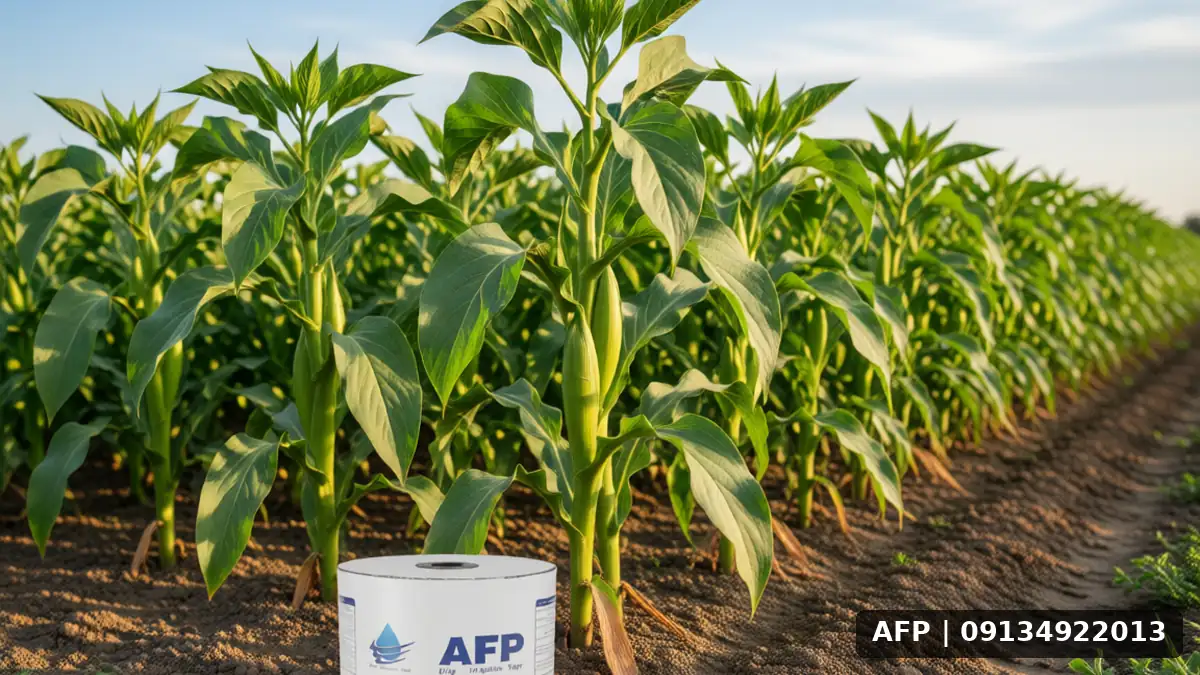
Inter-cropping faba bean in orchards, particularly in southern Iran, is a smart economic strategy that provides seasonal income and utilizes unused orchard space. However, irrigation management in this combined system presents specific complexities. Faba bean is a water-stress-sensitive crop, yet its roots are deeper than those of other medicinal plants. When faba bean is planted under fruit trees (such as olive, pistachio, or citrus), root conflict and competition for water and nutrients are inevitable. Therefore, a precise and intelligent irrigation system is required.
Using smart irrigation with its advantages and disadvantages may be the key to success. But are traditional methods still reliable? In this comprehensive guide, we aim to answer this question and search for the best faba bean irrigation solutions in the busy environment of orchards. Our goal is to provide a practical roadmap that manages the risk to faba bean roots without harming the fruit trees.
Analyzing Faba Bean Water Requirements and the Impact of Intercropping with Trees
Faba bean is an autumn crop with a short growth period, but it has sensitive water needs during three critical stages: germination and emergence, flowering, and pod set. In orchard inter-cropping conditions, root competition with fruit trees limits the spread of faba bean roots in the upper soil layers, as tree roots dominate at that depth. This necessitates frequent irrigation with low application volumes.
Optimizing Water Consumption with Drip Systems
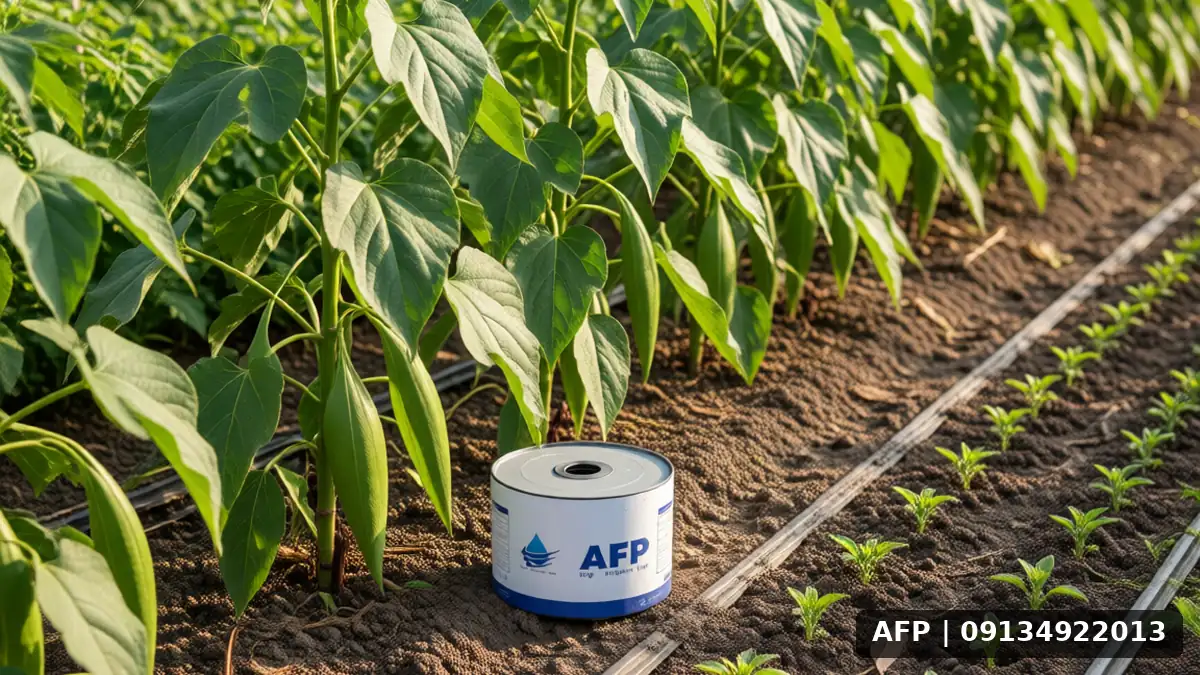
Drip Irrigation is ideal for faba bean because it delivers water directly to the Root Zone. The main difference from flood irrigation is reduced evaporation and prevention of nutrient leaching from the soil. However, the main challenge is, Modern Methods of Agricultural Land Irrigation In orchards, using deflector drippers instead of standard drip emitters provides more uniform distribution. Chickpea is sensitive to uniform soil moisture; sharp fluctuations can cause root splitting and reduced performance.
Micro-Sprinkler Strip: An Option for Row Crops
Micro-sprinkler or tissue strips are highly suitable for chickpea row planting. This method offers better water coverage than simple drip irrigation and performs more safely in windy areas common in open orchards. If you want Micro-Sprinkler Strip Installation Steps to know more, consider the appropriate distance of the strip from the main chickpea root and the distance from fruit tree trunks. Generally, installing micro-sprinkler strips as two parallel lines on both sides of the chickpea row ensures better irrigation stability.
Practical Irrigation Protocols Based on Orchard Zones
Irrigation management in a chickpea orchard should not be uniform. Divide orchards into different zones:
- Zone near the trees: In the first half-kilometer of each row, root competition with the trees is more intense. In this section, reduce the fava bean irrigation dose by 20% compared to open sections to maintain balance with the trees. Use onion drip planting method directly (without extra tapes) in this section is recommended so that water goes exactly under the fava bean roots.
- Middle zone (3 to 5 meters from the tree): This section is the ideal place for fava bean growth. You can use a standard drip system with a 16 mm pipe diameter and a 30 cm dripper spacing. Soil moisture should be maintained at 60-70% of optimal field capacity.
- Zone far from the tree (orchard empty space): Here, you can use Rosemary yield per hectare (As an example of other intercropped plants) draw inspiration, but broad beans require less but more frequent water volume. In these zones, you can use drip tape with smaller emitters to apply weaker nutrient solutions.
Key points for scheduling and water dose adjustment
The most important principle in irrigating broad bean orchards is ‘less but more frequently.’ Never cause soil moisture fluctuations. During the emergence stage (first 20 days), reduce the water dose by 5-10% compared to the full needs of free-growing plants, as broad bean roots are still weak. During the flowering stage, increase the dose to a maximum of 25-30 liters per hour and ensure water infiltration to a depth of 30 cm. This encourages deeper root growth and reduces the risk of pod shattering.
Monitoring water performance with sensors
The use of soil moisture sensors is essential. Instead of relying on dry algorithms, check soil moisture at depths of 15 and 30 cm every 3-5 hours. If moisture drops below 40%, activate irrigation immediately. This system prevents Carrot seed quantity per hectare (as examples of other sensitive crops) derived, but faba bean is more sensitive to early drought. Sensor-based irrigation optimization can save up to 30% in water use.
FAQ: Common Questions About Irrigating Faba Bean in Orchards
Does faba bean grow well in the shade of trees?
Yes, faba bean grows well in the partial shade of fruit trees (a strip 3 to 5 meters from the tree). Tree shading reduces water evaporation, but causes faba bean roots to grow deeper. Therefore, irrigation should be applied more deeply.
Which system is more suitable for sloped orchards?
In sloped orchards, micro-sprinkler irrigation with adjustable sprayers is recommended to ensure uniform water distribution from top to bottom. Drip irrigation on steep slopes may result in water leakage and crop root-zone drying.
How can I prevent damage to fruit trees?
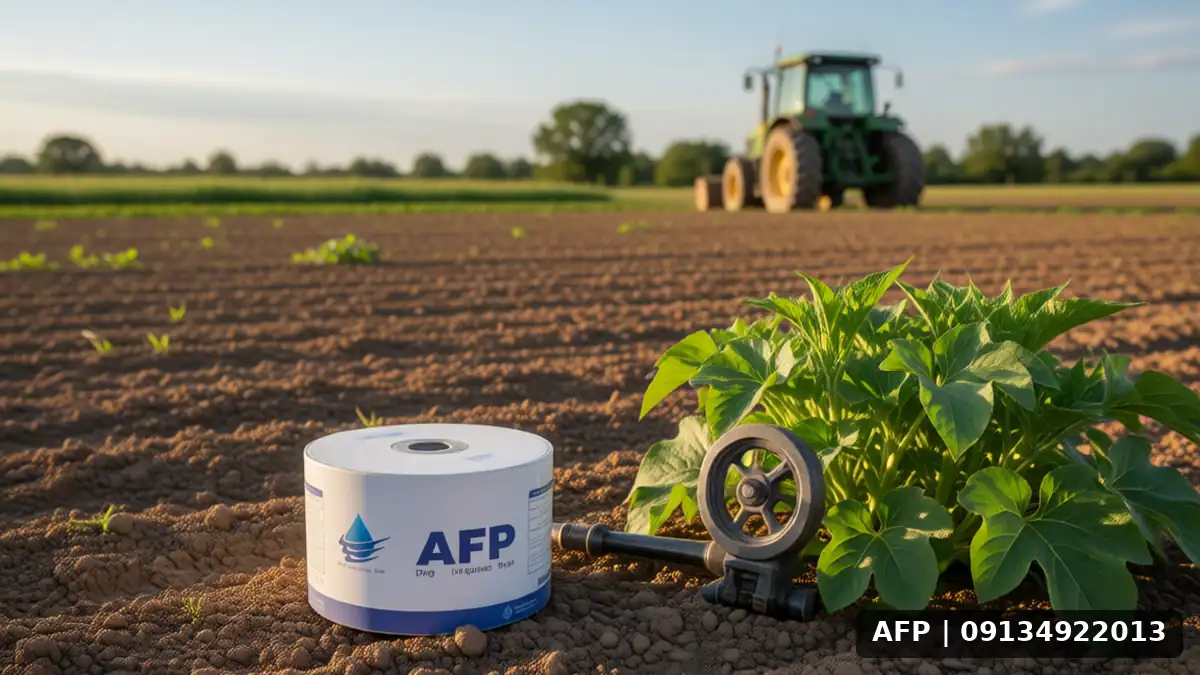
Utilize drip irrigation conditions in the orchard (drip irrigation management under stress conditions) to reduce water dosage for fava beans and prevent water leakage into tree root zones. Keep orchard chemical flushes separated from fava bean irrigation times.
Conclusion: A Strategy for the Future of Fava Bean Orchards
Irrigating fava beans in an orchard is not just a technique; it is a resource management strategy. By combining knowledge of drip and tape systems, you can achieve sustainable, low-stress yields without harming fruit trees. The key is continuous monitoring of soil moisture and adjusting dosage based on orchard zoning. Implementing this comprehensive guide will not only improve your fava bean performance Fava bean value per hectare increasing it, but it also reduces water and energy consumption. This approach is a long-term investment for orchard health and environmental sustainability. Remember that fava beans are a crop that, with careful management, yields the most return per centimeter of water. Finally, choosing the right irrigation system makes the difference between a low-yield orchard and a productive green space. Start planning the optimization of your orchard irrigation system now.