Applications of Drip and Tape Irrigation in Greenhouse Carrot Production
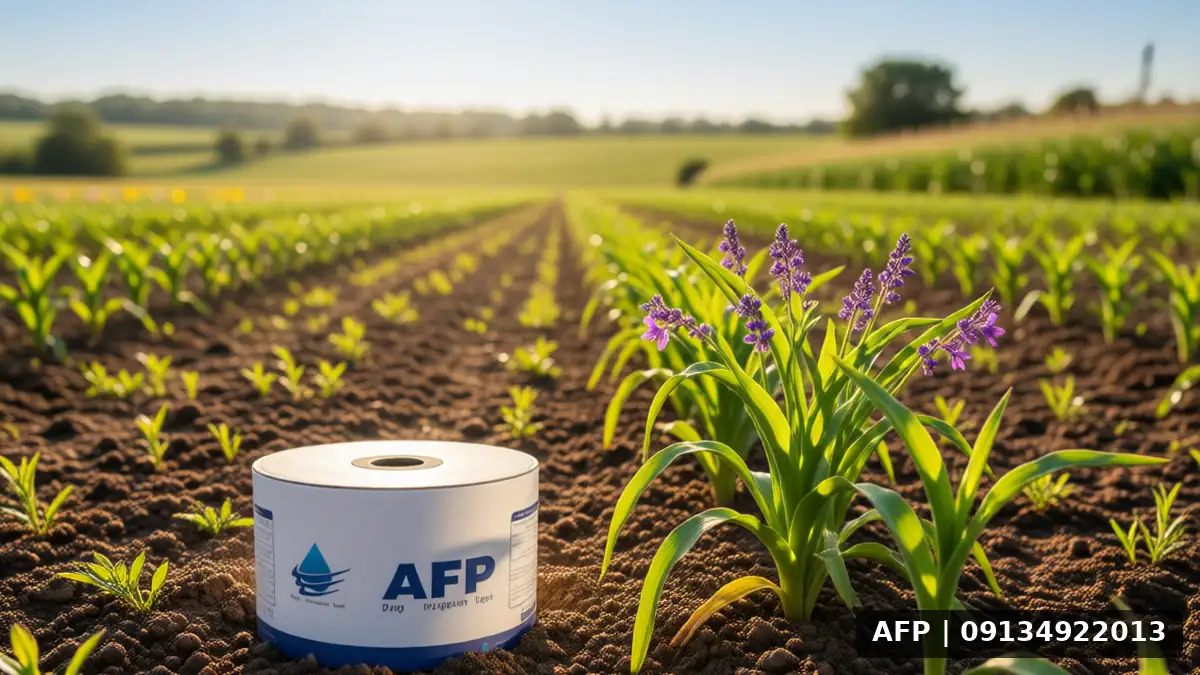
Carrot is one of the most popular and highly demanded vegetables, and its taproot not only serves as a rich source of beta-carotene but is also the main harvestable part. The growth of this root depends on subtle differences in soil moisture, soil temperature, and electrical conductivity (EC). In greenhouse crops, precise management of these variables is of vital importance and can determine the vegetative growth and final quality of the product. The traditional approach, often based on general flooding, not only leads to significant water waste but also causes excessive surface soil moisture, thereby increasing the risk of root fungi. Therefore, using modern irrigation technologies such as drip lines in drip irrigation for cucurbits and root vegetables seems to be a smart solution that should be focused on. In the following section, we examine the applications and technical details of this method in carrot cultivation.
Why is drip irrigation for carrots in greenhouses essential?
Carrot, like many other vegetables, requires a root that grows deep into the soil. Drip irrigation, by placing a plastic pipe near the planting lines, directs water directly to the root zone. This forces the roots to penetrate deeper into the soil to find water. Additionally, by maintaining relative dryness at the soil surface, it provides suitable conditions for reducing fungal infections and diseases caused by high humidity.
One of the most important uses of drip irrigation for cucurbits and similar crops is the ability to precisely allocate water based on species-specific requirements. Carrot has varying needs at different growth stages; from high moisture requirements in the initial phase to more controlled moisture in the taproot development phase.
Key advantages of the drip line method
- Water consumption is reduced by approximately 30 to 50 percent compared to surface irrigation.
- Reduced incidence of root fungal diseases due to decreased relative humidity at the soil surface.
- Ease of use with soluble fertilizers (Fertigation) and reduction of nutrient deficiencies.
- Improved quality and uniformity of the harvested raisin size.
For success in this system, selecting a drip tape with an appropriate hole diameter (for example, 4 or 6 mm for greenhouses) and suitable spacing (Emitters) based on the sowing area is critical. If carrot seeds are sown at intervals of less than 20 cm, tapes with a spacing of 4 to 5 cm must be used.
<
Executive and Technical Principles for Installing Irrigation Tape for Squash and Carrots
Correct installation of drip tape is the first step in efficiency. Before sowing seeds or flowers, tapes must be tested for hole integrity and potential leaks. Installation can be performed manually or mechanized. In modern greenhouses, the use of tape-laying machines is recommended to ensure that the tapes are placed at a constant depth below the soil surface.
Practical Tips During Sowing and Planting
- Seedlings must be sown so that they are placed at a relatively close distance from the tape (but not touching it) to ensure the initial roots easily access water.
- The tape must be installed without sags or kinks to ensure a uniform water flow.
- After sowing, a low-risk irrigation system can be used for the first few days to provide sufficient moisture for germination.
Using high-quality treated wastewater or well water with low EC for root irrigation of crops like carrots and cucumbers is of paramount importance. If water EC is high, it can damage the cambium tissue and reduce quality. Therefore, using an appropriate filter in a carrot drip irrigation system is mandatory.
<
Simultaneous hydroponic management and fertilization
One of the major advantages of tape irrigation for cucumbers and vegetables is its compatibility with fertigation. In carrots, potassium fertilizers play a crucial role in hardening the cambium and improving texture. With precise feeding schedules, water pH can be controlled to prevent precipitation in the emitters. This system, similar to rice drip irrigation systems, requires controlled pumps.
Note that carrots are sensitive to compost fertilizers; magnesium deficiency can cause leaf yellowing. With pipe tape, nutrient solutions can be delivered in small, repeated doses with low flow rates, resulting in better absorption under greenhouse conditions.
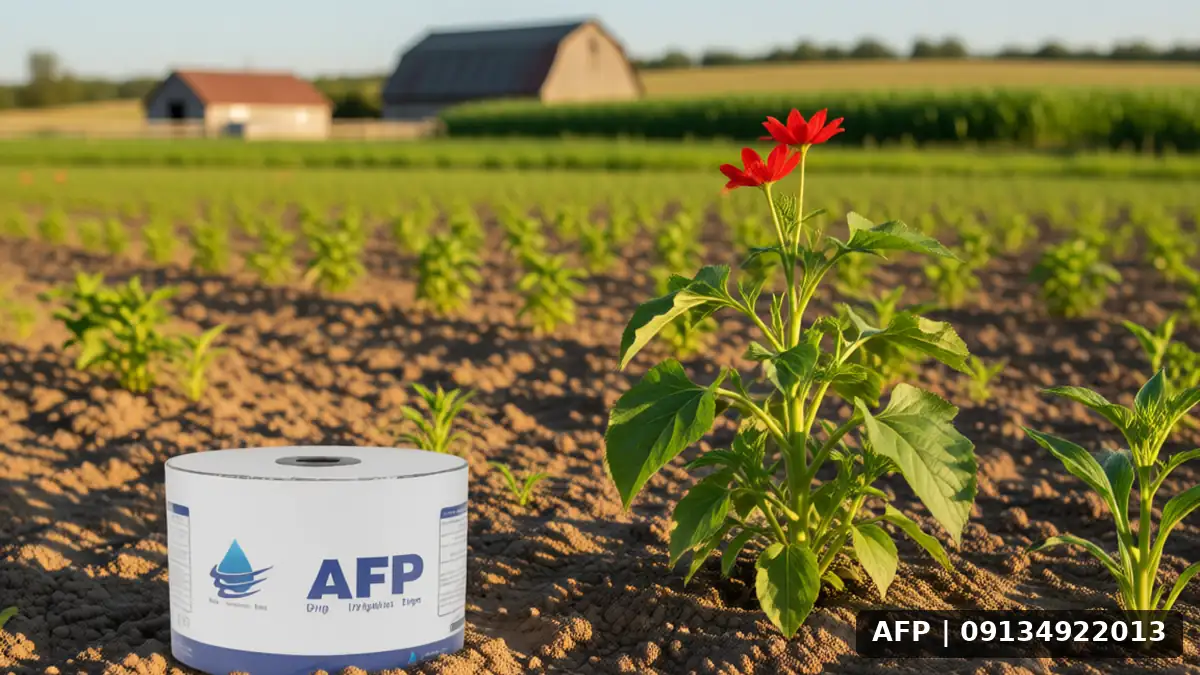
Irrigation scheduling based on carrot growth stages
In the final stage, a key point in carrot drip irrigation is that stopping irrigation before harvest improves powdering and raisin quality. If raisins are harvested in a wet state, they will rot during storage.
<
Frequently Asked Questions (FAQ)
Is drip tape suitable for growing root vegetables such as carrots and cucumbers?
Yes, drip tape is not only suitable for cucumbers but is also very appropriate for root vegetables like carrots. This method promotes deep root growth due to water delivery at depth.
What should the distance between tapes be for carrots?
Usually, a distance of 45 to 50 centimeters between sown tapes and 10 to 15 centimeters from the tape to the seed is recommended. These figures vary depending on the seed type and soil conditions.
How can clogging in drip tapes for carrot drip irrigation be prevented?
Using sand and disc filters of the appropriate size, along with their regular cleaning, is a key step. Additionally, adding chlorine to the water for biological control can be beneficial.
Conclusion and final recommendations
The use of tape drip in carrot drip irrigation is a major step toward sustainable and economical farming. This method, with its high precision in managing moisture and fertilizer, not only reduces water and energy consumption but also significantly increases the yield and quality of grapes produced in greenhouses. Local farmers, including those growing similar vegetables such as squash and peas, can achieve greater optimization in their irrigation systems by studying more specialized resources. A comprehensive guide to drip tape for squash can serve as an excellent example for understanding similar principles in carrot cultivation. Furthermore, reviewing the yield of peas per hectare indicates that similar systems in other vegetables are also optimizable. Ultimately, more detailed tracking of root physiology, with a focus on drip irrigation principles, is essential for success in local and export markets.
Related articles: Drip tape for squash, D981D98A Irbil Drip Tape, Comprehensive Guide to Tine Root Turnip Drip Tape Usage: Spacing, Benefits, and Key Points