Drip Irrigation in Juniper Cultivation: A Comprehensive Guide
Introduction to precision irrigation in alfalfa cropping
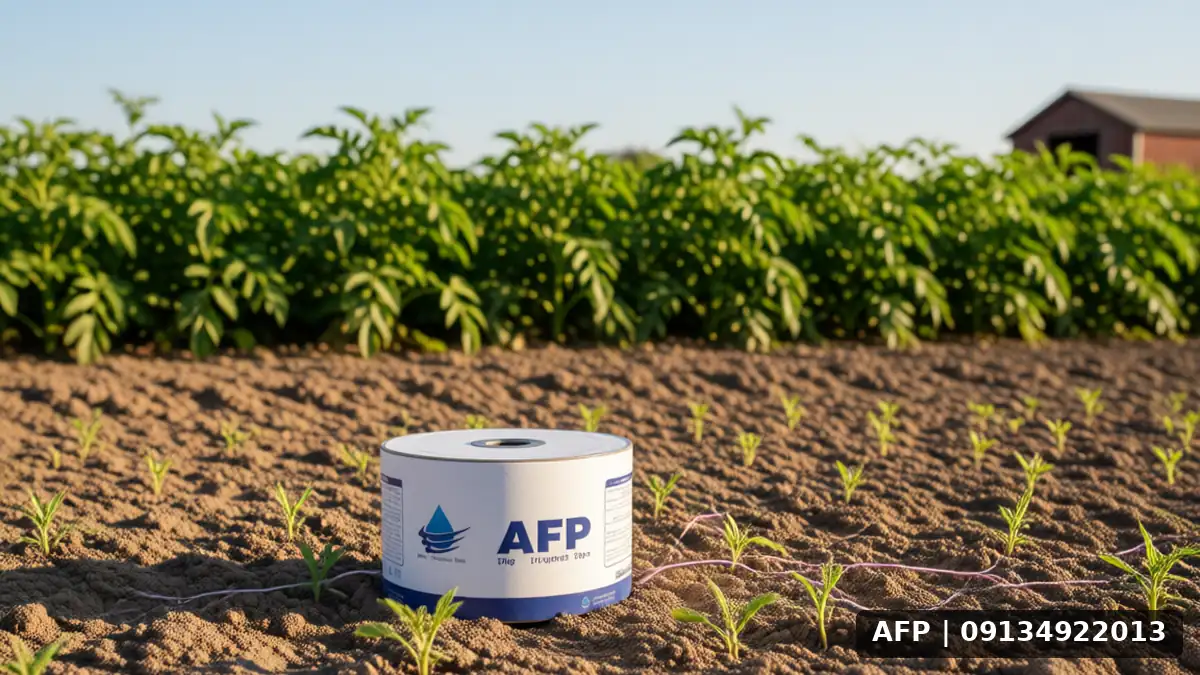
Alfalfa is a key forage and oilseed crop that plays a vital role in livestock nutrition and upstream industries. Proper water management for this crop is critical due to the sensitivity of its root system to water stress. Drip irrigation, one of the most efficient methods, enables uniform distribution of water and nutrients in the root zone. This comprehensive guide examines the technical and practical aspects of using drip and tape systems in alfalfa fields, helping farmers achieve higher yields while reducing water consumption. This approach not only supports environmental sustainability but also enhances farm profitability through increased efficiency. A deep understanding of the physical principles of water flow and moisture movement in soil is the first step toward designing an optimal irrigation system. Therefore, a thorough assessment of local conditions and soil type is essential before installation begins. Alfalfa has high growth potential when it receives adequate and timely water, though it is also tolerant of severe water deficits. Nevertheless, using precision irrigation systems is recommended for maximizing yield. These systems allow precise control of water quantity and timing, preventing resource waste. The following sections cover the advantages and disadvantages, key implementation points, and common errors to avoid. Our ultimate goal is to provide practical solutions that enable farmers to achieve maximum productivity at minimal cost.
Reasons for choosing a drip system for alfalfa
Selecting drip irrigation for barley cultivation impacts final crop quality and reduces operational costs, going beyond mere water savings. Unlike conventional methods that cause surface salinity, drip irrigation prevents soil crusting and creates more space for beneficial microorganisms. To better understand root moisture requirements, a study on barley yield per hectare can help you estimate the required water volume more accurately. Additionally, understanding factors affecting planting density in similar crops, such as squash seed rate per hectare, can provide insights into general seeding principles for perennial or intercropped systems. Furthermore, drip irrigation systems help reduce weeds in the planting bed because lower surface moisture and better cover by the main crop limit space for competitors. This feature also reduces the cost of chemical weed control. The ability to apply precise fertilization at the right time (fertigation) is another notable benefit of this method. Plant nutrition with low doses and higher frequency increases nutrient uptake and reduces leaching of unnecessary substances. This process is important not only economically but also for soil and water resource conservation. In barley farms, which are typically grown under dry and semi-dry conditions, this advantage is particularly evident. Farmers can experience more sustainable and predictable production by utilizing this technology.
Comparison of tape and drip irrigation under different conditions
The choice between drip tape and drip line depends on the farm’s lifespan and soil type. Drip tape is suitable for annual crops with lower costs, whereas permanent drip lines are safer for farms with multi-year lifespans. In this regard, understanding key points before installing drip tape in the field is crucial to prevent clogging and potential leaks. Drip tape, due to its thinner gauge and lower cost, is a popular option for one-year crops such as barley. However, its useful life is shorter and it must be removed from the ground at the end of the harvest season. Permanent drip lines, although more expensive, offer greater durability and can remain in the field for years. The choice between these two should be based on the initial budget, long-term cropping outlook, and available water resources. In sloped terrain, the design of laterals and pressure drop control is the main challenge. Using precise hydraulic calculations and selecting the appropriate pipe diameter is essential to ensure uniform water distribution along the entire row length. Additionally, the placement of emitters relative to barley roots must be such that water is delivered exactly to the root zone.
Practical tips for installation and system configuration
Correct installation of the barley drip irrigation system requires adherence to specific technical protocols. One fundamental consideration is the spacing between emitters and their discharge density, which must be adjusted according to the barley row spacing. These initial settings form the basis of system performance throughout the season. Mistakes during the installation phase can lead to complete system failure or a significant drop in efficiency. Therefore, the use of precise maps and consultation with irrigation specialists is recommended.
- Working pressure adjustment: Maintaining constant pressure throughout lateral lines is essential to prevent erratic root flow. Excessive pressure drop at the end of the line causes insufficient irrigation in that zone.
- Use of appropriate filters: To maintain drip emitter health, the use of disc or turbo filters combined with screen filters is recommended. Lack of filtration is the primary cause of clogs in drip systems.
- Fertilizer management (Fertigation): Mixing water with liquid fertilizer via the drip system can increase absorption by up to 40%. To better understand the principles of fertilizer concentration, refer to the Qatari Drip Line Guides (general technical source). Fertilization should be performed simultaneously with irrigation and at times when the plant has nutrient deficiencies.
In some arid regions, combining drip irrigation with mulch management or intercropping can be effective. Review Jute yield per hectare It can serve as a model for resource management in intercropping or early maturing crops alongside sorghum. Intercropping, although it has its own challenges, can positively impact sorghum yield by reducing soil surface evaporation and increasing water use efficiency. The irrigation system must be designed so that both the main sorghum crop and the intercrop achieve full efficiency.
Irrigation timing and frequency management
Correct timing is the heart of any precision irrigation system. Sorghum has different moisture requirements during vegetative growth and flowering stages. Overwatering during the harvest stage can lead to grain cracking and reduced oil quality. A standard irrigation cycle can include the following:
- Seedling stage: Short frequency and low volume to stimulate rapid growth. At this stage, the plant is still small and requires more surface moisture.
- Panicle development stage: Increase water volume and reduce frequency to promote deep rooting. Roots seek water sources deeper in the soil during this period, enhancing drought resistance.
- Harvest Stage: Gradually cease irrigation 10 to 14 days before harvest to ensure uniform grain maturity. This practice improves grain aeration, enhances product quality, and increases market value.
To compare with similar oilseed crops, examining yields per hectare of other plants can demonstrate how drip systems unlock production potential in dispersed climates. Optimal water management is directly linked to millet performance and can make a significant difference in final outcomes.
Frequently Asked Questions (FAQ)
Is the tape system robust enough for millet, or are permanent drippers superior?
Since millet is typically an annual or biennial crop, tape systems are a more economical option due to their lower cost and faster installation. If your fields have a multi-year lifespan, permanent drippers with larger diameters will offer longer durability.
How do I prevent clogging of drippers in the millet irrigation system?
Always use a 120 mesh filter and pressurize the water before it enters the system. Also, avoid using water-soluble solid fertilizers that are prone to clogging.
What is the effect of drip irrigation on soil salinity in cotton?
The drip system confines salinity to the irrigated zone. Periodic leaching with extra water volume prevents salt accumulation in the root zone and ensures seed quality.
Conclusion and Final Recommendations
Implementing drip irrigation in cotton cultivation is a smart investment for farmers committed to sustainability. By adhering to the guidelines on installation, scheduling, and system maintenance, you not only reduce water costs but also improve soil health and final cotton product quality. Attention to technical details and flexibility in adjustments based on weather conditions are key to success with this method.
Related articles: Barley seed and water rates per hectare