Drip Irrigation in Parsley Cultivation: Applications and Implementation Principles
Introduction to the Importance of Precise Water Management in Parsley Cultivation
Parsley (Petroselinum crispum) is a crop that, in addition to its high nutritional value, holds a special economic position in agriculture both in Iran and globally. One of the primary challenges in industrial parsley production is the proper management of water resources. Considering the sensitivity of parsley roots to compaction and prolonged drought, the use of modern irrigation methods such as drip tape and deficit irrigation can play a decisive role in improving the quality and quantity of the yield. Deficit irrigation, defined as applying a controlled amount of water to plants under mild stress conditions to stimulate root defense systems and strengthen plant structure, is detailed in the following sections.
Scientific Principles of Deficit Irrigation and Physiological Mechanisms
Understanding the physiological response of cilantro to water stress is a prerequisite for successful deficit irrigation. When cilantro roots are exposed to mild drought stress, the production of auxins and transpirins increases in plant tissues. These hormonal changes cause the plant to utilize stored resources to support the aerial parts and reduce cell density in active zones. The final result of this process is an increased flower-to-leaf ratio (or, in the case of cilantro, an increased concentration of aromatic and active compounds in the leaves).
Impact on root penetration depth
One of the most significant benefits of deficit irrigation in cilantro is encouraging deeper root systems to expand further into the soil. Under over-irrigation conditions, roots tend to remain in the upper layers, making the plant more vulnerable to temperature fluctuations and environmental stresses. By precisely controlling the amount of water applied through Selection of the agricultural drip tape appropriate, drainage depth can be increased, facilitating the plant’s access to soil water reserves. This is particularly important in heavy-texture cilantro fields where permeability is lower.
The role of drip tape in precise deficit irrigation implementation
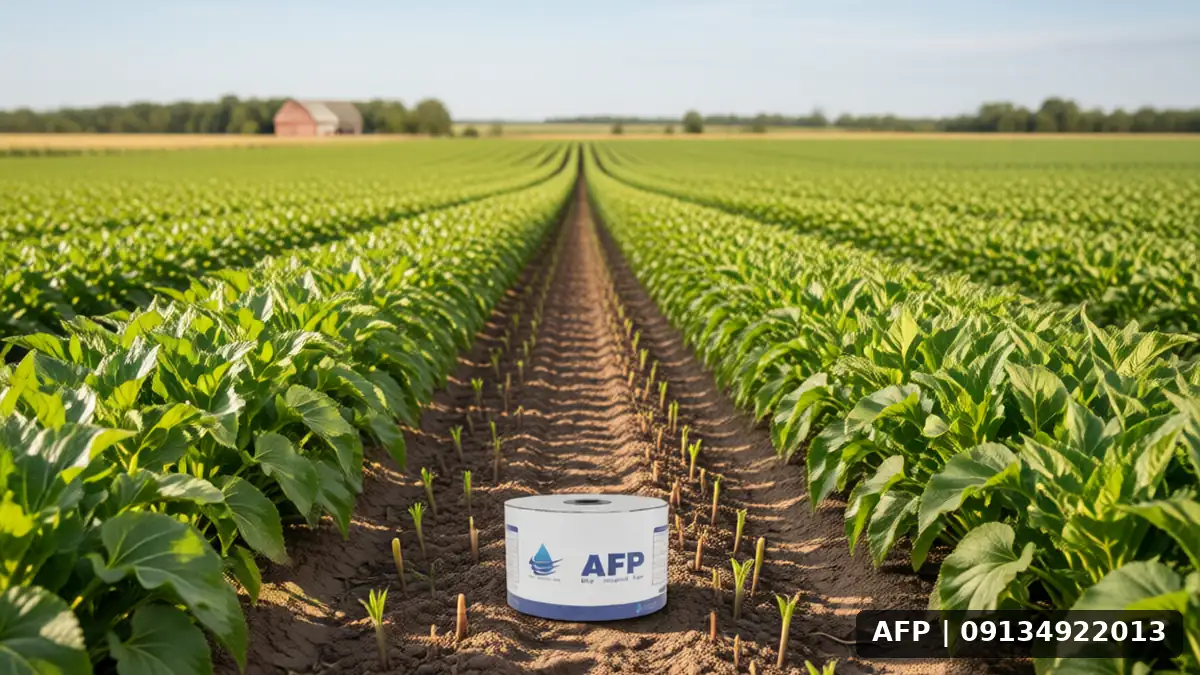
The drip tape system is the primary tool for managing precision in deficit irrigation. Unlike spray irrigation, which lacks uniform coverage, drip tape allows for more precise control of irrigation volume and timing. For cilantro, which is typically planted in regular rows, correct placement of the drip tape in the center of the rows or on one side of the plants (depending on installation type) is critical.
Impact on water consumption and costs
Using drip irrigation in deficit irrigation can reduce water consumption by 30 to 50 percent without reducing product quality, provided there is proper planning. This reduction directly relates to farmers’ energy and water resource costs. To better understand macroeconomic agriculture and the impact of environmental variables on yield, study vegetable efficiency guide per hectare is recommended as it provides a broader perspective on the leafy vegetable production cycle.
Practical tips for implementing deficit irrigation in dill fields
Implementing deficit irrigation theories in open spaces requires adherence to specific operational details. Below are the most important operational principles:
- Use of moisture sensors: Using electrical or capacitive sensors at a depth of 20 to 40 centimeters from the soil surface is the best reference for determining the start and end times of deficit irrigation. Dill is sensitive at the main root zone levels, and the soil in this layer must not be allowed to dry out.
- Planning based on growth stages: During the seedling stage, less stress is required, and irrigation should be regular and light. During the vegetative growth stage, the stress period can be initiated. In the pre-harvest stage, reducing water can increase relative humidity and maintain stem and leaf firmness (Firmness).
- Soil salinity control: Deficit irrigation may cause salt accumulation in the surface soil, particularly in fields with poor drainage. Using sweeter water or performing periodic soil leaching is essential to prevent a decline in parsley quality.
- Fertilization coordination: Applying fertilization alongside deficit irrigation (Fertigation) must be done with high precision. High concentrations of nutrients under water-deficit conditions can cause root burn. Therefore, reduce the nutrient solution concentration during the deficit stress period.
Recommended schedule for parsley deficit irrigation pattern
Also, to better understand the variable parameters in vegetable cultivation and their impact on production volume, you can refer to the article Seed quantity of dill per hectare Refer to this to align the optimal planting density with irrigation conditions.
Yield comparison under different conditions
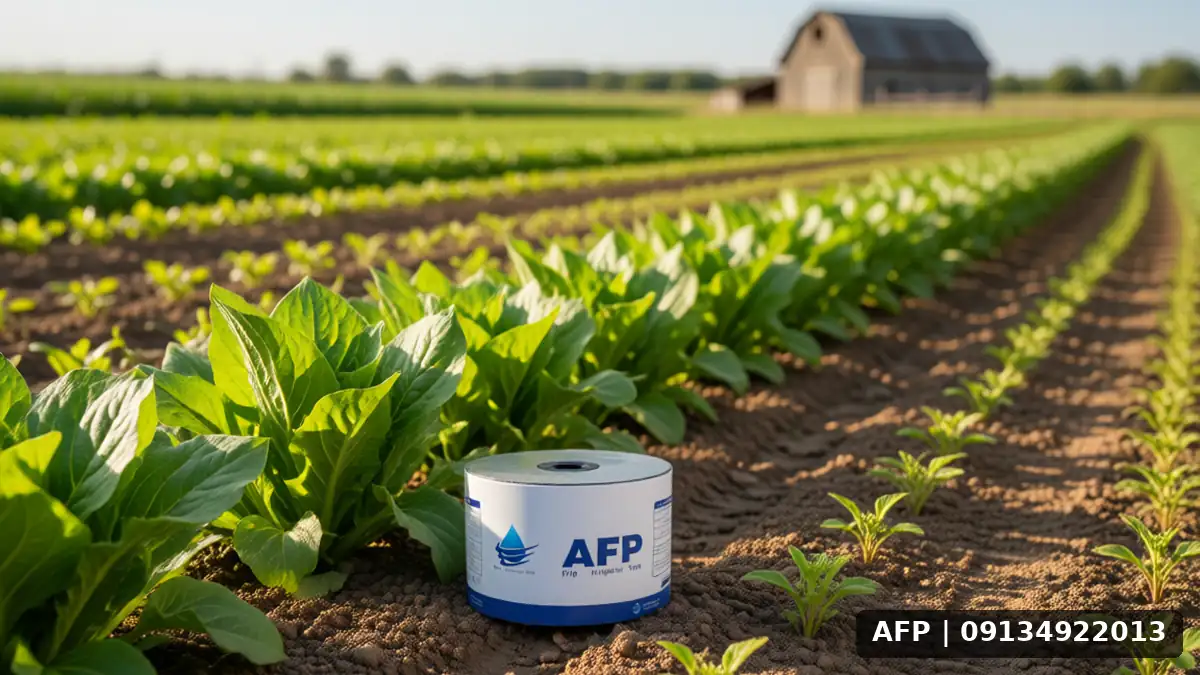
Field research has shown that dill irrigated using the drip tape method exhibits lower market wilting rates after harvest compared to flood-irrigated samples. This high shelf stability is one of the reasons for the increased commercial value of the product. Farmers intending to cultivate mixed vegetables should be familiar with Harvest of mixed vegetables per hectare so they can optimize water resource management.
Frequently Asked Questions (FAQ)
Does deficit irrigation reduce parsnip leaf size?
If applied during sensitive stages, leaf size may decrease slightly, but the density of aroma and active compounds increases. Many industrial buyers prioritize better shaping and stronger aroma over larger leaf size. Therefore, this method is highly suitable for specific markets.
What is the best time to implement deficit irrigation?
Deficit irrigation should begin at the second vegetative stage and continue until approximately two weeks before harvest. During the seedling stage, the plant is vulnerable to excessive drought stress, so the deficit method should not be used.
Is this method suitable for silty soil?
Silty soil, due to its high permeability and rapid drainage, makes controlling deficit irrigation more difficult. It is recommended to use finer droplet irrigation systems or a combination of drip irrigation and deficit methods for more precise moisture regulation. To ensure equipment health, familiarity with the importance of land inspection for tape drip lines and polyethylene pipes is key.
Conclusion and final recommendations
Deficit irrigation in parsley cultivation is a strategic approach to optimize water resources and enhance commercial product quality. This method requires careful planning, the use of appropriate sensors, and an understanding of plant behavior. Correct implementation of drip lines and continuous monitoring of soil moisture are key to the successful adoption of this technique. Farmers aiming to improve efficiency and reduce operating costs can expect higher yields and products with longer shelf life by combining deficit irrigation principles with precision fertilization. For those cultivating other vegetables such as chickpeas, reviewing the dry-farmed chickpea seed rate per hectare can provide a similar perspective on resource management in rainfed cropping, although parsley belongs to the high-yield, water-intensive crop group.