Drip Irrigation for Rye Cultivation: Key Points for Optimal Performance
Why is drip irrigation critical for rye grass cultivation?
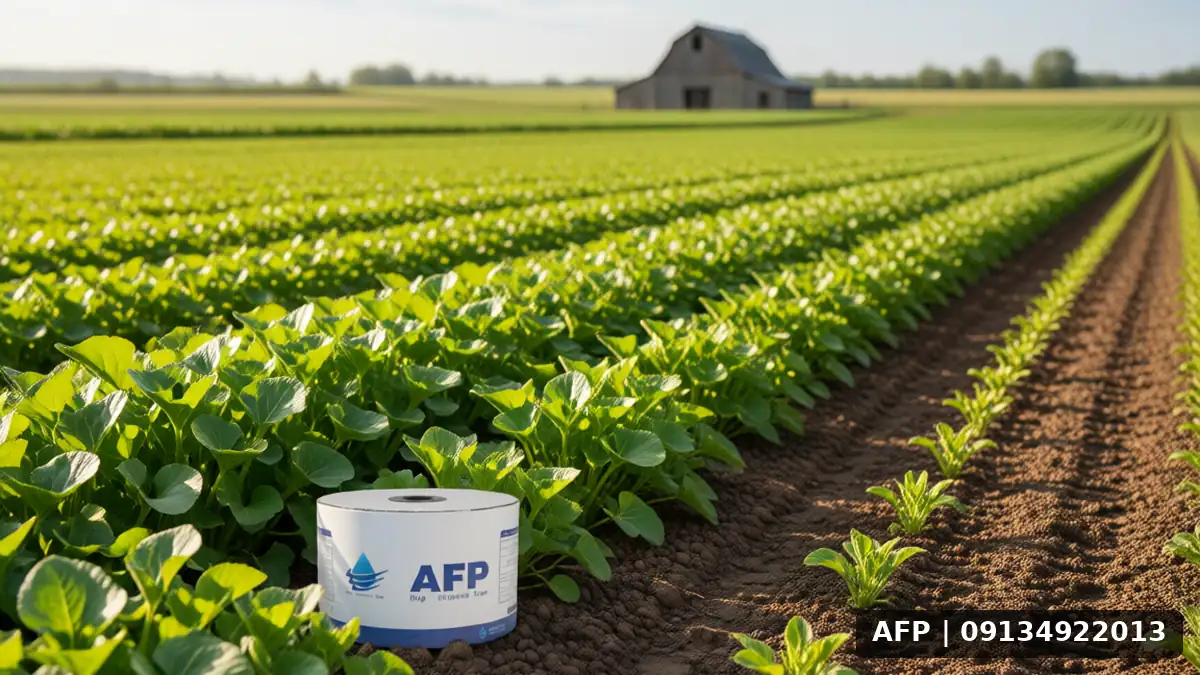
Rye grass is one of the most important forage crops, holding a special place in many agricultural crop rotation systems. Due to its dense and deep root structure, the plant requires a consistent supply of moisture, yet it is sensitive to waterlogging and salinity. The use of traditional irrigation methods, such as flood irrigation, can lead to water waste, leaching of nutrients from the soil surface, and increased operational costs.
In contrast, drip irrigation and similar systems such as tape mulch provide the capability to deliver water and nutrients precisely to the root zones. This approach not only reduces waste but also ensures uniform plant growth by maintaining moisture equilibrium in the top and middle soil layers. The following section examines the technical and operational details of these methods in rye grass fields.
Prerequisites for system installation and commissioning
Soil Analysis and Irrigation Scheduling
Precise soil analysis is essential before installing any irrigation system. Soil type, permeability, and field capacity significantly affect the determination of drip emitter spacing and irrigation volume. For clover, drip emitters are typically spaced 20 to 30 cm apart, with row spacing (Row Spacing) recommended between 35 and 45 cm.
Selecting System Type: Drip or Drip Tape?
Drip systems are more suitable for single-crop planting and crops with wider row spacing. However, in dense clover cultivation, drip tape is a more economical and efficient option. Drip Tape Installation Method Installation must be performed with precision to prevent leakage and clogging of the small orifices in the tape. Proper installation ensures that water is distributed uniformly along the row.
Nutrient and Irrigation Management
One of the significant advantages of drip irrigation is the ability to perform precise fertilization (Fertigation). Alchemilla requires a substantial amount of nitrogen and potassium to produce dense and green yields. Distributing fertilizers along with the irrigation water prevents salt accumulation at the soil surface and enhances the uptake efficiency of nutrients.
- Irrigation Timing: During warm seasons, shorter and more frequent irrigation cycles are necessary. In cold seasons, increase the interval between irrigations to prevent prolonged wetness of the roots.
- System Pressure: The system should operate at low pressure; typically, 1 to 2 bar is sufficient for tape lines and 1 to 3 bar for drippers.
- Filters: The use of appropriate slowers (such as extracted slowers) to prevent drippers from clogging with suspended particles in water is mandatory.
Solutions for Increasing Yield per Hectare
The ultimate goal is to increase yield. By creating an ideal root environment, water-stress deficiencies are reduced and the photosynthesis process is optimized. Additionally, preventing weed growth through proper mulching or the use of mechanized techniques, alongside a precise irrigation system, leads to the highest net profitability. To better understand the principles of tonnage management, you can study the article Maximum Production per Hectare: A Comprehensive Guide, and also review the support strategies.
<>
Practical Tips for Maintenance and Optimization
Monitoring and Care of Tip Lines and Drippers
Drip and tip line irrigation systems require regular care. Routine tasks include regular filter cleaning and checking the output pressure of drippers. If dryness is observed at the end of the row or there is uneven plant growth, it is likely that there is a problem with the uniform distribution of water that must be addressed.
Connecting hoses and drip lines
Weak connections can lead to drip line breakage, resulting in water and time loss. Using standard fittings and appropriate check panels to regulate pressure prevents physical damage to the system. An important consideration when using drip lines is adhering to maintenance principles.
Impact on cropping economics and resource efficiency
Transitioning from conventional irrigation to drip irrigation involves initial short-term costs, including the purchase of the system, well, pump, and filtration. However, in the medium term, water savings and improved crop quality offset these expenses. Other economic benefits include reduced labor requirements for manual irrigation and lower pumping energy costs due to the system’s low operating pressure.
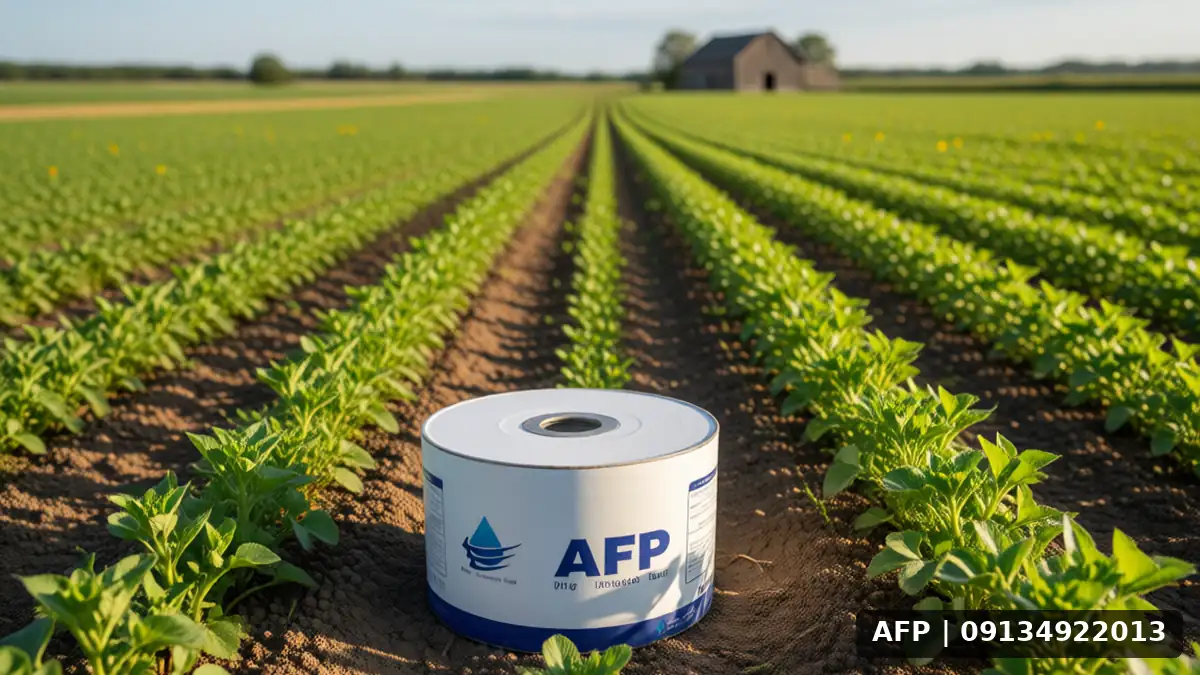
Furthermore, maintaining soil moisture improves the root ecosystem and increases the activity of mycorrhizal fungi, which play a role in phosphorus and nutrient uptake. This directly affects forage quality and, consequently, livestock health and performance.
Frequently Asked Questions (FAQ)
Is drip irrigation suitable for all climates?
Yes, drip tape is widely used in semi-arid and arid climates because it is in direct contact with plant roots and minimizes water loss due to surface evaporation. In humid climates, it can also be used by adjusting irrigation volumes, but care must be taken to prevent root fungal diseases caused by excess moisture.
How long does drip tape last?
The useful life of drip tape is usually one to two cropping seasons. Factors such as high pump pressure, direct UV light, and mechanical washing can reduce the lifespan of the tape. Therefore, proper storage and the use of protective spacers during planting increase the useful life.
Can I use drip irrigation for seeding clover?
Yes, although clover does not require very little seed, if you aim to optimize moisture during seeding, you can use drip irrigation for initial root establishment. For more information on seed quantity and planting conditions, sowing guide read related articles.
Summary and Final Recommendations
Drip irrigation and the use of tape lines in clover cultivation represent a strategic investment for farmers seeking to enhance yield and environmental sustainability. Based on the points outlined in this article, you can design a system that is both economically viable and capable of producing high-quality forage. Always consult with local agricultural advisors to determine the optimal settings specific to your farm’s conditions.
To check current prices and purchasing guides for equipment, you can refer to the Pricing Guide for Pipes to stay informed about available market options. Success in this field requires precision, patience, and adherence to scientific principles at every stage from sowing to harvest.
<>
Prevention of Common Issues
One common issue in drip systems is the deposition of mineral salts in the emitters. Using water from open tanks without filtration increases the risk of this problem. It is recommended to use screen filters and, if necessary, apply small amounts of anti-scale chemicals to the irrigation system.
Soil Salinity Management
Clover is relatively salt-tolerant, but salt accumulation at the soil surface must be prevented to maintain yield. Regular and adequate irrigation leaches soluble salts from the root zone. If your farm soil is saline, use of drip irrigation should be handled with greater caution and accompanied by periodic leaching of surface layers.
<>