Drip Irrigation in Red Clover Cultivation: Cost Optimization
Introduction to Cost Management in Alfalfa Drip Irrigation
Alfalfa plays a major role in agricultural economics due to its use as a substitute for grains and forage in livestock chains. However, one of the main challenges in alfalfa cultivation is the optimal management of water consumption and associated costs. The use of modern systems such as drip irrigation and tape lines, although they have a high initial investment, leads to a reduction in total production costs in the long term by increasing yield and reducing water loss. In this article, we aim to examine the cost structure, factors affecting economic efficiency, and practical tips for reducing costs in alfalfa cultivation, without making unfounded claims about real-time prices.
Initial and Recurring Cost Structures in Centralized Irrigation Systems
The costs associated with alfalfa irrigation can be divided into two main categories: capital costs (Sunk Costs) and operating costs. In capital costs, the purchase of pipes, filters, manifolds, pumps, and main connections constitutes a significant portion of the budget. In this regard, the cost of tape lines per hectare can serve as an initial indicator for determining the budget. Although these figures depend on variables such as land slope, soil type, and weather conditions, they help farmers have a reasonable estimate of the investment before purchasing.
Key Points in Equipment Selection for Cost Reduction
- Selecting the appropriate pipe diameter: Using pipes with diameters smaller than required causes increased pressure and wear, while larger diameters result in higher initial costs and greater water volume in the circuit. Precise hydraulic calculations are essential for clover, which has variable water requirements.
- Appropriate Filtration: Clogging of drip tape emitters is one of the most costly issues. Investing in suitable filters (such as turbine or sieve) to prevent blockages and recurring repair costs is highly important. To learn about the types of fittings and pipes usable in these systems, you can review the Types of Irrigation Pipes guide.
- Drip Tape Durability: Single-season drip tapes are cheaper, but two-year or multi-year drip tapes, although more expensive, have a more favorable annual cost for permanent farms or long-term clover cropping cycles. Review drip tape maintenance costs Indicates that a long useful life significantly reduces maintenance costs.
Specialized Section: Cost Optimization through Hydraulic Adjustments
Cost reduction is not limited to purchasing high-quality equipment; it also depends on system operation. In clover cultivation, which is typically sown in defined rows, the use of drip tape irrigation directly along the rows yields maximum savings. To determine the appropriate spacing for emitters or drip tape slots, clover planting density must be considered. Clovers typically have row spacings of 30 to 40 cm. In this context, the study on drip tape spacing in forage corn can serve as a similar model for other grains and forages, as the principles of vertical and horizontal water distribution to the roots of these plants are identical.
Using retractable hoses to reduce mechanical losses
One of the major factors increasing operating costs is the mechanical tearing of drip tapes during sowing and harvesting operations. Alfalfa is typically cut several times per season, and the repeated passage of machinery can damage weak tapes. Therefore, using more durable tapes or adopting newer technologies such as retractable agricultural irrigation hoses can be a cost-effective option for certain farms with specific conditions. You can refer to the guide on retractable agricultural hoses to better understand this technology and compare it with drip tape. Although drip tape is more common for alfalfa, understanding alternative options helps you make a more optimal choice based on your farm conditions.
Practical tips for reducing short-term costs
For farmers who wish to immediately reduce alfalfa irrigation expenses while maintaining good yields, it is essential to adhere to the following:
- Sowing and harvesting scheduling: Aligning the timing of alfalfa cutting with peak irrigation needs reduces the requirement for additional irrigation, thereby lowering pumping costs and electricity or fuel consumption.
- Maintaining filter cleanliness: Flushing filters every 1 to 2 weeks prevents system downtime and the need for expensive replacement parts.
- Using an appropriate water source: If using a well, check its flow rate and depth. Pumping water from deep wells constitutes a significant portion of operational costs. Where possible, utilizing shallower sources or storing water in tanks for use during periods of low demand can reduce pumping costs.
- Reviewing purchase considerations: Before purchasing drip tape, always check the invoice and technical specifications. A comprehensive guide on pre-purchase considerations for drip tape can help you avoid buying low-quality products that fail quickly.
Frequently Asked Questions (FAQ)
Is drip irrigation cost-effective for ryegrass?
Yes, provided the system is correctly designed and installed. Although the initial cost is higher than surface irrigation, reduced water consumption, prevention of weed growth between rows, and increased clover growth rate offset the expenses within a short period. Additionally, forage quality improves due to uniform plant growth, which can lead to better sales.
What type of drip tape is suitable for clover?
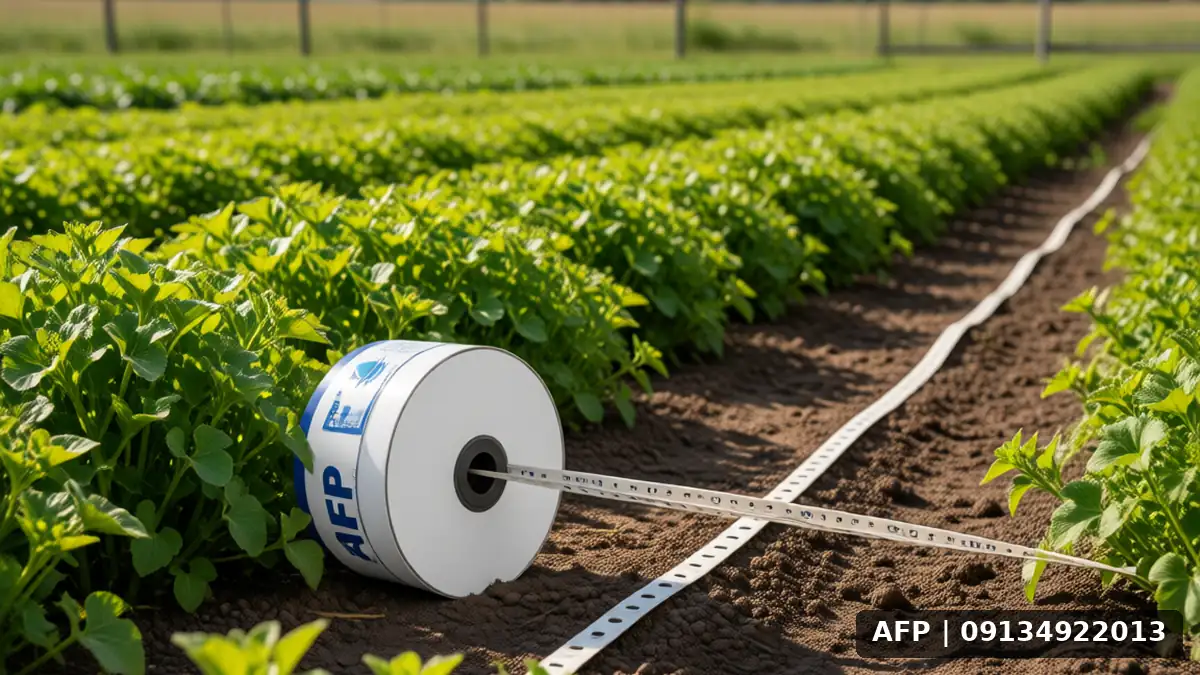
Drip tapes with emitter spacing of 10 to 15 centimeters and either variable or uniform discharge, depending on soil conditions, are suitable. For clay soils with low permeability, closer spacing and more stable discharge rates are recommended. To learn more about the types of pipes and tapes, you can read the article Drip tape pipe types for review.
How can I reduce maintenance costs?
Regular scheduling for filter cleaning, daily inspection for leaks during irrigation, and using pipe protectors in high-risk areas (such as where machinery passes) are key to reducing unexpected costs. Additionally, promptly replacing worn-out drip tapes before they cause major issues lowers repair expenses.
Summary: Sustainable solutions for cost reduction
Managing costs in drip and sub-surface irrigation systems for clover cultivation requires a holistic approach. Regardless of brand selection, hydraulic design principles, filtration quality, and operational planning are the main pillars for cost reduction. Farmers who prioritize careful initial design typically face the lowest repair costs and achieve the highest forage yield. Learning about and updating your knowledge of irrigation technologies, such as applying similar hydraulic data to other crops or understanding purchasing guidelines, helps you make more informed and economical decisions. Ultimately, the goal is to strike a balance between irrigation system quality and available budgets, ensuring sustainable clover production while reducing financial pressure on producers.
We hope this guide helps you make decisions to optimize your clover irrigation system. Continuous monitoring of field conditions and adjusting the irrigation system to the plant’s actual needs are key to reducing costs and increasing profitability.