Node-Based Irrigation in Hemp Cultivation: Prerequisites and Key Considerations
Introduction to the Importance of Node Irrigation in Hemp Cultivation
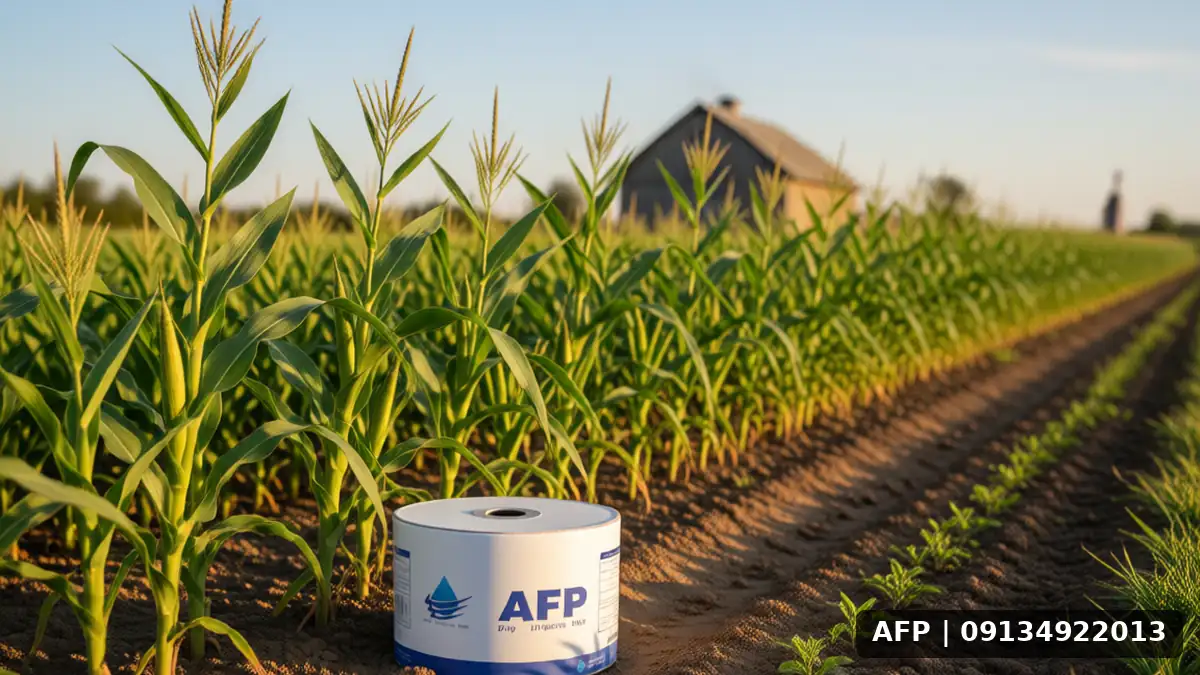
Hemp is a key industrial crop that, due to its sensitivity to water scarcity, requires a precise and optimized irrigation system. Node irrigation, typically implemented through drip or subsurface drip systems, enables more precise control over water volume and plant nutrition. In this method, water and nutrients are delivered directly to the plant’s root zone, minimizing water wastage. Success in hemp cultivation requires understanding the necessary system, technical, and environmental prerequisites. These prerequisites include soil analysis, proper pipe design, selection of the appropriate fertigation type, and adherence to system maintenance principles.
Technical Prerequisites for Node Irrigation Systems
Soil Analysis and Field Soil Characterization
One of the most critical prerequisites for hemp node irrigation is a precise understanding of the soil type and properties. Sandy, light soils with high permeability require more frequent irrigation cycles with smaller volumes per application, whereas loamy and heavier soils have higher water retention capacity. Determining the appropriate well depth and node placement for hemp root establishment must be based on root depth in the soil. Mismatching the irrigation system with the soil type can lead to surface salinization or exacerbated moisture deficiency during dry seasons.
Design of Pipe Networks and Dripper Spacing
In drip systems, the spacing between emitters and lateral lines plays a critical role in the uniform distribution of water. For hemp, irrigation line spacing is typically recommended at 40 to 60 centimeters. Using drip tape with appropriately spaced emitters ensures that moisture is consistently available within the root zone. Correct pressure and flow rate design at the system inlet are technical prerequisites determined by precise calculation of flow per lateral line and field elevation. Failure to adhere to these principles can result in non-uniform water distribution and uneven plant growth. In this regard, leveraging related knowledge regarding drip tape irrigation in sweet corn can provide better insight into the general principles of emitter spacing in grain crops.
Operational and management prerequisites
Water quality and filtration
Source water is another major prerequisite. Drip systems are sensitive to sediment and particulate matter due to the use of small emitters. The use of appropriate filters, such as disc filters or filter media, before water enters the laterals is essential. Regular monitoring of water quality and measurement of sediment deposition throughout the season prevents damage to emitters. Additionally, water pH must be within a suitable range for plants to prevent interference with nutrient uptake.
Irrigation scheduling based on growth stages
Hemp has varying water requirements across different growth stages. Water demand is high during germination; water consumption increases during vegetative growth, and sensitivity to moisture stress decreases during flowering and seed production, though seed quality is affected. An operational prerequisite is creating a scheduled irrigation plan based on climatic conditions, the plant’s leaching requirement, and daily data. This plan can be managed manually or using soil moisture sensors and automation systems.
Liquid Fertilization and Salinity Management
Because fertigation in drip irrigation delivers nutrients directly to the root zone, precise management of nutrient solution salinity is required. Salt accumulation in the soil surface around the roots can prevent water uptake. Using nutrient solutions at appropriate concentrations and periodic soil flushing to remove salts are operational prerequisites. Fertilization planning must be adjusted according to the plant’s nitrogen, phosphorus, and potassium needs at each stage. In this regard, a study on Chives yield per hectare can help better understand the importance of proper nutrition and resource management in sugar beet cultivation, as both crops depend on precise water and nutrient management.
Practical tips for successful hemp cultivation using drip irrigation
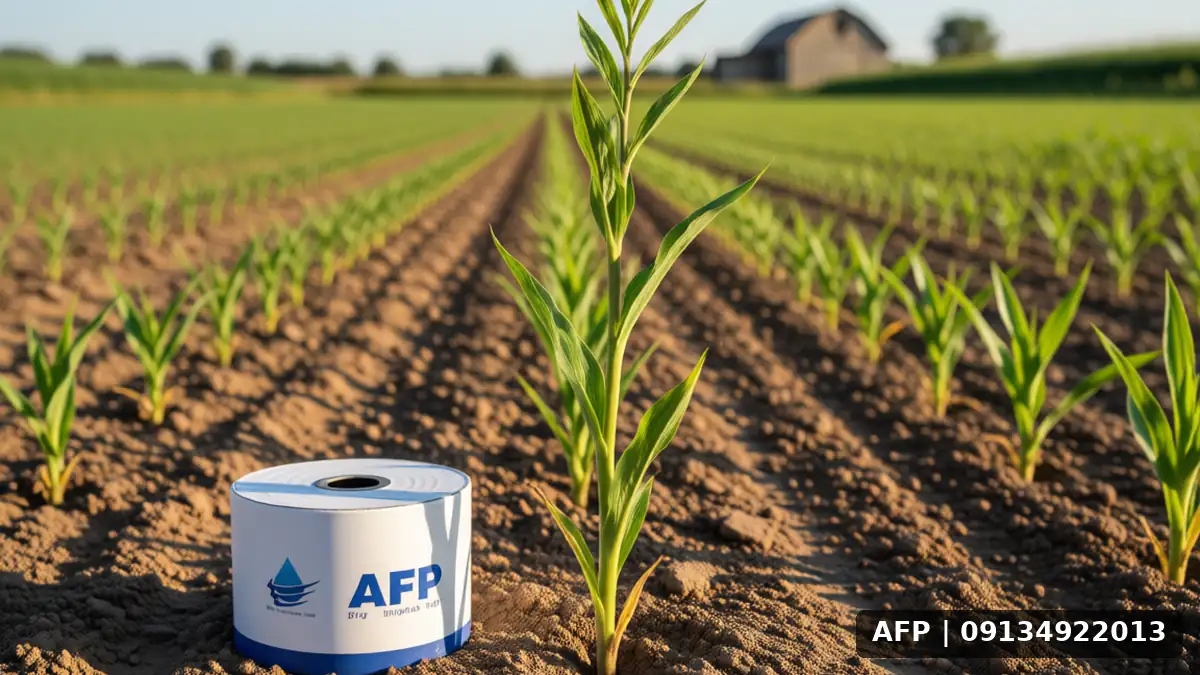
- System pressure monitoring: The pump outlet pressure should be adjusted so that the flow rate remains constant throughout the length of the pipe. Pressure drop at the end of the pipe can lead to insufficient irrigation.
- Drip Emitters Maintenance: Each pipe should be manually pulled every few meters to identify and clear clogged drip emitters. Replacing defective emitters is also a routine task.
- Proper Planting and Staking: Hemp should be planted directly on the line of the drip pipe or drip tape so that the roots are in direct contact with the water. The planting distance must not be less than the pipe diameter to prevent moisture accumulation and fungal diseases.
- Drainage Management: In sandy soils, water can infiltrate to greater depths. Therefore, the amount and timing of irrigation should be adjusted so that water reaches the root zone without penetrating into inactive layers.
- Integration with Fertilizers: Where possible, using in-line liquid fertilizer feeding systems (Fertigation) improves fertilizer efficiency. This system requires a separate control valve and tank.
Frequently Asked Questions (FAQ)
What is the best time to irrigate hemp using a node irrigation system?
The best time for irrigation is early morning or late afternoon to prevent heavy evaporation and leaf damage during peak heat. Additionally, irrigation at night is more water-efficient due to reduced evaporation, but one must avoid the accumulation of overnight moisture that can cause fungal diseases.
How can I prevent clogging of the drippers?
The use of appropriate filters, water treatment, and the addition of anti-scale and antibacterial agents to the system prevents clogging. Also, maintaining proper system pressure and regularly monitoring the output of each dripper helps in early identification of problems.
Is node irrigation suitable for arid regions?
Yes, node irrigation and drip systems are specifically designed for arid regions. This system enables hemp cultivation under water-scarce conditions by reducing evaporation and increasing water efficiency. Adhering to system prerequisites is even more important in these areas.
Conclusion
Node irrigation in hemp cultivation is a scientific and precise approach to water management in modern agriculture. Success with this method requires adherence to technical prerequisites such as soil analysis, network design, and water quality control. Additionally, operational prerequisites including irrigation scheduling, system monitoring, and liquid fertilization play a key role in increasing efficiency and reducing costs. By following these prerequisites and applying precision irrigation principles, one can ensure lower water consumption while benefiting from optimal hemp plant growth. This approach is an example of economic crops suitable for smart irrigation systems; similar to what is seen in Training on the Use of Drip Tape other crops.
Related Articles: drip tape melon irrigation guide tajikistan