Smart Irrigation for Rosemary Crops: Prerequisites and Executive Principles
Introduction to the importance of precise water resource management in rosemary cultivation
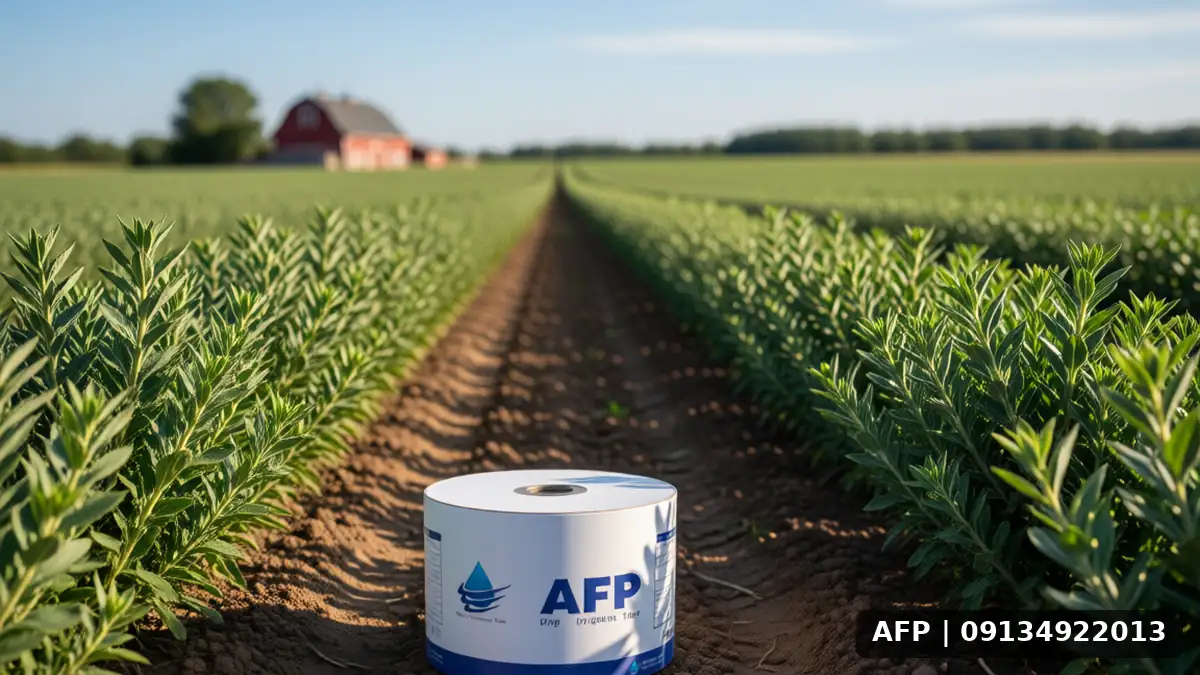
Rosemary (Salvia rosmarinus) is one of the most in-demand plants due to its distinct aroma and flavor and its extensive applications in the food and pharmaceutical industries. However, this plant is highly sensitive to stress caused by improper irrigation; excessive dryness leads to leaf drop and a reduction in essential oil quality, while over-irrigation results in waterlogged roots and fungal diseases. Here, Smart Rosemary Irrigation enters as a comprehensive solution. By integrating monitoring technologies with precision irrigation systems, it optimizes the plant’s water requirements in real-time. This approach not only positively impacts water consumption but also ensures uniform growth in large-scale farms.
To successfully implement this system, it is not enough to simply purchase automation equipment; a deep understanding of technical prerequisites, soil type, regional climate, and irrigation channel structure is essential. In the following section, we examine the critical prerequisites for transforming a conventional rosemary farm into a smart farm.
<>
Analysis of Technical Prerequisites for the Irrigation Infrastructure
Selecting the correct water delivery technology: Drip vs. Tape
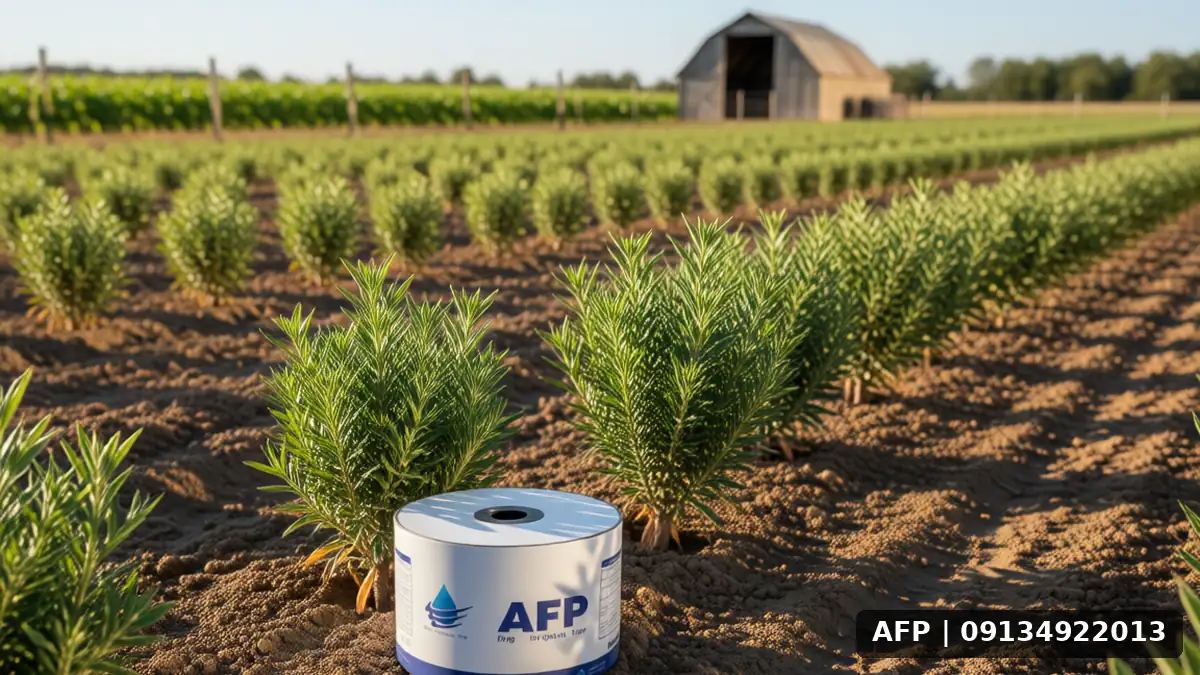
Smart irrigation planning is impossible without an efficient and compatible water transmission system. The two main options for rosemary are Drip systems and Line Tape. The choice between the two depends on the crop layout and soil texture. If using Line Tape, consider the benefits of dual-side Line Tape irrigation, which improves uniform moisture distribution in the shallow roots of rosemary. Conversely, low-flow Drip tubes are more suitable for fine-textured soils.
Technical Structure of the Network and Distribution Units
One of the most important prerequisites is establishing a uniform hydraulic network. Water pressure fluctuations along furrows can cause one part of the farm to be dry while another is waterlogged. To prevent this issue, it is essential to use appropriate filters, pressure regulators, and anti-backflow devices. Additionally, the technical specifications of the irrigation Line Tape, such as flow rate (Dri) and emitter spacing (Emit Spacing), must be precisely calculated in accordance with the water infiltration rate in rosemary soil. These calculations are performed before installing smart hardware to optimize the Leaching Fraction.
<>
Technology and Automation Prerequisites in Water Management
Soil Moisture and Climatic Condition Sensors
The core of smart irrigation relies on precise data. Before installing the central controller, ensure that soil moisture sensors are installed at various depths (e.g., 10 and 20 cm). Rosemary roots are primarily located in the top 30 cm of soil; therefore, surface data are critical for decision-making. Additionally, local weather stations are essential for calculating Reference Evapotranspiration (ET0) to ensure irrigation algorithms are adjusted based on actual plant needs, rather than fixed schedules.
Data management and remote control system
Another prerequisite is a software platform that processes input data (water restrictions, humidity, temperature) and generates output commands (valve opening). This system must have Internet of Things (IoT) connectivity to allow the farmer to monitor field conditions remotely. Furthermore, compatibility of piping and valve components with future-proof standards for easy maintenance is vital. In this regard, understanding how to select the appropriate drip irrigation line based on pump capacity and field elevation is the first step in preventing early equipment wear.
Practical tips for successful implementation
- Soil infiltration test: Before determining the water volume for each irrigation cycle, use infiltrometer tools to determine the available water capacity for rosemary.
- Soil temperature monitoring: In fields covered with plastic mulch, soil temperature can rise significantly during the day. The smart system must have the capability to cool the soil or prevent irrigation during peak daily heat hours.
- Integration of Water and Fertilizer: Rosemary is sensitive to liquid fertilization. A prerequisite for smart irrigation is a fertilizer injection unit (fertigation) equipped with dosing solenoid valves to adjust fertilizer concentration according to root absorption.
- GIS Mapping: Creating a precise map of the channels by labeling blocks allows the software to identify specific channel failures.
Additionally, considering the inter-row spacing of wheat and modern irrigation methods as an optimal spacing model can be inspiring for rosemary row spacing, although the distances must be adjusted according to rosemary planting density.
<>
Frequently Asked Questions (FAQ) About Rosemary Irrigation
Is smart irrigation suitable for small rosemary farms?
Yes, even for small farms (under 1 hectare), using affordable soil moisture sensors and Wi-Fi-enabled smart timers can save 20 to 30% on water consumption and promote more uniform growth.
What is the best time for irrigating oregano in arid regions?
In arid regions, it is recommended to irrigate during dawn (before sunrise) or dusk to reduce leaf surface evaporation. The smart system dynamically adjusts this schedule based on air temperature and wind speed.
How can I prevent drip line failures in the oregano season?
The key is using reinforced lines and maintaining a steady pressure under 1.5 bar. Also, the daily water amount must remain constant to prevent sudden pressure fluctuations that cause line bursting.
What are the differences between irrigating oregano and other aromatic plants?
Oregano has deeper roots compared to mint or lavender. Therefore, the irrigation system must be capable of adjusting soil wetting depth to ensure that only the main root zone is watered, not the entire soil area.
Conclusion: The first step towards efficiency in rosemary
Implementing smart irrigation in rosemary cultivation is not a one-time project but a gradual process that begins with understanding the prerequisites. From fine-tuning hydraulics and selecting appropriate drip or tape lines to installing verification sensors and software platforms, each step plays a crucial role in reducing plant stress and enhancing essential oil quality.
Given the high economic value of rosemary, the initial costs for automation are strongly justifiable considering the increase in product quality and the reduction of crop loss due to root diseases. Farmers can better estimate their investment by studying details of sage harvest yield per hectare and understanding product capacities. The future of aromatic herb farms depends on combining traditional agricultural knowledge with intelligent, precise, sustainable, and predictable tools.
Related articles: Sesame seed rate D8AFD8B1 D987D8B1 per hectare, How to select the appropriate drip irrigation line D8A7DB8C, rainfed barley yield hectare dry regions iraq, Wheat strip spacing and modern irrigation methods