Smart Irrigation in Rye Cultivation: Key Considerations
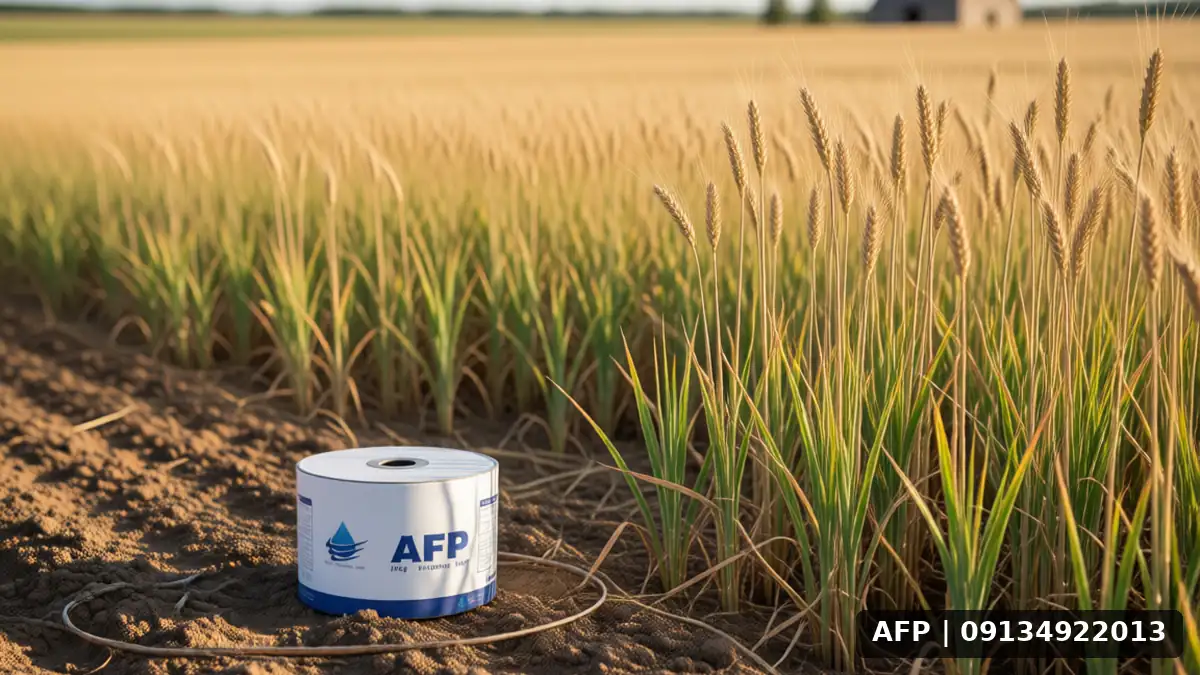
Introduction: The Necessity of Transitioning to Smart Irrigation in Oat Cultivation
Oats are a crop that thrives in semi-arid and cold conditions due to their light seed weight and rapid germination; however, their roots require uniform soil moisture. In conventional farming, surface irrigation often leads to high evaporation, soil salinity, and seed rot. The transition to smart irrigation —which utilizes precise data to schedule and dose water application—has revolutionized the management of this crop. This method significantly reduces the incidence of fungal diseases by lowering the relative air humidity around the leaves and ensures that water is distributed precisely within the root zone.
Tape drip (Tape Drip), as one of the most cost-effective and efficient precision irrigation systems, is highly suitable for oats. In this guide, we detail the technical and operational aspects of implementing this system successfully to enable farmers to achieve maximum productivity.
Why Choose Tape Drip for Oats
Oats are typically sown in close proximity. The narrow planting spacing in oats often makes the installation of individual drip lines difficult and costly. Tape drip, featuring micro-emitters or laser-cut slots, distributes water evenly along the planting row. This system is ideal for seasonal crops like oats due to its rapid installation speed and ease of retrieval after harvest.
- Uniform Distribution: The flow rate in modern drip tape is highly uniform, preventing water stress at the start and end of the line.
- Increased germination rate: Stable moisture at the seed level increases the emergence rate by up to 15%.
- Combined application: The possibility of injecting liquid fertilizer (Fertigation) directly towards the root zone, which reduces fertilizer waste.
To better understand the principles of selecting drip tape, it is recommended to read the article on the difference between welded and plated drip tape. The choice of welding type depends on the hose’s durability against high pressure and bursting during the season, which is critical for system safety in rye cultivation with high planting speed.
Key points in the design of smart irrigation systems
Optimizing Drip Spacing and Output Flow Rate
The drip spacing on the tape line must be synchronized with the planting row spacing of barley. Barley planting spacing typically ranges from 15 to 25 cm. If the drip spacing is smaller than the furrow width, soil moisture becomes uniform. The output flow rate must be calculated based on the daily water requirement of barley. Barley plants have high sensitivity to water stress during the grain-filling stage. Therefore, the system must be capable of creating deep soil moisture.
Pressure and Hydraulic Contrast Management
One of the major challenges in furrow irrigation is pressure loss at the end of the line. For a 20-meter furrow, pressure loss should not exceed 15 percent. To achieve this, appropriate filters and high-pressure pipes should be used. The use of pressure regulators can prevent tape bursting and leakage. Additionally, understanding the factors affecting output flow rate is important; article About Factors and Models of Water Output Flow Rate in Tape Lines explains the necessary technical concepts for the accurate calculation of pressure loss.
Practical Implementation Tips in the Field
- Soil Preparation: The furrow surface for rye planting must be smooth and free of stones and debris to prevent stress on the drip tape. Furrows must be dug to adequate depth and width.
- Installation timing: Install the drip tape concurrently with planting or immediately afterward. Rye requires early irrigation for stem establishment. Delayed installation can cause initial plant stress.
- Proper manifold connection: Use pressure-resistant and leak-proof fittings to connect the tape to the manifold. Small leaks in the manifold can cause temporary waterlogging of the furrow and slow growth.
- Monitoring and sensors: In smart systems, use soil moisture sensors to determine irrigation timing. At temperatures above 35 degrees Celsius, rye requires shorter and more frequent irrigation. Data regarding groundwater depletion can also be used for planning.
Additionally, accurately verifying field dimensions before purchasing drip tape is essential. An article on the importance of field dimensions for drip tape and drip lines examines common measurement errors and their impact on hose type selection. Selecting drip tape with an appropriate width (typically 16 to 20 millimeters) for rye allows for maneuvering in narrow furrows.
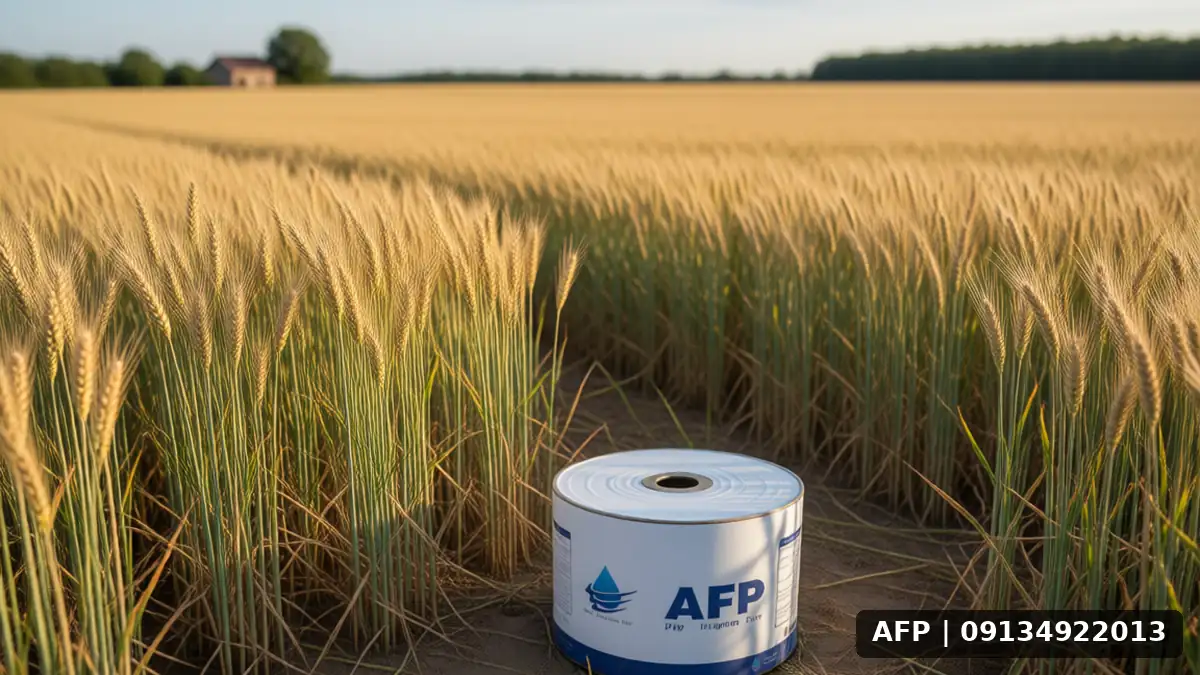
FAQ: Frequently Asked Questions
Does drip tape work in rye fields with sandy soil?
Yes, but there is a risk of hose leakage due to the sharpness of fine sand grains. In sandy soils, use drip tape with a thicker wall thickness (200 microns or more) and protective collars. Also, water infiltration is fast in sandy soil, so set a lower emitter flow rate and a higher emitter density to ensure water penetrates deeply.
How many irrigations does rye need?
Under normal conditions, rye requires 3 to 5 irrigations. However, with a drip system, you can transition from a few heavy irrigation events to small, frequent applications (every 2 to 3 days). This method is effective for rye yield and preventing grain shattering. If your farm is in a region where precise seed requirement calculations are needed, review the article About Dryland Wheat Seed Rate which can serve as a reference for comparing seed and water usage in winter cereals, although rye is lighter.
Can drip tape be used for fertigation of oats?
Yes, injecting nitrogenous fertilizer during the sensitive rooting, gripping, and grain-filling stages has significant effects on oat grain weight. However, ensure the fertilizer is fully dissolved to prevent clogging the micro-ports of the drip tape. Using disc and mesh filters before the fertilizer enters the drip line is an operational requirement.
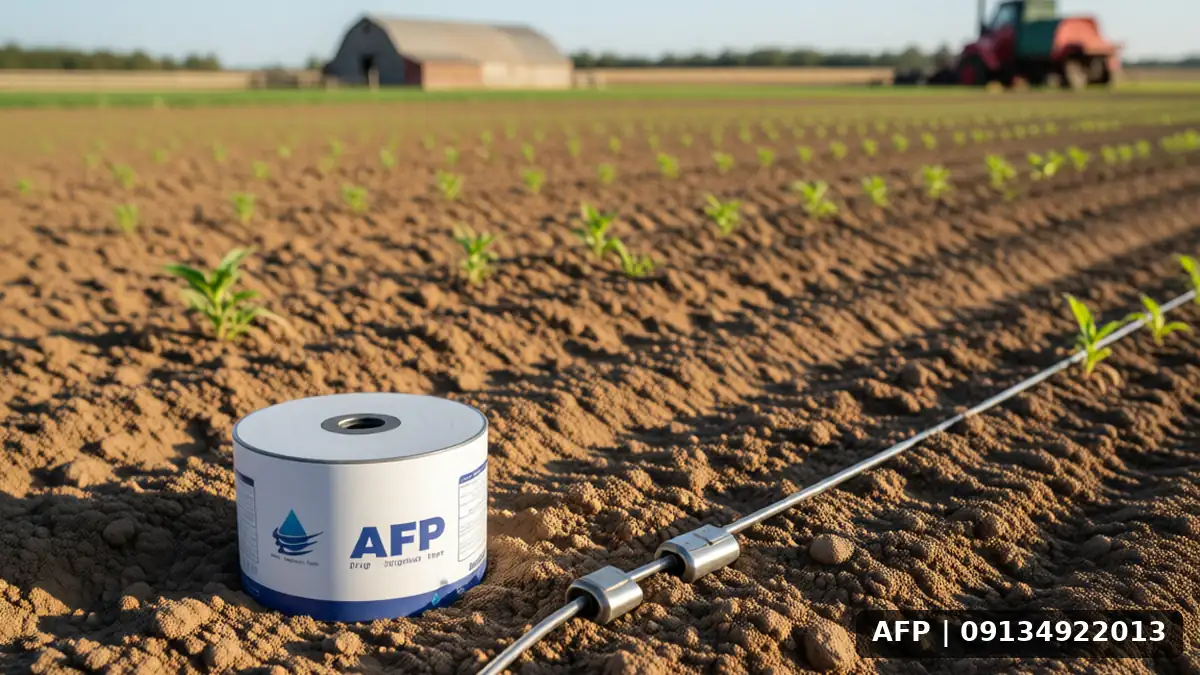
Summary and Future Outlook
Implementing smart irrigation in oat cultivation is not just an additional cost but an investment that pays off by reducing water consumption, decreasing fertilizer usage, and increasing crop freshness. The key to success is proper installation, continuous monitoring And Dynamic adjustment The system is based on soil and weather conditions. Considering the ecological characteristics of the region and the traits of rye, selecting the appropriate drip tape type with optimal flow rate and dropper spacing forms the foundation of a successful planting setup. Farmers are recommended to always prioritize the quality of the drip tape material, as pressure drop and clogging are the main enemies of the system’s useful life.
Given the growing agricultural technologies, integrating drip systems with weather data and soil moisture maps brightens the future of rye cultivation. This approach transforms farming from a traditional art into a precise engineering, ensuring that every drop of water brings the maximum yield.
Related articles: Difference between side-sowing D988 plate-type drip tapes, Drip irrigation tapes: Everything you need to know about them for modern agriculture in Iraq