Sprinkler Irrigation in Lettuce Cultivation: Key Practical Considerations
Introduction to Runoff Irrigation in Lettuce Cultivation
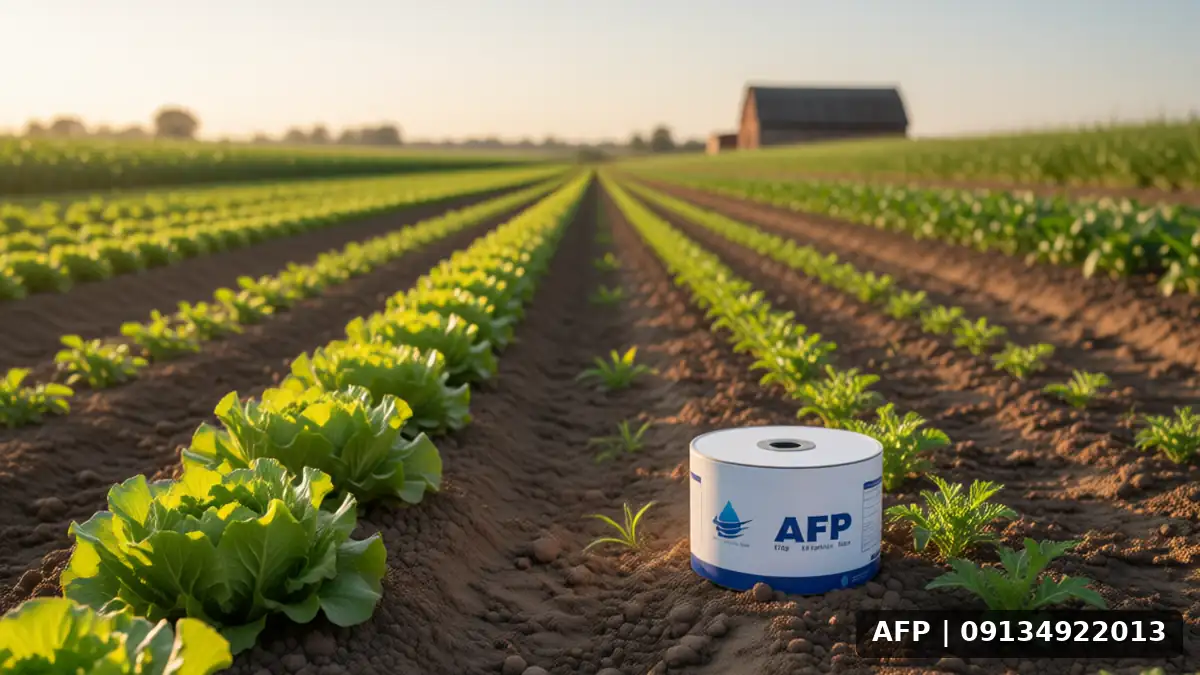
Lettuce is one of the most popular vegetables in the Iranian market. Due to its high moisture requirements and sensitivity to environmental stresses, it requires specific considerations in irrigation systems. Runoff irrigation (Runoff Irrigation) is traditionally used in Iran; however, in lettuce cultivation, the use of drip systems and tape tubing systems, which are forms of precision runoff irrigation, is far more common and effective. This article examines the correct design, installation, and operation of runoff irrigation systems in lettuce farming to help farmers achieve maximum product quality and yield with minimal water consumption.
Key Points in Designing Lettuce Runoff Irrigation Systems
System Selection: Drip vs. Tape Tubing
For lettuce cultivation, which is typically planted in dense rows with specific spacing, the tape tubing irrigation system is an ideal option. This method ensures water is injected directly into the lettuce root zone, preventing water waste between rows. In contrast, the drip system, which uses small emitters targeting each plant, is suitable for farms requiring higher precision and having a higher installation budget. The choice between these two should be based on budget, soil type, and regional climatic conditions.
Assessing Required Pressure and Flow Rate
A critical point in lettuce runoff irrigation is the balance between water pressure and the output flow rate of the emitters. For lettuce, low flow rates of 2 to 4 liters per hour per emitter are recommended to prevent root waterlogging and abiotic stress. The typical working pressure for tape tubing systems is between 1 and 2 bar. Incorrect calibration of these parameters can lead to uneven irrigation and reduced crop yield. Familiarity with Factors Affecting Yield and Planting Density In other contexts, it can provide a better overall view for planning high-density cropping.
Irrigation Timing and Frequency
In lettuce cultivation, irrigation frequency is highly dependent on the season. During spring and autumn when temperatures are moderate, irrigation every 1 to 2 days is appropriate; however, in summer with high evaporation, daily irrigation or even twice daily may be required. Monitoring soil moisture with moisture sensors or visually observing plant cover is key to adjusting irrigation frequency. A smart pressurized irrigation system can automatically optimize irrigation timing based on meteorological data and moisture sensors.
Practical and applied tips for implementing lettuce pressurized irrigation
Piping Installation and Connection
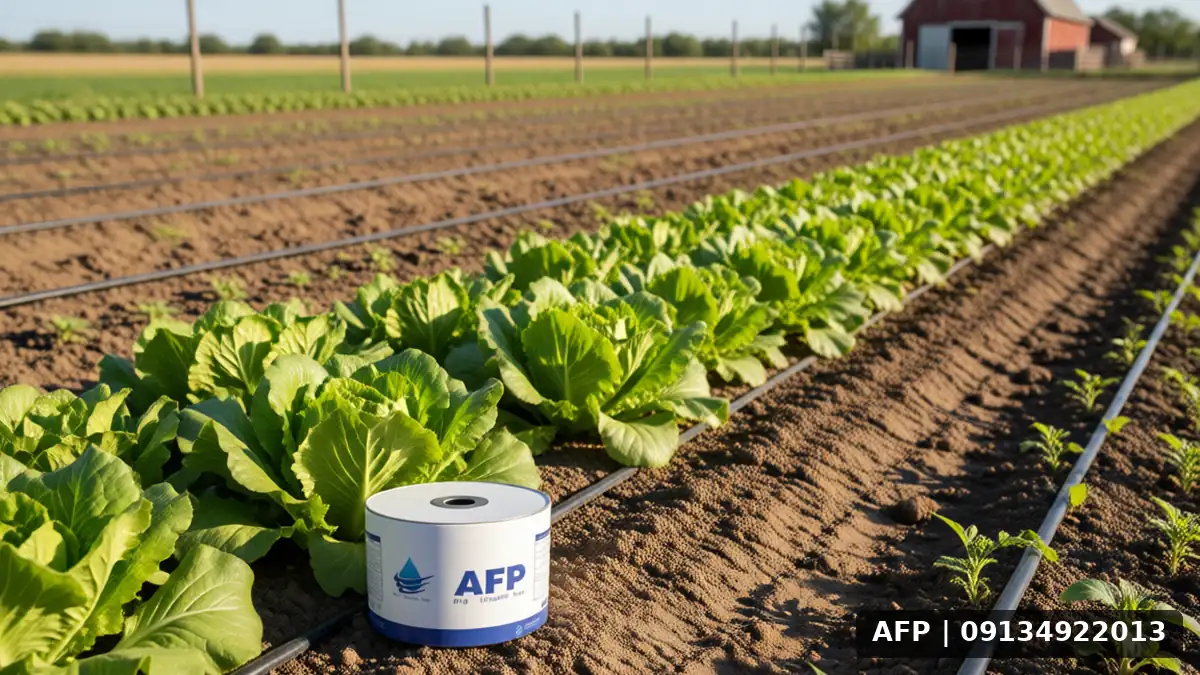
To install the lettuce pressurized irrigation system, first place the main pipe (mainline) along the length of the field, then lay the tapes or lateral lines along the lettuce rows. Connections between the drip tapes and the mainline must be made with suitable connectors to ensure no leaks or defects. Additionally, secure connection points with glue or standard plastic fittings. Using an appropriate filter at the inlet of the system is mandatory to prevent clogging of the emitters.
Levelling and Preparation of the Lettuce Bed
In border irrigation, the lettuce bed must be level without steep slopes to ensure uniform water distribution. If terrain slope exists, lateral flow regulators or pressure-compensating devices can be used to manage pressure in low-lying areas. Additionally, creating irrigation lines parallel to planting rows ensures water reaches the lettuce root zone directly while preventing leaf splashing, which is crucial for crops susceptible to fungal diseases. More information on Optimal irrigation methods for squash may offer a similar model for root crop cultivation.
Eliminating uniformity issues and flow management
A common challenge in border irrigation is uneven water distribution along the border length. To address this, installing pressure regulators at the start of each border or using pressure-compensating emitters is recommended. Also, inspect border outlet points at regular intervals to facilitate system cleaning in case of blockages. Regular filter maintenance and periodic flushing of emitters are vital for system longevity. Reviewing black seed density per hectare can provide better insight into vegetable crop density, although these figures may not be directly applicable to lettuce.
Supplementary recommendations and optimization
In addition to practical tips, combined management of lettuce drip irrigation with fertilization (Fertigation) through the irrigation system is one of the advanced approaches that increases nutrient uptake by the roots and reduces fertilizer loss in the substrate. By injecting soluble fertilizer into the irrigation system, you can ensure against fertilizer waste in the substrate and enhance the final yield of lettuce. Additionally, using historical irrigation data to predict the water needs of each period can be helpful. To better understand general yield and optimization principles, studying the weight of fine produce per hectare can be useful, as similar principles apply to optimizing the yield of various crops.
Frequently Asked Questions (FAQ) about Lettuce Drip Irrigation
Does the lettuce drip irrigation system require high pressure?
No, drip and trickle irrigation systems for lettuce require lower pressure than sprinkler systems. The appropriate pressure is typically between 1 and 2 bar.
How can I prevent clogging of the emitters?
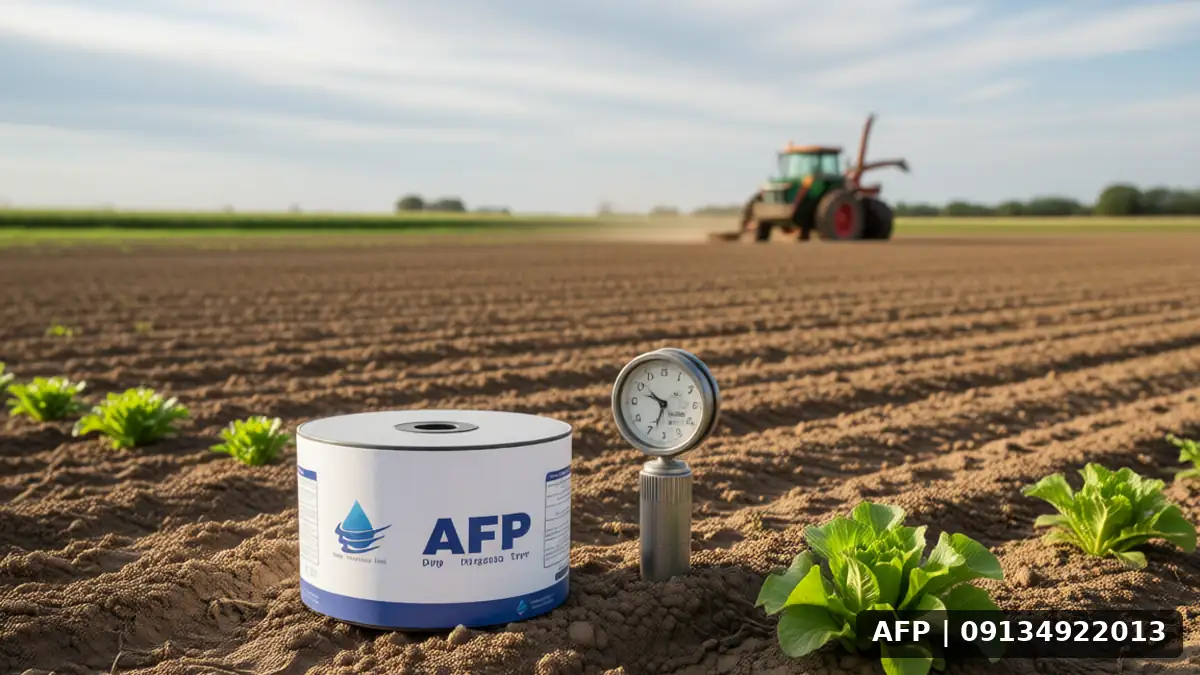
Using a suitable filter (mesh or disc) at the beginning of the system and regularly flushing the emitters, especially at the start of the planting season, is key to preventing clogging. The water source used must also be free of suspended solids.
When should lettuce drip irrigation be stopped?
As the harvest stage approaches (typically 3 to 5 days before), you should reduce or stop irrigation to preserve lettuce firmness and shelf life, preventing early decay in storage.
Summary
Run-off irrigation in lettuce cultivation, utilizing drip and tape systems, is an efficient solution for optimal water use and increased crop yield. Adhering to key points such as the correct system type, pressure and flow rate adjustments, proper irrigation scheduling, and regular equipment maintenance can make a remarkable difference in the quality and quantity of the lettuce produced. Farmers looking to increase efficiency and reduce irrigation costs can confidently apply the principles of precision irrigation. Considering the diversity of related crops and yield varieties in different regions, such as per hectare yields, can provide a better understanding of yield dynamics under various conditions. Ultimately, investing in a suitable run-off irrigation system for lettuce will yield effective and sustainable results for intensive and water-scarce agriculture in the long term.
Related articles: dill yield hectare factors increase, Rosemary D8AFD8B1 harvest per hectare