Melon Cropping Cost per Hectare Using Drip Tape: 2023-24 Comprehensive Economic & Technical Cost Management Guide
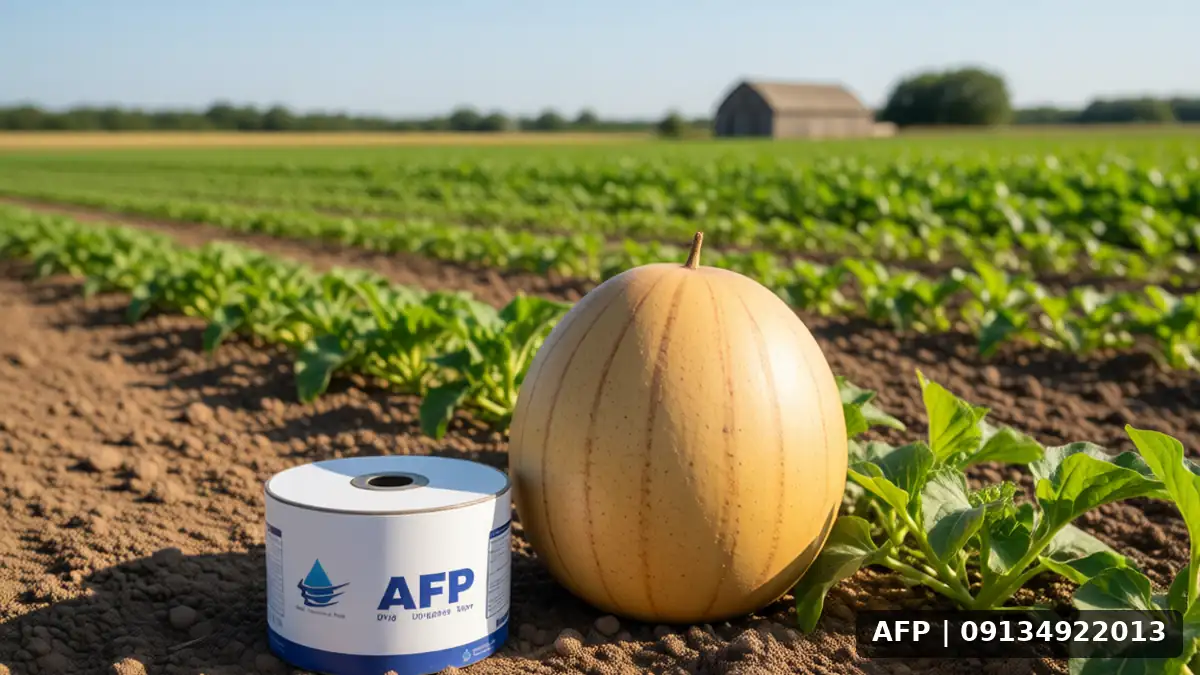
Melon cultivation, characterized by high yields and strong demand in both export and domestic markets, is an attractive option for farmers; however, precise water resource management and cost control in these semi-arid climates remain a significant challenge. In recent years, the implementation of pressurized irrigation systems, particularly the use of drip tape, has become a gold standard in the modern agricultural industry. This advanced technology not only significantly reduces water consumption by up to 40 percent compared to conventional methods, alleviating financial and environmental burdens, but also directly improves plant health, final fruit quality, and melon yield per unit through the uniform distribution of water and fertilizer in the root zone. In this comprehensive analysis, you will gain detailed insight into the cost structure of melon cultivation using drip tape per hectare, enabling you to make more principled economic decisions and prevent hidden cost overruns.
Introduction and Economic Importance of Melon Cultivation
Melon holds a special place in the export portfolio due to its relatively short growth cycle and early harvest capability. However, severe price fluctuations and variability in inputs such as polyethylene pipes, industrial filters, seeds, and fertilizers can undermine the overall farm profitability. The use of drip tape, with its lower initial costs compared to more expensive permanent drip systems, makes the investment more attractive for farmers with moderate capital. You can refer to the technical specifications and structural characteristics of drip tape to better understand the compatibility of these materials with your local soil and water conditions.
Cost Component Analysis in Melon Cultivation with Drip Tape
To accurately and transparently calculate the cost of melon cultivation using drip tape per hectare, costs must be divided into two main categories: fixed (capital) costs and variable (operational) costs. Fixed costs include land preparation and tillage, installation of pump station facilities, purchase of appropriate filters, and the drip tape itself. Variable costs include seed purchase, pesticides, chemical and organic fertilizers, and labor costs during the growth season. A key point is that drip tape is often considered a single-use or multi-year system (depending on material quality and maintenance precision), allowing its cost to be amortized over its expected useful life. To better understand how technical parameters such as wall thickness affect maintenance and replacement costs, a study of drip tape wall thickness standards can serve as a valuable guide for selecting the best option based on your budget and expected lifespan.
Irrigation System Costs
For one hectare of melon cultivation, several kilometers of mainline pipes, controlled branches, and the drip tape itself are typically required. Drip tape, featuring larger emitters compared to micro-drippers, has a lower clogging risk and requires less expensive maintenance. Nevertheless, the quality of the filtration system plays a vital role in preventing emitter blockages, directly reducing repair costs and production downtime. Additionally, network design with high hydraulic precision prevents water waste at the ends of the lines. In this context, a precise understanding of drip tape flow rates and hydraulic models is essential for correctly adjusting system pressure, preventing tape rupture due to excessive pressure and avoiding insufficient water delivery that leads to poor fruit coloration and reduced size.
Input Costs
The use of high-quality, improved melon seeds constitutes a significant portion of variable costs. The seed rate used per hectare can vary based on the selected cultivar, germination potential, and local climatic conditions. For instance, in some regions with climates similar to Iran, varying rates are observed for similar crops. You can refer to the analysis of melon seed rate per hectare in Iraq Take a look: although the climate conditions vary, the basic concepts of yield management remain consistent. In addition to seed, the chemical and organic fertilizers injected via drip tape (subsurface drip irrigation) constitute a significant portion of the cost; however, due to optimal and environmentally friendly nutrient uptake, the required quantity is reduced, leading to considerable financial savings over the entire crop cycle in the long run.
Practical tips for reducing costs and improving efficiency
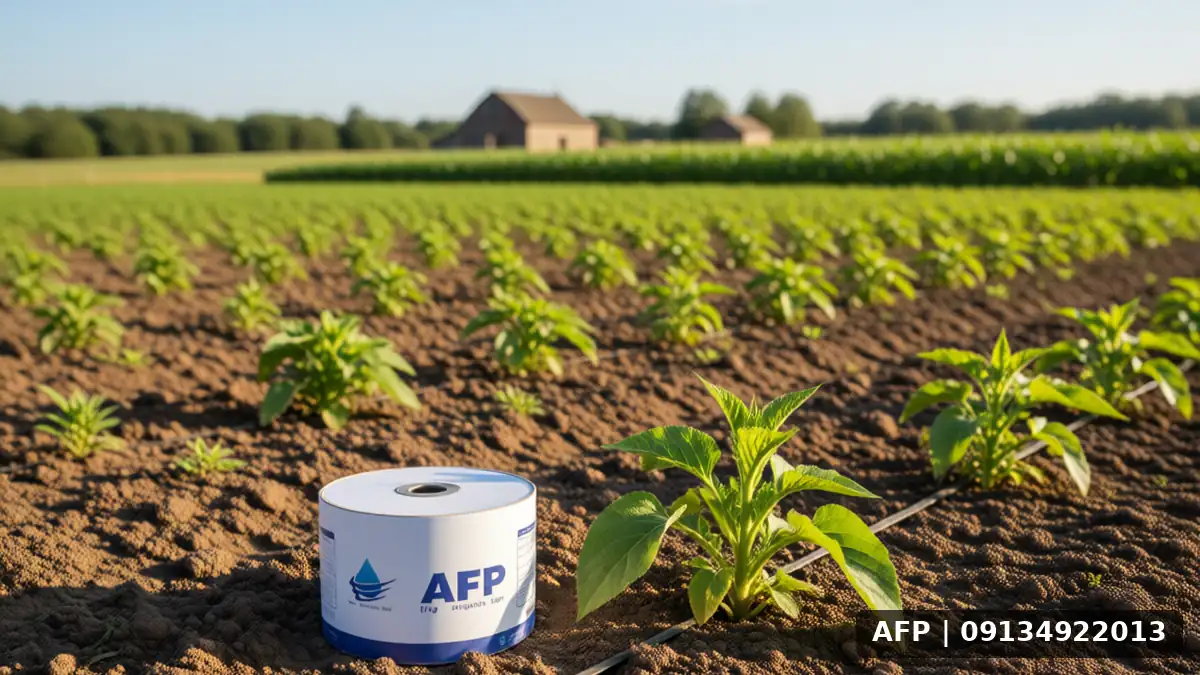
Using drip tape without adhering to proper engineering principles and maintenance standards can lead to early system failure and a sharp increase in replacement costs at the beginning of the season. One of the main challenges during the installation phase is executing connections correctly. Minor leaks at connection points can disrupt hydraulic balance and compromise the system’s uniform performance. Receiving practical and technical training on agricultural drip tape connections can extend the system’s useful life from one season to 3 to 5 seasons. This directly reduces annual recurring costs. Additionally, regular washing of disc or media filters and checking pump health are hidden costs often overlooked by farmers but can cause severe flow rate drops and uneven irrigation coverage.
Water and Fertilizer Management
Drip tape allows you to irrigate only according to the actual root zone requirements. This reduces weed growth between rows, thereby decreasing the need for chemical herbicides and weeding labor. Cucumber cultivation principles using drip irrigation, which uses similar technology to drip tape, have also been examined in a comprehensive guide for cucumber planting with drip irrigation methods, noting similar time frames and water requirements to melon. Precise adjustment of drip tape output flow rates based on daily weather conditions and evapotranspiration rates can prevent root rot due to relative waterlogging and maximize water use efficiency. This precise management directly impacts the weight of each melon and ultimately the total farm revenue.
Frequently Asked Questions (FAQ)
- What is the cost of drip tape per hectare?
The cost of drip tape per hectare varies depending on wall thickness, raw material quality (PVC or PE), and the length of tape used. On average, the savings in water, electricity, and fertilizer over two seasons can offset a significant portion of the initial tape purchase cost, advancing the break-even point. - Is drip tape better than drip emitters for melon?
For high-density planting and high ambient temperatures, drip tape is often the better choice due to the ability to adjust flow rates near the roots and lower initial costs, unless you intend to keep the system in the same ground for 10 years or longer, in which case permanent drip emitters are more logical. - How can I prevent drip tape clogging?
Using appropriate precision filters, regularly washing the system during low-pressure periods, and injecting fertilizer accurately at standard concentrations are the most important factors in preventing clogging of the tape holes. It is also essential to avoid irrigating with muddy or thick water without proper filtration.
Conclusion and Final Recommendations
Investing in a drip line system for melon cultivation is not merely a water-saving measure; it is a smart strategy for cost management and increasing economic returns. By accurately calculating input costs per hectare and maximizing the operational lifespan of the drip lines through proper installation, periodic maintenance, and smart water and fertilizer management, farmers can significantly improve their profit margins. Integrating precision irrigation with economic planning leads to uniform crop growth, reduces fungal diseases caused by excess moisture, and results in a higher market price for the final product. Therefore, reviewing supplier technical specifications and thoroughly understanding factors affecting flow rate are critical steps before the start of the growing season. If you are looking for more specialized guidance on seed tonnage management or its compatibility with regional conditions, specialized resources such as Chickpea seed quantity per hectare can improve your understanding of planting space management and tonnage, although the main focus of this analysis is on the specific challenges of melon cultivation.